

Camp Counselor in Training
Are you a teenager looking for a meaningful summer experience that builds leadership skills while having fun outdoors? A camp counselor in training (CIT) program might be the perfect opportunity for you. These programs bridge the gap between being a camper and becoming a full-fledged counselor, offering a unique blend of responsibility, mentorship, and personal growth.
What is a Camp Counselor in Training Program?
A camp counselor in training program is designed to help teens develop leadership skills while learning what it takes to become a camp counselor. These programs typically last 2-8 weeks during summer and are offered to teens aged 14-18 who have often been campers themselves and want to take on more responsibility.
CIT programs serve as a stepping stone between being a camper and becoming a full staff member. They combine structured training with hands-on experience, allowing participants to learn the ropes of camp leadership while still enjoying aspects of the camp experience.

Key Responsibilities of a Camp Counselor in Training
As a CIT, you’ll have the opportunity to take on various responsibilities that help you develop important skills while supporting the camp community. Here are the primary duties you can expect:
Assisting Senior Counselors
You’ll work alongside experienced counselors, helping them manage daily activities and supervise younger campers. This mentorship allows you to learn from their experience while gradually taking on more responsibility.

Planning and Leading Activities
Under supervision, you’ll help plan and lead certain camp activities. This might include organizing games, assisting with arts and crafts, or helping with sports. You’ll learn how to create engaging experiences for campers of different ages.

Mentoring Younger Campers
As a CIT, you’ll serve as a role model for younger campers. You’ll help them navigate camp life, resolve conflicts, and make the most of their experience. This mentorship role helps develop your empathy and communication skills.

Supporting Camp Operations
You’ll learn about the behind-the-scenes aspects of running a camp by helping with daily operations. This might include assisting with meal setup, helping organize equipment, or supporting camp-wide events and traditions.

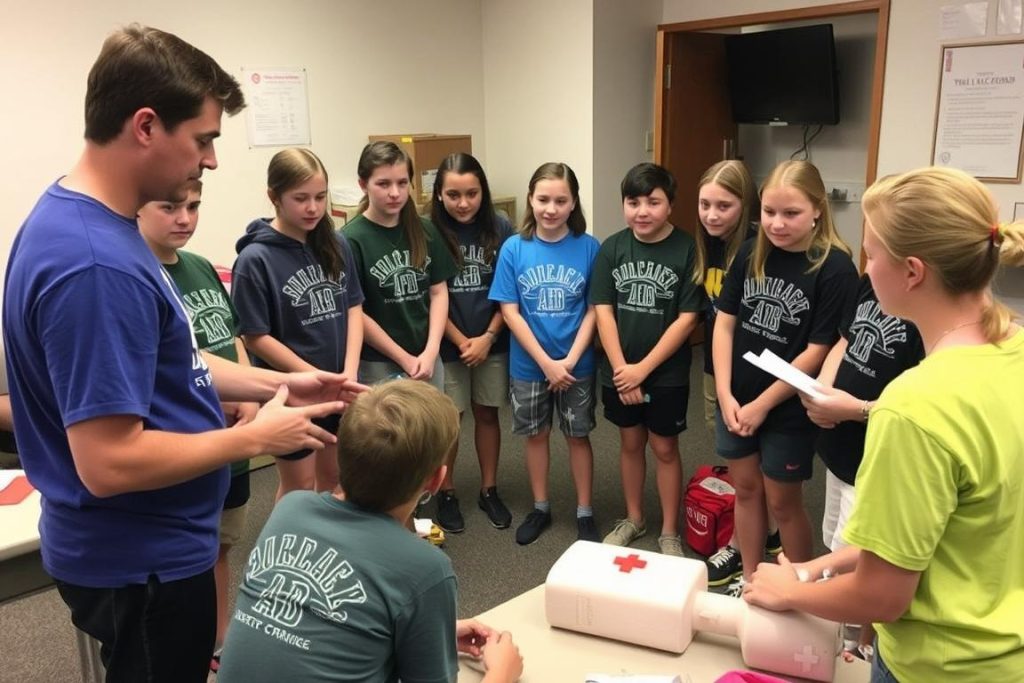
Participating in Training Sessions
Regular training sessions will teach you essential skills like first aid, conflict resolution, activity planning, and child development. These structured learning opportunities help build your counselor toolkit.
Reflecting and Receiving Feedback
An important part of the CIT experience is regular reflection and feedback. You’ll discuss your experiences with program leaders, set goals for improvement, and track your progress throughout the program.

Ready to explore CIT opportunities?
Learn more about what it takes to become a successful camp counselor in training.
Skills Developed Through a Camp Counselor in Training Program
One of the most valuable aspects of becoming a camp counselor in training is the wide range of transferable skills you’ll develop. These skills will benefit you not only at camp but also in school, future careers, and life in general.
Leadership Skills

You’ll learn how to guide others, make decisions, delegate tasks, and motivate a group. These leadership skills develop as you take on increasing responsibility throughout the program.
Communication Skills

Clear communication is essential at camp. You’ll practice giving instructions, active listening, public speaking, and adapting your communication style for different age groups.
Problem-Solving Skills

Camp life presents many opportunities to think on your feet. You’ll develop creative problem-solving skills as you handle unexpected situations and help resolve conflicts.
Teamwork

Working with other CITs and staff members teaches valuable collaboration skills. You’ll learn how to contribute to a team, support others, and achieve common goals together.
Responsibility

As a CIT, you’ll be entrusted with important responsibilities. Managing these duties helps build accountability, reliability, and time management skills.
Adaptability

Camp plans often change due to weather, resources, or camper needs. You’ll learn to be flexible, think quickly, and adapt to changing circumstances.
Build skills that last a lifetime
Discover how CIT programs help teens develop essential leadership and life skills.
Benefits of Joining a Camp Counselor in Training Program
Beyond the skills you’ll develop, there are many other benefits to participating in a CIT program. These advantages make the experience valuable for your personal growth and future opportunities.
Personal Growth
The CIT experience pushes you outside your comfort zone in a supportive environment. You’ll gain confidence, independence, and self-awareness as you take on new challenges and responsibilities.

Many former CITs describe their experience as transformative, helping them discover strengths they didn’t know they had and developing a stronger sense of identity.
Resume Building
A CIT program looks impressive on college applications, scholarship forms, and job resumes. It demonstrates leadership, responsibility, and commitment to personal development.

Many employers and colleges specifically look for leadership experiences like CIT programs when evaluating applications, giving you a competitive edge.
Professional Networking
As a CIT, you’ll connect with camp professionals who can become mentors, references, and valuable contacts for future opportunities. These relationships often extend beyond your time at camp.

Many camps hire their CITs as full counselors in subsequent summers, creating a pathway to paid employment and career development.
Meaningful Friendships
The shared experience of a CIT program creates strong bonds with fellow participants. These friendships often become some of the most meaningful relationships in your life.

Working through challenges together and sharing unique experiences creates connections that often last well beyond the summer.
“Being a camp counselor in training was the most rewarding experience of my high school years. I developed confidence I never knew I had, made lifelong friends, and discovered my passion for working with children. The skills I gained helped me get into my top-choice college and prepared me for leadership roles I never would have pursued otherwise.”
Common Challenges and Solutions for Camp Counselors in Training
While being a camp counselor in training is rewarding, it also comes with challenges. Understanding these potential hurdles and how to overcome them will help you make the most of your CIT experience.
Finding the Balance
One of the biggest challenges for CITs is finding the balance between being a camper and a staff member. You’re in a unique middle position that can sometimes feel uncertain.
Solution:
- Embrace the transition period as a learning opportunity
- Ask your supervisors for clear expectations
- Connect with former CITs for advice
- Remember that this “in-between” stage is designed to help you grow
Time Management
Balancing your own activities, training sessions, and responsibilities with campers can be overwhelming at first.
Solution:
- Use a planner or digital calendar to track your schedule
- Prioritize tasks based on importance and deadlines
- Don’t be afraid to ask for help when needed
- Build in short breaks to recharge throughout the day
Confidence Building
Many new CITs feel nervous about taking on leadership roles, especially when working with campers who are only a few years younger.
Solution:
- Start with smaller responsibilities and build up gradually
- Prepare thoroughly for activities you’ll be leading
- Remember that making mistakes is part of learning
- Celebrate your successes, no matter how small
Handling Difficult Situations
You may encounter challenging behavior from campers or unexpected situations that test your problem-solving abilities.
Solution:
- Follow the camp’s established protocols for behavior management
- Don’t hesitate to seek help from senior staff when needed
- Use these moments as learning opportunities
- Debrief difficult situations with supervisors to improve for next time
Prepare for success as a CIT
Learn strategies for overcoming common challenges in CIT programs.
How to Apply for Camp Counselor in Training Programs
Ready to take the next step toward becoming a camp counselor in training? Here’s a guide to finding and applying for CIT programs that match your interests and goals.
Research Programs

- Start with camps you’ve attended as a camper
- Ask friends for recommendations
- Search the American Camp Association directory
- Consider your interests (sports, arts, outdoor adventure, etc.)
Check Requirements
- Age requirements (typically 14-17 years old)
- Previous camp experience (often preferred but not always required)
- Time commitment (usually 2-8 weeks during summer)
- Any certifications needed (some programs require First Aid/CPR)
Prepare Application

- Complete the application form thoroughly
- Write a compelling personal statement
- Gather references (teachers, coaches, mentors)
- Prepare for a potential interview
Important Camp Counselor in Training Deadlines
Most camp counselor in training programs have application deadlines between January and March for the upcoming summer. Some popular programs fill up quickly, so it’s best to apply early!
Interview Tips for Camp Counselor in Training
Many CIT programs include an interview as part of the selection process. Here’s how to prepare:
- Be ready to explain why you want to be a CIT
- Share examples of your leadership experience
- Demonstrate your enthusiasm for working with children
- Ask thoughtful questions about the program
- Be honest about your strengths and areas for growth
After Acceptance
Once you’re accepted into a CIT program, there are several steps to prepare:
- Complete all required paperwork and medical forms
- Attend any pre-camp orientation sessions
- Obtain any necessary certifications
- Review the camp’s policies and procedures
- Pack appropriate clothing and supplies
Financial Considerations
While some CIT programs are free or offer stipends, many charge a fee (though typically less than regular camp tuition). Don’t let cost be a barrier—many camps offer scholarships or payment plans for CITs. Be sure to ask about financial assistance options when applying.
Is Becoming a Camp Counselor in Training Right for You?
A camp counselor in training program offers a unique opportunity to develop leadership skills, build your resume, form lasting friendships, and make a positive impact on younger campers. While it comes with challenges, the growth and experiences you’ll gain are invaluable.
If you enjoy working with children, love the camp environment, and are ready to take on new responsibilities, becoming a CIT could be the perfect summer experience. It’s a stepping stone not only to potential future employment as a counselor but also to developing life skills that will benefit you in countless ways.
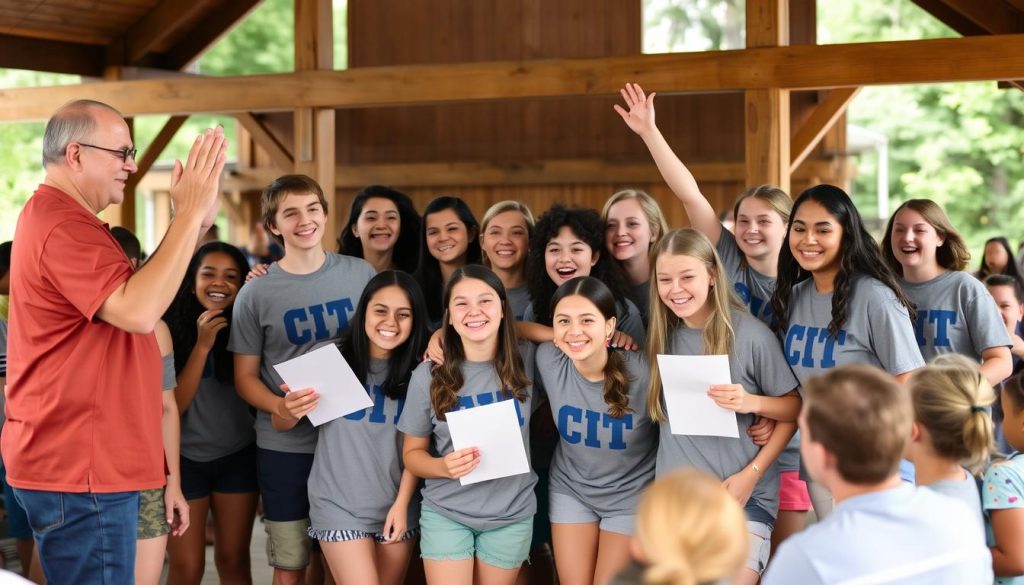
Ready to start your CIT journey?
Take the first step toward an unforgettable summer of growth, friendship, and leadership development with Camp New York.