

The decision to become a counsellor opens doors to one of the most meaningful careers you can pursue. Whether you dream of supporting young people through challenges, helping adults navigate mental health struggles, or building resilience in communities, counselling offers a path to make a real difference.
But where do you actually start?
Many people believe you need years of education before you can work in any counselling capacity. The truth is more encouraging. While becoming a licensed mental health counselor requires a master degree and supervised clinical experience, there are numerous ways to begin developing counselling skills right now.
This guide explores the complete spectrum of counsellor roles. You will discover the different types of counselling careers, the skills and qualities you need, and how hands-on youth work experience can accelerate your journey.
You will also learn how practical roles like camp counselling provide the perfect foundation for anyone serious about entering the counselling field.
What Does It Mean to Become a Counsellor?
The term “counsellor” encompasses a broad range of helping professionals. Understanding these distinctions helps you choose the right path for your career goals and interests.
Licensed Mental Health Counselors
These professionals hold advanced degrees and state licensure. They work with individuals, couples, families, and groups to address mental health issues, behavioral challenges, and life transitions.
Mental health counselors typically complete a master degree in counseling or a related field. They must also fulfill state licensure requirements, which generally include passing the National Counselor Examination and completing thousands of hours of supervised clinical experience.
School Counsellors and Educational Support Specialists
School counsellors work within educational settings. They help students navigate academic challenges, social development, and future planning.
Most school counsellors hold a master degree in school counseling or educational psychology. They address issues ranging from academic performance to bullying, college preparation, and mental health support.

Youth Workers and Camp-Style Counsellors
Youth workers and camp counsellors provide developmental support in less formal settings. These roles focus on building life skills, confidence, and positive relationships with young people.
While these positions may not require a graduate degree, they offer invaluable hands-on experience. Many mental health professionals begin their journey in youth-facing roles that develop core counselling skills.
Specialized Counselling Roles
Beyond traditional mental health counseling, specialized counsellors work in specific areas such as:
- Substance abuse counseling
- Career counseling and vocational guidance
- Rehabilitation counseling for people with disabilities
- Grief and bereavement counseling
- Marriage and family therapy
Each specialization may have unique educational requirements and certification processes. However, they all share common foundational skills in active listening, empathy, and professional boundaries.
Exploring Different Types of Counsellor Roles
Understanding the landscape of counselling careers helps you identify which path aligns with your strengths and aspirations. Each role serves distinct populations and requires different levels of training.
Clinical Mental Health Counselors
Clinical mental health counselors work with clients experiencing anxiety, depression, trauma, and other psychological challenges. They conduct assessments, develop treatment plans, and provide evidence-based therapeutic interventions.
To become a licensed counselor in this field, you typically need a master degree in mental health counseling from an accredited program. Following graduation, you must complete supervised clinical hours as specified by your state licensing board.
The journey includes passing the National Counselor Examination and meeting specific state licensure requirements. Depending on the state, you might need between two thousand and four thousand hours of supervised experience before you can practice independently.

School and Educational Counsellors
School counsellors support students through academic planning, personal development, and crisis intervention. They work within elementary, middle, and high schools, addressing the unique developmental needs of each age group.
Most positions require a master degree in school counseling and state certification. School counsellors collaborate with teachers, administrators, and families to create supportive learning environments.
Their responsibilities extend beyond individual counseling sessions. They develop prevention programs, coordinate student services, and help students prepare for college or career pathways.
Youth Support Workers
Youth support workers engage with children and teenagers in community settings, after-school programs, and residential facilities. They focus on positive youth development rather than clinical treatment.
These roles often require a bachelor degree in psychology, social work, or a related field. However, some positions value relevant experience as highly as formal education.
Youth workers help young people develop social skills, make healthy choices, and build resilience. The work is hands-on and relationship-focused, providing exceptional preparation for graduate-level counseling programs.
Camp Counsellors and Informal Youth Mentors
Camp counsellors work in residential or day camp settings, creating enriching experiences for children and adolescents. While these roles are sometimes seasonal, they offer intensive skill-building opportunities.
Camp counselling develops many competencies that transfer directly to professional counselling work. You learn to manage groups, respond to emotional needs, set boundaries, and adapt quickly to changing situations.
Many counseling graduate programs value camp experience because it demonstrates your ability to connect with young people in authentic, meaningful ways.

Why Camp Experience Matters
Working as a camp counsellor builds skills that graduate programs and future employers highly value. You gain experience in crisis management, conflict resolution, and developmental understanding.
Camp roles also help you discover whether you truly enjoy working with young people before committing to expensive graduate education.
The intense, immersive nature of camp work accelerates your learning curve in ways that classroom education alone cannot replicate.
Addiction and Substance Abuse Counselors
Addiction counselors specialize in helping individuals recover from substance use disorders. They work in treatment centers, hospitals, community agencies, and private practices.
Requirements vary by state, but most addiction counselors need at least a bachelor degree. Many pursue specialized certifications in addiction counseling alongside or instead of general mental health credentials.
This field requires strong boundaries, cultural competence, and understanding of the complex factors that contribute to addiction and recovery.
Ready to Gain Real Counselling Experience?
Camp New York offers a unique opportunity to develop counselling skills while making a meaningful difference in young people’s lives. Our camp counsellor positions provide hands-on experience that strengthens graduate school applications and builds the foundation for a counselling career.
Essential Skills Needed to Become a Counsellor
Successful counsellors share core competencies that transcend specific roles or settings. These skills can be developed through education, training, and practical experience.
Active Listening and Empathetic Understanding
Active listening goes beyond hearing words. It involves paying attention to tone, body language, and unspoken emotions. Counsellors must understand what clients communicate verbally and nonverbally.
Empathy allows you to understand another person’s perspective without judgment. This skill helps build trust and creates a safe space for clients to explore difficult feelings.
You can develop these abilities through practice. Volunteer work, peer support roles, and positions like camp counselling provide opportunities to strengthen listening and empathy skills in real-world contexts.
Communication and Interpersonal Skills
Effective counsellors communicate clearly and adapt their style to different audiences. You need to explain complex concepts in accessible language and ask questions that encourage self-reflection.
Strong interpersonal skills help you build rapport with diverse populations. This includes cultural sensitivity, awareness of power dynamics, and the ability to make people feel heard and respected.

Boundary-Setting and Professional Ethics
Maintaining appropriate boundaries protects both counsellor and client. You must balance warmth and approachability with professional distance.
Ethical practice requires understanding confidentiality limits, recognizing conflicts of interest, and knowing when to refer clients to other professionals. These principles apply whether you work as a licensed mental health counselor or in informal youth support roles.
Camp counselling teaches boundary-setting organically. You learn to care deeply for campers while maintaining the professional distance necessary to make sound decisions about their wellbeing.
Emotional Resilience and Self-Care
Counselling work can be emotionally demanding. You encounter pain, trauma, and complex situations that may affect your own mental health.
Developing resilience involves building healthy coping strategies, maintaining work-life balance, and seeking supervision or therapy when needed. Self-care is not selfish in helping professions—it is essential.
Working in intensive environments like summer camps builds this resilience. You learn to process challenging experiences, support yourself and colleagues, and maintain energy throughout demanding periods.
Problem-Solving and Critical Thinking
Counsellors face complex situations without clear-cut solutions. You need to assess situations quickly, consider multiple perspectives, and make informed decisions under pressure.
Critical thinking helps you evaluate the effectiveness of different approaches and adapt your strategies based on client needs and responses.
- Assess situations from multiple angles before responding
- Recognize patterns in behavior and emotional responses
- Develop creative solutions to unique challenges
- Evaluate your own biases and assumptions
- Adapt interventions based on client feedback
Cultural Competence and Diversity Awareness
Effective counsellors serve clients from diverse backgrounds, cultures, identities, and experiences. Cultural competence involves ongoing learning about different worldviews and examining your own cultural assumptions.
This skill requires humility, curiosity, and willingness to address your blind spots. It means recognizing how factors like race, socioeconomic status, gender identity, and disability shape people’s experiences.
Camp environments often bring together people from varied backgrounds. This diversity provides natural opportunities to develop cultural awareness and inclusive practices.
Formal Qualifications and Training Requirements
The educational path to become a counsellor varies significantly based on your chosen specialty and career goals. Understanding these requirements helps you plan strategically and identify alternative entry points.
Educational Pathways for Mental Health Counselors
To become a licensed mental health counselor, you typically need a master degree in counseling, psychology, or a closely related field. Most programs require sixty credit hours and include both classroom learning and supervised clinical experience.
Graduate programs cover theories of counseling, assessment techniques, ethics, multicultural counseling, and specialized topics like trauma or addiction. You also complete hundreds of supervised practicum and internship hours before graduation.
After earning your master degree, state licensure requirements mandate additional supervised experience. Most states require two to three years of post-graduate supervised clinical work before you can sit for licensing exams.

Bachelor Degree Programs and Related Fields
While a bachelor degree alone does not qualify you to become a licensed counselor, it serves as the foundation for graduate study. Common undergraduate majors include psychology, social work, education, and human services.
A bachelor degree in a related field demonstrates your commitment to helping professions and provides introductory knowledge about human development, research methods, and social systems.
Some counseling roles, particularly in youth work or community settings, may only require a bachelor degree combined with relevant experience.
State Licensing and Certification Requirements
Each state establishes its own licensing requirements for mental health professionals. These requirements share common elements but vary in specific details.
Most state licensing boards require:
- A master degree from an accredited counseling program
- Completion of supervised clinical hours (typically 2,000-4,000 hours)
- Passing the National Counselor Examination or state-specific exam
- Background checks and ethical fitness evaluation
- Continuing education to maintain licensure
Research your state’s specific requirements early in your planning process. Some states have reciprocity agreements that allow licensed counselors to transfer credentials across state lines.
Alternative Credentials and Certifications
Beyond state licensure, various professional organizations offer specialized certifications. The National Board for Certified Counselors provides credentials that demonstrate expertise in specific areas.
Certifications exist for school counseling, addiction counseling, career counseling, and other specialties. While not always required, these credentials enhance your professional credibility and may be necessary for certain positions.
Youth work certifications and camp counsellor training programs also exist. These shorter-term credentials build specific skills and demonstrate your commitment to working with young people.
Graduate Education Investment
Master degree counseling programs require significant time and financial investment. Tuition costs vary widely but often exceed thirty thousand dollars for a complete program.
Consider this investment carefully. Gaining hands-on experience in roles like camp counselling helps you confirm your career choice before committing to graduate education.
Online Counseling Programs
Many accredited institutions now offer online counseling degrees. These programs provide flexibility for working professionals and may reduce costs associated with relocation.
Ensure any online program you consider meets state licensure requirements and includes adequate supervised clinical components.
Supervised Clinical Experience Requirements
Both graduate programs and post-graduate licensure require supervised clinical experience. During these hours, you work with clients under the guidance of experienced, licensed professionals.
Supervision ensures you develop competence safely and ethically. Your supervisor reviews your cases, provides feedback, and helps you navigate complex situations.
The quality of supervision significantly impacts your professional development. Seek supervisors who challenge you to grow while providing supportive guidance.
Continuing Education and Professional Development
Becoming a counsellor is not a destination but an ongoing journey. Licensed counselors must complete continuing education to maintain their credentials and stay current with best practices.
Professional development includes attending conferences, participating in specialized training, engaging in peer consultation, and staying informed about research in your field.
This commitment to lifelong learning ensures you provide the highest quality care throughout your career.
Build Your Counselling Foundation This Summer
You don’t need a graduate degree to start developing counselling skills. Camp New York’s counsellor positions offer paid opportunities to work directly with young people, build your resume, and gain the experience that graduate programs value. Applications are now open for our summer program.
How Camp Experience Helps You Become a Counsellor
Working as a camp counsellor provides unique advantages for anyone planning to enter counselling professions. These roles build practical skills, demonstrate commitment, and help you understand whether you truly want to work with young people.
Developing Core Counselling Competencies
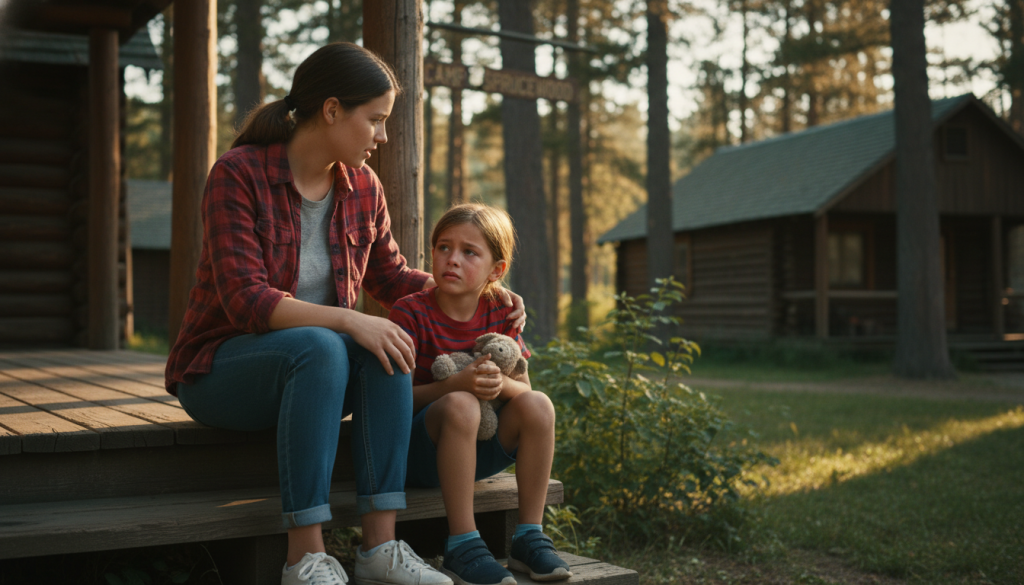
Camp counselling develops the same foundational skills required in professional counseling practice. You learn active listening by responding to campers’ concerns, questions, and emotional needs throughout each day.
Empathy grows naturally when you support children through homesickness, social conflicts, or fear of new activities. You develop the ability to validate feelings while guiding young people toward healthy coping strategies.
These competencies strengthen through repetition and reflection. The intensive nature of camp work means you encounter numerous opportunities to practice and refine your skills within weeks.
Building Leadership and Group Management Skills
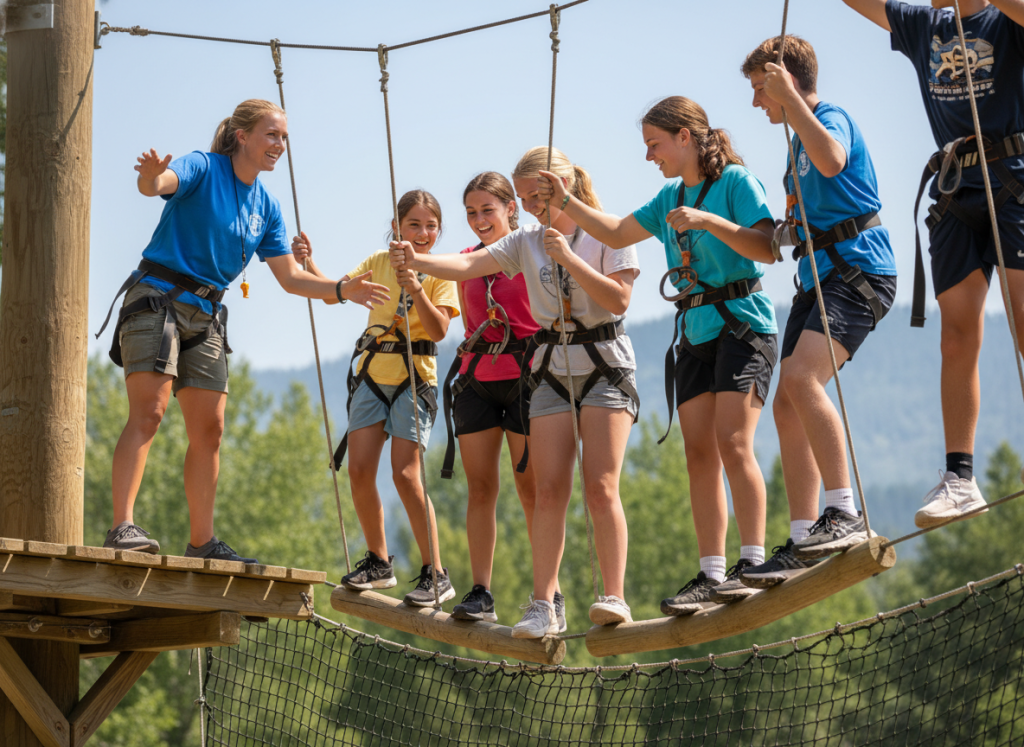
Camp counsellors regularly manage groups of children or teens. You learn to facilitate activities, mediate conflicts, and create inclusive environments where everyone feels valued.
Group work is central to many counseling approaches. Mental health professionals often lead therapy groups, psychoeducational workshops, and support groups. Camp experience provides a foundation for these facilitation skills.
You also develop leadership presence—the ability to command attention, set expectations, and respond authoritatively in challenging situations while maintaining warmth and approachability.
Understanding Child and Adolescent Development
Working directly with young people teaches you how children and teens think, communicate, and process emotions at different developmental stages. This understanding is invaluable whether you pursue school counseling, youth work, or family therapy.
You observe firsthand how peer relationships, family dynamics, and individual temperaments shape behavior and emotional responses. These observations deepen your theoretical understanding from psychology and counseling courses.
Camp counsellors also witness resilience and growth. You see children overcome fears, develop new skills, and build confidence. These experiences reinforce why counselling work matters and sustain your motivation through challenging graduate training.
Strengthening Graduate School Applications
Admissions committees for master degree counseling programs value demonstrated experience working with the populations you intend to serve. Camp counselling shows sustained commitment rather than brief volunteer experiences.
Your application essays become more compelling when you can reference specific moments when you supported a struggling child, navigated ethical dilemmas, or adapted your approach based on individual needs.
Letters of recommendation from camp directors or supervisors carry weight because they can speak to your interpersonal skills, reliability, and ability to handle responsibility—qualities essential for clinical work.
Resume-Building Value
- Demonstrates direct experience with youth populations
- Shows ability to handle multiple responsibilities simultaneously
- Provides concrete examples of problem-solving skills
- Illustrates commitment to service and helping others
- Offers professional references from supervisory staff
Testing Your Career Commitment
Graduate education for counseling represents a significant investment of time and money. Camp work allows you to test whether you genuinely enjoy the daily realities of supporting others before making that commitment.
You discover whether you find energy or exhaustion in constant interpersonal interaction. You learn how you respond to emotional intensity and whether you can maintain appropriate boundaries.
This self-knowledge is invaluable. It prevents costly mistakes and helps you enter graduate programs with realistic expectations and confirmed passion for the work.
Building Professional Networks
Camp staff often includes people at various stages of counseling careers. You work alongside graduate students in counseling programs, licensed professionals doing summer work, and others exploring helping professions.
These connections provide mentorship, advice about graduate programs, and insights into different counseling specialties. Your camp colleagues may become future professional contacts, collaborators, or sources of support throughout your career.
Camp directors and supervisors also maintain connections within education and mental health communities. Strong relationships with these professionals can lead to recommendations, job leads, and continued guidance.
Becoming a Counsellor-Style Staff Member at Camp New York
Camp New York offers a distinctive opportunity to develop counselling skills while creating transformative experiences for young people. Our camp counsellor positions combine meaningful work, professional development, and the chance to be part of a supportive community.
What Camp New York Counsellors Do
As a Camp New York counsellor, you serve as a mentor, guide, and positive role model for campers. Your responsibilities blend direct care, activity leadership, and emotional support.
Daily duties include leading recreational activities, facilitating group discussions, supporting campers through challenges, and collaborating with fellow staff members to create a safe, engaging camp environment.
You work closely with individual campers, getting to know their interests, strengths, and areas where they need encouragement. This one-on-one relationship building develops the same rapport-building skills essential to professional counseling.
Supporting Camper Confidence and Growth
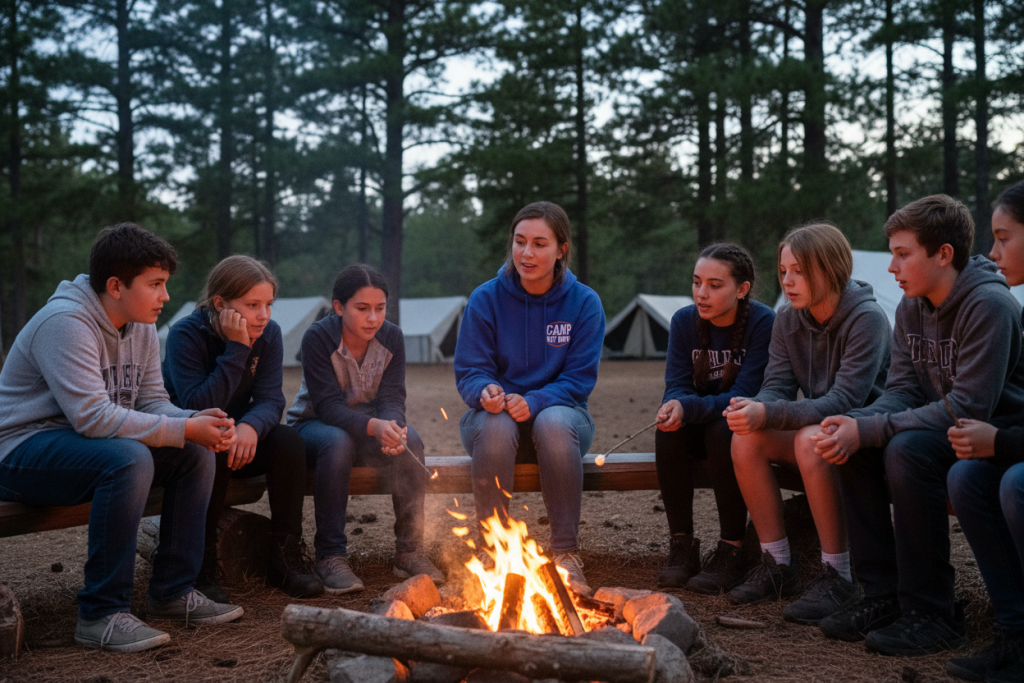
A central part of camp counselling involves helping young people step outside their comfort zones. You encourage a shy child to participate in group activities, support someone trying a challenging skill for the first time, or help campers navigate friendship conflicts.
These moments require the same skills mental health counselors use—active listening, motivational interviewing, problem-solving facilitation, and emotional validation. You learn to balance support with appropriate challenge.
Over the course of a camp session, you witness remarkable transformations. Campers develop confidence, form lasting friendships, and discover strengths they did not know they possessed. Contributing to these changes is deeply rewarding and reinforces your commitment to helping professions.
Creating Safe and Inclusive Environments
Camp New York prioritizes creating spaces where every camper feels welcomed and valued. As a counsellor, you actively work to include all campers regardless of background, ability, or personality.
You learn to recognize and address bullying, support campers with different learning styles or needs, and adapt activities to ensure everyone can participate meaningfully.
This inclusion work develops cultural competence and awareness of diversity—competencies increasingly essential in all counseling fields. You learn to examine your own biases and create truly welcoming spaces.
Working Within a Collaborative Team
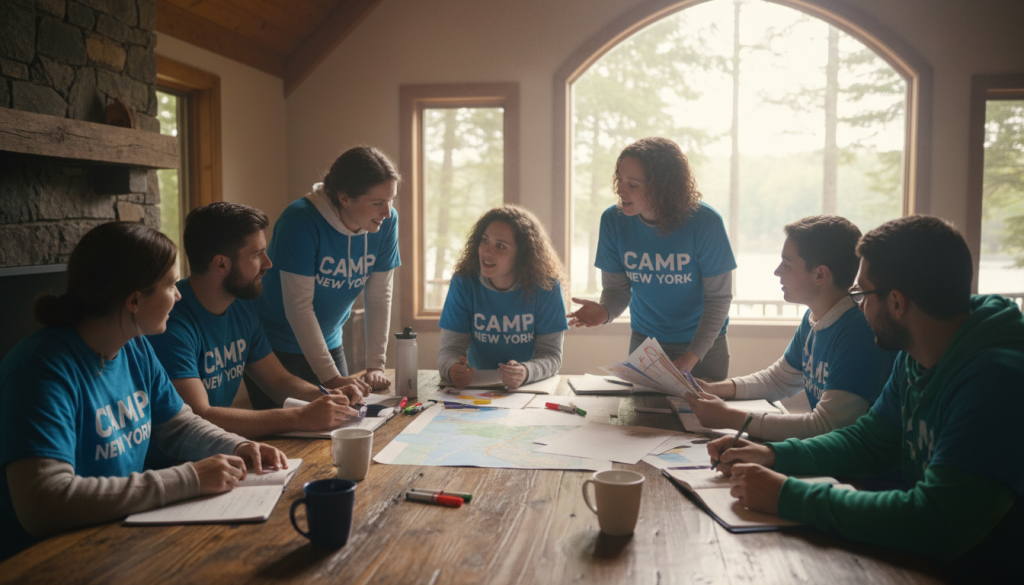
Camp counsellors do not work in isolation. You collaborate daily with co-counsellors, activity specialists, and camp leadership to coordinate programming and support camper needs.
Team collaboration mirrors the interdisciplinary work common in mental health settings, where counselors coordinate with teachers, medical professionals, social workers, and families.
You learn to communicate clearly across different roles, respect diverse perspectives, and contribute to shared goals. These collaboration skills translate directly to professional counseling environments.
Developing Crisis Response and Problem-Solving Skills
Camp life includes unpredictable moments that require quick thinking and calm responses. A camper has an emotional meltdown, an activity goes differently than planned, or weather forces last-minute changes.
These situations build your ability to assess quickly, prioritize safety, and respond effectively under pressure. You develop confidence in your judgment and learn to trust your instincts.
Mental health professionals regularly face unexpected challenges. Camp experience builds the adaptability and composure you will need throughout a counseling career.
Receiving Supervision and Feedback
Camp New York provides structured supervision and professional development for all counsellors. Experienced staff members observe your work, offer guidance, and help you reflect on your practice.
This supervision mirrors the supervision process central to counselor training and licensure. You learn to receive feedback openly, reflect critically on your approach, and continuously improve your practice.
Regular feedback helps you identify strengths and areas for growth. This self-awareness accelerates your development and prepares you for the rigorous supervision you will encounter in graduate programs and supervised clinical work.
Join Our Team and Start Your Counselling Journey
Camp New York is currently recruiting passionate individuals who want to make a difference in young people’s lives while building skills for counselling careers. Our comprehensive training, supportive team environment, and hands-on experience provide the perfect foundation for your professional development. Summer positions offer competitive compensation and the chance to grow both personally and professionally.
How to Start on the Path to Become a Counsellor
Beginning your counselling journey can feel overwhelming, but breaking the process into manageable steps makes it achievable. Here is a practical roadmap for getting started, regardless of where you are in your educational or career path.
Step One: Clarify Your Career Goals
Start by exploring different counselling specialties. Research school counseling, mental health counseling, addiction counseling, and other fields. Consider which populations and settings appeal to you most.
Reflect on your motivations. What draws you to counselling? What strengths do you bring? What areas challenge you? Honest self-assessment helps you choose a path aligned with your values and abilities.
Talk to people working in counselling fields. Ask about their daily work, education paths, and career satisfaction. These conversations provide realistic perspectives beyond online research.

Step Two: Gain Hands-On Experience
Seek opportunities to work directly with people in helping capacities. Youth counsellor roles, volunteer positions, peer support programs, and camp counselling all build relevant skills.
Experience helps you discover whether you genuinely enjoy the interpersonal aspects of counselling work. It also strengthens future graduate school applications and provides concrete examples for your personal statements.
Consider positions that offer training and supervision. Quality supervised experience accelerates your development far more than unsupported volunteer work.
- Research opportunities in your area: Look for youth programs, community centers, crisis hotlines, and summer camps seeking staff or volunteers.
- Apply to multiple positions: Increase your chances by submitting applications to several organizations that align with your interests.
- Prepare for interviews: Reflect on why you want to help others and what skills you bring, even if you lack extensive experience.
- Commit fully once hired: Approach the role with professionalism and dedication, maximizing what you learn from the experience.
- Seek feedback regularly: Ask supervisors for input on your strengths and areas for improvement throughout your time in the role.
Step Three: Pursue Relevant Education
If you do not yet have a bachelor degree, consider majors like psychology, social work, human development, or education. These programs provide foundational knowledge for graduate counseling study.
If you already hold a bachelor degree in an unrelated field, you can still pursue counseling. Many master degree programs accept students from diverse academic backgrounds, though you may need to complete prerequisite courses.
Research graduate programs carefully. Look for accredited counseling programs that match your career goals and meet your state licensure requirements. Consider factors like program philosophy, supervision model, and specialty tracks offered.

Financing Your Education
Graduate education requires significant financial investment. Explore scholarships, assistantships, and employer tuition benefits. Some organizations offer loan forgiveness for counselors who work in underserved areas.
Working in related fields like camp counselling or youth work while completing your education can help offset costs and provide valuable ongoing experience.
Step Four: Build Professional Skills
Develop the soft skills essential to counselling success. Practice active listening in everyday conversations. Work on emotional regulation and stress management for yourself.
Pursue additional training opportunities. Many organizations offer workshops on topics like trauma-informed care, crisis intervention, or motivational interviewing. These trainings enhance your resume and deepen your competence.
Consider joining professional organizations related to your interests. Student memberships often cost less than full professional memberships but provide access to resources, conferences, and networking opportunities.
Step Five: Create a Timeline and Action Plan
Map out your path with realistic timeframes. If you need a bachelor degree, factor in four years of undergraduate study. Graduate programs typically require two to three years. Post-graduate supervised hours take an additional two to three years depending on state requirements.
Break long-term goals into immediate next steps. What can you do this month? This semester? This year? Concrete, short-term actions maintain momentum and prevent feeling overwhelmed.
Remain flexible. Career paths rarely follow perfectly linear trajectories. Opportunities emerge, interests evolve, and circumstances change. Adjust your plan as you grow and learn more about yourself and the field.
Step Six: Start Now With Camp New York
One of the most effective ways to begin your counselling journey is applying for a camp counsellor position at Camp New York. You can start immediately, gain paid experience, and begin developing core counselling competencies this summer.
Unlike lengthy degree programs, camp positions offer quick entry points. You can work during summers while completing your education or take a season to gain intensive experience before applying to graduate programs.
Our application process is straightforward, and we provide comprehensive training to prepare you for success. You do not need prior camp experience—just genuine interest in supporting young people and willingness to learn.
Frequently Asked Questions About Becoming a Counsellor
How do I become a counsellor?
The path to become a counsellor depends on your specific career goals. For licensed mental health counseling, you need a master degree in counseling or a related field, followed by supervised clinical experience and state licensure exams. School counsellors similarly need a master degree and state certification.
However, you can begin developing counselling skills immediately through youth work, camp counselling, or volunteer roles. These positions build foundational competencies and help you confirm your career interest before committing to graduate education.
Many successful counselors start with hands-on roles like camp counselling, gain clarity about their career direction, pursue relevant education, complete required supervised hours, and obtain licensure.
Do I need a degree to be a counsellor?
It depends on the type of counselling work you want to do. To become a licensed mental health counselor or school counsellor, you need at least a master degree from an accredited program. State licensing boards require graduate-level education for independent clinical practice.
However, many counsellor-adjacent roles do not require graduate degrees. Youth counsellor positions, camp counsellors, peer support specialists, and community outreach workers often require only a bachelor degree or relevant experience. These roles provide valuable skill-building opportunities and may be stepping stones toward licensed positions.
If you are uncertain about committing to graduate education, starting in positions that do not require advanced degrees lets you explore the field while earning income and building your resume.
Can I become a counsellor without formal training?
You cannot practice as a licensed counselor without formal education and training. State licensing laws protect the public by requiring mental health counselors to meet educational standards, complete supervised clinical hours, and pass examinations demonstrating competence.
However, informal counselling roles exist that do not require licensure. Camp counsellors, youth mentors, peer supporters, and life coaches work in helping capacities without clinical licensure. While these roles involve different scopes of practice than licensed counseling, they offer meaningful ways to support others.
If you want to work toward licensed counseling but cannot pursue formal training immediately, gaining experience in unlicensed helping roles builds skills and clarifies whether you want to invest in graduate education later.
Is a camp counsellor role good experience for a counselling career?
Yes, camp counsellor experience is highly valuable for counselling careers. Camp work develops core competencies that transfer directly to professional counseling practice, including active listening, empathy, boundary-setting, group facilitation, and crisis response.
Graduate admissions committees for counseling programs value demonstrated experience working with the populations you intend to serve. Camp counselling shows sustained, hands-on commitment rather than brief volunteer experiences.
Many successful therapists, school counsellors, and mental health professionals began their careers as camp counsellors. The intensive, immersive nature of camp work accelerates skill development and provides compelling material for graduate school applications and future job interviews.
Consider applying to Camp New York’s counsellor positions to start building this valuable experience.
How long does it take to become a licensed counsellor?
The timeline to become a licensed counselor typically spans six to ten years after high school. This includes four years for a bachelor degree, two to three years for a master degree in counseling, and two to three years of post-graduate supervised clinical experience required for licensure.
However, timelines vary based on whether you attend school full-time or part-time, complete your supervised hours quickly or gradually, and pass licensing exams on your first attempt. Some people accelerate the process through intensive programs or by working full-time in supervised positions. Others take longer while balancing work, family, or other responsibilities.
Starting with practical experience through camp counselling or youth work does not delay this timeline—it strengthens your applications and preparation for graduate study.
What is the difference between a counsellor and a therapist?
The terms “counsellor” and “therapist” are often used interchangeably, but they can have different meanings depending on context. Generally, both terms refer to licensed mental health professionals who help clients address emotional, psychological, and behavioral challenges.
In some regions, “therapist” may specifically refer to professionals with particular licenses (such as Licensed Marriage and Family Therapists), while “counsellor” refers to Licensed Professional Counselors or similar credentials. Both require master degree-level education and supervised clinical training.
The term “counsellor” is also used more broadly to include non-licensed helping roles like school counsellors, career counsellors, and camp counsellors. Context determines which meaning applies.
What does a school counsellor do?
School counsellors work within educational settings to support students’ academic success, personal development, and social-emotional wellbeing. They provide individual counseling for students facing challenges, facilitate groups addressing topics like social skills or grief, and deliver classroom lessons on subjects like conflict resolution or career planning.
School counsellors also coordinate services for students with special needs, support college and career planning, respond to crises, and collaborate with teachers, administrators, and families. Their work balances direct student services with systems-level advocacy and program development.
Most school counsellors hold a master degree in school counseling and state certification. The role requires understanding child development, educational systems, and family dynamics.
Can I work as a counsellor while completing my degree?
You cannot work as a licensed counselor while still completing your degree, as licensure requires degree completion plus additional supervised experience. However, you can work in counsellor-adjacent roles that build relevant skills and provide income during your studies.
Many counseling students work as camp counsellors, residential advisors, crisis hotline volunteers, or youth program staff while completing their education. Graduate programs often include practicum and internship placements that provide supervised clinical experience as part of your degree requirements.
Some students secure graduate assistantships that offer tuition benefits and stipends in exchange for research or teaching support. These positions reduce educational costs while keeping you engaged in the academic community.
Take the First Step Toward Becoming a Counsellor
The journey to become a counsellor begins with a single decision—choosing to pursue work that makes a meaningful difference in people’s lives. Whether your goal is becoming a licensed mental health counselor, school counsellor, or youth support professional, the path starts with gaining practical experience and developing core skills.
You do not need to wait years before starting. Camp counsellor positions at Camp New York offer an immediate opportunity to build counselling competencies while contributing to transformative experiences for young people.

Working as a camp counsellor develops active listening, empathy, group facilitation, crisis response, and relationship-building skills. You gain hundreds of hours of hands-on experience that strengthens graduate school applications and clarifies your career direction.
The skills you develop at camp transfer directly to professional counseling practice. The relationships you build—with campers, colleagues, and supervisors—may support you throughout your career. The confidence you gain prepares you for the challenges of graduate education and clinical work.
Most importantly, camp counselling helps you discover whether you truly love this work before investing years and significant money in graduate education. You learn about yourself—your strengths, your areas for growth, and whether supporting others energizes or exhausts you.
Camp New York provides comprehensive training, supportive supervision, and a collaborative team environment. Our counsellors come from diverse backgrounds and career stages. Some are exploring whether counselling fits them. Others are building experience before graduate programs. Many return summer after summer because the work is deeply rewarding.
We welcome applications from anyone genuinely interested in supporting young people. You do not need prior camp experience or a counselling degree. You need empathy, reliability, willingness to learn, and commitment to creating positive experiences for campers.
Your counselling career begins now, not years from now when you complete a degree program. Every interaction where you listen deeply, respond compassionately, and support someone through a challenge builds your counselling foundation.
Whether you become a licensed mental health counselor, school counsellor, youth worker, or pursue another helping profession entirely, the skills and experiences you gain as a camp counsellor will serve you throughout your career and life.
The young people at Camp New York need caring, capable counsellors. Your community needs more skilled mental health professionals. Your future clients need you to start developing your competence today.
Take the first step. Explore what Camp New York offers. Consider how this opportunity fits your goals. And when you are ready, apply to join our team.
Begin Your Counselling Journey at Camp New York
Applications are now open for Camp New York counsellor positions. Join a supportive community dedicated to youth development and professional growth. Gain the experience, skills, and confidence you need to become a counsellor while making unforgettable memories and lasting impact. Your future in counselling starts with one application.