

What Time Do It Start Getting Dark?
Many parents ask, “what time do it start getting dark?” when planning their child’s summer camp experience. This simple question carries important meaning for families sending children to Camp New York from the United Kingdom.
Understanding darkness patterns helps you feel confident about your child’s safety during evening activities. The answer depends on several factors including location, time of year, and the difference between sunset and true darkness.
This guide explains everything you need to know about when darkness arrives in America. You will learn how Camp New York structures evening programs around safe daylight hours and twilight periods.
Understanding Sunset Versus When It Starts Getting Dark
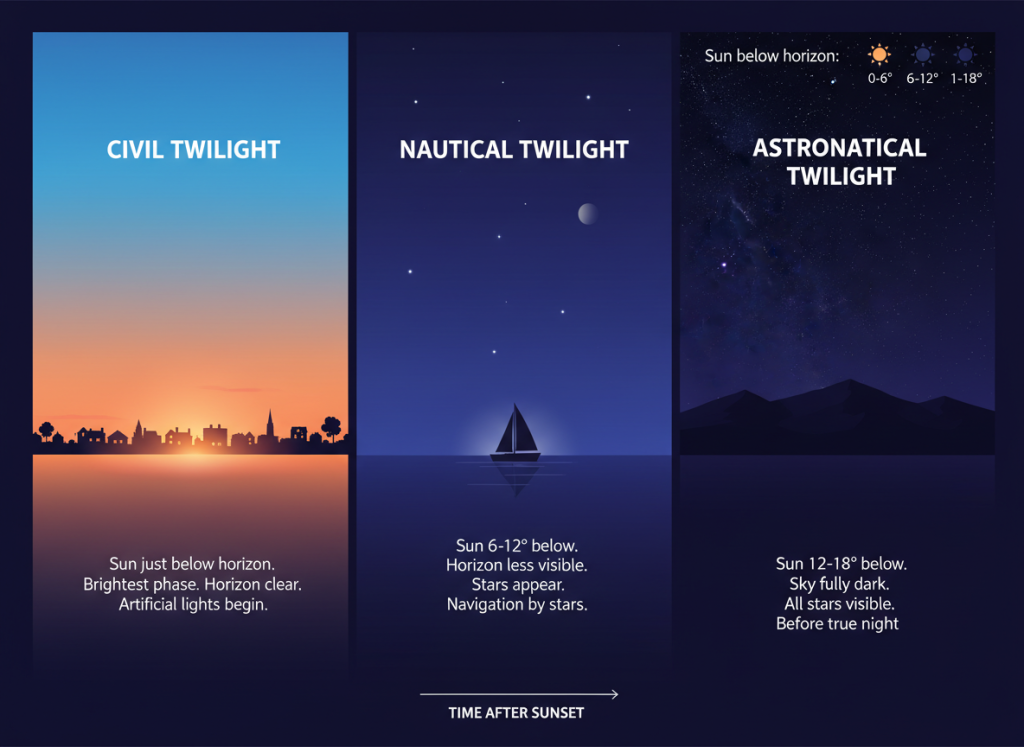
Sunset and darkness are not the same thing. Many people confuse these two distinct moments in the day.
Sunset marks the exact moment when the sun disappears below the horizon. However, the sky remains bright for a considerable time after this event.
The period between sunset and complete darkness is called twilight. During twilight, the sun sits below the horizon but still illuminates the atmosphere.
The Three Phases of Twilight
Scientists recognize three distinct twilight phases that occur after sunset:
- Civil twilight lasts about 30 minutes after sunset when enough light remains for outdoor activities
- Nautical twilight follows when the horizon becomes harder to see but stars begin appearing
- Astronomical twilight marks the final phase before complete darkness arrives
Most people consider it “getting dark” during civil twilight. This phase provides enough natural light for children to play safely outdoors.
When Does True Darkness Arrive?
Complete darkness occurs roughly 30 to 50 minutes after sunset. The exact time varies based on your latitude and the time of year.
During summer months, civil twilight extends longer than winter periods. This extended twilight means more playtime for campers during June and July.
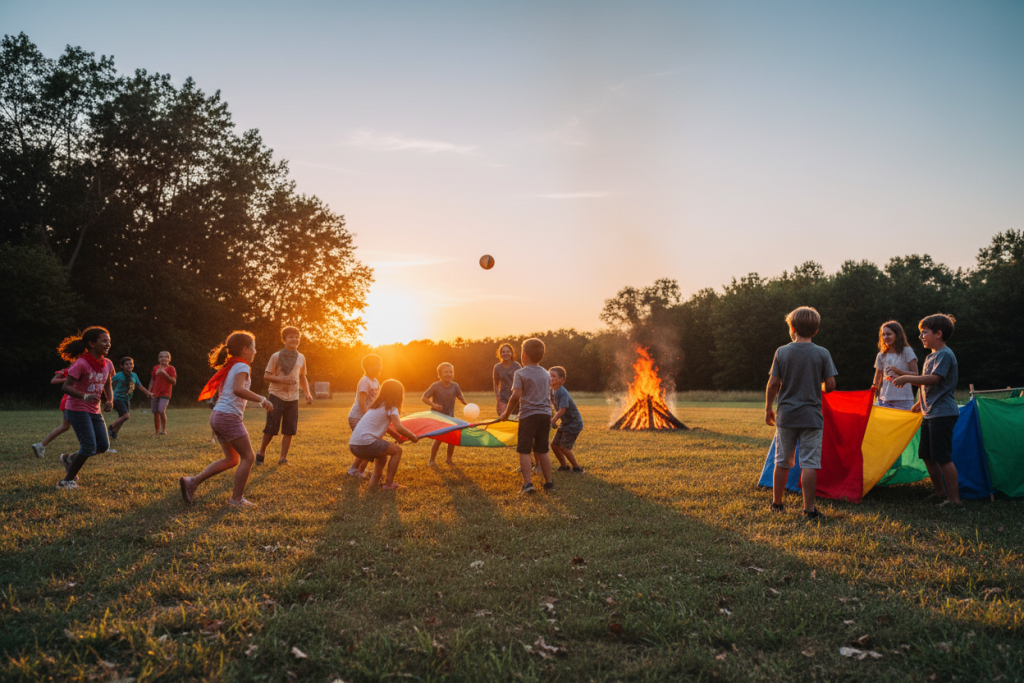
Camp New York schedules activities to take account refraction and atmospheric conditions. Our staff understands these natural light patterns and plans accordingly.
How Time of Year and Location Affect When It Gets Dark
The time darkness arrives changes dramatically throughout the year. These changes depend on Earth’s tilt and orbit around the sun.
Summer Darkness Times in America
Summer brings the longest days and latest darkness times. During June and July, it may start getting dark around 8:30 to 9:00 PM in many American locations.
This extended daylight provides excellent conditions for evening camp activities. Children enjoy outdoor games, campfires, and nature walks well into the evening hours.

The moon phases in April 2026 will also influence evening visibility. A full moon provides additional natural light for supervised night activities.
Winter Darkness Patterns
Winter months bring earlier darkness times. During December and January, it starts getting dark around 5:00 to 6:00 PM.
These shorter days mean adjusting activity schedules. Camp New York adapts programs seasonally to ensure safety during all operating periods.
- Winter programs include more indoor evening activities
- Outdoor time focuses on daylight hours
- Evening programs shift to well-lit indoor spaces
- Staff supervision increases during darker months
Daylight Saving Time Impact
Daylight saving time shifts darkness by one hour. When clocks spring forward in March, sunset occurs later in the evening.
This time adjusted DST applicable period extends from March through November. The change affects when families should plan pickup times and evening activities.
Spring Season
March through May brings gradually later sunset times as days lengthen.
- Sunset around 7:00-8:00 PM
- Civil twilight until 7:30-8:30 PM
- Comfortable evening temperatures
- Perfect for outdoor activities
Summer Peak
June and July offer maximum daylight with latest darkness times.
- Sunset around 8:30-9:00 PM
- Civil twilight until 9:00-9:30 PM
- Warm evening weather
- Extended outdoor program time
Fall Transition
August through October shows gradually earlier darkness arrival.
- Sunset around 6:30-7:30 PM
- Civil twilight until 7:00-8:00 PM
- Cooler evening conditions
- Beautiful autumn colors
Winter Schedule
November through February features earliest darkness times of the year.
- Sunset around 5:00-6:00 PM
- Civil twilight until 5:30-6:30 PM
- Cold evening temperatures
- Indoor activity focus
Approximate Times It Starts Getting Dark: Real Examples

Understanding specific times helps you plan better for your child’s camp experience. These examples show typical darkness patterns across different seasons.
Summer Evening Times (June-July)
During peak summer months in America, here is when it starts getting dark:
Sunset time: Approximately 8:15 to 8:45 PM
Civil twilight begins: Immediately after sunset
When it starts getting dark: Around 8:30 to 9:00 PM
Complete darkness: Between 9:00 and 9:30 PM
Parent Tip: Summer offers maximum outdoor time. Camp New York schedules evening activities like campfires and stargazing during these extended twilight hours when supervision is easiest and conditions are safest.
Winter Evening Times (December-January)
Winter brings much earlier darkness compared to summer months:
Sunset time: Approximately 4:45 to 5:15 PM
Civil twilight begins: Immediately after sunset
When it starts getting dark: Around 5:00 to 5:30 PM
Complete darkness: Between 5:30 and 6:00 PM
Winter Programs: Camp New York adapts schedules during winter sessions. Indoor activities replace outdoor evening programs, ensuring children remain comfortable and safe regardless of early darkness.
Spring and Fall Transition Periods
Spring and autumn represent middle-ground darkness times. These seasons offer balanced day and night periods.
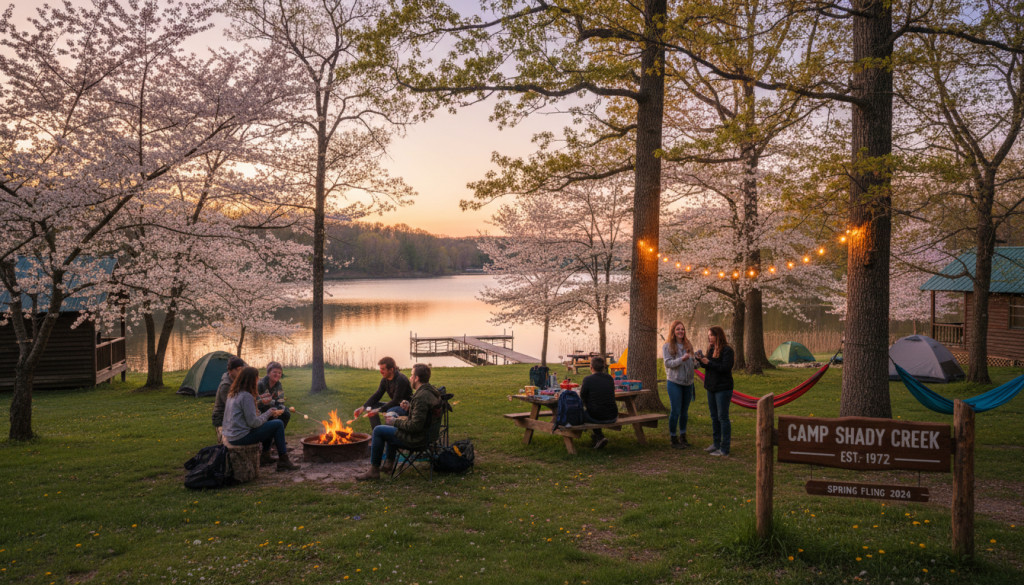
The night sky guide April 2026 shows excellent conditions for astronomy activities. April darkness arrives around 7:30 to 8:00 PM, perfect for stargazing programs.
- March-April: Darkness around 7:00-7:30 PM with moderate temperatures
- May: Darkness around 8:00-8:30 PM as summer approaches
- September: Darkness around 7:00-7:30 PM with comfortable weather
- October: Darkness around 6:30-7:00 PM with beautiful fall colors
These transition months provide ideal conditions for varied outdoor programs. The moderate darkness times allow flexibility in scheduling activities.
Regional Variations Across America
Darkness times vary significantly across different American regions. Northern locations experience more dramatic seasonal changes than southern areas.
Camp New York bases dates based gregorian calendar and adjusts all schedules for local sunset times. We monitor times local time adjusted DST applicable periods to ensure accurate planning.
How Camp New York Structures Evening Activities Around Darkness
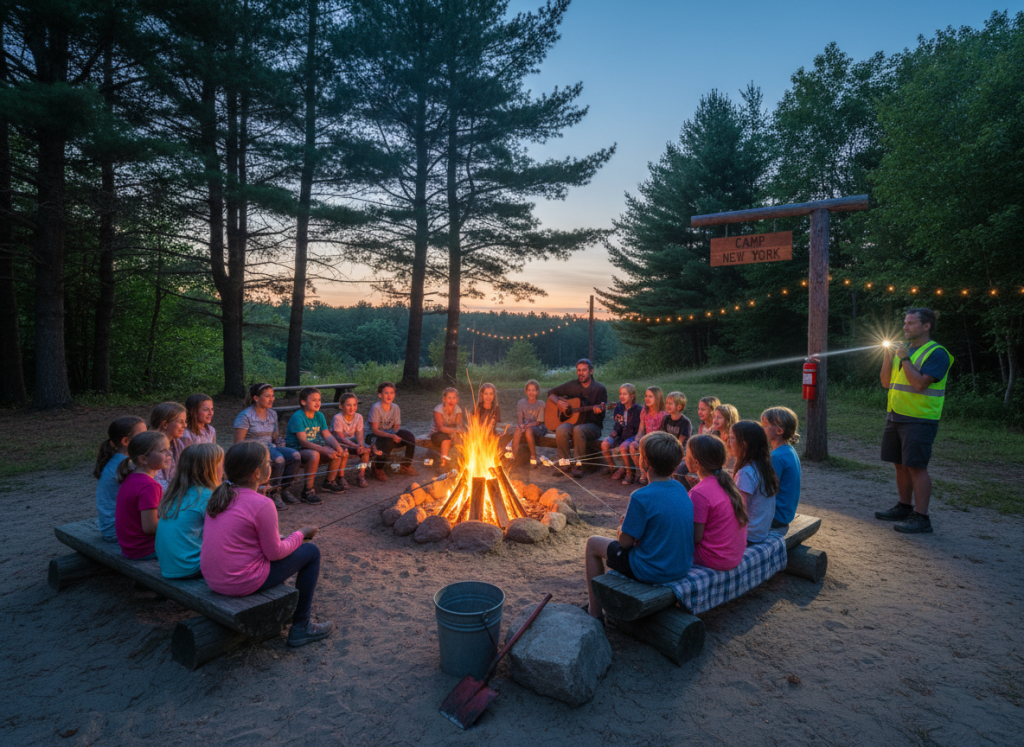
Parent safety concerns drive every decision about evening programming at Camp New York. Our structured approach ensures children enjoy darkness activities safely and comfortably.
Supervised Twilight Activities
We schedule most outdoor evening activities during civil twilight. This timing provides natural light while creating the magical atmosphere children love.
Popular twilight programs include campfire songs, storytelling circles, and gentle nature walks. Counselors maintain close supervision ratios during these activities.
- Campfire programs begin during late afternoon and continue into twilight
- Staff-to-camper ratios increase during evening activities
- Emergency lighting and flashlights are always readily available
- Clear boundaries define safe activity areas
- Weather conditions are monitored continuously
Nighttime Programming and Safety
Some special programs occur after complete darkness arrives. These activities receive extra planning and safety measures.

The discover phases moon April 2026 program represents our commitment to educational night activities. Children learn astronomy while counselors ensure complete safety.
Special night programs include stargazing sessions, including ghostly lunar glow observations, and controlled night hikes. Each activity follows strict safety protocols.
Evening Schedule Structure
Our typical summer evening schedule demonstrates careful darkness planning:
| Time | Activity | Light Conditions | Supervision Level |
| 6:00-7:00 PM | Dinner and free time | Full daylight | Standard ratios |
| 7:00-8:00 PM | Outdoor games and sports | Late afternoon light | Standard ratios |
| 8:00-8:45 PM | Campfire and songs | Sunset to twilight | Enhanced supervision |
| 8:45-9:15 PM | Evening reflection time | Deep twilight | Enhanced supervision |
| 9:15-9:30 PM | Cabin preparation | Near darkness | Maximum supervision |
| 9:30 PM | Lights out | Complete darkness | Overnight counselors |
This schedule adapts based on actual sunset times throughout the operating season. We never compromise safety for programming convenience.
Special Astronomical Events
Certain events create unique evening programming opportunities. The lyrid meteor shower and moon-planet meetups offer educational experiences.

When find venus pleiades near crescent moon events occur, we organize supervised viewing sessions. These programs combine education with the wonder of natural phenomena.
The night sky April 2026 promises excellent viewing conditions. Our astronomy program will feature the opposite harvest moon effect and other celestial highlights.
Lighting and Infrastructure
Physical camp infrastructure supports safe evening activities. Strategic lighting allows movement while preserving the natural night environment.
- Pathway lighting connects all cabins and activity areas
- Motion-sensor lights activate in high-traffic zones
- Emergency lighting systems provide backup power
- Each counselor carries professional flashlights
- Campers receive personal flashlights for cabin use
This balanced approach maintains camp atmosphere while ensuring nobody navigates dangerous darkness alone.
Questions About Evening Safety at Camp?
Our experienced team understands parent concerns about darkness and supervision. We are happy to discuss our evening programs, safety protocols, and how we adapt to seasonal daylight changes throughout the year.
Tips for Parents and Campers About Staying Safe Once It Starts Getting Dark

Parents can teach children important darkness safety habits before camp arrival. These skills complement our supervision and create confident, responsible campers.
Pre-Camp Preparation Tips
Preparing your child for evening activities builds independence and confidence. Simple conversations about darkness safety make significant differences.
Discuss Natural Darkness
Talk about how darkness is natural and safe when proper precautions exist. Explain that camp counselors plan specifically for evening safety.
Reduce anxiety by describing fun evening activities like campfires and stargazing. Frame darkness as opportunity rather than concern.
Practice Flashlight Use
Let children practice using flashlights at home before camp. Teach proper techniques for lighting pathways and conserving batteries.
Explain the buddy system and why staying together matters more after sunset. Role-play scenarios they might encounter during evening activities.
What Campers Should Know
Children who understand basic darkness safety contribute to overall camp security. We teach these principles during orientation.
- Always stay within designated camp boundaries, especially after dark
- Use the buddy system during any evening movement
- Carry your flashlight whenever moving between areas at night
- Report any safety concerns immediately to counselors
- Follow all counselor instructions regarding evening activities
- Know the location of emergency meeting points
- Understand that some activities have daylight-only restrictions
Parent Communication and Updates
We maintain regular communication about evening activities and schedules. Parents receive detailed information about when programs occur relative to sunset and darkness.

Weekly updates include actual sunset times and how programs adapt to day night conditions. This transparency helps families understand exactly what happens during evening hours.
Pickup and Transportation Considerations
Parents planning camp visits should consider darkness timing. End-of-session pickups often occur during varying light conditions depending on the season.
Summer session endings enjoy extended daylight. Winter or early spring sessions may conclude closer to darkness times.
Transportation Planning: Camp New York provides detailed arrival and departure schedules that account for seasonal sunset times. We coordinate transportation to ensure safe, well-lit conditions for all family reunions.
Emergency Protocols After Dark
Our comprehensive emergency plans include specific procedures for nighttime situations. Staff training emphasizes darkness-specific response protocols.
- Emergency lighting activates automatically during any alert
- Counselors know exact evacuation routes under all light conditions
- Communication systems function independently of camp power
- Medical staff remain on-site 24 hours with full equipment access
- Local emergency services maintain updated camp maps and protocols
These measures ensure that darkness never compromises emergency response capability or child safety.
Day Night Sky Guide April 2026: Special Evening Events

April 2026 brings exceptional opportunities for evening astronomy programs. Understanding these events helps families appreciate the educational value of darkness activities.
Key Astronomical Events in April 2026
The sky april 2026 discover phases offers multiple viewing opportunities. Our programs align with these natural events for maximum educational impact.
- New moon periods provide darkest skies for deep-space observation
- Full moon nights showcase lunar surface features and create natural lighting
- Planetary alignments allow observation of multiple worlds in one session
- Meteor showers peak during optimal viewing hours for camper schedules
The Lyrid Meteor Shower Experience
The lyrid meteor shower peaks in late April each year. This annual event provides reliable meteor viewing under proper darkness conditions.

Campers learn about meteor origins, shower timing, and observation techniques. The experience combines science education with the simple joy of watching shooting stars.
Proper darkness timing maximizes meteor visibility. We schedule viewing sessions between 10:00 PM and midnight when the radiant point rises highest.
Moon Phases and Lunar Observations
The phases moon April 2026 cycle provides ongoing educational opportunities. Each phase offers different observation possibilities and learning moments.
Crescent Moon Evenings
Early evening crescent moons appear near sunset. Children observe the ghostly lunar glow phenomenon when earthshine illuminates the dark portion.
These sessions occur during twilight, providing perfect lighting for both moon observation and camper safety.
Full Moon Activities
Full moon nights transform camp atmosphere. Natural lighting allows extended outdoor activities with reduced artificial light needs.
Traditional full moon games and reflection circles connect campers with natural cycles and create lasting memories.
Planetary Viewing Opportunities
When venus pleiades near crescent moon alignments occur, we organize special viewing sessions. These rare configurations create spectacular visual displays.
April 2026 discover phases includes several moon-planet meetups visible during early evening hours. Perfect timing allows observation before typical bedtime.
Educational Value: Astronomy programs teach navigation, seasonal cycles, and scientific observation skills. Children develop appreciation for natural phenomena while learning patience and careful observation techniques.
Understanding the Harvest Moon Effect
While the opposite harvest moon effect occurs in spring rather than fall, similar principles apply. The moon rises near sunset for several consecutive nights.
This pattern creates extended twilight viewing opportunities. Educational programs explain lunar orbital mechanics in accessible, engaging ways.
Times local time adjusted dst applicable considerations ensure scheduling aligns with actual darkness. We never rely solely on clock time but monitor actual sky conditions.
Frequently Asked Questions About Darkness at Camp
What time does it start getting dark at camp during summer?
During peak summer months (June-July), it typically starts getting dark around 8:30 to 9:00 PM at Camp New York. Sunset occurs around 8:15-8:45 PM, followed by civil twilight that provides comfortable light for outdoor activities.
This extended daylight allows for evening programs like campfires, outdoor games, and stargazing that children love. Our schedule adapts to actual sunset times rather than fixed clock hours.
Does it get dark earlier in the winter at camp?
Yes, winter months bring significantly earlier darkness. During December and January, it starts getting dark around 5:00 to 5:30 PM, immediately following sunset at approximately 4:45-5:15 PM.
Camp New York adjusts programming for winter sessions by focusing on indoor evening activities and completing outdoor programs during daylight hours. Safety and comfort remain priorities regardless of season.
How late can campers be outside in the dark?
Supervised outdoor activities may continue into early darkness hours during special programs like astronomy nights or campfire events. These activities typically conclude by 9:30-10:00 PM during summer.
All outdoor evening activities feature enhanced counselor supervision, proper lighting, and clear safety boundaries. Regular bedtime routines begin around 9:00-9:30 PM, with lights out shortly after regardless of darkness level.
Do camp counsellors watch campers closely once it starts getting dark?
Absolutely. Supervision ratios increase during evening hours and darkness periods. Counselors receive specific training for evening activity management and darkness safety protocols.
Each outdoor evening activity includes designated counselors who maintain visual contact with all participants. Pathway lighting, emergency systems, and communication devices ensure comprehensive safety coverage throughout camp grounds.
Parents can feel confident that darkness actually triggers increased supervision rather than reduced attention. Our protocols recognize that evening hours require enhanced, not standard, supervision measures.
What happens if a child feels scared of the dark at camp?
Counselors receive training in supporting children with darkness anxiety. We create gentle, supportive environments that help children feel safe during evening hours.
Cabin nightlights, buddy systems, and counselor presence address most concerns. Children who need extra support receive individualized attention without embarrassment or pressure.
How does Camp New York handle emergency situations after dark?
Comprehensive emergency protocols include specific procedures for nighttime situations. Emergency lighting systems activate automatically, illuminating all pathways and gathering areas.
Staff conduct regular darkness drills to ensure confident response capabilities. Medical personnel remain on-site 24 hours with full equipment access and communication systems independent of camp power.
Can parents visit during evening activities to see darkness safety measures?
We welcome parent visits and offer orientation sessions that include evening facility tours. These visits allow families to observe supervision protocols, lighting systems, and evening programming firsthand.
Seeing our darkness safety measures in action provides reassurance that exceeds any written description. Contact our team to schedule a visit that includes evening observation opportunities.
Planning Confidently Around Darkness Times
Understanding what time do it start getting dark helps families feel confident about camp safety and programming. Darkness timing varies by season, but Camp New York consistently adapts schedules to ensure safe, enjoyable experiences.
Summer evenings provide extended twilight perfect for outdoor activities. Winter sessions focus programming during daylight hours while maintaining engaging evening options indoors.
Our comprehensive approach to darkness safety includes enhanced supervision, strategic lighting, staff training, and clear communication with families. Parents can trust that evening activities receive the same careful planning as daytime programs.
The natural wonder of darkness offers unique educational opportunities. Astronomy programs, campfire traditions, and nighttime nature appreciation create memories children treasure for life.
Every decision about when activities occur considers actual sunset and darkness times. We never compromise safety for scheduling convenience or programmatic preference.
Families sending children from the United Kingdom can feel assured that American darkness patterns are thoroughly understood and managed by our experienced team. Cultural differences in daylight hours and camp traditions are respected and explained clearly.
Ready to Learn More About Camp New York?
We understand that choosing a camp for your child involves careful consideration of safety, programming, and how we handle every aspect of the camp day including evening activities and darkness management. Our team is ready to answer your specific questions and provide detailed information about our approach to evening supervision and seasonal schedule adaptations.
Camp New York remains committed to transparency, safety, and creating magical experiences for every child. Understanding darkness patterns and planning accordingly represents just one aspect of our comprehensive approach to camp excellence.
Whether you have questions about what time does it get dark today, seasonal variations, or how we structure evening programs around natural light cycles, our team provides clear answers and detailed information. We invite you to contact us and discover why families trust Camp New York with their children’s summer experiences year after year.