

Reason for Applying for a Job
When you sit down to apply for any position, one question always appears. Employers want to know your reason for applying for a job. This is not about listing skills or repeating your resume. It’s about showing why this specific role matters to you.
Your answer reveals your motivation. It shows whether you researched the company. It demonstrates that you understand what the role involves. A strong reason connects your values, your experience, and your goals to what the employer offers.
Many applicants struggle here. They write generic statements that could apply to any company. They focus only on what they will gain. Or they simply say they need work. These answers do not stand out.
This guide will help you craft a compelling answer. You will learn what employers look for when they ask this question. You will see examples of strong reasons for applying for a job. You will discover how to avoid weak responses. And you will understand why roles like those at Camp New York can be particularly meaningful to mention in your application.
Why Employers Ask for a Reason for Applying for a Job

Hiring managers do not ask this question to fill time. They want specific information. Understanding their purpose helps you answer effectively.
They Want to Check Your Motivation
Employers want to know what drives you. Are you genuinely interested in this work? Or are you just looking for any position? Candidates who show real interest tend to stay longer. They contribute more. They fit better within the team.
Your motivation tells them whether you will be committed. It shows whether you will bring enthusiasm to the role. These qualities matter as much as technical skills in many positions.
They Assess Your Fit with the Company Culture
Every organization has values. Some prioritize innovation. Others focus on community service. Some emphasize teamwork and outdoor activities, like Camp New York does with its programs for young people.
When you explain your reason for applying for a job, you reveal your own values. Employers compare these to their company mission. They look for alignment. A good fit means you will enjoy the work environment. You will connect with your colleagues. You will support the organization’s goals naturally.
They Evaluate Your Research and Preparation
A strong answer shows you did your homework. You know what the company does. You understand the role requirements. You can explain how your background matches what they need.
This demonstrates professionalism. It shows respect for the employer’s time. It proves you are serious about the opportunity. Candidates who research thoroughly are more likely to succeed in the position.
They Distinguish Between Candidates
Many applicants have similar qualifications on paper. Years of experience, relevant skills, and educational background may look comparable. Your reason for applying for a job helps you stand out.
It gives employers a glimpse of who you are beyond the resume. It shows your personality. It reveals what you care about. This personal connection can be the deciding factor between two equally qualified candidates.
Camp New York Values Authenticity: At Camp New York, we look for people who genuinely care about working with young people and creating positive experiences. We value team members who are excited about outdoor activities, community building, and making a real difference in campers’ lives. When you apply, share what truly motivates you about camp work. Learn more about our culture and values.
What Makes a Good Reason for Applying for a Job

A compelling answer combines several elements. It is specific, honest, and relevant. Here is what employers want to see when you answer the question about why you are applying for this job.
Alignment with Your Career Goals
Your reason should connect to where you want to go professionally. Explain how this position fits into your career path. Show that you have thought about your development.
For example, if you want to develop leadership skills, explain how the role offers that opportunity. If you aim to work in a specific industry, mention why this company is a good entry point. This shows you are intentional about your choices.
Connection to Your Values
Think about what matters to you in work. Do you value helping others? Do you prefer collaborative environments? Do you care about environmental sustainability? Do you want to make a difference in young people’s lives?
When your personal values match the company mission, say so. This creates a natural fit. It shows you will be engaged and motivated. Employers appreciate candidates who share their commitment to specific causes or approaches.
Relevant Skills and Experience
Your reason for applying for a job should reference your background. Explain how your skills experience match what the role requires. Give specific examples when possible.
If you have worked with similar populations before, mention that. If you have a track record in related projects, bring it up. This demonstrates you can contribute from day one. It shows you understand what the position involves.
Genuine Interest in the Organization
Generic statements do not work. Employers can tell when you have copied the same reason for every application. Instead, mention something specific about the company.
This could be their reputation in the industry. It could be a particular project they completed. It might be their approach to customer service or employee development. For organizations like Camp New York, it could be their commitment to outdoor education and creating supportive environments for campers.
Specific details show you chose this employer intentionally. They prove you did research. They make your application memorable.
Enthusiasm and Passion
Your tone matters. Employers want to hire people who are excited about the opportunity. Let your genuine interest come through in your writing or speaking.
This does not mean being overly emotional. It means showing authentic passion for the work. Explain what excites you about the role. Describe what you find meaningful about the mission. This energy is contagious and makes you a more attractive candidate.
Strong Reasons Include
- Specific references to the company or role
- Connection between your skills and job requirements
- Alignment with your career goals
- Mention of company values or mission
- Authentic enthusiasm for the work
- Examples from your background
Weak Reasons to Avoid
- Generic statements that fit any job
- Focus only on salary or benefits
- Mention only of company reputation
- Vague references without specifics
- Desperation or just needing any work
- No connection to your background
Examples of Strong Reasons for Applying for a Job

Seeing concrete examples helps you understand what works. Here are sample statements that effectively answer the question. These examples show different approaches for various types of positions.
Example 1: Focus on Working with Young People
“I am applying for this position because I am passionate about working with young people during important developmental stages. In my previous role as a youth mentor, I saw how positive adult relationships can shape confidence and growth. This position offers the opportunity to create meaningful experiences for campers while developing my skills in program leadership and outdoor education. I am particularly drawn to how your organization prioritizes creating a supportive, inclusive environment where every young person can thrive.”
This example shows specific interest in the target population. It references past experience. It mentions what the candidate hopes to develop. It also acknowledges the organization’s values.
Example 2: Emphasis on Outdoor Activities and Environment
“I am excited about this role because it combines two of my strongest interests: outdoor recreation and education. I grew up participating in similar programs and saw firsthand how time in nature builds confidence, teamwork, and resilience. As someone with certifications in wilderness first aid and experience leading hiking groups, I can contribute immediately to your outdoor programming. I am motivated by the opportunity to help others discover the same joy and growth I found in outdoor activities.”
This candidate connects personal history to the role. They mention relevant certifications. They show understanding of the program’s impact. The enthusiasm for outdoor work is clear and genuine.
Example 3: Alignment with Teamwork and Community
“I am applying because this position aligns perfectly with my values around collaboration and community building. Throughout my career, I have sought roles where I can work closely with a team toward shared goals. I appreciate that your organization emphasizes staff development, mutual support, and creating positive experiences together. My background in coordinating group projects and facilitating team activities has prepared me to contribute to this collaborative culture while continuing to grow as a leader.”
This example focuses on cultural fit. It shows the candidate values the same things the organization does. It demonstrates relevant experience in teamwork settings.
Example 4: Career Development and Skill Building
“This position represents an important step in my career path toward youth development work. I am specifically interested in gaining hands-on experience with program design, behavior management, and creating engaging activities for diverse groups. Your organization’s reputation for comprehensive staff training and mentorship makes this an ideal opportunity to build these skills in a supportive environment. I am committed to investing fully in this role and learning from experienced colleagues.”
This candidate shows intentionality about career development. They mention specific skills they want to build. They acknowledge the organization’s training offerings. The commitment to growth and learning comes through clearly.
Example 5: Mission Alignment
“I am drawn to this role because of your organization’s commitment to accessibility and inclusion. Having worked with diverse populations in previous positions, I have seen how important it is to create environments where everyone feels welcomed and valued. Your mission to provide enriching experiences for young people regardless of background resonates deeply with me. I want to contribute my skills in adaptive programming and relationship building to help further this mission.”
This example centers on shared values. It shows the candidate researched the organization’s mission. It offers specific ways the candidate can contribute.

Example 6: Camp-Specific Application
“I am applying to Camp New York because I believe in the transformative power of the camp experience. As a former camper myself, I understand how a summer at camp can build confidence, create lasting friendships, and teach valuable life skills. I want to be part of creating that experience for others. My background in arts and crafts instruction, combined with my enthusiasm for outdoor activities and working with children, makes me well-suited to contribute to your programs. I am excited about the opportunity to join a community that values creativity, growth, and making a positive impact on young people’s lives.”
This camp-focused example includes personal connection to the camp experience. It mentions specific skills relevant to camp programs. It shows understanding of camp culture and values. The enthusiasm is authentic and specific to this type of work.
Reasons for Applying to Camp New York Specifically

If you are considering a position at Camp New York, you have specific compelling reasons to mention in your application. Understanding what makes camp work meaningful helps you articulate your motivation effectively.
Creating Impact in Young People’s Lives
Camp New York focuses on providing enriching experiences for campers during formative years. If you value making a direct difference in children’s development, this is a powerful reason for applying for a job here.
Camp counselors and staff witness growth every day. They see shy children become confident. They watch friendships form across different backgrounds. They help campers discover new interests and abilities. This immediate, visible impact is deeply rewarding for many team members.
In your application, you might explain your commitment to youth development. You could mention experiences you have had working with young people. You might describe what you find meaningful about supporting children during important developmental stages.
Immersive Outdoor Experience
Camp New York offers extensive outdoor programming. If you love nature and outdoor activities, this environment is ideal. You spend your work time hiking, swimming, doing activities around campfires, and exploring natural settings.
This appeals to candidates who feel confined in traditional office environments. It suits people who believe in the benefits of outdoor education. It attracts those who want to share their passion for nature with others.
Your reason for applying for a job at Camp New York might emphasize your outdoor skills. You could mention certifications in outdoor recreation. You might explain how your own experiences in nature shaped you. You could describe your belief in outdoor education’s value.
Living and Working in Community
Camp work is unique because you live where you work. You become part of a close community of staff members. You collaborate constantly. You support each other. You build strong relationships.
This community aspect attracts people who value teamwork and connection. It appeals to those who want to be part of something larger than themselves. It suits candidates who thrive in collaborative environments.
In your application, highlight your appreciation for team-based work. Mention experiences where you lived or worked closely with others. Explain what you value about supportive communities. Describe how you contribute to positive group dynamics.
Skill Development and Leadership Opportunities
Camp positions offer substantial opportunities for growth. You develop leadership skills by managing groups. You learn conflict resolution through daily interactions. You gain experience in program planning and implementation. You build communication abilities by working with diverse populations.
These skills transfer to many career paths. They are valuable in education, social work, recreation, management, and numerous other fields. Camp New York provides training and mentorship to help staff members grow.
Your reason for applying for a job might focus on these development opportunities. Explain which skills you want to build. Describe how camp work fits into your career goals. Mention your commitment to continuous learning and growth.
Cultural Exchange and Diversity
Camp New York brings together staff and campers from various backgrounds. This creates a rich cultural environment. You learn from people with different perspectives. You develop cultural competency. You build friendships across differences.
For international applicants, camp work offers immersion in American culture. For domestic applicants, it provides exposure to diverse perspectives. This multicultural environment is a significant draw for many candidates.
In your application, you might mention your interest in cultural exchange. Explain what you hope to learn from diverse colleagues. Describe experiences you have had in multicultural settings. Show your commitment to inclusion and understanding.
Summer of Purpose and Adventure
A camp job is not just work. It is an experience. You spend your summer in a beautiful setting. You create memories. You challenge yourself. You have fun while making a difference.
Many people seek this combination of purpose and adventure. They want meaningful work that also feels exciting. Camp New York offers both.
Your reason for applying for a job might acknowledge this unique opportunity. Explain what appeals to you about the camp experience. Describe how you balance work and enjoyment. Show your enthusiasm for this type of role.
Ready to Join the Camp New York Team?
If these reasons resonate with you, we would love to hear your story. Camp New York seeks passionate individuals who care about young people, enjoy the outdoors, and value community. Explore our available positions and discover how you can make a difference this summer while gaining valuable skills and experiences.
How to Write Your Own Reason for Applying for a Job

Now that you understand what makes a strong answer, follow this process to craft your own. This checklist will guide you through developing a compelling personal statement for your application.
Research the Organization Thoroughly
Start by learning about the employer. Visit their website. Read their mission statement and values. Look at their programs or services. Check their social media. Read news articles about them if available.
For Camp New York, explore what makes the camp unique. Learn about the types of activities offered. Understand the camp’s philosophy. Note any special programs or focus areas. This research gives you specific details to reference.
Take notes on what stands out to you. What aspects of the organization align with your interests? What excites you? These observations will form the foundation of your answer.
Analyze the Job Description
Read the position description carefully. Identify the key responsibilities. Note the required qualifications. Pay attention to desired qualities or characteristics mentioned.
Think about how your background matches these requirements. Which of your experiences are most relevant? What skills do you have that the role needs? Where do you see opportunities to contribute?
This analysis helps you explain why you are a good fit. It shows you understand what the position involves. It demonstrates that you can meet the role’s demands.
Reflect on Your Motivations
Ask yourself honest questions. Why does this particular job appeal to you? What about it excites you? How does it connect to your values or interests? What do you hope to gain or achieve?
Be genuine in this reflection. Employers can detect insincere answers. Your authentic motivation will be more compelling than what you think they want to hear.
Consider both professional and personal motivations. Maybe you want to develop specific skills. Perhaps you care deeply about the mission. You might be drawn to the work environment or culture. All of these are valid reasons.
Connect Your Experience to the Role
Identify specific examples from your background that relate to the position. Think about previous jobs, volunteer work, education, or personal experiences.
For a camp position, relevant experience might include working with children, leading outdoor activities, teaching, coaching, or participating in camps yourself. Even if your background is not directly related, you can often find transferable skills.
Choose one or two examples that best demonstrate your fit. Be ready to explain how these experiences prepared you for this role.
Draft Your Statement
Write your reason for applying for a job using the elements you have gathered. Start with what draws you to the organization specifically. Then explain how your background makes you a good fit. Conclude with what you hope to contribute or achieve.
Keep it concise. For a cover letter, one strong paragraph often suffices. For an interview answer, aim for one to two minutes when spoken.
Use specific details rather than generic statements. Mention the organization by name. Reference particular programs or values. Give concrete examples from your experience.
Refine and Polish
Review your draft. Check that you have included specific information about the organization. Verify that you explained your relevant background. Ensure your enthusiasm comes through.
Remove any generic phrases that could apply to any employer. Eliminate unnecessary words. Make sure every sentence adds value.
Ask someone else to read it if possible. They can tell you if it sounds genuine and compelling. They might catch details you missed.
Step 1: Research
Learn about the company mission, values, programs, and culture.
- Visit the official website
- Read the mission statement
- Review programs and services
- Check social media presence
Step 2: Analyze
Study the job description and identify key requirements and responsibilities.
- Note required qualifications
- Identify main responsibilities
- Highlight desired qualities
- Match your skills to needs
Step 3: Reflect
Consider your genuine motivations and what draws you to this specific opportunity.
- Identify your core values
- Consider career goals
- Recognize authentic interests
- Think about desired impact
Step 4: Write
Draft a specific, honest statement connecting your background to the role.
- Start with specific interest
- Include relevant examples
- Show enthusiasm naturally
- Keep it concise and clear
Common Weak Reasons to Avoid When Applying

Understanding what not to say is as important as knowing what to include. Here are common mistakes that weaken your application and how to avoid them.
Generic Statements That Fit Any Company
Avoid phrases like “I am applying because your company has a great reputation” or “This is a great opportunity.” These statements could apply to hundreds of employers. They show no specific interest.
Instead, mention what specifically appeals to you about this organization. Reference particular programs, values, or approaches that distinguish them. Show you chose this employer intentionally.
Focusing Only on What You Will Get
Some candidates emphasize only their own benefits. They talk about salary, advancement opportunities, or adding experience to their resume. While these motivations are understandable, they should not be your primary focus.
Employers want to know what you will contribute. Balance any mention of personal gain with what you offer. Show how the arrangement benefits both parties.
Mentioning Only Location or Convenience
Saying “I am applying because the position is close to my home” or “The schedule fits my availability” is weak. These practical considerations matter to you, but they do not show interest in the work itself.
If location is genuinely part of your motivation, frame it differently. Perhaps you want to contribute to your local community. Maybe you have connections to the area that make the work more meaningful. Find a way to make even practical considerations sound thoughtful.
Desperate or Negative Framing
Never say you are applying because you need any job. Do not mention financial desperation. Avoid criticizing your current or former employer as your reason for leaving.
Even if these things are true, they do not help your application. Frame your motivation positively. Focus on what attracts you to this opportunity, not what you are escaping.
Vague References Without Examples
Statements like “I am passionate about this field” sound empty without supporting details. Claims that you are “hard-working” or “dedicated” mean little without evidence.
Support general statements with specific examples. Describe experiences that demonstrate your passion. Explain situations where you showed dedication. Concrete details make your claims credible.
Overemphasis on Prestige or Brand Name
Some candidates focus heavily on the employer’s reputation or prestige. While it is fine to mention this, it should not be your main reason. It suggests you care more about the name than the work itself.
Combine any mention of reputation with substantive reasons. Explain what the organization does that justifies its good reputation. Show you understand and value their actual work.
Frequently Asked Questions About Reasons for Applying

What is a good reason for applying for a job?
A good reason for applying for a job combines several elements. It shows genuine interest in the specific organization and role. It connects your skills and experience to the position requirements. It demonstrates alignment between your values and the company mission. It explains how the role fits into your career goals or personal development. Most importantly, it is honest and specific rather than generic. For example, a strong reason might explain your passion for working with young people, your relevant experience, and how Camp New York’s approach to outdoor education aligns with your belief in experiential learning.
Should I mention salary or benefits in my reason for applying?
Generally, no. While compensation is a practical consideration, it should not be your stated primary motivation. Employers want to hire people who are interested in the work itself. Focusing on salary suggests you would leave for a better-paying opportunity elsewhere. Instead, emphasize what draws you to the mission, the role, and the team. If compensation comes up during the interview process, it is appropriate to discuss then. But in your initial application or when answering why you want the position, focus on professional and mission-driven reasons.
How long should my reason for applying be?
The length depends on the format. In a cover letter, one strong paragraph of four to six sentences usually works well. In an interview, aim for a response that takes one to two minutes to deliver. The key is being concise while including specific details. You want to mention the organization by name, reference something specific about them, connect to your background, and show enthusiasm. Quality matters more than length. A focused, specific answer of moderate length is more effective than a long, rambling explanation.
Can I use the same reason for every job application?
No, you should not use identical reasons for different applications. Each employer wants to know why you chose them specifically. Generic reasons that could apply anywhere suggest you are not genuinely interested. That said, you might have common themes across applications. For instance, if you are applying to multiple youth organizations, your passion for working with young people remains constant. But you should customize how you express this. Mention specific details about each organization. Reference particular programs they offer. Show you researched and chose each employer intentionally.
What if I am changing careers and lack direct experience?
Focus on transferable skills and authentic motivation. Explain what draws you to this new field or role. Describe skills from your previous experience that apply to the new position. For example, if you are transitioning to camp work from a corporate background, you might emphasize your leadership experience, project management skills, and desire for more meaningful work with direct impact. Highlight any volunteer work, hobbies, or personal experiences that relate to the new field. Your genuine enthusiasm for the change can be a strength. Just be honest about why you are making the transition and what you hope to contribute.
Should my reason for applying differ between a cover letter and interview?
Your core reason should remain consistent, but the depth and presentation may vary. In a cover letter, you have space to develop your explanation more fully. You can include multiple examples and details. In an interview, you need to deliver your answer more concisely and conversationally. The interview also allows for follow-up questions, so you can expand on certain points as needed. The key is maintaining authenticity in both settings. Do not contradict yourself or present entirely different motivations. Your reason for applying for a job should be truthful enough to remain consistent across all interactions.
How do I balance being honest about needing work with showing genuine interest?
Most people need employment for financial reasons, but that should not be your emphasized motivation. Frame your answer around what genuinely interests you about the specific role, even if practical needs also factor in. For example, you might need summer work, but you can still authentically explain why you chose to apply to Camp New York specifically rather than other summer positions. Perhaps you value outdoor work, want to develop leadership skills, or care about creating positive experiences for young people. These genuine interests can coexist with practical needs. Lead with the meaningful motivations while acknowledging to yourself that practical considerations also play a role.
What if the main reason I am applying is the work schedule or flexibility?
If schedule flexibility genuinely matters to you, frame it in terms of how it enables you to do your best work. For example, instead of saying “I need a flexible schedule,” you might explain “I am drawn to positions that allow for focused project work and creative problem-solving, which this role’s structure supports.” If you are applying to camp work partly because it fits your academic schedule, you can acknowledge this while emphasizing other motivations. You might say you are seeking meaningful summer work that allows you to contribute to youth development while building relevant skills for your career in education. The key is making the schedule aspect one component among several reasons, not your sole motivation.
Apply with Confidence and Authenticity
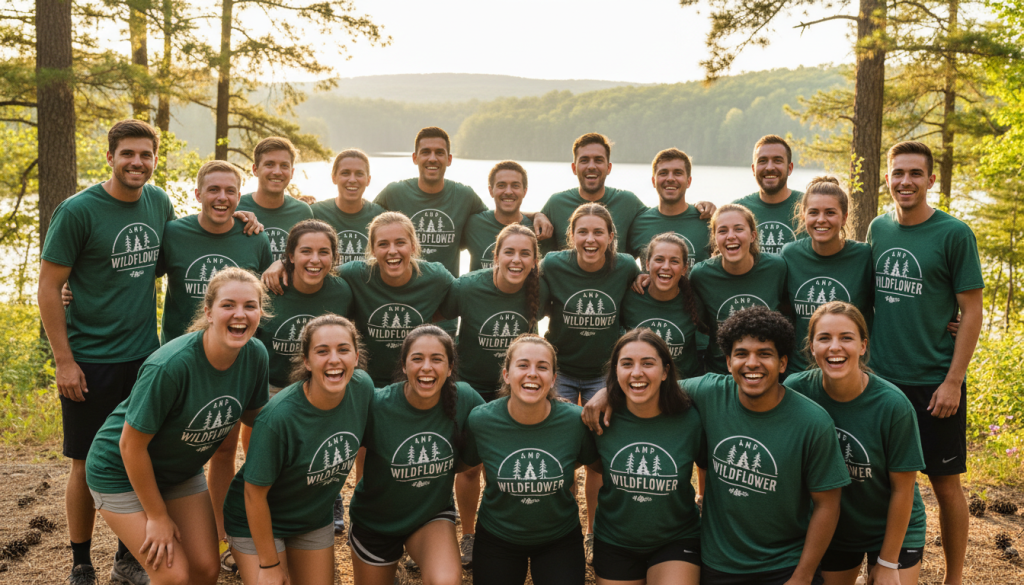
Your reason for applying for a job is more than a formality. It is your opportunity to show who you are beyond your resume. It allows you to explain what motivates you and why you chose this particular employer.
A strong answer requires honesty, specificity, and research. Take time to understand the organization. Reflect on your genuine motivations. Connect your background to what the role requires. Show enthusiasm for the work itself.
Avoid generic statements that could apply anywhere. Do not focus only on what you will gain. Instead, demonstrate what you will contribute. Explain how your values align with the company culture and mission.
If you are considering camp work, particularly at organizations like Camp New York, you have compelling reasons to articulate. The opportunity to impact young lives, work outdoors, build community, and develop valuable skills creates a meaningful summer experience. These are authentic, strong reasons for applying for a job in this field.
Remember that employers want to find the right fit as much as you do. When you clearly communicate why you want this specific position, you help them understand how you will contribute. You make their decision easier.
Take the time to craft a thoughtful answer. Use the examples and checklist provided in this guide. Personalize your response to reflect your own story and interests. Let your genuine enthusiasm come through.
With a clear, honest reason for applying for a job, you present yourself as a motivated, prepared candidate who chose this opportunity intentionally. This sets you apart and positions you for success in the hiring process.
Start Your Journey with Camp New York
Now that you understand how to express your motivation effectively, we encourage you to apply to Camp New York. Share your genuine passion for working with young people, your love of the outdoors, and your commitment to creating positive experiences. We value authentic applicants who care about our mission and want to grow with our community. Your summer of purpose and adventure awaits.