

Choosing the right summer camp for your teenager transforms ordinary vacation time into an experience that builds confidence and independence. Why New York is the best city and state-based summer camp destination comes down to one powerful truth. No other location combines world-class museums, diverse cultural experiences, outdoor adventures, and structured personal growth opportunities in one unforgettable package.
Parents searching for meaningful summer experiences face a common challenge. Traditional rural camps offer nature and activities. City programs provide cultural exposure. New York delivers both worlds seamlessly.
Your teen deserves a summer that prepares them for real life. They need experiences that teach navigation, cultural awareness, and independence. Camp New York creates this transformative environment where teenagers thrive.
New York City: A World-Class Urban Classroom for Summer Camp Experience
New York City functions as the ultimate educational playground for teens. The city offers more learning opportunities in one week than most summer camps provide all season. Every street corner teaches lessons that textbooks cannot capture.
Museums and Cultural Institutions That Inspire Young Minds

The Metropolitan Museum of Art houses over two million works spanning 5,000 years. Teens explore ancient civilizations one floor and modern art the next. The American Museum of Natural History brings science to life through interactive exhibits. Kids discover space exploration at the planetarium and marine life at the aquarium displays.
The Museum of Modern Art showcases contemporary creativity. Teens examine works by Picasso, Warhol, and emerging artists. These experiences spark conversations about expression and innovation. The 9/11 Memorial Museum teaches powerful lessons about resilience and community.
Every museum visit connects to broader camp activities. Art workshops follow gallery tours. Science experiments expand on natural history exhibits. This integrated learning makes education feel effortless and exciting.
Theater, Performance, and Arts Scene Access

Broadway represents theatrical excellence that no other city matches. Teens attend matinee performances of world-famous shows. They see professional actors, elaborate sets, and storytelling at its finest. Off-Broadway theaters offer intimate performances that inspire creativity.
Lincoln Center provides access to opera, ballet, and orchestra performances. Teens experience cultural arts that broaden their artistic understanding. Street performers in Washington Square Park demonstrate raw talent and entrepreneurial spirit. Every performance teaches different lessons about dedication and craft.
Camp New York arranges backstage tours and actor meet-and-greets. Kids learn about theater production, costume design, and stage management. These behind-the-scenes experiences make arts careers tangible and achievable.
Public Transportation as a Life Skill Builder
The New York subway system carries over 5 million passengers daily. Learning to navigate this network builds critical thinking and independence. Teens master reading maps, planning routes, and adapting when plans change. These skills transfer directly to college and career success.
Supervised transportation practice starts with short trips between familiar locations. Counselors teach safety protocols and situational awareness. Campers gradually take on more responsibility as confidence grows. By session end, teens navigate the city with remarkable competence.
Public transit exposes kids to diverse New Yorkers from every background. They learn subway etiquette and urban courtesy. These social skills prove invaluable in our interconnected world. Transportation becomes education rather than simple logistics.
Culinary Diversity and Food Culture Education

New York hosts cuisine from every corner of the globe. Chinatown offers authentic dim sum and hand-pulled noodles. Little Italy serves traditional pasta and cannoli. Korean BBQ in Flushing introduces new flavors and dining customs. This culinary diversity expands palates and cultural understanding.
Food markets like Chelsea Market and Smorgasburg teach kids about artisanal food production. Teens sample craft chocolate, fresh bread, and organic produce. They learn where food comes from and appreciate culinary craftsmanship. These experiences promote healthier eating habits and food literacy.
Camp programs include cooking workshops with local chefs. Kids prepare dishes from different cultures while learning about ingredients and techniques. Food becomes a bridge for discussing immigration, tradition, and innovation. Every meal offers learning opportunities.
Parks and Green Spaces Within the Urban Environment

Central Park spans 843 acres of designed landscapes in Manhattan’s heart. Teens enjoy picnics, sports, and nature walks without leaving the city. The park features baseball fields, tennis courts, and open meadows for games. Belvedere Castle offers panoramic views and architectural history lessons.
The High Line transforms abandoned railway tracks into elevated gardens. This linear park demonstrates urban renewal and sustainable design. Kids walk through diverse plantings while viewing art installations. The project inspires discussions about city planning and community transformation.
Brooklyn Bridge Park provides waterfront access with stunning skyline views. Teens kayak on the East River and play volleyball on beach courts. Prospect Park offers 526 acres of forests, meadows, and a lake. These green spaces prove that city life includes abundant nature and outdoor activities.
New York State: Nature, Adventure, and Outdoor Space Beyond the City
New York State extends far beyond Manhattan’s skyscrapers. The state encompasses mountains, lakes, forests, and wilderness areas. Summer camp programs combine city experiences with genuine outdoor adventures. This balance creates the complete summer camp experience families seek.
Adirondack and Catskill Mountain Escapes

The Adirondack Park covers six million acres of mountains and wilderness. Teens hike peaks offering breathtaking views of endless forests. They learn trail navigation, wilderness safety, and Leave No Trace principles. These mountain experiences build physical endurance and mental toughness.
The Catskill Mountains sit just two hours from New York City. Weekend trips take campers to waterfalls, swimming holes, and scenic overlooks. Kids develop appreciation for conservation and natural beauty. They understand why protecting these spaces matters for future generations.
Mountain excursions include camping under stars and cooking over campfires. Teens learn outdoor skills that traditional city programs cannot provide. They face challenges that build problem-solving abilities and teamwork. These wilderness experiences complement urban learning perfectly.
Lakes, Rivers, and Water-Based Activities

The Finger Lakes region features eleven glacial lakes perfect for water activities. Teens swim in crystal-clear water surrounded by vineyards and rolling hills. Lake George offers 32 miles of pristine shoreline for exploration. These water bodies provide endless summer fun and learning opportunities.
Kayaking and canoeing teach water safety and paddle techniques. Kids navigate rivers while observing wildlife and ecosystems. They learn about water quality, conservation, and environmental science. Each paddle stroke builds upper body strength and coordination.
Fishing excursions teach patience and respect for nature. Teens learn to identify fish species and understand aquatic food chains. They practice catch-and-release ethics and appreciate sustainable practices. Water activities create memorable experiences that kids treasure for life.
State Parks and Historic Sites
New York State maintains 180 state parks with diverse attractions. Letchworth State Park showcases the “Grand Canyon of the East” with dramatic waterfalls. Watkins Glen State Park features gorge trails past 19 waterfalls. These natural wonders inspire awe and environmental stewardship.
Niagara Falls demonstrates nature’s raw power at the state’s western edge. Teens experience the thundering falls from observation decks and boat tours. They learn about hydroelectric power and cross-border geography. Historic sites like Fort Ticonderoga teach American Revolutionary War history through interactive programs.
Every state park visit combines recreation with education. Ranger programs explain geology, ecology, and local history. Kids complete activities that earn junior ranger badges. These programs make learning active, engaging, and memorable. State parks prove that New York offers world-class outdoor experiences.
Farm Visits and Agricultural Education

New York’s agricultural regions produce dairy, apples, grapes, and vegetables. Farm visits connect city kids to food sources and rural life. They pick berries, collect eggs, and learn animal care. These hands-on experiences teach responsibility and where food actually comes from.
Agricultural programs explain sustainable farming and organic practices. Teens understand the work behind grocery store products. They meet farmers who share passion for land stewardship. These connections build appreciation for agriculture’s importance to society.
Farm-to-table meals use ingredients kids helped harvest. This direct connection makes healthy eating more appealing. Teens learn cooking skills and nutrition principles. Agricultural education complements urban experiences by providing complete life understanding.
Personal Growth in a Big-City Environment
New York City challenges teenagers in ways that accelerate maturity. The urban environment demands awareness, decision-making, and responsibility. These daily requirements build character traits that serve kids throughout life. Personal growth happens naturally when teens navigate real-world situations.
Building Independence Through Urban Navigation
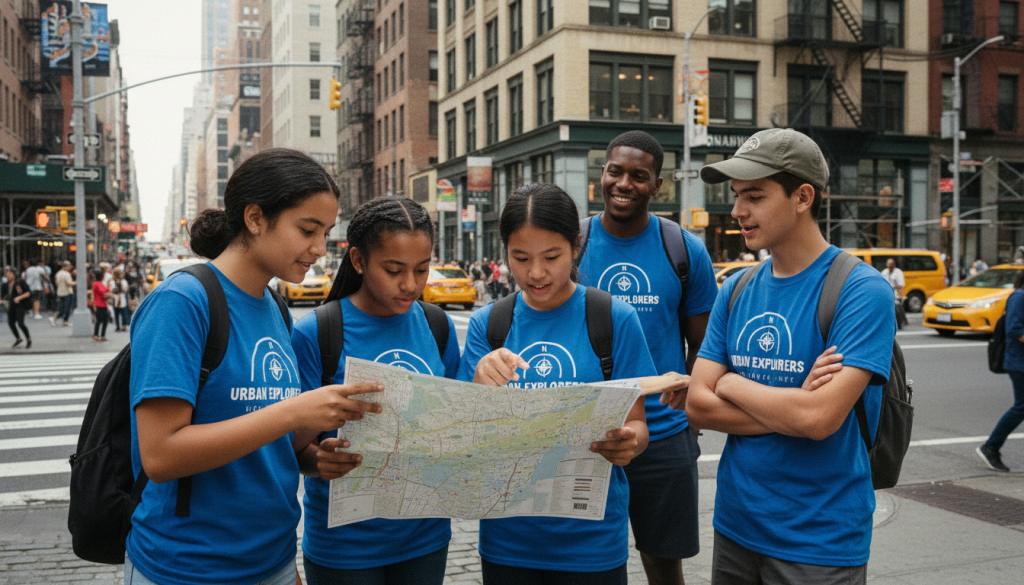
Independence develops when teens make decisions with real consequences. Navigating subway systems requires planning and problem-solving. Kids choose routes, manage time, and handle unexpected changes. Each successful journey builds confidence in their capabilities.
Shopping trips teach budgeting and financial responsibility. Teens manage money for purchases while learning value assessment. They practice communication with store staff and handle transactions independently. These practical skills prepare them for college and adult life.
Program structure provides freedom within safe boundaries. Teens explore neighborhoods with supervision levels adjusted to demonstrated responsibility. They earn privileges through mature decision-making. This progressive independence model respects developmental needs while promoting growth.
Developing Confidence Through New Challenges
Urban environments present constant new situations. Teens interact with diverse people and navigate unfamiliar spaces. Each challenge overcome builds self-efficacy and resilience. They learn that discomfort precedes growth and mastery requires practice.
Public speaking opportunities arise naturally during camp activities. Kids present projects to groups and lead team discussions. They learn to articulate ideas and handle questions. Communication skills improve dramatically through regular practice in supportive settings.
Trying new activities pushes comfort zone boundaries. Rock climbing walls, dance classes, and cooking workshops challenge different abilities. Teens discover hidden talents and interests. They learn that failure provides valuable feedback rather than final judgment. This mindset shift transforms how they approach future challenges.
Problem-Solving Skills in Real-World Contexts
City life presents daily problems requiring creative solutions. Trains run late. Plans change. Weather affects activities. Teens learn to adapt quickly and generate alternatives. These problem-solving skills become automatic through repeated practice.
Group projects require collaboration and conflict resolution. Kids negotiate different opinions and find compromises. They learn that diverse perspectives strengthen solutions. Teamwork becomes second nature through structured activities and informal interactions.
Scavenger hunts and urban challenges teach resourcefulness. Teens use maps, ask directions, and work together toward goals. They experience the satisfaction of overcoming obstacles through persistence and creativity. These experiences build mental flexibility that serves them lifelong.
Responsibility and Time Management Development

Structured schedules teach time management and planning. Teens track activities, arrive punctually, and manage belongings. They learn that others depend on their reliability. This accountability fosters maturity and respect for commitments.
Personal care responsibilities increase throughout camp sessions. Kids handle laundry, room organization, and hygiene independently. They learn that maintaining standards requires consistent effort. These life skills become habits that serve them in dorms and apartments.
Leadership opportunities arise for teens who demonstrate reliability. They help younger campers and co-lead activities. This responsibility validates their growing maturity. The leadership experience looks impressive on college applications while building valuable skills.

Life Skills That Extend Beyond Summer
Camp experiences teach skills that textbooks cannot. Teens learn street smarts and situational awareness. They develop social intelligence through diverse interactions. These practical abilities prepare them for independent living better than traditional academics alone.
Cultural competency grows through exposure to different communities. Kids learn to respect varied customs and perspectives. They understand that different does not mean wrong. This open-mindedness becomes increasingly valuable in our globalized world.
Self-advocacy skills emerge when teens must speak up for needs. They learn to ask questions and request help appropriately. This assertiveness serves them throughout education and careers. Parents report that camp graduates return more mature and capable.
Safety, Support, and Supervision: Addressing Parent Concerns
Parent concerns about teen safety in New York City are completely understandable. Cities present different challenges than rural settings. However, proper supervision and proven safety protocols make urban camps extremely secure. Camp New York prioritizes safety while allowing teens appropriate independence.
Comprehensive Safety Protocols and Urban Risk Management

Staff training includes extensive city-specific safety education. Counselors learn traffic navigation, subway safety, and emergency protocols. They complete background checks and first aid certification. Staff-to-camper ratios ensure constant appropriate supervision for all ages.
Technology enhances safety without being intrusive. Groups use buddy systems and regular check-ins. Counselors carry communication devices for immediate contact with camp directors. GPS technology helps track group locations during activities without invading teen privacy.
Transportation safety receives special attention. Teens learn safe subway practices before navigating independently. They understand how to recognize unsafe situations and where to seek help. Counselors teach that asking for assistance shows maturity rather than weakness.
Experienced Staff and Counselor Qualifications
Camp New York employs counselors with extensive urban experience. Many staff members are New York natives who understand city dynamics. They bring local knowledge that ensures efficient navigation and cultural competency. Their expertise creates safe, enriching experiences for campers.
Staff selection emphasizes maturity and decision-making abilities. Counselors demonstrate leadership through multi-stage interviews and practical assessments. They complete training covering safety protocols, teen development, and conflict resolution. This preparation ensures they handle challenges confidently and appropriately.
Ongoing staff development maintains high standards throughout the summer. Daily briefings address upcoming activities and potential challenges. Counselors receive feedback and support from program directors. This continuous improvement benefits camper experiences and safety.
Medical Support and Emergency Preparedness

Licensed medical professionals staff camp health centers. Nurses handle routine care and medication management. They maintain detailed health records and communicate with parents about any concerns. Proximity to world-class hospitals provides backup for serious medical needs.
Emergency protocols cover medical situations, severe weather, and other contingencies. Staff practice emergency procedures regularly. Parents receive immediate notification of any incidents requiring medical attention. Clear communication reduces anxiety and ensures appropriate responses.
Allergy management receives particular attention given diverse food environments. Medical staff coordinate with kitchens and restaurants to prevent allergic reactions. They carry emergency medications and know each camper’s specific needs. This vigilance protects kids while allowing them to explore the culinary diversity New York offers.
Parent Communication and Transparency
Regular updates keep parents informed about camp activities and their teen’s experiences. Photo sharing and blog posts show daily happenings. Parents receive weekly phone calls discussing their child’s progress and any concerns. This transparency builds trust and peace of mind.
Clear policies outline expected behaviors and consequences. Parents and teens understand rules before camp begins. Consistent enforcement ensures fair treatment and maintains safe environments. Communication about rule violations includes both parents and teens in problem-solving.
Parent portals provide access to schedules, packing lists, and important documents. Emergency contact procedures are clearly explained. Staff availability for parent questions demonstrates commitment to partnership. This open communication makes parents feel involved despite physical distance.
How Camp New York Makes the Most of New York City and State
Camp New York uniquely blends urban excitement with traditional outdoor experiences. The program leverages both city and state resources to create comprehensive summer experiences. This integrated approach delivers benefits that single-location camps cannot match. Structured programming ensures teens experience everything New York offers safely and meaningfully.
Structured Daily Programming That Balances Activities

Daily schedules mix educational outings with recreational time. Morning activities might include museum visits or workshops. Afternoons feature sports, games, or creative arts. This variety prevents boredom while maintaining structure. Teens appreciate predictability combined with diverse experiences.
Week-long themes create coherent learning experiences. One week might focus on performing arts with theater visits and drama workshops. The next week explores science through museum programs and experiments. Themes provide context that deepens engagement and understanding.
Free time allows teens to relax and socialize. They need downtime to process experiences and build friendships. Structured activities alternate with unstructured periods. This balance respects developmental needs while maximizing learning opportunities.
Integration of City and State Experiences
Weekend trips transport campers to New York State parks and natural areas. Friday departures transition from urban environments to wilderness settings. Saturday and Sunday provide outdoor adventures before Sunday evening returns. This rhythm creates anticipation and variety throughout the session.
Activities complement rather than compete with each other. Urban cultural experiences are enriched by outdoor reflection time. Nature appreciation deepens through city-based environmental science programs. This integration creates holistic understanding of how urban and natural systems connect.
Transportation logistics are carefully managed for comfort and safety. Charter buses provide reliable transport between locations. Travel time includes educational activities and group bonding. The journey becomes part of the experience rather than just transit.
Academic Enrichment Without Classroom Boredom

Learning happens through experiences rather than lectures. Teens absorb math concepts while navigating subway systems. They practice science observing urban ecosystems in city parks. History comes alive visiting actual historical sites. This experiential approach makes education engaging and memorable.
Writing workshops use camp experiences as inspiration. Kids journal about daily adventures and reflect on personal growth. They develop communication skills sharing stories with peers. Creative expression receives support and encouragement from staff and fellow campers.
STEM activities leverage New York’s world-class resources. Teens tour technology companies and meet innovators. They participate in coding workshops and robotics challenges. These experiences spark interest in science careers while building practical skills.
Social Development Through Group Living
Shared living spaces teach cooperation and respect. Teens learn to accommodate roommates with different habits and preferences. They practice communication and compromise daily. These skills prepare them for college dorms and future roommate situations.
Group meals create family-style community. Teens sit with different campers at each meal, expanding social circles. They learn table manners and conversation skills. Shared meals build traditions and camp culture that participants cherish.
Evening programs foster creativity and teamwork. Talent shows, game nights, and group challenges bring everyone together. These activities reveal hidden talents and build group cohesion. The social bonds formed during evenings often become lasting friendships.
Customized Attention to Individual Teen Needs
Staff members recognize that each teen has unique interests and challenges. They adjust activities to match individual engagement levels. Quiet kids receive encouragement without pressure. Energetic teens get appropriate outlets for their energy. This personalization ensures everyone thrives.
Mentorship develops naturally between counselors and campers. Staff members share their own experiences and offer guidance. Teens feel comfortable discussing concerns with trusted adults. These relationships provide support that extends beyond daily logistics.
Progress tracking helps staff identify growth areas and celebrate achievements. Parents receive updates highlighting specific developments. Recognition of improvement motivates continued effort. This attention makes each teen feel valued and supported.
Country day camp programs offer unique advantages for families seeking balanced summer experiences. These programs combine outdoor activities with convenient daily schedules. Kids enjoy camp benefits without overnight stays. Parents appreciate the flexibility this format provides for younger children or first-time campers.
Day Camp Advantages for Different Age Groups

Day camp structures work particularly well for younger kids not ready for overnight experiences. They explore new activities while returning home each evening. This gradual independence builds confidence for future residential camps. Parents maintain involvement in their child’s summer while providing enriching experiences.
Teen-focused day camps offer intensive skill development in specific areas. Participants might concentrate on arts, sports, or science for several weeks. This focused approach allows deeper learning than general camp programs. Teens appreciate returning home to their own space after full activity days.
Mixed-age day camps create community across age groups. Older campers develop leadership skills helping younger kids. Younger children benefit from positive role models. This multi-age interaction teaches social skills and builds lasting connections across age groups.
Combining Structure with Flexibility
Day camp schedules accommodate working parents’ needs. Drop-off and pick-up times align with typical work hours. Extended care options provide additional flexibility when necessary. This structure removes logistical barriers that prevent some families from accessing summer programs.
Weekly enrollment allows families to customize summer schedules. Kids might attend two weeks of science camp, one week of sports camp, and have two weeks for family vacation. This flexibility maximizes both structured activities and family time. Parents appreciate options that fit their specific situations.
Program variety ensures kids remain engaged throughout summer. New activities each session prevent boredom. Campers return each week excited about upcoming experiences. This anticipation makes summer meaningful rather than a long break waiting for school to resume.
Overview of Summer Camp Programs Available Across New York
New York offers incredible diversity in summer camp programs. Options range from specialized skill camps to general recreation programs. Families find camps matching every interest, budget, and schedule need. This variety makes New York the best summer camp destination for all families.
Specialty Camps: Arts, Science, Sports, and More

Arts camps immerse kids in creative disciplines. Theater camps offer acting, directing, and technical theater training. Visual arts programs teach painting, sculpture, and digital design. Music camps provide instrument instruction and ensemble performance opportunities. These specialized programs develop serious skills while maintaining summer fun.
Science and technology camps spark curiosity about STEM fields. Robotics camps teach engineering and programming. Environmental science programs explore ecosystems and conservation. Space camps inspire future astronauts and scientists. These experiences often launch lifelong interests and career paths.
Sports camps develop athletic abilities across skill levels. Basketball, soccer, tennis, and swimming camps offer expert coaching. Multi-sport camps expose kids to various activities. Adventure camps include rock climbing, kayaking, and wilderness skills. Athletic development combines with character building through sports.
General Recreation and Traditional Summer Camp Programs

Traditional camps offer well-rounded programming mixing multiple activities. Kids try new things without specialization pressure. They discover interests through diverse exposure. These programs emphasize fun, friendship, and personal development over skill mastery. The balanced approach appeals to families wanting comprehensive experiences.
Recreation programs through parks departments provide affordable options. Community centers offer week-long sessions at reduced costs. These accessible programs serve families across economic backgrounds. Quality programming doesn’t require premium prices when supported by public funding.
Religious and cultural camps incorporate specific values and traditions. Jewish camps celebrate holidays and teach Hebrew. Christian camps include faith-based activities and values. Cultural camps help children maintain heritage connections. These programs combine traditional camp activities with identity development.
Programs Designed Specifically for Teens and Leadership Development

Teen programs acknowledge that adolescents have different needs than younger kids. Activities challenge them appropriately without feeling childish. Social opportunities match their developmental stage. Teen-specific camps create environments where participants feel respected and engaged.
Leadership training prepares teens for counselor roles. Counselor-in-training programs teach activity planning and group management. Participants gain work experience and recommendation letters. These programs develop responsible young adults while providing camps with trained future staff.
Service-learning camps combine fun with community contribution. Teens volunteer in urban neighborhoods or conservation projects. They learn about social issues while making tangible differences. This meaningful work builds purpose and civic responsibility alongside traditional camp experiences.
Inclusion Programs for Children with Special Needs
Inclusive camps welcome children of all abilities. Staff receive training in accommodations and adaptive equipment. Activities are modified to allow full participation. These inclusive environments teach all children about diversity and acceptance. Families appreciate programs recognizing that every child deserves summer camp experiences.
Specialized camps serve specific disability populations. Programs exist for children with autism, physical disabilities, and chronic illnesses. Staff expertise ensures appropriate support and medical management. These camps provide communities where children don’t feel different or limited.
Sibling camps allow families with special needs children to attend together. Typically developing siblings participate in age-appropriate activities while their brother or sister receives specialized support. This inclusive approach recognizes whole family needs. Parents value programs understanding their complete situation.
Preparing Your Teen for a City and State-Based Summer Camp Experience
Preparation ensures teens get maximum benefit from camp experiences. Discussing expectations and addressing concerns prevents surprises. Practical preparation includes packing and logistics. Emotional preparation helps teens arrive ready to engage fully and make the most of every opportunity.
Having Meaningful Pre-Camp Conversations
Discuss what teens hope to gain from camp before arrival. Talk about making new friends and trying unfamiliar activities. Address any anxieties honestly while maintaining positive outlook. These conversations set appropriate expectations and increase comfort levels.
Review safety guidelines and city-specific rules. Explain why protocols exist and how they protect everyone. Involve teens in problem-solving discussions about potential challenges. This preparation builds confidence in their ability to handle situations appropriately.
Establish communication expectations before camp begins. Discuss how often they’ll contact home and what information to share. Explain that some homesickness is normal and temporary. These conversations prevent misunderstandings and reduce anxiety on both sides.
Practical Packing and Preparation Tips

Create packing lists well before departure to avoid last-minute stress. Include weather-appropriate clothing for both city and outdoor activities. Label everything with permanent marker or name tags. This organization prevents lost items and simplifies laundry management.
Pack comfort items that help with homesickness. Photos, favorite pillowcases, or small mementos provide reassurance. Limit electronics according to camp policies. Too much connection home prevents full camp engagement and relationship building.
Prepare necessary documentation including health forms and emergency contacts. Ensure medications are properly labeled with dosing instructions. Complete all paperwork ahead of deadlines. This administrative preparation allows families to focus on emotional readiness as departure approaches.
Building Independence Before Arrival
Practice relevant skills before camp starts. Teens should know laundry basics, personal hygiene routines, and money management. They should confidently navigate public transportation in their home area. These preliminary experiences reduce stress during camp adjustment.
Encourage teens to solve age-appropriate problems independently. Resist the urge to fix every difficulty for them. Let them experience natural consequences of minor mistakes. This preparation builds resilience they’ll need when parents aren’t available for immediate help.
Discuss healthy boundaries and appropriate social behavior. Review consent, respect, and conflict resolution. These conversations prepare teens for communal living and diverse relationships. Clear expectations prevent misunderstandings and inappropriate situations.
What to Expect During Drop-Off and the First Days
Drop-off can be emotional for parents and teens. Keep goodbyes brief and positive. Trust that staff will help your teen adjust after you leave. Extended goodbyes often increase rather than reduce anxiety for everyone involved.
The first few days involve orientation and relationship building. Teens learn routines and meet new people. Some initial discomfort is completely normal. Staff expect this adjustment period and provide extra support as needed.
Resist the urge to rescue teens from normal adjustment challenges. Homesickness typically peaks around day three and then improves. Trust the process and staff expertise. Most kids are happily engaged within a week of arrival.
Frequently Asked Questions About New York Summer Camps
Why choose a New York summer camp rather than a traditional rural camp?
New York camps offer unique advantages combining cultural exposure with outdoor experiences. Teens gain urban navigation skills and cultural competency while enjoying traditional activities. The city provides learning opportunities unavailable in rural settings. World-class museums, diverse populations, and professional performances enrich the experience. Meanwhile, access to New York State parks ensures outdoor adventure remains central. This combination prepares teens for college and careers better than single-environment camps.
Is it safe for teens to stay in New York City for a summer camp?
Yes, with proper supervision and protocols, New York City is very safe for teen campers. Camp New York maintains strict supervision ratios and employs experienced urban staff. Counselors receive extensive safety training specific to city environments. Technology enables constant communication and group tracking. NYC crime rates in tourist and residential areas are lower than many suburban communities. Millions of families live and raise children safely in New York. Our proven track record demonstrates that structured programs provide secure, enriching experiences.
How does Camp New York balance city life and outdoor activities?
Our program integrates both environments throughout each session. Weekday activities focus on urban cultural experiences, museums, and city parks. Weekend trips take campers to New York State wilderness areas for hiking, water activities, and camping. This rhythm provides variety while ensuring comprehensive experiences. Daily schedules mix indoor and outdoor activities regardless of location. Teens never spend too long in either environment, preventing boredom and maximizing engagement. The integration helps kids understand how urban and natural systems connect.
What age group is this summer camp designed for?
Camp New York primarily serves teens aged 13 to 17 years. This age range benefits most from urban independence experiences and cultural exposure. Programming is developmentally appropriate for adolescent needs and interests. Younger teens receive more structured supervision while older teens enjoy increased independence based on demonstrated maturity. We group campers by age to ensure appropriate peer interactions and challenge levels. Our program recognizes that teenagers require different approaches than younger children.
What makes New York State outdoor activities special compared to other states?
New York State offers remarkable natural diversity within hours of the city. The Adirondack Park is larger than Yellowstone, Yosemite, and Grand Canyon National Parks combined. Eleven Finger Lakes provide pristine water recreation. Waterfalls, gorges, and mountains create stunning landscapes. This proximity allows weekend trips without long travel times. Teens experience genuine wilderness while maintaining urban program continuity. Few states offer this combination of world-class city and accessible outdoor adventures.
How do you accommodate different skill levels and interests?
We offer activity choices within structured schedules to match varied interests. Teens select focus areas like arts, sports, or science while participating in core group activities. Staff assess skill levels and provide appropriate challenges for each participant. Beginners receive patient instruction while advanced students get opportunities to develop further. Our small group sizes enable personalized attention impossible in larger programs. Every teen finds activities that engage their interests and build new capabilities.
What supervision ratios does Camp New York maintain?
We maintain industry-leading ratios of one counselor for every six to eight teens depending on activity and location. More challenging activities and younger teens receive higher supervision levels. All counselors complete comprehensive background checks and training. Staff members carry communication devices for immediate contact with directors. This supervision ensures safety while allowing appropriate independence. Our ratios exceed minimum standards to provide superior experiences and peace of mind.
Can teens with dietary restrictions or allergies attend?
Absolutely. We accommodate all dietary needs including allergies, vegetarian, vegan, kosher, and halal requirements. Medical staff coordinate with food providers to prevent cross-contamination. Teens learn to communicate their needs in restaurant settings with staff support. This skill becomes valuable for independent college dining. We carry emergency medications for known allergies. Dietary accommodations never limit participation or experiences. Many campers discover new foods that fit their restrictions.
How do you handle homesickness and adjustment challenges?
Homesickness affects many campers initially and typically resolves within days. Staff receive training in supporting emotional adjustment. We keep teens engaged in activities that prevent dwelling on home. Limited contact allows space for independence development. Parents receive updates if concerns persist beyond normal adjustment. Most homesickness resolves naturally as friendships form and routines become familiar. We balance support with encouraging resilience. The vast majority of initially homesick campers finish strong and return the following summer.
What happens if my teen gets sick or injured during camp?
Our licensed medical staff handle minor illnesses and injuries at camp health centers. For serious concerns, we transport campers to top-rated New York hospitals. Parents receive immediate notification of any medical situation requiring professional care. We maintain detailed medical records and follow all physician orders. Comprehensive insurance covers emergency situations. Medical protocols ensure rapid, appropriate responses to any health concerns. Your teen’s wellbeing is our highest priority at all times.
Still Have Questions? We’re Here to Help
Our camp directors are available to discuss your specific situation and concerns. We understand that choosing the right summer program is an important family decision. Let us provide personalized information to help you determine if Camp New York is the perfect fit for your teen.
Your Teen Deserves the Transformative New York Summer Experience

Why New York is the best city and state-based summer camp destination ultimately comes down to transformation. Your teenager will return home more confident, independent, and culturally aware. They’ll carry memories and skills that shape their future path. The experiences they gain here cannot be replicated elsewhere.
New York combines educational opportunities with genuine adventure. The city teaches life skills while state parks provide outdoor challenges. This comprehensive approach prepares teens for college, careers, and adult independence better than traditional single-focus camps.
Camp New York has perfected the integration of urban and outdoor experiences. Our program delivers the safety parents need with the excitement teens crave. Structured activities build skills while allowing personal growth. Experienced staff create environments where every teen thrives.
The investment in quality summer experiences pays lifelong dividends. Your teen develops capabilities they’ll use forever. They form friendships that provide support through challenging years ahead. They discover interests that guide educational and career choices.
Summer passes quickly. The opportunity to give your teen this transformative experience exists only during these precious years. Camp New York offers the programs, expertise, and environment that make magic happen. Your teen deserves this summer. They deserve New York.
Join hundreds of families who trust Camp New York to provide safe, enriching summer experiences. Spaces are limited and fill quickly. Secure your spot today and give your teenager the summer adventure of a lifetime in the greatest city and state in the world.
Social and Cultural Benefits for Teens
New York’s diversity creates unmatched opportunities for social growth. Teens interact with people from every background imaginable. These experiences shape perspectives and challenge assumptions. Cultural exposure builds emotional intelligence that benefits all life areas.
Multicultural Exposure and Global Perspectives
New York City residents speak over 800 languages. Teens encounter this diversity daily during camp activities. They visit ethnic neighborhoods showcasing different cultures. Chinatown, Little Italy, and Jackson Heights teach living multiculturalism rather than textbook theory.
Cultural festivals occur throughout summer across the city. Kids attend events celebrating Caribbean, Asian, Latin American, and African traditions. They experience music, dance, food, and art from around the world. These immersive experiences broaden worldviews dramatically.
International camp participants share their cultures with group members. Teens learn phrases in different languages and discuss customs. They discover common humanity beneath surface differences. These connections often lead to lasting international friendships.
Language Practice and Communication Skills
Multilingual environments provide natural language practice opportunities. Teens hear Spanish, Mandarin, Arabic, and dozens of other languages daily. They learn basic phrases and appreciation for linguistic diversity. This exposure motivates language study and reduces fear of foreign languages.
Communication extends beyond words in diverse settings. Kids learn to read body language and cultural cues. They understand that directness varies across cultures. These subtle skills prove invaluable in international business and travel.
Camp programs include language workshops and cultural exchange sessions. Native speakers teach practical phrases and cultural context. Teens practice in real situations with immediate feedback. This applied learning proves far more effective than classroom instruction alone.
Making Friends from Different Backgrounds
Camp groups intentionally mix kids from varied backgrounds. Teens form friendships crossing cultural, economic, and geographic lines. They learn that common interests matter more than superficial differences. These relationships challenge stereotypes and reduce prejudice.
Shared experiences create bonds that transcend background. Working together on challenges builds mutual respect and understanding. Kids learn to appreciate different strengths and perspectives. Team activities demonstrate that diversity strengthens group capabilities.
Social media helps maintain friendships after camp ends. Teens stay connected with friends across the country and world. These networks expand their social circles and future opportunities. Many camp friendships last throughout high school, college, and beyond.
Emotional Intelligence Through Diverse Interactions
Emotional intelligence requires understanding different emotional expressions and needs. Diverse environments teach teens that people communicate feelings differently. They learn to recognize emotional cues across cultural contexts. This awareness improves all relationship skills.
Conflict resolution becomes more nuanced with cultural considerations. Teens learn that directness works in some cultures while indirectness shows respect in others. They develop flexibility in communication styles. These skills prove essential in diverse workplaces and communities.
Empathy grows through exposure to different life experiences. Kids hear stories from peers with varied backgrounds and challenges. They learn to see situations from multiple perspectives. This empathy makes them better friends, students, and future leaders.
Preparing for College and Career Diversity
College campuses mirror New York’s diversity. Teens who master urban multicultural navigation adjust to university life more easily. They feel comfortable with different roommates and classmates. This preparation reduces first-year stress and culture shock.
Future careers require working across cultural boundaries. Companies seek employees with demonstrated cultural competency. Camp experiences provide concrete examples for college essays and job interviews. This background distinguishes applicants in competitive processes.
Global citizenship becomes increasingly important in interconnected economies. Teens develop international awareness and appreciation for different systems. They understand that multiple valid approaches exist for most challenges. This flexibility prepares them for leadership in diverse organizations.