Best Summer Camps in America for International Staff
Find your place at summer camp
A great summer starts with the right camp.
Searching for the best summer camps in America to work at? Start with the experience you want to contribute to: the activities you enjoy, the responsibilities you are ready for and the community you would like to join.
A beautiful location can catch your attention, but your day-to-day experience also depends on your role, working arrangements and the support around you. This guide helps you compare those details before accepting a placement.
Explore the different summer camp roles as you build a picture of where your skills and interests could fit.
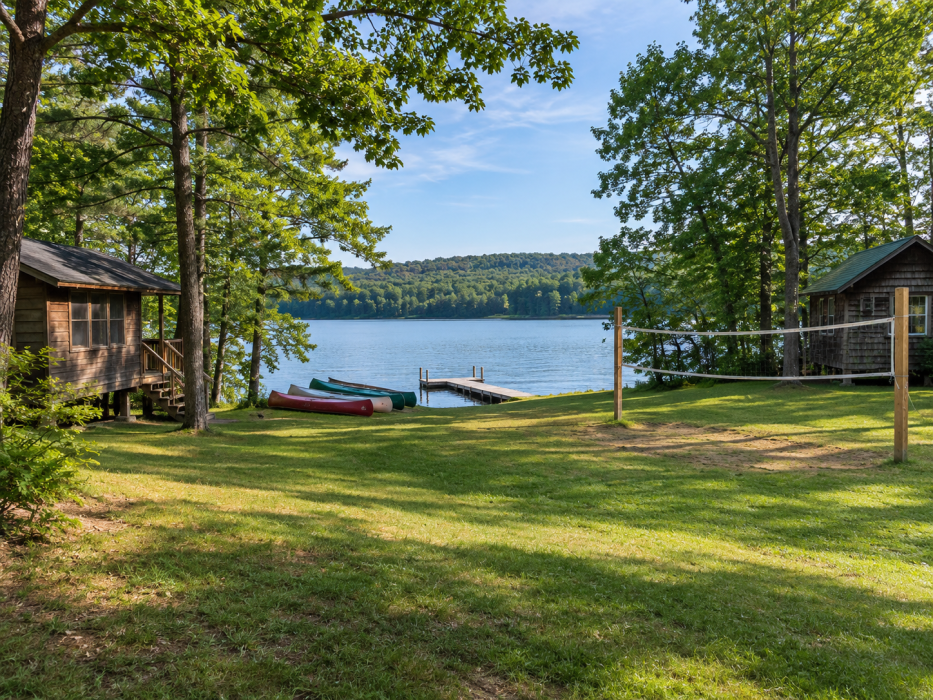

Look beyond the scenery
What Makes a Summer Camp a Good Place to Work?
The best summer camp for you should offer a role you understand, working arrangements you can commit to and a community you are ready to contribute to. Use these four areas to assess a potential placement.
Clear Responsibilities
Understand which activities or camper groups you would support, what a typical day involves and who supervises your work. Check whether the role matches your experience and interests.
Explore the summer camp role descriptions before discussing the specific duties of an offer.
Ask the camp: “What would a typical working day look like for someone in this role?”
Training and Accessible Support
Ask how new staff are introduced to the camp’s routines, expectations and procedures. Establish which skills you must bring and what training is provided before you start your duties.
Know who to approach with questions, concerns or situations you have not handled before.
Ask the camp: “What preparation will I receive, and who will be my main supervisor?”
Terms You Understand
Review the contract dates, compensation, accommodation and time-off arrangements. Ask how the schedule works in practice, including any responsibilities outside activity sessions.
Compare these details with your availability and the programme costs and inclusions when planning your summer.
Ask the camp: “Can you explain the working schedule and living arrangements for this placement?”
An Environment That Suits You
Consider the camp’s purpose, camper age groups and approach to activities. Think about how comfortable you would feel contributing to that environment throughout the placement.
Ask about staff expectations and community routines rather than judging the camp only by its photographs or facilities.
Ask the camp: “What qualities help staff settle in and do well here?”
Choose Your Priorities Before Comparing Offers
Write down what you need from a placement and where you can be flexible. Clear priorities make it easier to compare camps and explain your preferences during the application process.
Explore different camp environments
Which Type of American Summer Camp Suits You?
Camps differ in their schedules, activities and communities. These categories can overlap: a residential camp might also specialise in sport or follow a particular faith tradition. Ask how each camp operates in practice.
Residential Camps
Campers stay overnight, making accommodation, mealtimes and evening routines part of the camp environment. Your responsibilities may extend beyond scheduled activity sessions.
Consider this if: you are interested in an immersive camp community. Ask about overnight duties, staff accommodation and how time off is organised.
Day Camps
Campers attend during the day and return home afterwards. Staff arrangements vary, so establish where international staff live and how they travel to and from work.
Consider this if: the daytime format interests you. Confirm your full schedule and living arrangements rather than assuming evenings are always free.
Traditional Multi-Activity Camps
These camps combine activities such as sports, creative projects and outdoor recreation. Depending on your role, you might support a camper group or focus on one activity area.
Consider this if: you enjoy variety and helping campers try different experiences. Ask how staff divide their time between activities and group duties.
Specialist Activity Camps
Some camps focus on areas such as sport, performing arts, technology or outdoor pursuits. Find out the teaching level expected and whether the role requires specific qualifications.
Consider this if: you have an interest or skill you are ready to share. Ask about equipment, supervision and the abilities of the campers you would teach.
Faith-Based Camps
A camp’s religious identity may influence its activities, meals and community routines. Ask what participation is expected from staff and whether any beliefs or experience are required for your role.
Consider this if: you are comfortable contributing to that environment and understand its expectations.
Camps Supporting Disabled Campers
These camps may adapt activities and support around campers’ individual needs. Responsibilities vary considerably and may include personal assistance in some roles.
Consider this if: you want to explore this work and understand the specific duties. Ask about training, staffing, supervision and any required experience.
Discuss the Camp and the Job Together
A camp category is only a starting point. Compare the actual responsibilities with your skills, availability and preferences. Explore the summer camp roles and ask the team which opportunities could suit your circumstances.

Think beyond the map
Where Should You Work at Summer Camp in America?
Your preferred location should fit the summer you want to experience, but the camp’s exact setting matters more than a state name alone. Consider transport, nearby facilities and how the working schedule fits your plans.
Compare the role and camp community alongside geography. A placement in an unfamiliar area could still offer responsibilities and activities that suit you well.
Exploring the New York Area
If New York is a priority, discuss Camp New York’s regional application option. Check which locations it covers and the conditions that apply through the programme options and fees.
Distinguish between New York City, New York State and camps in surrounding areas. Ask about the actual journey to places you want to visit, including transport availability and costs.
Keeping Your Location Options Open
If your priority is teaching an activity or finding a particular camp environment, consider how flexible you can be about location.
Discuss your preferences during the application process. Explain what matters most and ask how it fits the opportunities available, without assuming that a specific destination can be secured.
Check the Practical Side of the Location
- Getting to camp Confirm arrival instructions, suitable airports and any onward journey you need to organise.
- Using your time off Ask how staff access transport and whether planned visits fit your time-off arrangements.
- Everyday essentials Check access to shops, laundry, communication facilities and anything you need during the placement.
Put your interests into practice
Match Camp Activities and Roles to Your Skills
Start with what you can confidently contribute. Enjoying an activity is useful, but teaching it, organising a session and supporting beginners can require different skills.
Review the summer camp roles and discuss the level of experience expected. The examples below help you assess potential responsibilities; availability depends on the camp.
Sports and Team Activities
Consider how you would explain a skill, adapt a game for different abilities and keep a group involved. Coaching, club participation or experience helping younger players can give you examples to discuss.
Ask the camp: “Will I teach beginners, coach experienced players or organise recreational sessions?”
Waterfront and Outdoor Activities
Establish the exact duties, required qualifications and supervision arrangements. Be accurate about your current experience and ask which training must be completed before taking responsibility.
Ask the camp: “Which qualifications do you require, and what instruction or supervision will I receive?”
Arts, Performance and Creative Projects
Think about projects you could explain clearly and adapt to the time, materials and abilities available. Examples of helping others learn can be as useful as showing your own creative work.
Ask the camp: “What facilities are available, and would I plan sessions independently or with a team?”
General Counsellor Responsibilities
Consider whether you enjoy helping a group settle into routines, join activities and work together. Ask how group responsibilities fit around activity sessions and other camp duties.
Ask the camp: “Which camper age group would I support, and what responsibilities come with that?”
Show What You Have Done, Then Ask What Is Needed
Prepare a few specific examples of teaching, organising, teamwork or helping others. Explain your experience honestly and discuss how it relates to the job. If you are unsure which responsibilities suit you, talk to the Camp New York team before narrowing your preferences.
Understand everyday life at camp
Check Working Conditions Before Accepting a Camp Job
A promising activity programme is only part of a placement. Your schedule, accommodation, compensation and support arrangements shape everyday life. Review these details before accepting an offer.
Schedule, Duties and Time Off
Ask for an explanation of a typical day and week. Establish how activity sessions, camper supervision, evening responsibilities and any overnight duties fit together.
Check how breaks and time off are scheduled, what happens during those periods and who confirms changes to your routine.
Accommodation and Daily Essentials
Find out where you will sleep, who shares the accommodation and which bathroom, laundry and storage facilities are available.
Ask about meals and discuss any requirements relevant to your stay. Clarify practical details early so you know what to bring and what the camp provides.
Contract Dates and Compensation
Check the start and finish dates, including required orientation. Confirm the compensation, payment schedule and any applicable deductions in your own agreement.
Review these alongside the programme costs and inclusions when planning your budget. Keep a copy of the documents you accept.
Supervision and Raising Concerns
Know who supervises your role and how to ask for help with unfamiliar tasks. Ask how staff raise questions or concerns about their placement.
Before departure, save the contact details for your camp, programme team and sponsor. Understand the instructions for routine assistance and urgent situations.
Ask for Clarity Before You Commit
If an offer leaves an important question unanswered, request an explanation in writing. For help understanding a Camp New York placement, contact the team with the details you want clarified.
- Written responsibilities
- Confirmed dates and pay
- Living arrangements
- Time-off expectations
- Support contacts
Turn your preferences into a decision
How to Choose the Right Summer Camp for You
Bring your research back to three questions: can you commit to the placement, do the responsibilities suit you and do you understand the arrangements? Use the answers to compare an offer with your priorities.
Separate Needs From Preferences
Write down the dates you can work, practical requirements and responsibilities you are prepared to take on. Then list preferences such as location or activity focus.
This helps you explain where you can be flexible without overlooking something essential.
Use the Conversation to Learn
During a camp interview, ask about the daily routine, staff expectations and support for someone joining your role.
Give specific examples of your experience and ask how it relates to the work. The conversation should help both you and the camp assess the fit.
Review the Written Offer
Compare the responsibilities, dates, compensation and living arrangements with what you discussed. Identify any unanswered questions before accepting.
Keep the offer and important explanations together so you have a clear record of the commitment.
Make Your Application Reflect Your Strengths
Describe what you can contribute, the experience behind it and the kind of camp environment you want to explore. Clear, accurate information helps guide the placement conversation.
Read how the Camp New York application process works and discuss your priorities with the team before narrowing your options.

Benefits of
Camp New York
Location Control
You can choose your camp placement within New York State or nearby areas, ensuring you are close enough to the excitement of New York City.
Variety of Activities
Camp New York participants have the chance to teach or coach various activities they are passionate about, such as soccer, basketball, swimming, dance, photography and so much more. Take a look at our roles at a Summer Camp page for a more dedicated breakdown. You don’t have to be an expert, but a keen attitude to learn and make a difference is a must.
Cultural Experience
Being in proximity to NYC allows for a rich cultural experience during your time off, visit museums, attend Broadway shows, or enjoy New York city’s renowned food scene… especially pizza!
Hear from our happy campers
Camp New York reviews from our counsellors who raved about the experience. Staff love the support, friends and memories made.Â
Massive thank you to Camp New York. Appreciate all you’ve done for me! If you want to choose a camp in America go with Camp New York.
Lee, Lyndon and all the team got me the best place and it truly changed my life.
Sounds corny, but trust me it’s boss.

Jack Critchlow
I’m going through Camp New York as a returner and they have been amazing so far! They talk you through every step and support you with any questions you may have. I know how helpful this would be to first years as camp is such an amazing but nerve wracking experience.Â
Highly recommend Camp New York!

Aleisha Smith
Great provider, highly recommend going through these guys for US summer camp placements.
Incredibly attentive and really helpful at every stage, from interview through to the placement fair.
Definitely recommend attending one of the in-person fairs. Overall top service

Ellis Nevitt