
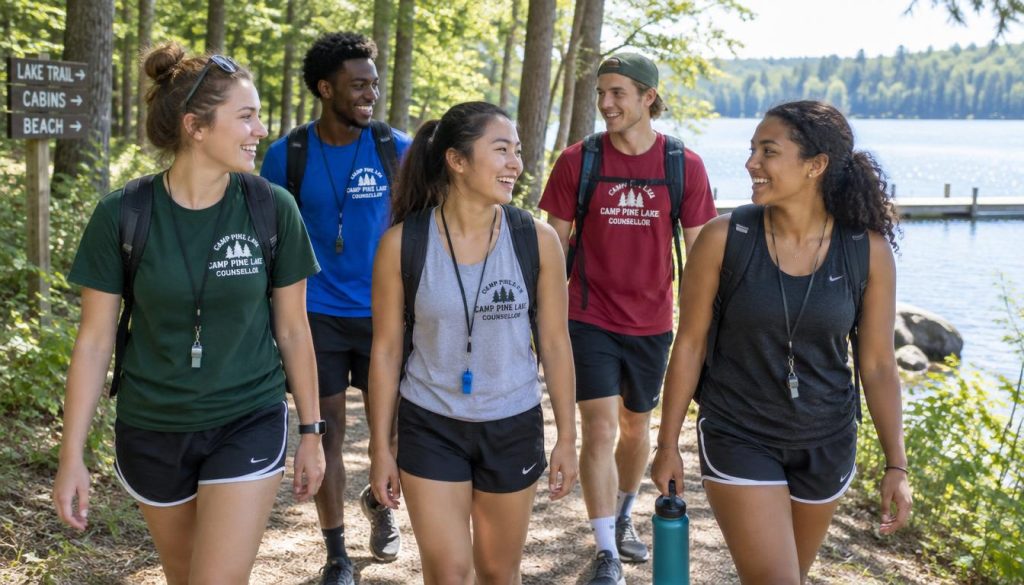
Deciding where to work for an American summer involves balancing pastoral responsibilities with the chance to discover an exciting region, which explains why summer camp jobs in the New York area are the best fit for many seasonal staff. Placements across this region combine structured youth leadership in scenic outdoor environments with straightforward connections to famous cultural hubs. Counsellors gain hands-on coaching experience while living alongside an international team.
Finding the most rewarding placement depends on how your personal strengths, preferred camp traditions, and travel goals align with an individual organisation. While regional appeal matters, the right role balances day-to-day supervisory duties with supportive camp leadership and realistic transport links.
What do we mean by summer camp jobs in the New York area?
Summer camp employment near New York covers an expansive geographical area rather than a single metropolitan district. Understanding the regional layout helps you form sensible expectations about travel, surroundings, and daily routines.
The Camp New York programme places participants across varied environments throughout the wider regional network, which extends well beyond the borders of Manhattan.
New York State
Covering vast wooded parks, rolling hills, and expansive river valleys, New York State is primarily rural. Placements here offer traditional wilderness camp settings far removed from towering skyscrapers.
Tri-State Neighbours
In this regional context, the Tri-State area includes New York, New Jersey, and Connecticut. Many traditional independent and non-profit camps operate across these adjoining state borders.
Metropolitan Vicinity
Some day camps and suburban facilities operate within reach of New York City commuter transit. However, staff should not assume their site sits within walking distance of urban avenues.
1. You can experience a different side of New York
Researching summer camp jobs in New York State introduces applicants to geographical landscapes that contrast sharply with popular film depictions. Placements can immerse you in dense pine forests, quiet mountain trails, or broad agricultural regions.
Not every camp matches the classic lakeside stereotype. Some operate on expansive sports campuses, private estates, or specialised arts facilities nestled in small upstate hamlets.
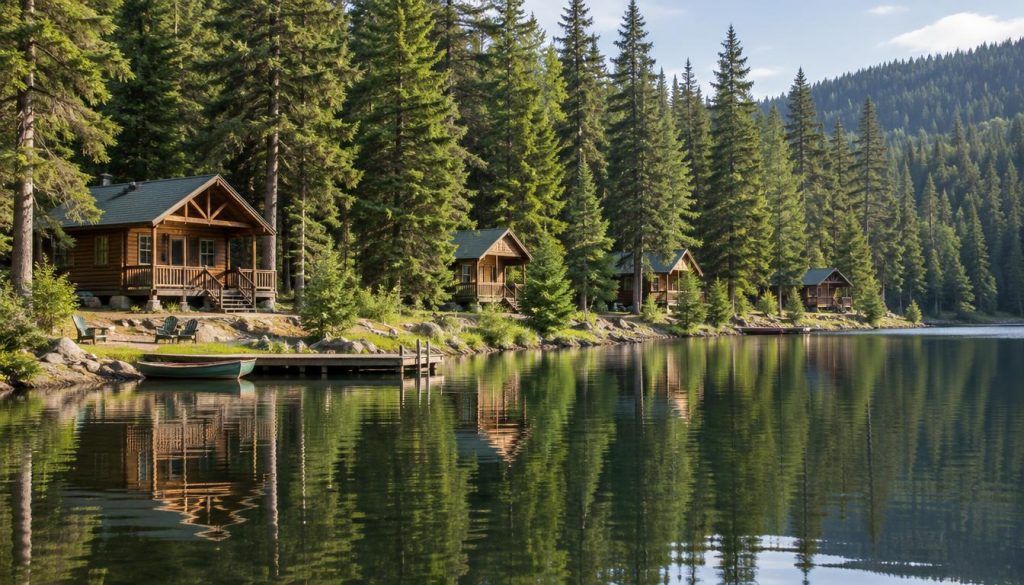
Regional camp properties showcase expansive forests and scenic waterways across the state.
Working in these rural environments allows you to discover peaceful regional reserves and welcoming small-town communities that casual international visitors rarely encounter.
2. Camp life can offer an active change of routine
Choosing to work at a summer camp in New York substitutes lecture theatres and desk routines for active, outdoor team collaboration. Staff members spend their waking hours facilitating games, guiding cabin groups, and modelling positive behaviour.
While the setting offers impressive grounds, counsellor positions require continuous vigilance and energetic engagement rather than personal leisure.
- Supervising cabin wake-up schedules, mealtime routines, and bunk cleanliness.
- Coaching camper groups through scheduled land sports, creative crafts, or waterfront sessions.
- Resolving low-level peer conflicts and supporting children experiencing homesickness.
- Upholding health protocols and camp rules across all daytime activities.
3. New York City can be part of your wider summer plans
The possibility of visiting iconic urban landmarks adds distinct excitement to New York summer camp counsellor jobs. Taking in views from the Empire State Building, walking through Central Park, or visiting world-class art galleries represents an appealing cultural reward.
However, regular city excursions during working contracts are rarely feasible. Visiting Manhattan requires practical planning, supervisor approval, and personal travel funds.
Trips to New York City depend on your camp’s physical location, public transit schedules, designated time-off blocks, and seasonal transport expenses. Counsellors must prioritise on-site child supervision over personal travel while camp remains in session.
4. There may be a range of camps and roles to explore
Securing rewarding summer camp jobs in America requires matching your individual talents with specific operational requirements. Camp directors evaluate international applicants based on maturity, coaching qualifications, and pastoral competence.
Placement availability fluctuates across partner sites, meaning candidates present preferences rather than hand-picking specific locations or job titles.
General Cabin Counsellor
General counsellors live alongside a designated bunk group, guiding young campers through daily activity rotations, pastoral care, and evening campfires. This role suits individuals who demonstrate broad adaptability, empathy, and active listening.
Activity Specialist
Specialists lead specific instructional programmes, such as swimming coaching, tennis, digital media, or theatrical arts. These positions require documented coaching competence, teaching experience, or relevant vocational certificates.
5. You can experience American culture through everyday camp life
A authentic New York summer camp experience provides direct insight into local family traditions, collegiate customs, and regional sports. Working alongside domestic counsellors reveals cultural nuances that casual holidaymakers never witness.
Camp traditions, mealtime chants, and friendly colour competitions vary widely between individual non-profit organisations and long-established independent camps.
Cultural exchange takes place through everyday teamwork: co-leading dining hall songs, organising skit nights, and discussing life perspectives with international colleagues during supervised evening rest breaks.
6. The location can inspire varied post-camp travel plans
A significant advantage of summer camp jobs near New York City is straightforward departure logistics once employment contracts finish. New York serves as an international transport intersection with extensive rail, coach, and flight connections.
Completing post-camp travel New York journeys allows participants to navigate the historic East Coast corridor or venture onward to national parks.

Major transport terminals across the region simplify travel across the eastern seaboard.
- Boarding regional train links toward historical districts in Boston or Philadelphia.
- Exploring natural attractions upstate, including the Adirondack mountains and Niagara Falls.
- Navigating transport hubs for onward connections across wider American travel routes.
- Arranging independent hostel or hotel accommodation within an agreed personal travel budget.
7. The experience can combine responsibility with personal development
Serving as a youth leader accelerates interpersonal growth under real-world conditions. Managing cabin dynamics develops practical abilities that translate directly to future academic pursuits and workplace settings.
Facing unexpected logistical changes demands patience, practical resourcefulness, and collective determination.
Adaptive Communication
Counsellors learn to modify their vocabulary and tone when soothing an anxious child, instructing energetic groups, or reporting pastoral observations to senior directors.
Group Coordination
Managing inclement weather adjustments demonstrates organisational agility. Leaders quickly reorganise outdoor games into engaging indoor workshops without dampening camper enthusiasm.
Is a New York-area placement right for everyone?
While regional summer camp jobs New York options carry distinct appeal, geographical preference forms only one element of a successful summer. Prospective staff must carefully weigh physical demands, compensation terms, and camp expectations before committing.
Placements located in other American regions may offer identical personal growth and outdoor fulfilment, depending on individual values.
Regional Strengths
- Proximity to major transport gateways for planned onward travel.
- Exposure to varied community traditions across historic eastern regions.
- Diverse selection of sports, arts, and educational camp types.
Essential Considerations
- Strict campus safety policies limit spontaneous off-site wandering.
- Rural camps require scheduled camp transport to reach nearby villages.
- Intensive schedules demand continuous patience, stamina, and emotional resilience.
Questions to ask before accepting a placement
Evaluating camp counsellor jobs USA listings requires careful scrutiny of contractual details. Clarifying expectations early helps avoid misunderstandings once on-site training begins.
Use this reference table to evaluate crucial logistical criteria during employment discussions with hiring directors.
| Question to ask | Why it matters | What to confirm |
| Exact location? | Daily setting | Confirm the postal address, distance to nearest town, and surrounding terrain before signing. |
| Local transit? | Travel freedom | Confirm access to public transport, shuttle services, or taxi options on scheduled breaks. |
| Specific duties? | Daily workload | Confirm core day-to-day responsibilities, activity instruction, and camper age brackets. |
| Living quarters? | Rest quality | Confirm cabin arrangements, bathroom facilities, staff lounge access, and linen provision. |
| Time off rota? | Personal time | Confirm weekly rest periods, curfew rules, and evening supervision expectations. |
| Total pocket pay? | Personal budget | Confirm net stipend amounts, payment schedules, and any agreed completion bonuses. |
| Salary deductions? | Final earnings | Confirm deductions for visa fees, medical insurance, background checks, or equipment hire. |
| Emergency contact? | On-site welfare | Confirm direct supervisor details, pastoral leads, and round-the-clock emergency assistance. |
Before confirming your contract, review this essential applicant checklist:
- Valid passport with adequate remaining validity for the entire proposed travel duration.
- Agreement on contractual start dates, pre-camp training schedules, and departure windows.
- Understanding of required medical health history forms and police background certifications.
- Sufficient independent personal funding to cover initial travel supplies and emergency expenses.
How to explore New York-area summer camp jobs with Camp New York
Securing an overseas camp role requires a structured preparation journey. Camp New York guides eligible candidates through the initial screening, paperwork organisation, and camp matching stages.
Camp New York oversees recruitment facilitation and visa sponsorship documentation, while the individual camp management directs everyday operational duties, meal provision, and cabin assignments.
Profile Assessment
Submit your initial details, detailing previous childcare work, sports hobbies, artistic skills, and full summer availability windows.
Director Interviews
Participate in virtual placement interviews with interested American camp directors to discuss mutual expectations, responsibilities, and specific bunk leadership roles.
Visa Preparation
Complete official cultural exchange visitor documentation, schedule embassy appointments, and attend pre-departure orientation sessions to prepare for on-site camp life.
Frequently asked questions
Are Camp New York placements all in New York City?
No, placements are rarely situated within New York City itself. The vast majority of partner summer camps operate across scenic rural districts, state parks, and neighbouring states such as New Jersey and Connecticut.
Can I request a camp in New York State?
Applicants may register geographical and camp type preferences during the recruitment process. However, specific regional placements depend on camp director hiring demands and matching your individual coaching strengths.
Will I be able to visit New York City on days off?
Visiting New York City during authorised rest periods depends entirely on your camp’s location and local transit accessibility. Rural camps situated deep upstate make single-day trips unfeasible, whereas post-camp travel offers dedicated sightseeing freedom.
What types of summer camp jobs are available?
Opportunities include general cabin counsellors, land sports coaches, waterfront lifeguards, creative craft leaders, and outdoor adventure instructors. Responsibilities vary depending on each organisation’s specialist facilities.
Do I need previous camp experience?
Direct previous residential camp employment is not mandatory. Demonstrating positive voluntary leadership, youth coaching, babysitting experience, or personal maturity supports your application.
Can I travel after my placement?
Eligible exchange visitors may travel within the United States following the completion of their seasonal work contracts. All travel itineraries must strictly adhere to permitted visa grace periods and valid medical insurance terms.
How do I apply with Camp New York?
Prospective counsellors submit an online registration form, attend an assessment interview, and supply professional references. Approved applicant profiles are then circulated to hiring camp directors across the regional network.
Find the right summer camp experience for you
Evaluating summer opportunities across the wider New York region allows you to pair rewarding youth mentorship with valuable cultural immersion. Choosing a placement that values your background leads to an active summer of practical achievement and professional development.
Begin Your Regional Placement Exploration
Looking for a summer that combines responsibility, cultural exchange and the chance to explore a new part of America? Discover summer camp opportunities with Camp New York, check the current programme details and contact the team to discuss your skills, availability and placement preferences.