
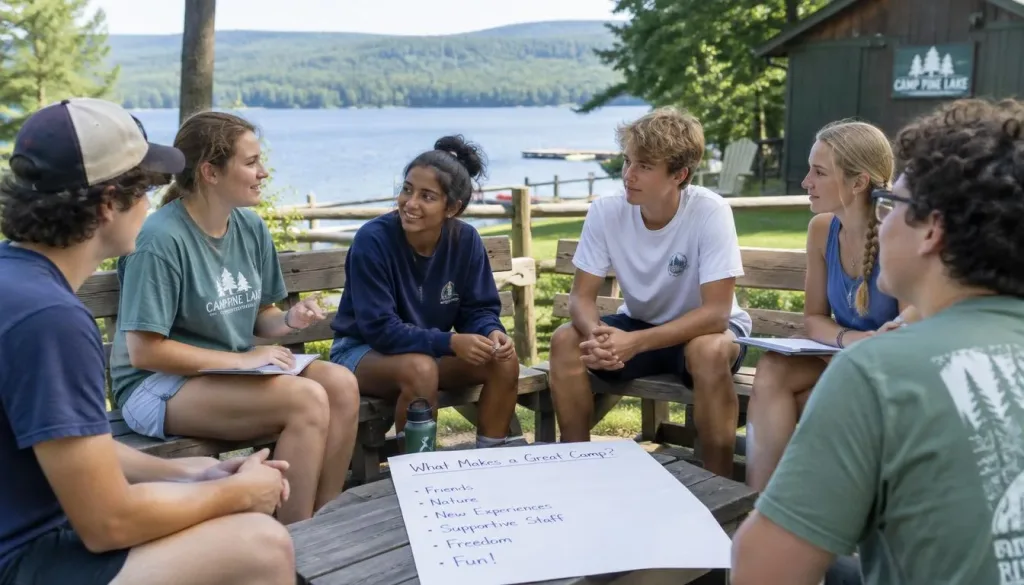
Answering why you want to work in the USA requires demonstrating how your personal skills and cultural curiosity match the daily responsibilities of a real job. In a summer camp recruitment interview, recruiters look for a balance between enthusiasm for American camp life and a genuine commitment to supporting children. Here is a concise way to frame your answer:
“I want to work in the USA because I’m interested in experiencing a different culture while contributing to a team. A summer camp role particularly appeals to me because I enjoy helping young people and could bring my experience in [relevant activity or responsibility]. I’d like to develop my communication and leadership skills while helping campers have a positive summer.” Replace the bracketed detail with your actual background, tailoring the wording so it reflects your genuine voice.
How to answer “Why do you want to work in the USA?”
A persuasive response explains both what you hope to gain from the summer and what you are prepared to give back to the camp community. Interviewers want to understand your personal motivations, but they also need evidence that you are dependable, adaptable, and focused on the campers’ wellbeing.
Structuring your thoughts around a four-part framework keeps your explanation clear and professional:
- Explain what interests you about the experience: Mention your curiosity about living in an American community or your desire to experience working life outside the UK.
- Connect that interest to the specific camp role: Show that your focus is on the day-to-day job rather than just visiting a foreign destination.
- Give evidence of what you can contribute: Mention practical strengths such as coaching, creative hobbies, teamwork, or experience working under pressure.
- Explain what you hope to learn: Identify realistic personal goals, such as building confidence, learning new activity-leading techniques, or managing groups.
What makes a strong answer for a summer camp role?
Recruiters evaluate candidate responses against practical workplace expectations rather than scripted perfection. A compelling answer highlights how your everyday habits, teamwork, and outlook align with the busy reality of residential camp life.
Focusing on the following principles helps demonstrate that you are prepared for the demands of the season:
Essential qualities of an effective response:
A strong answer demonstrates genuine enthusiasm for mentoring young people, combined with an understanding of camp routines and communal living. It grounds your claims in transferable skills gained from school, volunteering, or part-time employment, while showing an eagerness to learn from colleagues of diverse backgrounds. Crucially, it reflects realistic expectations about long days, outdoor settings, and the energy required to support children through their daily challenges.
Reasons you might genuinely want to work in America
There are many valid reasons to seek seasonal employment across the Atlantic, provided you connect your personal goals directly to the work you will perform. Reflecting on your honest intentions makes it easier to sound natural when answering questions during recruitment conversations.
Cultural community
Living alongside American staff and international peers offers an immersive cultural exchange experience that sightseeing cannot provide. You share daily responsibilities, meals, and cabin life while learning how different communities collaborate.
Activity coaching
American camps run extensive programmes in sports, arts, outdoor pursuits, and performance. Contributing your practical interests gives children structured opportunities to build skills, make friends, and stay active.
Personal resilience
Navigating an unfamiliar environment encourages independence, problem-solving, and emotional maturity. Managing daily schedules and adapting to unexpected weather builds practical workplace confidence that stays with you.
Other valid motivations include gaining structured leadership experience relevant to future study, youth work, or teaching. Seasonal camp roles provide practical responsibility that cannot be matched by sedentary office work.
Five example answers for summer camp applicants
The following illustrative examples show how applicants with different backgrounds can express their motivations clearly. Review them as structural guides rather than scripts, and adapt the phrasing to reflect your personal circumstances.
1. A first-time applicant with transferable skills
“I want to work in America because I would love to experience an active, team-centred workplace in a new culture. In my part-time retail role, I regularly handle busy shifts, listen to customer concerns, and support colleagues during peak hours. Working at an American summer camp allows me to apply that reliability and patience to an outdoor setting, where I can help campers stay organised and feel included in daily activities.”
2. A sports-focused applicant
“I am keen to work in the USA because American camps have such a strong tradition of encouraging young people through sport. I have assisted with coaching at my local football club, where my focus was always on teamwork and making drills accessible for everyone. I want to bring that inclusive approach to camp sessions, helping children build confidence, try new games, and enjoy being active together.”
3. A creative applicant
“I want to join a summer camp team in the United States because I enjoy using creative projects to bring people together. Through running arts and crafts workshops at university, I have learned how to encourage shy participants to express their ideas freely. At camp, I want to organise engaging studio sessions where campers feel proud of what they create, while learning how an American arts department operates.”
4. An applicant with experience supporting young people
“My primary reason for applying to work in America is to support children in an environment dedicated entirely to their social growth. Having volunteered as a peer mentor at school, I understand the importance of active listening, patience, and clear routines. A residential camp role provides an opportunity to support campers through homesickness and new friendships, while allowing me to expand my youth-work skills.”
5. An applicant interested in cultural exchange
“I am excited about working in the USA because I want to participate in a genuine cultural exchange experience within a close-knit camp community. I look forward to sharing British traditions and sports with campers, while learning about American camp customs and collaborating with staff from around the world. Being part of a diverse team will help me become a more adaptable and open-minded youth leader.”
Always adapt these examples to match your actual history. Interviewers can tell when an applicant is reciting memorised phrasing rather than describing real moments from their education, work, or hobbies.
What to avoid in your answer
Certain phrasing can unintentionally give the impression that you view a camp placement as a subsidised holiday rather than an active, demanding role. Avoiding unhelpful habits keeps your recruitment conversation constructive and focused on your suitability.
Review the comparison below to understand how common missteps can be revised into professional explanations:
| Less effective wording | Why it needs work | A more specific alternative |
| I love travelling | Focuses on holiday | Explain how living in an active camp community supports your interest in working with children. |
| I need experience | One-sided response | Highlight what you plan to contribute to the activity team alongside what you hope to learn. |
| I am friendly | Lacks clear evidence | Share a specific example of assisting younger pupils or collaborating during group projects. |
| Camp looks easy | Ignores responsibility | Acknowledge the dedication needed to lead group sessions and keep campers supported. |
Never invent previous childcare qualifications, leadership roles, or hobbies that you cannot deliver once at camp. You do not need to hide an interest in travel, but you should always show that the responsibilities of the role come first.
“Why the USA?” and “Why summer camp?” are different questions
Candidates sometimes treat questions about location, programme type, and specific organisations as interchangeable. Addressing each dimension distinctly demonstrates clarity of thought and careful preparation.
- Focuses on the broader setting, American culture, and international teamwork.
- Explores your curiosity about living in a different society and learning its traditions.
- Connects your desire for independence with navigating an overseas workplace.
Why the USA?
- Focuses directly on working with young people in an outdoor, residential setting.
- Demonstrates your readiness for round-the-clock pastoral care and active duties.
- Shows enthusiasm for community spirit, camp songs, and shared group cabin life.
Why summer camp?
When interviewers ask about your specific role or your interest in Camp New York, explain how your individual skills match the published programme options. Researching the organisation beforehand helps you discuss practical camp responsibilities with confidence.
How to personalise your answer in five steps
Personalising your interview response prevents you from sounding rehearsed while ensuring you cover all necessary points. Working through a short self-assessment helps you identify your strongest talking points before your interview.

Follow these five steps to draft a natural, professional response:
- Write down one honest reason why working in America appeals to you.
- Identify one specific camp activity or responsibility that matches your skills.
- Select a genuine example from your study, volunteering, or work where you demonstrated responsibility.
- Explain how that experience helps you support campers or collaborate with co-counsellors.
- Practise speaking your answer aloud, cutting out any corporate jargon or awkward phrases.
Fill-in-the-blank answer template:
“I want to work in the USA because [genuine motivation]. A camp role appeals to me because [interest in the work]. Through [real experience], I’ve developed [relevant skill], which I could use to [contribution]. I’d also like to learn [realistic development goal].”
Preparing for your Camp New York application
A well-prepared application gives camp directors a clear picture of what you will bring to their seasonal team. Reviewing your background thoroughly helps you submit clear answers across every stage of the recruitment process.
- Read through current role profiles to understand specific camp duties and age groups.
- Check seasonal availability dates and programme eligibility criteria before starting.
- List practical hobbies, sports, and creative interests that you can teach or supervise.
- Gather contact details for professional or academic referees who can verify your character.
- Prepare realistic examples that demonstrate patience, adaptability, and teamwork.
Taking time to review official guidance helps you approach each stage methodically and communicate your motivations with confidence.
Frequently asked questions
How do I answer “Why do you want to work in the USA?”
Focus on your interest in experiencing American work culture and connecting with an international team. Link that curiosity directly to the camp role by explaining the practical skills you can contribute to supporting campers.
What is a good answer for a summer camp interview?
A strong answer highlights your enthusiasm for mentoring young people alongside specific examples of teamwork, patience, or activity leadership. It shows that you understand the active nature of camp life and are eager to contribute.
Can I mention travel as a reason?
You can mention an interest in exploring America, but it should not be your primary motivation. Make sure interviewers see that your focus is on fulfilling your camp duties and supporting campers throughout the season.
What if I have never worked at camp before?
Highlight transferable strengths from school projects, babysitting, sports clubs, or part-time customer service roles. Demonstrate your willingness to learn, adapt to new routines, and work collaboratively with fellow counsellors.
Should I memorise my interview answer?
Avoid memorising full sentences, as this can make your delivery sound stiff and scripted. Memorise key points and real examples instead, allowing you to speak naturally and conversationally during your discussion.
Is this the same as answering a visa interview question?
No, this guidance is specifically designed for recruitment conversations with camp organisations. For consular or immigration interviews, always follow official government instructions and answer all questions truthfully regarding your individual circumstances.
Turn your reasons into a summer camp application
You do not need a perfect speech to succeed in your summer camp interview. You need an honest explanation of why the experience interests you and what you could contribute. Explore summer camp roles with Camp New York, check the current requirements, and take the next step towards your application.