
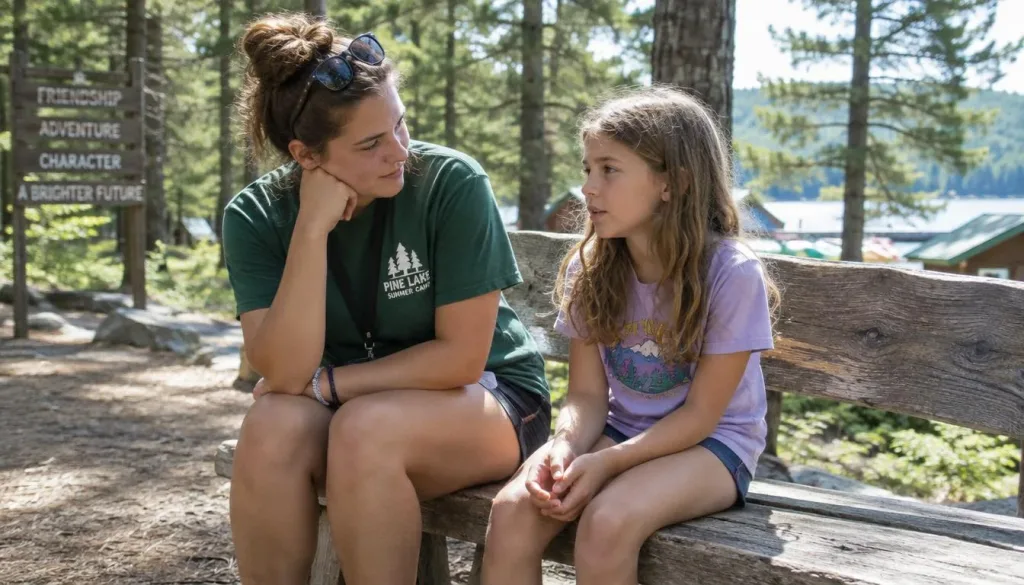
Children’s Mental Health Week highlights the importance of understanding the daily experiences, emotions and perspectives of young people. When a camper pauses at the edge of a sports field, arrives in an unfamiliar cabin or looks for a reassuring listener, thoughtful adult support helps that child feel recognised and secure. Being an effective camp counsellor involves paying attention to individual needs just as much as leading games and organising outdoor adventures.
Camp New York values the dedication of staff who combine enthusiasm with genuine care and practical awareness. Organised by the charity Place2Be, the national awareness campaign takes place from 1–7 February 2027 under the theme “Step into Our World”. While February falls outside the traditional summer camp season, exploring these principles helps leaders prepare welcoming environments long before the first campers arrive.
When is Children’s Mental Health Week?
Children’s Mental Health Week 2027 takes place from 1–7 February. The awareness week was launched by the children’s mental health charity Place2Be in 2015 to give children and young people an active voice and highlight the importance of emotional wellbeing.
Each year introduces a distinct focus designed to help schools, youth organisations and communities explore emotional health together. Because dates, themes and community initiatives change each year, details should be reviewed ahead of future campaigns.
Place2Be provides free resources, community guidelines and educational materials annually to support youth-focused organisations across the United Kingdom during the campaign week.
What does “Step into Our World” mean?
The 2027 theme, “Step into Our World”, encourages adults to look at environments, expectations and relationships through the eyes of children and young people. Rather than assuming that adults automatically understand what a child feels, the theme invites curious, patient listening and unhurried observation.
Adults can use simple questions to reflect on their own approach when welcoming young people into new activities or shared spaces. These prompts serve as helpful personal reflections rather than formal assessment criteria:
- What might feel unfamiliar here?
- Have I explained the activity clearly?
- Does this child have a comfortable way to participate?
- Am I listening without making assumptions?
- Who should I ask for guidance if I am concerned?
Reflecting on these questions encourages leaders to adapt games, adjust instructions and respect individual boundaries without making young people feel judged or singled out.
Why this matters for summer camp counsellors
Summer camp presents campers with rapid transitions, including communal living, unfamiliar schedules and new social groups. While some children thrive on immediate immersion, others require extra time, quiet reassurance or modified choices to settle comfortably into daily camp life.
Supporting children’s wellbeing at summer camp means recognising these differences in communication, energy and sensory preferences. Typical experiences such as mild homesickness or temporary shyness are normal parts of adjusting to camp and do not indicate a mental health condition.
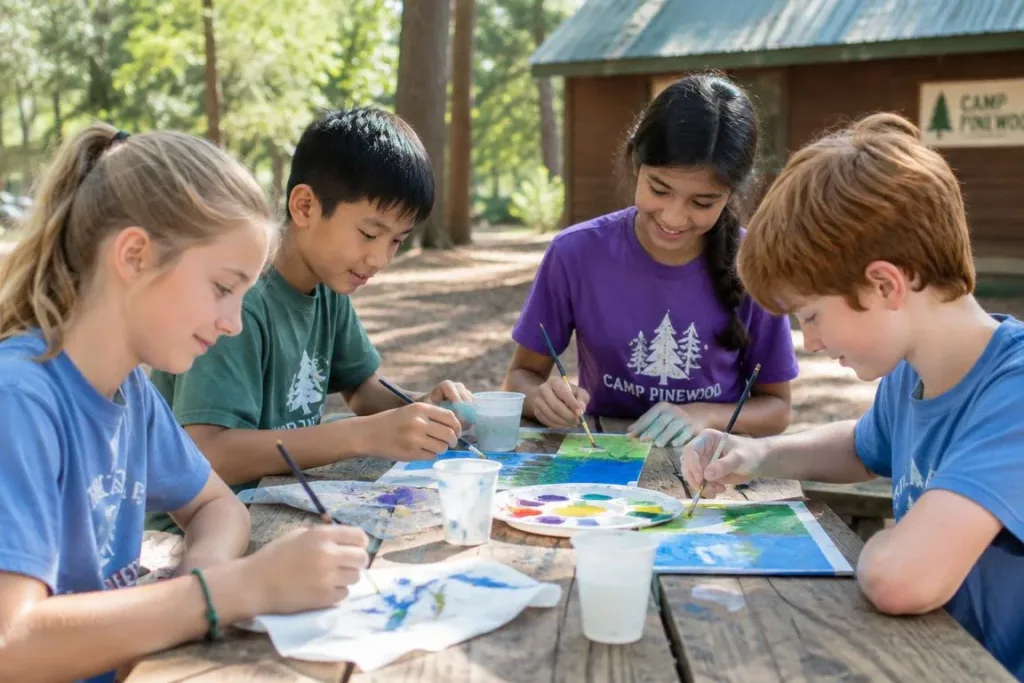
Encouraging collaborative, low-pressure group tasks helps campers connect at their own pace.
Counsellors support campers by welcoming them warmly, explaining routines clearly, fostering everyday kindness and avoiding unnecessary public attention. The following table illustrates practical ways to handle common group situations while keeping participation comfortable and positive.
| Situation | Inclusive response | What to avoid |
| Reluctant in sports | Offer helper roles | Do not force reluctant children into competitive games before a group. |
| Loud dining hall | Arrange quiet corners | Avoid treating sensitivity to noise or crowds as uncooperative behaviour. |
| Mild homesickness | Acknowledge feelings | Never dismiss homesickness or promise unapproved phone calls home. |
| Hesitant in craft | Pair with peers | Avoid drawing public attention to incomplete work or slower project progress. |
A camp counsellor is not a mental health therapist
The term “counsellor” at summer camp describes a youth mentor, activity leader and pastoral guide, not a qualified clinical therapist or psychologist. Summer camp counsellors do not diagnose emotional conditions, provide clinical treatments or manage complex psychological needs independently.
Responsible camp practice focuses on approachable mentorship, observant care and following established operating guidelines. Asking camp leadership for guidance and reporting emerging concerns are hallmarks of mature, professional youth work rather than indications of personal failure.
Counsellors must never attempt to act as private therapists, conduct unauthorised assessments or take exclusive personal responsibility for a camper’s emotional health.
Everyday ways to help campers feel included
Fostering an inclusive atmosphere requires small, consistent actions throughout each day. Helping children feel included happens during morning line-ups, meal times, transition periods and cabin clean-ups just as much as during structured sports or arts periods.
General good-practice approaches help create an environment where young people feel respected and heard:
- Learn and consistently use the names and pronunciations that campers request.
- Explain instructions clearly and check understanding without putting individuals on the spot.
- Offer varied levels of participation without forcing reluctant individuals into the spotlight.
- Make dedicated space for quieter ideas during group discussions and cabin meetings.
- Avoid comparing siblings, cabin mates or peer groups publicly.
- Notice who sits on the periphery and gently invite them into social circles.
- Model respectful, considerate language when resolving everyday disagreements.
- Follow through on everyday commitments made to campers to build mutual trust.
- Ask senior leadership for advice when unsure how to adapt an activity for specific needs.
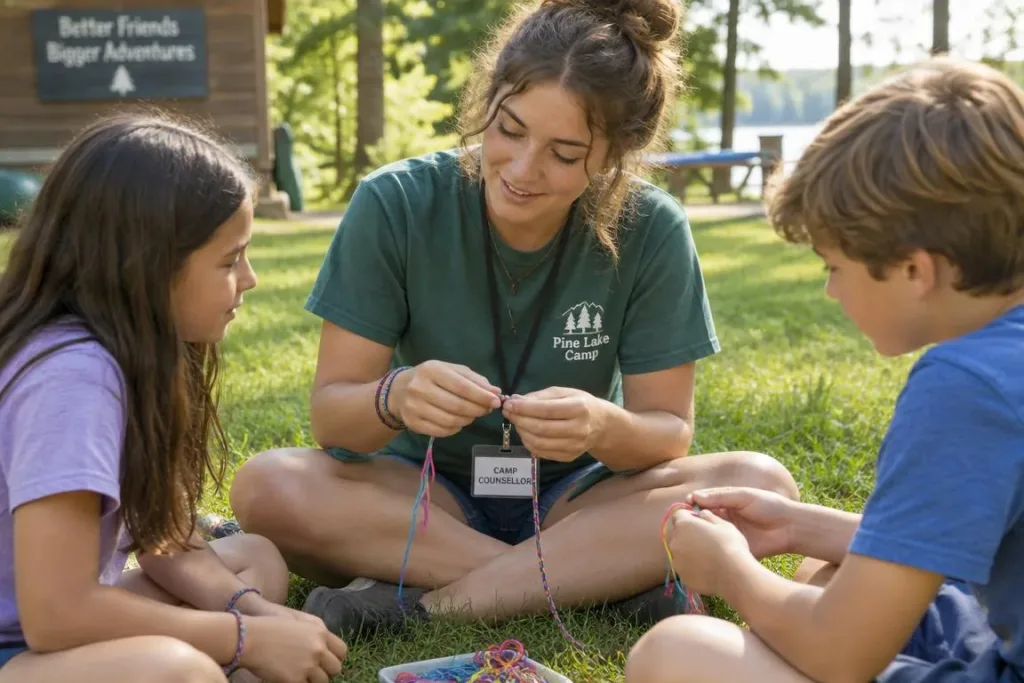
Small, quiet moments of skill-sharing allow counsellors to build positive rapport with campers.
Five activity ideas inspired by Children’s Mental Health Week
These optional, non-clinical Children’s Mental Health Week activities can be adapted for summer programmes with camp director approval. They focus on shared creativity, perspective-taking and teamwork rather than personal emotional disclosures.
1. Favourite Things Collage
Campers draw or cut out magazine pictures showing hobbies, outdoor scenes or foods they enjoy. Children retain complete control over whether they display their collage or keep it private inside their personal camp journal.
2. Cooperative Building
Small groups use wooden blocks, cardboard tubes or natural materials to construct a freestanding structure. The task rewards mutual communication, listening and shared decision-making over speed or structural height.
3. Story Perspective Challenge
Using a familiar, age-appropriate fictional story, campers examine how different storybook characters perceived a single event. Campers explore differing viewpoints without being asked to share vulnerable personal memories.
4. Kindness-in-Action Poster
Cabin groups brainstorm tangible actions that make a new bunkmate feel comfortable, writing practical suggestions on a shared banner. The session avoids competitive point-scoring or public popularity votes.
5. Choice-Based Creative Workshop
Staff offer simultaneous creative stations such as sketching, creative writing, clay sculpting or quiet nature observation around a shared theme. Campers select the medium that suits their energy level and preference.
What to do when a camper needs more support
When a camper shows persistent distress, withdrawal or behavioural changes, counsellors must follow standard camp protocols rather than handle the matter alone. Clear boundaries safeguard both the camper and the staff member providing immediate care.
Counsellors should keep the following procedural boundaries in mind during all interactions:
Never promise confidentiality to a child, avoid pressing for distressing personal details, and refrain from discussing camper situations casually with colleagues. Always follow camp recording procedures and contact designated medical or leadership staff immediately if safety is at risk.
Supporting the team matters too
Working closely with young people in an active outdoor setting is rewarding, but it also demands sustained energy, patience and emotional maturity. Staff teams function at their best when individual counsellors recognise their personal limits and understand where to find internal guidance.
Prospective staff should actively inquire about camp support structures before their summer contract begins:
- Pre-season induction schedules and mandatory safeguarding training modules.
- Designated leadership supervisors, head counsellors and health centre liaisons.
- Clear written guidance regarding role boundaries and daily responsibilities.
- Confidential procedures for sharing pertinent camper medical or educational accommodations.
- Established operational protocols for staff rest, escalation and peer support.
What this means for your Camp New York application
Applicants for summer camp counsellor jobs do not need formal clinical qualifications or psychology degrees to be successful. Camp directors look for candidates who demonstrate reliable communication, genuine patience, an ability to collaborate and an awareness of personal boundaries.
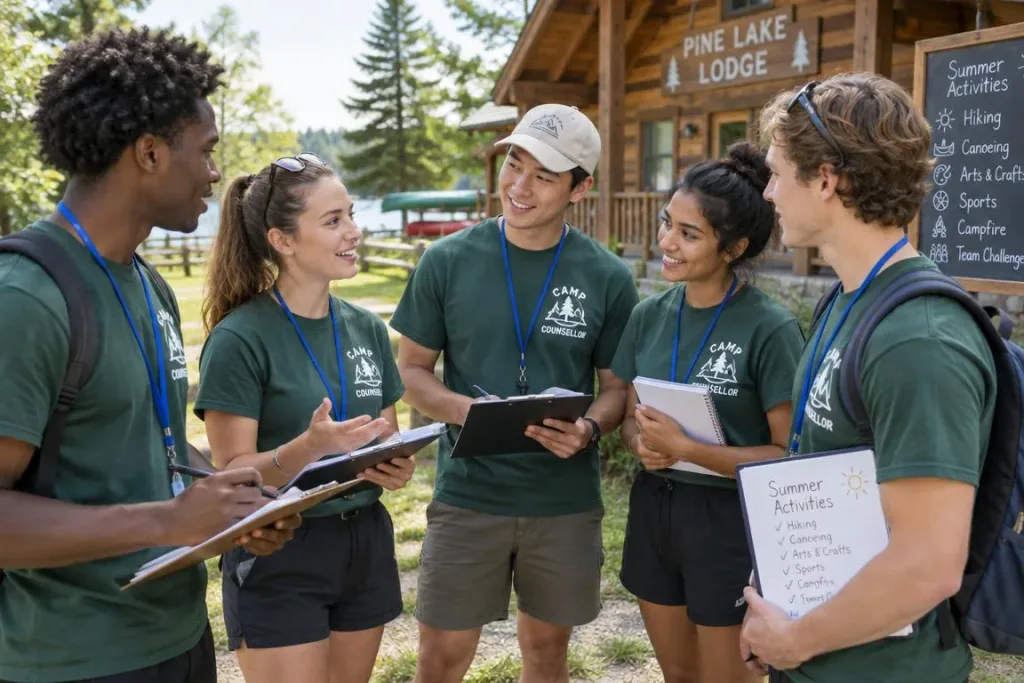
Effective camp teams depend on shared preparation, clear communication and mutual support.
When preparing an application, highlighting relevant experience with children, extracurricular youth leadership and practical team problem-solving demonstrates readiness for camp life:
- Review core counsellor responsibilities, expectations and living arrangements thoroughly.
- Verify current international visa eligibility criteria and application requirements.
- Understand safeguarding obligations and commit to mandatory child protection policies.
- Provide verifiable examples of supervising young people in community or school settings.
- Demonstrate flexible planning skills that accommodate varying abilities and backgrounds.
- Highlight personal teamwork, punctuality and reliable communication habits.
- Show a clear willingness to seek supervision and guidance whenever questions arise.
Frequently asked questions
When is Children’s Mental Health Week 2027?
Children’s Mental Health Week 2027 takes place from 1–7 February.
What is the theme for 2027?
The official theme for 2027 is “Step into Our World”, focusing on seeing everyday situations through young people’s eyes.
Who organises Children’s Mental Health Week?
The national awareness campaign was launched in 2015 and is organised by the children’s mental health charity Place2Be.
Is a camp counsellor the same as a mental health counsellor?
No, a summer camp counsellor is a youth mentor and activity leader rather than a licensed healthcare professional or therapist.
What activities can help campers feel included?
Collaborative craft projects, cooperative non-timed building games and creative choice-based sessions help campers connect without social pressure.
Do I need mental health qualifications to apply for a camp role?
Mental health qualifications are not required, though camps expect empathy, maturity, relevant experience with children and adherence to safeguarding protocols.
Bring empathy and responsibility to camp
Active listening, inclusive activity planning and knowing when to ask for guidance form the foundation of responsible youth work at summer camp. When leaders take the time to understand each child’s world, camp becomes a setting where young people can explore activities comfortably at their own pace.
Considering a counsellor role for the upcoming summer?
If you enjoy supporting young people, working as part of a team and helping activities feel welcoming, explore camp counsellor roles with Camp New York. Read the responsibilities, check the current requirements and think about the experience you could bring.