

New York City transforms into a playground of possibilities when summer arrives. The best part? You don’t need a bulging wallet to experience it.
The best free things to do in NYC this summer span every neighborhood. From world-class museums offering pay-what-you-wish days to outdoor concerts under the stars, this city delivers unforgettable moments without the price tag.
Parents searching for budget-friendly options will find plenty of activities perfect for teens and families. Many of these experiences are even better with friends and guidance—that’s why Camp New York designs teen programs around NYC’s best free spots New Summer Programs.
This guide covers everything from iconic landmarks to hidden gems. Whether you’re a local looking for new adventures or visiting for the first time, these free summer activities in NYC will help you create lasting memories without breaking the bank.
Why Free Activities Make NYC Summers Unforgettable

Summer in New York City offers something magical. The warm weather brings the entire city outdoors, creating an energy you won’t find anywhere else.
Free activities in NYC allow you to experience the city’s authentic character. You’ll encounter locals and visitors from every corner of the world, all gathering at parks, plazas, and public spaces that define the New York experience.
Budget constraints shouldn’t limit exploration. This city was built on the idea that culture, art, and entertainment belong to everyone. The free things to do in New York this summer reflect that democratic spirit.
For families with teens, free activities offer flexibility. You can sample different experiences without financial commitment, letting your teens discover what truly interests them. They might find a passion for art at a free museum day or connect with nature on a riverside walk.
The variety available during summer months is staggering. On any given day, you could attend an outdoor concert, explore a historic neighborhood, relax in a waterfront park, or catch a free movie screening. This abundance means every week can bring fresh adventures.
Free Parks and Outdoor Spaces: NYC’s Green Oases
New York City’s parks serve as the lungs of the metropolis. These green spaces provide refuge from concrete and crowds while offering countless ways to spend summer days.
Central Park: The Crown Jewel of Manhattan

Central Park remains the most iconic green space in New York City. This 843-acre masterpiece offers something different around every bend, making it perfect for repeated visits throughout summer.
The Great Lawn becomes a gathering place for picnics, frisbee games, and sunbathing. Teens love this open space for meeting friends or just lounging with a good book. The relaxed atmosphere makes it easy to spend an entire afternoon here.
Bethesda Terrace and Fountain create one of the park’s most photographed spots. The ornate architecture and street performers provide endless entertainment. You’ll often find musicians, dancers, and artists sharing their talents with appreciative crowds.
Belvedere Castle offers panoramic views of the park and city skyline. This miniature castle sits atop Vista Rock and provides a perfect vantage point for understanding Central Park’s vast layout. The nature observatory inside teaches visitors about local wildlife.
The Ramble creates a woodland experience in the heart of Manhattan. These 38 acres of winding paths and dense foliage attract birdwatchers and nature lovers. It’s one of the best places in the city to feel completely removed from urban life.
The High Line: Elevated Urban Garden

The High Line revolutionized how cities think about repurposing infrastructure. This elevated park built on former railroad tracks stretches 1.45 miles through Manhattan’s West Side, offering a unique perspective on the city.
Native plantings create a natural garden environment. The landscape designers chose species that thrive without intensive maintenance, resulting in a wild, prairie-like aesthetic that changes with the seasons. Summer brings vibrant blooms and lush greenery.
Art installations throughout the park rotate regularly. You might encounter sculptures, murals, or performance art during your visit. This commitment to public art makes each trip to the High Line a new experience.
The views encompass the Hudson River, Chelsea neighborhood, and Meatpacking District. Architectural enthusiasts appreciate the contrast between historic buildings and modern glass towers. Multiple access points along the route let you explore at your own pace.
Food vendors and nearby eateries make it easy to grab refreshments. The Chelsea Market sits adjacent to one section, though you’ll find plenty of options throughout the neighborhood. Many visitors pack picnics to enjoy at the various seating areas.
Brooklyn Bridge Park: Waterfront Wonder

Brooklyn Bridge Park transforms 85 acres of waterfront into one of the city’s premier outdoor destinations. The views alone make this location worth visiting, but the park offers much more than scenery.
Jane’s Carousel enchants visitors of all ages. While rides cost $2, watching the beautifully restored 1922 carousel from outside is free. The glass pavilion housing it creates a stunning architectural statement on the waterfront.
Multiple piers provide distinct experiences. Pier 1 features a Harbor View Lawn perfect for picnics with unobstructed Manhattan views. Pier 2 houses sports facilities including basketball courts, handball courts, and roller skating rinks—all free to use.
The playgrounds throughout the park rank among NYC’s best. Water features keep kids cool during hot summer days. Parents appreciate the thoughtful design that allows supervision while kids explore safely.
Walking paths connect all sections of the park. You can stroll from Dumbo to Brooklyn Heights while taking in constant views of the Manhattan skyline, Statue of Liberty, and New York Harbor. Sunset visits offer particularly spectacular photo opportunities.
Bryant Park: Midtown Manhattan Retreat

Bryant Park proves that even a compact green space can become a beloved urban retreat. This nine-acre park behind the New York Public Library punches well above its weight in terms of programming and atmosphere.
The lawn hosts free movie nights throughout summer. Bring a blanket and arrive early to secure a good spot. The lineup typically includes classic films and recent favorites. The communal viewing experience under the stars creates a magical atmosphere.
Free fitness classes take place several mornings per week. Yoga sessions attract office workers and tourists alike. These classes fill up quickly, so arriving 15-20 minutes early ensures participation. The instruction quality rivals paid studio classes.
Chess and backgammon tables line one section of the park. Players of all skill levels gather here for friendly matches. Watching the games provides entertainment even if you don’t participate. The concentration and camaraderie create a unique slice of New York life.
The Reading Room operates throughout summer. Comfortable seating and available books make this a perfect spot for quiet reading time. The library’s presence adds an intellectual atmosphere to the entire park.
Prospect Park: Brooklyn’s Answer to Central Park

Prospect Park in Brooklyn rivals its Manhattan counterpart in beauty and offerings. Many Brooklyn residents argue it surpasses Central Park in natural landscape design. The 526 acres provide ample room for every summer activity imaginable.
The Long Meadow stretches 90 acres without interruption. This makes it North America’s longest unbroken meadow. The open space accommodates soccer games, kite flying, and massive picnics simultaneously without feeling crowded.
The Prospect Park Zoo borders the park, though admission charges apply. However, the animals near the edges sometimes provide free viewing opportunities. The surrounding parkland offers plenty of wildlife viewing regardless.
Lakeside activities include bird watching and peaceful walks. The Audubon Center at the Boathouse provides free nature programs and educational exhibits. Rangers lead nature walks that teach participants about the park’s ecology and history.
The park’s design by Olmsted and Vaux (who also designed Central Park) emphasizes natural beauty. Rolling hills, wooded areas, and meadows create varied landscapes. Each section offers a different ambiance and attracts different activities.
Hudson River Park: Manhattan’s Western Shore

Hudson River Park stretches five miles along Manhattan’s western edge. This ribbon of green space connects neighborhoods from Battery Park to West 59th Street, providing continuous waterfront access.
Multiple piers extend into the river, each with unique features. Pier 45 in Greenwich Village offers sunset views and a spacious lawn. Pier 84 near Hell’s Kitchen hosts community events and provides open space for recreation.
The bike path runs the entire length of the park. Cycling from downtown to midtown reveals how different Manhattan neighborhoods feel. The path stays separate from pedestrian walkways, ensuring safety for all users.
Free kayaking programs operate at several locations during summer. Downtown Boathouse provides equipment and instruction at no cost. The opportunity to paddle on the Hudson River provides a completely different perspective on the city.
Playgrounds, sports fields, and dog runs serve community needs throughout the park. The variety ensures that everyone finds something to enjoy. Water features and spray showers keep kids cool during hot summer days.
Experience NYC’s Green Spaces with Guidance & Friends
While exploring parks independently offers freedom, many teens thrive when discovering these spaces with peers. Camp New York organizes small groups to explore Central Park, the High Line, and waterfront parks, combining the joy of free activities with new friendships and experienced supervision.
Free Museums and Gallery Days: Culture Without Cost

New York City houses some of the world’s greatest museums. While many charge admission, strategic planning lets you visit most major institutions for free or at minimal cost.
The Metropolitan Museum of Art: Pay-What-You-Wish for New York Residents

The Met stands as one of the world’s premier art museums. New York State residents and students from New York, New Jersey, and Connecticut can visit using a pay-what-you-wish policy. This makes one of the planet’s finest art collections accessible to local families.
The collection spans 5,000 years of art from every corner of the globe. Egyptian artifacts, European paintings, Asian art, and contemporary installations fill over two million square feet of gallery space. A single visit can’t cover everything.
The rooftop garden opens seasonally with spectacular Central Park and skyline views. This space alone justifies a visit. The rotating sculpture installations provide perfect photo opportunities against the city backdrop.
Family programs and gallery talks happen throughout the week. These free educational offerings help visitors understand and appreciate the artworks. Teens particularly enjoy programs designed for their age group.
Plan multiple shorter visits rather than attempting to see everything at once. Focus on specific collections or time periods during each trip. The museum’s size can overwhelm first-time visitors without a strategy.
Museum of Modern Art: Free Friday Evenings

MoMA offers free admission every Friday from 4:00 PM to 8:00 PM thanks to UNIQLO’s sponsorship. This program lets everyone experience one of the world’s most influential modern art museums without the typical $25 admission fee.
The collection includes iconic works by Picasso, Warhol, Van Gogh, and countless other masters. Seeing these pieces in person creates an entirely different experience than viewing reproductions. The scale and detail reveal themselves only through direct observation.
The sculpture garden provides an outdoor gallery experience. This serene space in the middle of Manhattan offers respite from the bustling streets. The combination of art and nature creates a meditative atmosphere.
Film screenings and performances happen regularly. While some require separate tickets, many are included with museum admission. The film program particularly appeals to teens interested in cinema and media arts.
Arrive right at 4:00 PM to avoid long lines. The museum gets progressively busier as the evening continues. Strategic timing ensures you maximize your visit without spending the whole time in crowds.
American Museum of Natural History: Pay-What-You-Wish for New York Residents
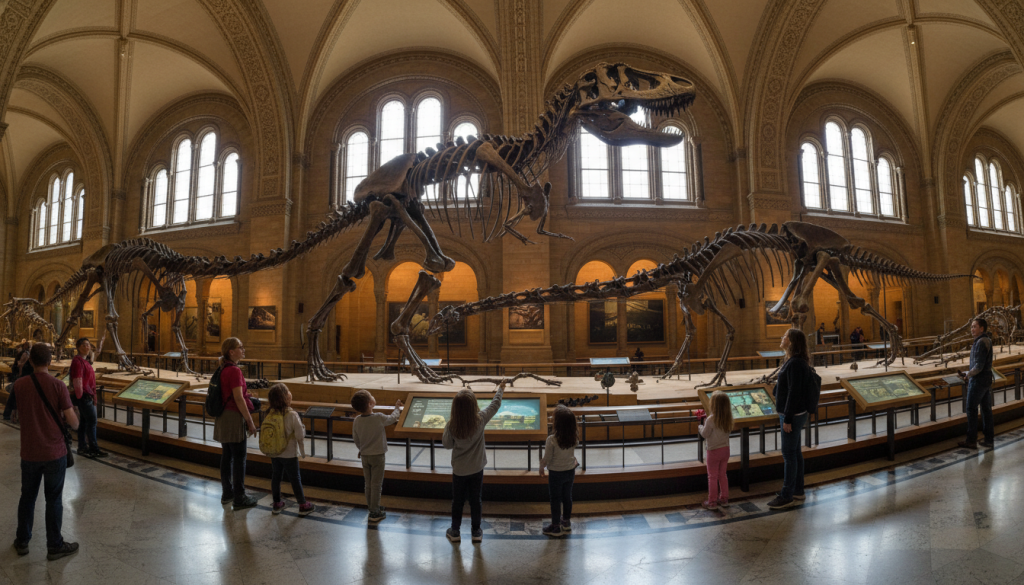
The American Museum of Natural History captivates visitors with dinosaur fossils, wildlife dioramas, and cultural artifacts. New York State residents can access the general collection using pay-what-you-wish admission.
The dinosaur halls remain the museum’s most popular attraction. Standing beneath a towering T-Rex skeleton creates an awe-inspiring moment for any age. The collection represents millions of years of Earth’s history.
The Hall of Ocean Life features a 94-foot blue whale model suspended from the ceiling. This massive representation helps visitors understand the true scale of these magnificent creatures. The surrounding marine exhibits explore ocean ecosystems.
Cultural halls showcase human diversity across time and geography. From African masks to Pacific Island artifacts, these exhibits teach respect for different cultures and civilizations. The anthropological perspective broadens understanding of humanity.
The Rose Center for Earth and Space houses the Hayden Planetarium. While planetarium shows require separate tickets, the center’s architectural grandeur and free exhibits about the cosmos make it worth visiting regardless.
Brooklyn Museum: Free First Saturday Program
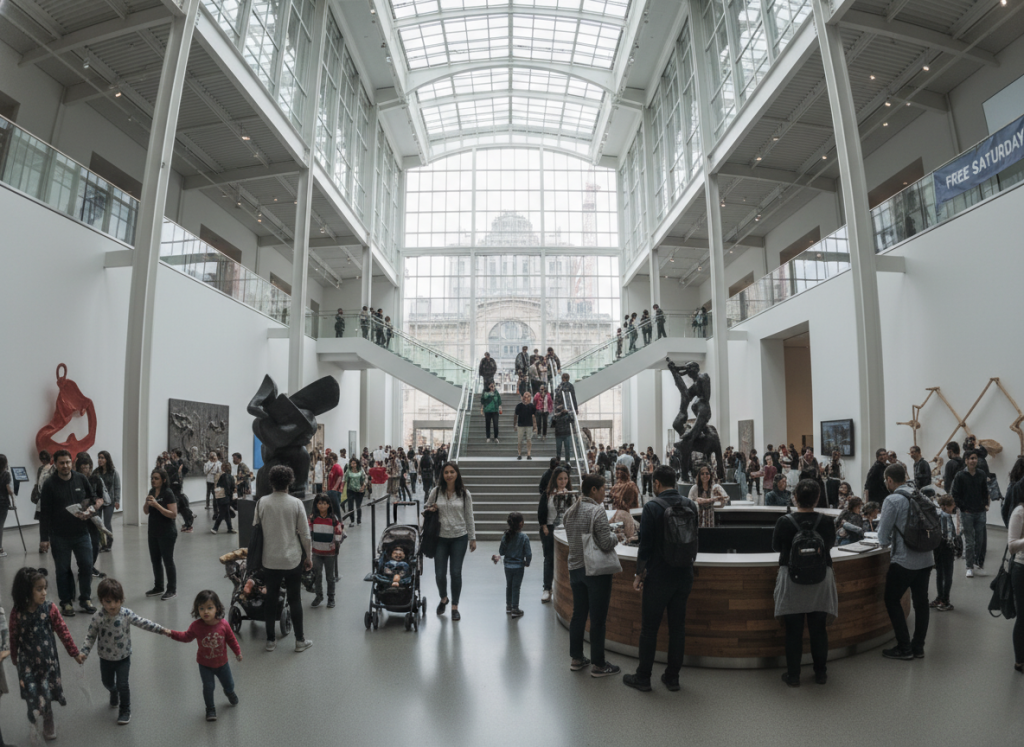
The Brooklyn Museum hosts Target First Saturdays from 5:00 PM to 11:00 PM monthly. These events combine free admission with live performances, art-making activities, and special programs. The extended evening hours create a social atmosphere unlike typical museum visits.
The museum’s collection rivals any major institution. Egyptian artifacts, American art, feminist art, and contemporary works fill the galleries. The Egyptian collection particularly impresses with its breadth and quality.
The Elizabeth A. Sackler Center for Feminist Art houses Judy Chicago’s “The Dinner Party.” This landmark installation honors women throughout history. The surrounding galleries explore feminist themes through various media and time periods.
Live music performances during First Saturdays span genres from jazz to electronic. The concerts take place in the museum’s stunning Beaux-Arts Court. Dancing among the exhibits creates a memorable evening experience.
Art-making workshops let visitors create their own pieces. These hands-on activities appeal to teens who prefer doing over observing. Professional artists often lead the sessions, providing expert guidance.
The Cloisters: Medieval Art in a Garden Setting

The Cloisters, part of the Metropolitan Museum of Art, occupies a hilltop in Fort Tryon Park. This branch museum specializes in medieval European art and architecture. The building itself incorporates elements from five medieval French cloisters.
The gardens recreate medieval horticultural practices. Over 250 species of plants fill the grounds, many documented in medieval manuscripts. The peaceful gardens provide contemplative spaces between gallery visits.
The Unicorn Tapestries rank among the museum’s most treasured objects. These seven tapestries from around 1500 depict the hunt of the unicorn through dense, detailed imagery. The symbolism and artistry reward extended viewing.
The location offers stunning Hudson River views. The journey to reach the museum takes you through Fort Tryon Park, one of Manhattan’s most beautiful green spaces. The elevated position provides a sense of escape from urban density.
New York State residents and students receive the same pay-what-you-wish admission as the main Met location. The suggested admission covers both museums on the same day, though most visitors choose to experience each separately.
Free Concerts, Movies, and Festival Events
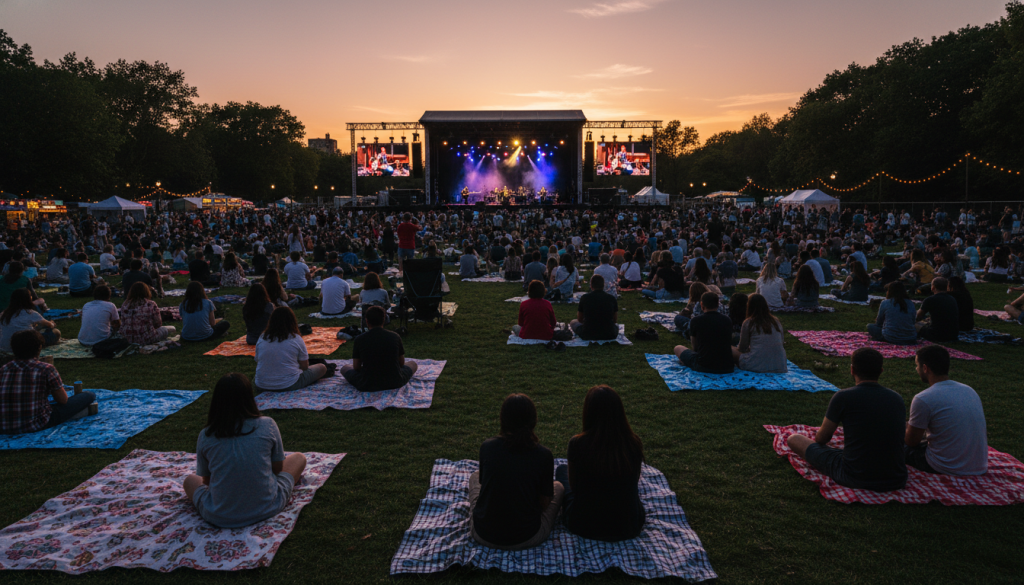
Summer in New York City pulses with free entertainment. Nearly every day brings concerts, film screenings, or cultural festivals to parks and public spaces across all five boroughs.
SummerStage: Central Park’s Concert Series

SummerStage presents over 100 free performances each summer. The series spans music genres from hip-hop to classical, plus comedy, spoken word, and dance. The main stage in Central Park’s Rumsey Playfield becomes the epicenter of NYC’s free summer entertainment.
World-renowned artists perform alongside emerging talent. Past performers include everyone from indie rock bands to Latin music stars to electronic DJs. The diverse programming ensures something appeals to every musical taste.
Shows at the main Central Park location are free but require advance RSVP. The system prevents overcrowding while maintaining access. Additional shows happen in parks throughout the five boroughs, many without RSVP requirements.
Arriving early secures better viewing positions. People often picnic on the lawn before shows begin. The pre-concert socializing becomes part of the experience, with friends gathering to enjoy food and conversation before music starts.
The atmosphere combines concert energy with New York’s unique character. You might find yourself dancing next to someone from across the world or chatting with a longtime New Yorker about the city’s music history. These shared cultural moments define the SummerStage experience.
Bryant Park Movie Nights

Bryant Park’s Monday night movies create a beloved summer tradition. Classic films and recent favorites play on a large screen as the sun sets behind Midtown’s skyscrapers. The combination of cinema and outdoor setting generates magical evenings.
The lawn opens at 5:00 PM, though the movie doesn’t start until sunset around 8:00 PM. This early opening lets people claim their spots and socialize. Many bring elaborate picnics, turning the wait into a dining experience.
Film selections balance crowd-pleasers with quality cinema. You might see a classic musical one week and a contemporary comedy the next. The programming committee chooses movies that work well in the outdoor group setting.
The crowd itself provides entertainment before showtime. People-watching reveals the diversity of New York, from office workers unwinding after work to families treating kids to a night out. The communal energy builds anticipation for the film.
Technical quality surpasses expectations for free outdoor screenings. The sound system and projection create an immersive experience. Weather permitting, these evenings rival indoor theater experiences while adding the romance of stars overhead.
Celebrate Brooklyn! at Prospect Park

The Celebrate Brooklyn! festival transforms the Prospect Park Bandshell into a premier concert venue each summer. The series runs from June through August, presenting free and ticketed shows spanning multiple genres and art forms.
Many performances are completely free. The festival focuses on artistic diversity, showcasing world music, indie rock, hip-hop, classical, and everything between. Dance performances and spoken word events add variety to the music-heavy lineup.
The Bandshell’s location in Prospect Park creates an intimate outdoor venue. Trees surround the performance space, and the audience sits on a natural slope providing excellent sightlines. The acoustics work surprisingly well for an open-air venue.
Audience members bring blankets, chairs, and picnics. The pre-show atmosphere feels like a neighborhood gathering. Brooklyn residents treat these concerts as community events, greeting friends and enjoying the shared experience.
Free shows don’t require tickets, operating on a first-come basis. Arriving an hour before showtime generally ensures entry, though popular acts draw earlier crowds. The free admission policy keeps the festival accessible to everyone regardless of financial situation.
Lincoln Center Out of Doors

Lincoln Center transforms its campus into a free festival venue each August. The Out of Doors series brings world-class performances to the organization’s plazas and parks. Dance, music, and theater fill the programming with an emphasis on artistic excellence.
Performances range from classical ballet to contemporary dance, chamber music to jazz. The Lincoln Center standard of quality extends to these free offerings. You’re watching world-class artists who normally command high ticket prices.
Multiple venues across the Lincoln Center campus allow several performances simultaneously. Josie Robertson Plaza, Hearst Plaza, and Damrosch Park all host events. You can wander between venues, catching different performances throughout an evening.
The architectural setting adds grandeur to performances. The iconic Lincoln Center buildings create a stunning backdrop. The plaza fountains and lighting design enhance the theatrical atmosphere even before performances begin.
Family-friendly programming includes the Big Umbrella Festival. These daytime events introduce children to performing arts through interactive experiences. The combination of education and entertainment makes culture accessible to young audiences.
Concerts in Parks Throughout NYC

Beyond major series, countless smaller free concerts happen throughout the five boroughs. Neighborhood parks host local and emerging artists, creating intimate performance experiences. These concerts showcase the grassroots music scene.
NYC Parks Department sponsors concerts in numerous locations. The Seaport Summer Concert Series, Harlem Week performances, and Queens Night Market entertainment represent just a fraction of options. Every neighborhood offers musical programming during summer months.
These smaller venues let you discover new artists. The performers are often up-and-coming musicians who will become tomorrow’s headliners. The intimate settings allow interaction with artists and fellow audience members that large venues can’t replicate.
Community concerts strengthen neighborhood bonds. Locals gather regularly at their park for weekly concerts, creating social traditions. These events remind us that New York comprises hundreds of distinct neighborhoods, each with its own cultural flavor.
Checking community calendars and park websites reveals the breadth of free musical programming. The NYC Parks events calendar lists hundreds of concerts across all genres. Planning ahead helps you catch performances that match your musical interests.
Iconic Walks, Views, and Ferry Rides

Some of New York’s most memorable experiences come from simply walking and observing. The city’s architecture, bridges, and waterways provide stunning visual experiences without admission fees.
Brooklyn Bridge Walk: Historic Connection

Walking across the Brooklyn Bridge ranks among the quintessential New York experiences. This engineering marvel connects Manhattan and Brooklyn while providing spectacular views in every direction.
The pedestrian walkway sits above car traffic, offering unobstructed views. Looking back at Manhattan reveals the dense cluster of skyscrapers that defines the skyline. The Financial District towers create a modern cathedral of glass and steel.
Brooklyn-side views encompass the waterfront parks and neighborhoods. Dumbo’s cobblestone streets and converted warehouses contrast with Manhattan’s vertical intensity. The Manhattan Bridge appears in the distance, creating layers of architectural interest.
The bridge’s Gothic arches and suspension cables create geometric patterns perfect for photography. These structural elements frame views of the city and water. The engineering and aesthetic beauty work together harmoniously.
Start from either side depending on your location. The Manhattan entrance near City Hall works well for visitors starting downtown. The Brooklyn side offers easier access from Brooklyn Bridge Park and Dumbo. The walk takes 30-40 minutes at a leisurely pace.
The High Line Walk: Three Neighborhoods in One Stroll
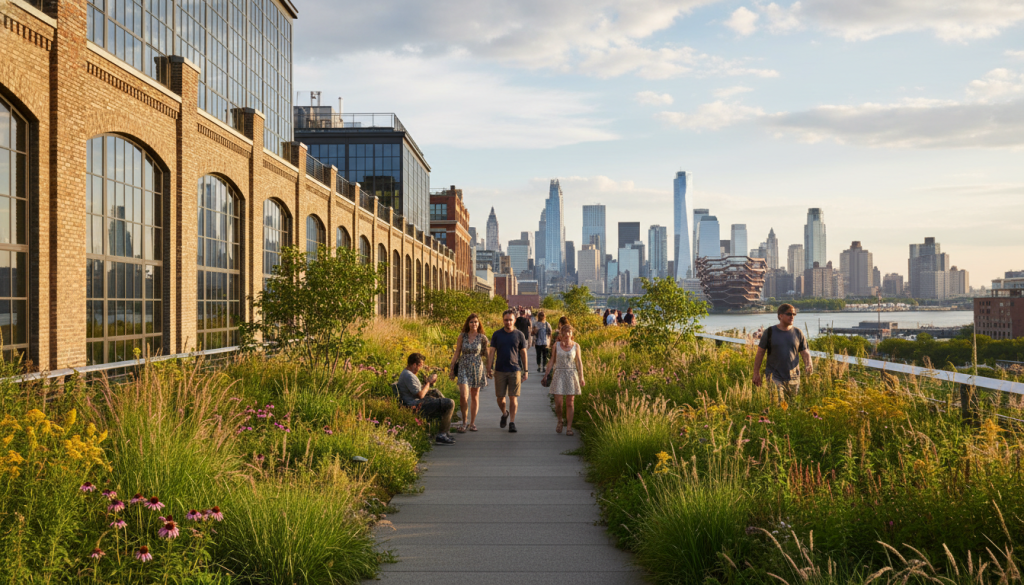
The High Line deserves a second mention for its role as one of New York’s best walks. This elevated park runs from the Meatpacking District through Chelsea to Hudson Yards, each section revealing different neighborhood character.
The Meatpacking District section starts at Gansevoort Street. This southern portion features the Whitney Museum at its base and offers views of the Hudson River. The transformation from industrial area to luxury destination is most visible here.
Chelsea’s section passes through the heart of the gallery district. You’ll see the backs of buildings and peek into apartments, creating unusual urban perspectives. The gardens reach their lushest along this middle stretch.
The northern section terminates at Hudson Yards. The gleaming new development contrasts sharply with the organic, weathered feel of the southern sections. The Vessel sculpture (currently closed) and the Edge observation deck (paid admission) dominate this area.
The changing perspectives as you walk north or south reveal how quickly New York neighborhoods shift character. Each section of the High Line provides different views, plantings, and architectural contexts. This variety makes the simple act of walking endlessly interesting.
Staten Island Ferry: Free Harbor Cruise
The Staten Island Ferry provides the best deal in New York City transportation. This free ferry crosses New York Harbor between Manhattan and Staten Island, passing the Statue of Liberty and offering spectacular skyline views.
The 25-minute ride operates 24/7, carrying commuters and tourists. The ferry accommodates thousands of passengers per trip, with boats departing every 15-30 minutes depending on time of day. You never wait long for the next departure.
Statue of Liberty views from the ferry rival expensive tour boats. The ferry passes relatively close to Liberty Island, providing clear views and photo opportunities. Save money by viewing Lady Liberty from the free ferry rather than paying for a harbor tour.
The Manhattan skyline appears in all its glory during the crossing. The southern tip of Manhattan, including One World Trade Center, creates an iconic silhouette. Sunset crossings offer particularly dramatic lighting and colors.
Once in Staten Island, you can simply board the return ferry immediately or explore the St. George terminal area briefly. Most tourists ride round-trip without leaving the terminal, treating it as a harbor cruise. The entire round trip takes about an hour.
Roosevelt Island Tramway and Walk
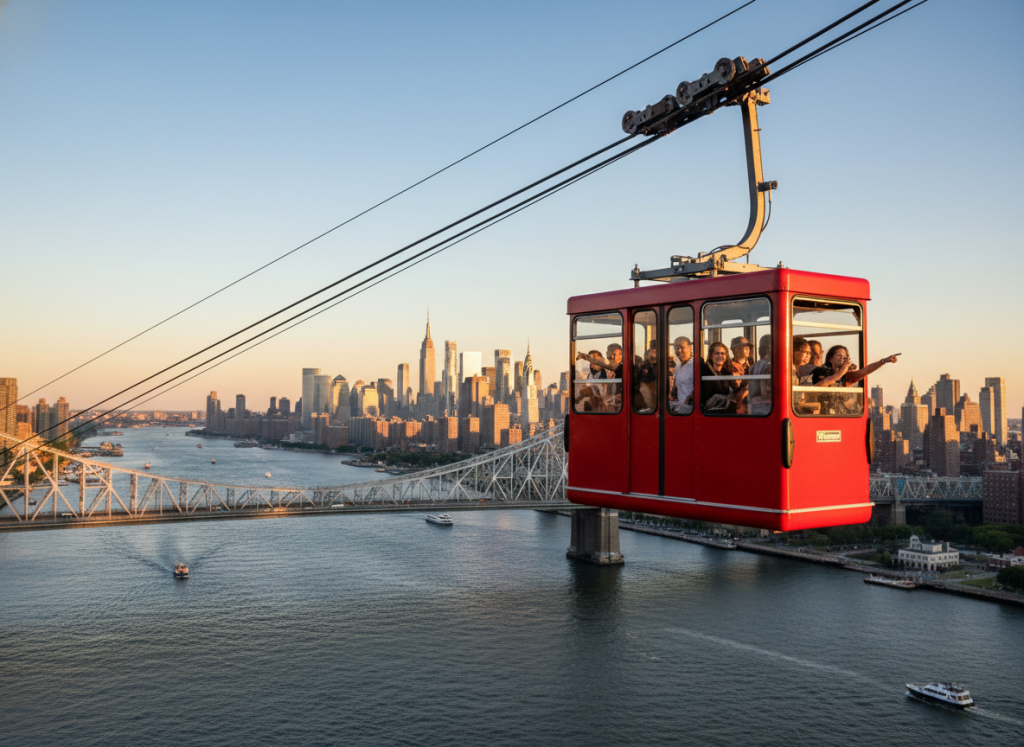
The Roosevelt Island Tramway provides thrilling aerial views of the East River and Manhattan. While it technically costs a subway fare, visitors with unlimited MetroCards or OMNY payment ride for free as part of their transit usage.
The tram climbs 250 feet above the East River, offering bird’s-eye views impossible from ground level. The three-minute ride reveals rooftops, the Queensboro Bridge, and the Manhattan skyline from a dramatic perspective. It’s the closest most people get to a helicopter view.
Roosevelt Island itself offers pleasant walking paths along both sides. The island measures two miles long but only 800 feet wide. The narrow strip between Manhattan and Queens provides unique views of both boroughs.
Four Freedoms Park at the island’s southern tip honors FDR with modernist architecture and plantings. The park’s clean lines and deliberate simplicity create a contemplative space. The location provides spectacular southern views of Manhattan.
The northern section houses the Octagon building and lighthouse. These historical structures remind visitors of the island’s complex past. The ruins of the Smallpox Hospital create an eerie but fascinating landmark visible from Manhattan.
Governors Island: Car-Free Paradise

Governors Island operates as a car-free zone accessible only by ferry. The island offers 172 acres of parks, historic buildings, art installations, and harbor views. Free ferry service runs from Manhattan’s Battery Maritime Building.
The Hammock Grove contains dozens of hammocks strung between trees. This simple pleasure becomes magical with Manhattan skyline views as backdrop. Visitors lounge for hours reading, napping, or just relaxing.
The Hills provides four summit peaks offering 360-degree views. These artificial hills rise up to 70 feet, creating the tallest point in New York Harbor. The grassy slopes double as lounging areas and viewpoints.
Historic Fort Jay and Castle Williams recall the island’s military past. These structures date to the early 1800s and now stand open for exploration. The thick walls and strategic positions illustrate why this island played a crucial defensive role.
Art installations change seasonally, with large-scale works scattered across the island. Past installations have included everything from contemporary sculptures to interactive exhibits. The combination of art, history, and recreation makes each visit different.
Grand Central Terminal: Architectural Marvel

Grand Central Terminal functions as both transit hub and architectural masterpiece. This Beaux-Arts landmark opens free to the public, offering stunning spaces to explore beyond its role as a train station.
The Main Concourse ceiling depicts constellations in gold leaf on a blue-green background. This celestial ceiling measures 125 feet high and spans the enormous space. The astronomical inaccuracies (the sky is reversed) add to the legend and charm.
The Whispering Gallery demonstrates acoustic quirks of the architecture. Stand in opposite corners of the arched corridor outside the Oyster Bar and whisper—the person diagonal from you will hear you clearly. This architectural accident delights visitors.
Vanderbilt Hall hosts free exhibitions and seasonal markets. The soaring space with its marble floors and arched windows creates a cathedral-like atmosphere. The room alone justifies a visit regardless of what exhibition occupies it.
Hidden details reward careful observers. Look for the acorns and oak leaves carved throughout—symbols of the Vanderbilt family. The clock above the information booth contains opal faces worth millions. Every corner holds architectural treasures.
Times Square: The Crossroads of the World

Times Square inspires strong reactions, but no visit to New York feels complete without experiencing its overwhelming energy. The intersection where Broadway crosses Seventh Avenue creates one of the world’s most recognized locations.
The pedestrian plazas created in recent years make Times Square more visitor-friendly. You can now sit on benches or bleachers and absorb the chaos without dodging traffic. The urban theater plays out continuously in every direction.
Street performers and costumed characters create a circus atmosphere. While tips are customary if you pose for photos, watching the spectacle costs nothing. The variety of talent and creativity (and occasional lack thereof) entertains constantly.
The digital billboards create a canyon of light and color. At night, Times Square brightens to daylight levels from advertising screens. The scale and intensity of visual stimulation are unlike anywhere else on Earth.
People-watching reaches its peak here. Every nationality, age, and type of person passes through Times Square. The diversity of humanity concentrates in these few blocks. For better or worse, this is New York at its most intense.
Free Fitness and Community Activities

New York City prioritizes public health through free fitness programming. Parks and public spaces host classes, running clubs, and sports activities that keep residents and visitors active during summer months.
Free Yoga in Parks

Yoga in the parks programs operate throughout the five boroughs. These free classes welcome all skill levels and provide mats when supplies last. The outdoor setting enhances the meditative aspects of practice while making fitness accessible to everyone.
Bryant Park offers morning yoga several days per week. The classes start at 10 AM and fill quickly during summer. The Midtown location makes it convenient for workers to attend before heading to the office or tourists to include in their morning routine.
Brooklyn Bridge Park hosts weekly yoga sessions with Manhattan skyline views. The waterfront location adds inspiration to your practice. The combination of physical exercise and beautiful surroundings creates a memorable wellness experience.
Governors Island yoga happens in the hammock grove on select weekends. The unique setting surrounded by trees with harbor views enhances relaxation. The ferry ride to the island becomes part of the wellness journey.
Instructors volunteer their time or are sponsored by organizations committed to community wellness. The quality of instruction rivals paid studio classes. These teachers are experienced professionals sharing their expertise with the community.
Running and Walking Groups

Running clubs throughout the city welcome newcomers to free group runs. These clubs provide motivation, safety in numbers, and social connections. The structured runs take participants to different neighborhoods and parks.
New York Road Runners operates free community runs weekly. The organization that produces the New York City Marathon makes running accessible to everyone through these programs. Locations and distances vary to accommodate different fitness levels.
Park runs take advantage of NYC’s green spaces. Central Park, Prospect Park, and Hudson River Park all have established running routes with distance markers. The car-free environments make these locations safer and more pleasant for runners.
Bridge running provides challenging terrain with reward views. Running across the Brooklyn Bridge or Queensboro Bridge tests your fitness while offering spectacular vantage points. Early morning runs avoid the heavy pedestrian traffic later in the day.
Walking groups offer lower-impact alternatives to running. Organizations like Shorewalkers lead hikes throughout the city, exploring neighborhoods and waterfront areas. These walks combine exercise with urban exploration and social interaction.
Pick-Up Basketball and Sports

Public basketball courts dot the city’s neighborhoods and parks. These courts host pickup games where anyone can join. The competitive yet welcoming atmosphere reflects New York’s basketball culture. Courts in Manhattan, Brooklyn, and Queens have legendary reputations.
The Cage at West 4th Street in Greenwich Village showcases serious talent. This tournament-level court draws skilled players and spectators. Even watching games here provides entertainment and insight into street basketball culture.
Handball, volleyball, and soccer also thrive in NYC parks. Courts and fields welcome players of all levels. The open-access nature of these facilities means you can show up and join games in progress or start your own.
Skateparks provide free access to boarders and bikers. LES Coleman Skatepark and others throughout the city serve these communities. The inclusive atmosphere welcomes beginners and experienced riders alike.
Fitness equipment in parks allows outdoor strength training. Pull-up bars, parallel bars, and other equipment create free outdoor gyms. These facilities appear throughout the parks system, making resistance training accessible without gym memberships.
Street Culture, Markets, and Neighborhood Exploration

New York’s streets pulse with culture and energy that museums can’t contain. Markets, performances, and neighborhood walks reveal the city’s authentic character without requiring admission tickets.
Street Performers and Public Entertainment

Street performers claim spots throughout the city, particularly in high-traffic areas. These buskers range from amateur musicians to world-class talent between gigs. While tips are appreciated, watching and listening costs nothing.
Washington Square Park in Greenwich Village hosts ongoing performances. The fountain area becomes an informal stage for musicians, poets, and dancers. The bohemian tradition of the neighborhood continues through these artists.
Subway stations feature MTA Music Under New York performers. These vetted musicians receive permission to perform in select stations. The acoustics in underground spaces can be spectacular, and the captive audience appreciates the entertainment during commutes.
Union Square showcases diverse talent from morning until night. Musicians, magicians, dancers, and other performers share the space. The democratic nature means anyone can set up and perform, though competition for prime spots gets fierce.
Spontaneous dance performances appear throughout the city. Whether it’s breakdancing in the streets or impromptu salsa in parks, movement and music create infectious energy. These unplanned moments often provide the most authentic New York experiences.
Neighborhood Walking Tours (Self-Guided)

Self-guided walks through distinctive neighborhoods cost nothing but offer immeasurable cultural value. Each area of New York has its own history, architecture, and character. Walking lets you absorb these differences at your own pace.
The Lower East Side tells stories of immigration and gentrification. Walk from Chinatown through Little Italy into the historically Jewish neighborhoods. The layers of cultural history appear in signage, architecture, and businesses.
Harlem preserves African American cultural heritage. From the Apollo Theater to brownstone-lined streets, this neighborhood shaped American music, literature, and culture. Sunday gospel services welcome visitors to share spiritual traditions.
DUMBO (Down Under the Manhattan Bridge Overpass) transformed from industrial wasteland to luxury neighborhood. The cobblestone streets and converted warehouses tell this story. The waterfront provides stunning photography opportunities.
Greenwich Village maintains its bohemian character despite rising rents. Jazz clubs, Off-Broadway theaters, and historic sites fill the winding streets. The West Village’s charming residential blocks look like movie sets.
Williamsburg, Brooklyn showcases contemporary urban culture. Street art covers walls, vintage shops line Bedford Avenue, and creative energy permeates the neighborhood. The area near McCarren Park concentrates restaurants and shops.
Free Markets and Food Culture

Farmers markets throughout the city offer free browsing even if you don’t purchase. These markets showcase local agriculture, artisanal foods, and community gathering. The sensory experience of sights, smells, and samples creates enjoyment.
Union Square Greenmarket operates Monday, Wednesday, Friday, and Saturday year-round. This flagship market draws farmers from New York State and neighboring regions. The variety of produce, meats, cheeses, and baked goods is staggering. Free samples appear at many stalls.
Smorgasburg in Williamsburg and Prospect Park assembles dozens of food vendors. While purchasing food costs money, walking through and absorbing the atmosphere is free. The creative food presentations and diverse cuisines provide entertainment through observation.
Grand Central Market in the terminal’s lower level showcases specialty foods. While browsing this gourmet market, you can appreciate artisanal products and sometimes catch samples. The market operates Monday through Friday and provides a taste of New York’s food scene.
Essex Street Market on the Lower East Side preserves traditional market culture. The indoor market houses vendors selling produce, meat, seafood, and prepared foods. The historic location connects current food culture with immigrant market traditions.
Architectural Appreciation

New York’s architectural heritage spans centuries and styles. Simply looking up while walking reveals this diversity. No admission fee required to appreciate buildings that define the skyline and streetscape.
The Flatiron Building’s triangular form remains one of the city’s most photographed structures. This 1902 Beaux-Arts landmark demonstrates how architecture responds to irregular lot shapes. The surrounding Madison Square Park provides perfect viewing locations.
Art Deco masterpieces like the Chrysler Building showcase 1920s and 30s glamour. The building’s distinctive crown with its terraced arches and triangular windows creates an unmistakable silhouette. The lobby features stunning Art Deco details though access varies.
Cast-iron architecture in SoHo represents 19th-century innovation. These buildings used prefabricated iron facades that allowed large windows. The neighborhood between Houston and Canal Streets contains the highest concentration of these historic structures.
Contemporary architecture at Hudson Yards and the World Trade Center site demonstrates 21st-century design. Love it or hate it, the new construction reshapes the skyline. The contrast between old and new creates visual tension throughout the city.
Brownstone residential buildings define many neighborhoods. These rowhouses from the 1800s create the characteristic New York streetscape. The stoops, detailed cornices, and unified facades demonstrate how residential architecture shapes neighborhood character.
Public Art and Murals
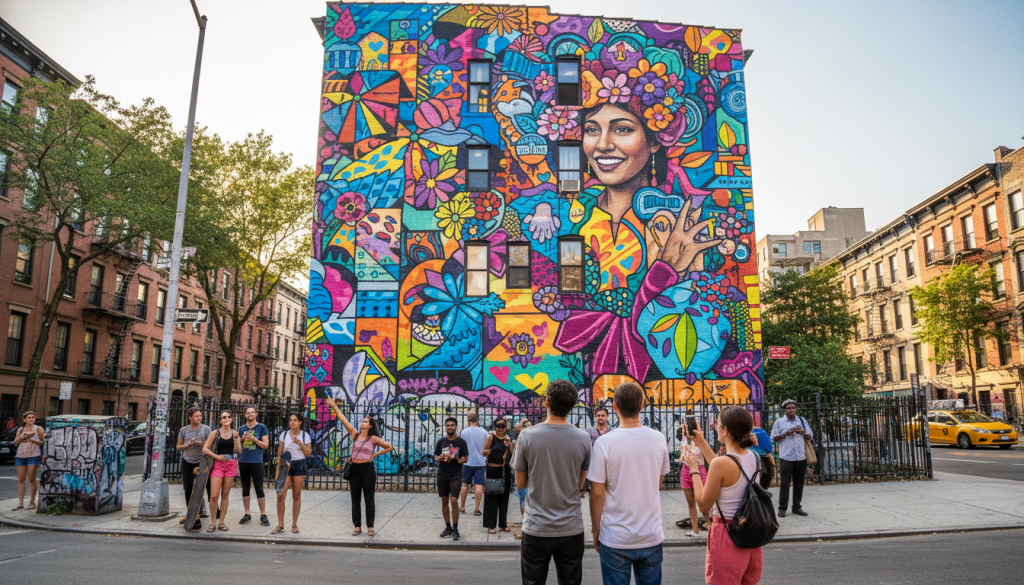
Public art transforms New York’s streets into an open-air gallery. Murals, sculptures, and installations appear throughout the five boroughs. This democratization of art means culture exists beyond museum walls.
Bushwick Collective in Brooklyn concentrates dozens of murals on a few blocks. This outdoor gallery changes constantly as new artists paint over old works. The neighborhood embraces street art culture, making it safe to explore during daylight hours.
Subway platforms feature permanent art installations. “Arts for Transit” programs commissioned works throughout the system. Some stations like the 72nd Street stop showcase elaborate mosaics that brighten underground spaces.
Public sculptures dot parks and plazas citywide. From large-scale contemporary works to classical statues, these pieces provide unexpected encounters with art. Some become beloved landmarks while others provoke controversy and conversation.
Graffiti culture thrives in certain neighborhoods despite legal restrictions. While vandalism should never be encouraged, the artistic skill and creativity displayed in some graffiti deserves recognition. The ephemeral nature adds to the urban art experience.
Seasonal installations like Rockefeller Center’s rotating exhibits change the public art landscape. While some installations require admission, many can be appreciated from public spaces. The constant evolution keeps the city’s art scene dynamic.
How Camp New York Brings These Free Activities to Life for Teens

Discovering the best free things to do in NYC this summer becomes even more rewarding when teens experience them with peers and guidance. Camp New York specializes in turning these activities into structured, safe, and social summer experiences.
Our programs build itineraries around New York City’s greatest free offerings. Instead of teens navigating the city alone or parents researching every detail, Camp New York provides expert-led exploration. We know which museum days work best, when parks are most enjoyable, and how to maximize every experience.
Structure Meets Independence

Teens crave independence but still need guidance. Camp New York strikes this balance perfectly. We provide transportation, supervision, and planning while giving teens freedom to explore, make choices, and connect with peers.
Each day combines planned activities with opportunities for teen input. Maybe your group votes to spend extra time at the High Line or decides to grab lunch at Chelsea Market. Our counselors facilitate these decisions while ensuring safety and schedule adherence.
Small group sizes ensure individual attention. We maintain ratios that allow counselors to know each camper personally. This creates an environment where shy teens feel comfortable and outgoing teens stay appropriately channeled.
The Social Advantage

Experiencing NYC’s free attractions alone is good. Experiencing them with friends is transformative. Camp New York brings together teens from different schools and backgrounds, fostering friendships through shared adventures.
The connections formed during Camp New York programs often last beyond summer. Teens bond over inside jokes from their day at Coney Island or memories of getting caught in a rainstorm at a SummerStage concert. These shared experiences create lasting relationships.
Our counselors are trained to facilitate positive group dynamics. They help quiet teens find their voice and ensure everyone feels included. The result is a supportive environment where teens can be themselves while trying new experiences.
Expert Knowledge and Safety


Camp New York offers multiple session lengths and focuses. Whether your teen wants a full summer of programming or just a week to try it out, we provide options that fit different schedules and interests.
Our programs run throughout June, July, and August. Week-long sessions allow flexibility for families with travel plans. Extended programs offer deeper relationship building and skill development. Early registration ensures preferred session availability.
Specialized tracks cater to different interests. Some weeks focus on arts and culture, others emphasize outdoor adventure. Photography programs teach visual storytelling while exploring the city. Leadership tracks develop specific skills alongside general camp activities.
Financial assistance exists for families who need support. Camp New York believes every teen deserves quality summer experiences regardless of financial circumstances. Our scholarship program ensures access for qualified families.
Free Water Activities and Beach Access

New York City’s waterfront location provides numerous opportunities for water-based recreation. Beaches, kayaking programs, and waterfront activities offer relief from summer heat without admission costs.
Coney Island Beach

Coney Island Beach provides classic New York summer experiences. This three-mile stretch of sand in Brooklyn offers swimming, sunbathing, and people-watching with the famous boardwalk and amusement area as backdrop.
The beach opens Memorial Day weekend and operates through Labor Day. Lifeguards patrol designated swimming areas during daylight hours. The combination of safety and free access makes this a popular family destination.
The boardwalk connects the beach to attractions and food vendors. While amusement rides and Nathan’s Famous hot dogs cost money, walking the boards and absorbing the atmosphere doesn’t. The mix of languages and cultures creates a microcosm of New York.
Luna Park’s roller coasters and the historic Cyclone provide dramatic visual backdrop. Even if you don’t ride (rides require payment), the carnival atmosphere entertains. The sounds and sights transport visitors to a different era.
The New York Aquarium sits adjacent to the beach. While admission applies to the aquarium, the location adds another dimension to a Coney Island visit. Planning a full day here combines beach time with multiple neighborhood experiences.
Rockaway Beach

Rockaway Beach in Queens attracts a younger, surfing-oriented crowd. This location offers a different vibe than Coney Island while providing the same free beach access. The A train reaches the Rockaways directly from Manhattan, making it accessible via public transit.
Surfing culture dominates certain sections of beach. While board rentals cost money, watching surfers provides entertainment. The skill and dedication of regular surfers impresses spectators and might inspire teens to learn the sport.
The boardwalk underwent extensive renovation after Hurricane Sandy. The improved pathway provides excellent walking and biking routes. The beach town atmosphere feels like a vacation despite remaining within city limits.
Food options range from casual beach stands to sit-down restaurants. The neighborhood embraces beach culture with laid-back establishments. Tacos at Rockaway Taco or pizza at boardwalk spots fuel beach days affordably.
The Rockaways feel more like a traditional beach town than typical New York. The space and openness contrast with urban density. For teens who’ve never experienced ocean beaches, this introduces entirely new recreational possibilities.
Free Kayaking Programs
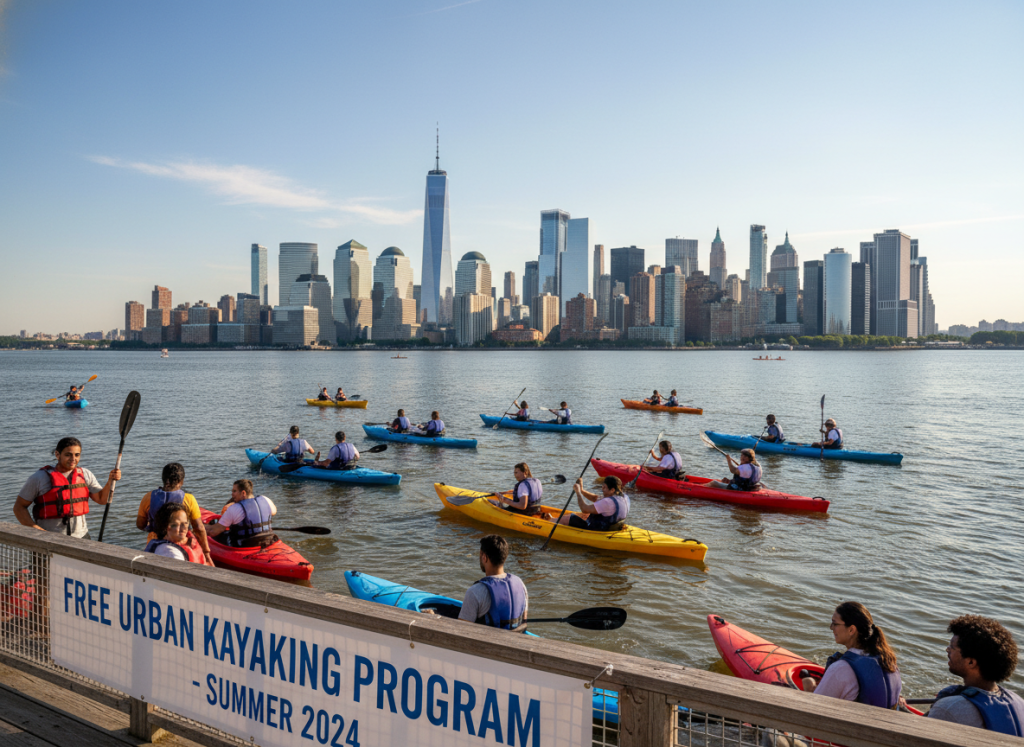
Downtown Boathouse operates free kayaking at multiple Manhattan and Brooklyn locations. This remarkable program provides boats, paddles, and life jackets without charge. Volunteers make kayaking accessible to anyone regardless of experience or income.
Locations include Pier 26 in Tribeca, Pier 96 in Hell’s Kitchen, and Brooklyn Bridge Park. Operating hours vary by location and depend on volunteer availability. Checking the schedule before visiting ensures the program is running.
Basic kayaking instruction comes with equipment. Volunteers assess skill levels and provide appropriate guidance. Beginners stay in protected areas while experienced paddlers can venture into the Hudson River with proper conditions.
The view of Manhattan from the water creates unforgettable perspectives. Seeing the skyline from a kayak reveals the city’s relationship to its waterways. The physical activity combined with unique vantage points makes this a standout free activity.
Safety remains paramount with requirements including life jackets and weather monitoring. The program suspends operations during dangerous conditions. This professional approach ensures participants have fun while staying safe on the water.
Floating Pool at Brooklyn Bridge Park
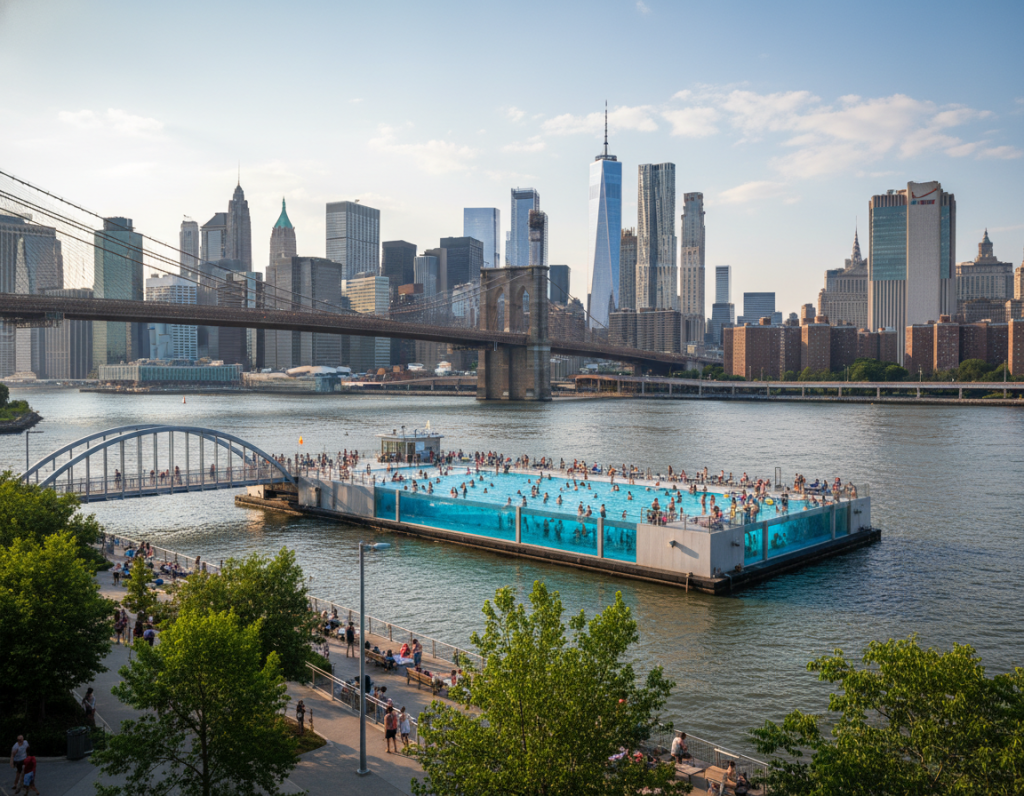
Brooklyn Bridge Park’s pop-up pool operates during summer months. This barge-based pool floats in the East River while providing filtered pool water. The unique facility offers swimming with Manhattan skyline views at no cost.
The pool accommodates limited capacity with timed entry slots. Free tickets are available online and often fill quickly. Planning ahead and reserving spots ensures access to this special facility.
The novelty of swimming in a pool that floats appeals to all ages. Kids love the unusual setting while adults appreciate the engineering and views. The filtered pool water means swimming without East River concerns.
Lifeguards and staff maintain safety and cleanliness. The facility provides changing areas and follows public pool regulations. The professional operation ensures a quality experience despite the free admission.
The pool represents innovative thinking about public recreation. Repurposing a barge into a pool demonstrates creative approaches to providing amenities in space-limited cities. This type of project distinguishes New York’s commitment to public access.
Unique Free Experiences Only NYC Offers

Some experiences exist nowhere else but New York City. These distinctive opportunities cost nothing but provide stories you’ll tell for years.
The New York Public Library Main Branch
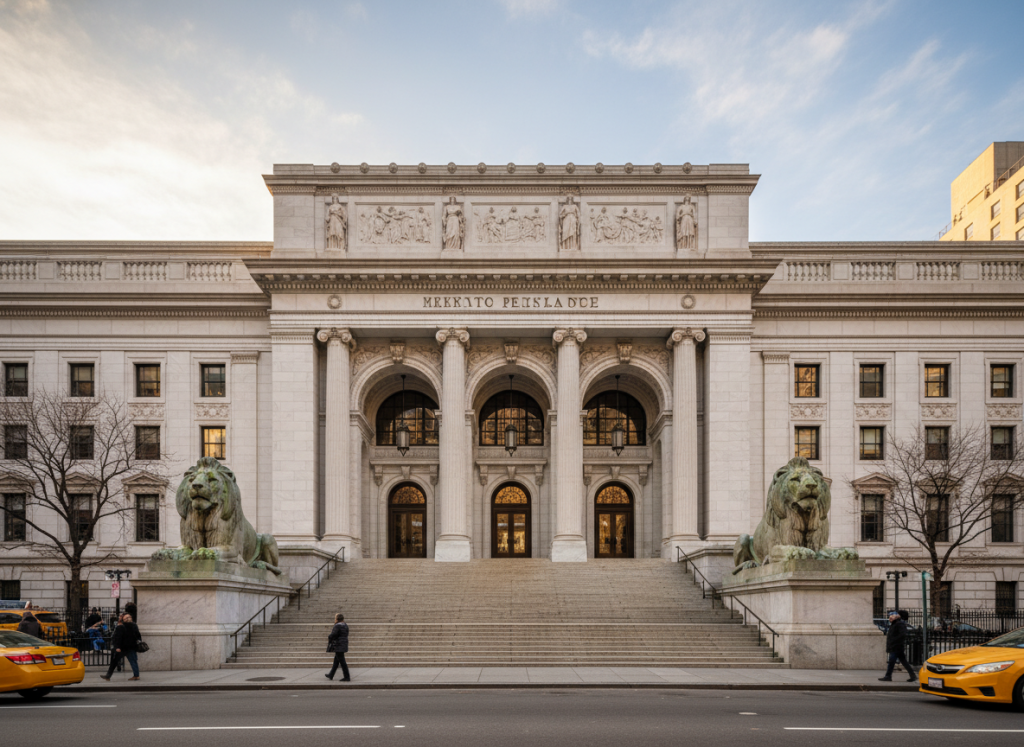
The Stephen A. Schwarzman Building of the New York Public Library stands as both a working library and an architectural treasure. The Main Reading Room, Rose Main Reading Room, exemplifies Beaux-Arts grandeur with its 52-foot ceilings and ornate details.
Free tours reveal the building’s history and hidden spaces. The Map Division, Periodicals Room, and special exhibitions change regularly. Even without a tour, wandering through public areas reveals why this building appears in countless films and photos.
The lions—Patience and Fortitude—guard the Fifth Avenue entrance. These marble sculptures have become beloved New York symbols. Taking photos with the lions continues as a tourist tradition with good reason.
The library functions as an active research facility beyond its tourist appeal. Watching scholars work in the reading rooms reminds visitors that this institution serves serious academic purposes. The combination of beauty and utility defines the library’s significance.
Special exhibitions in the library’s galleries often focus on literature, history, and culture. Past shows have featured everything from ancient maps to contemporary photography. These rotating displays provide reasons for repeat visits.
Grand Central Terminal Whispering Gallery

The Whispering Gallery outside Grand Central’s Oyster Bar demonstrates architectural acoustics. Stand in opposite corners of the arched space and whisper—your voice carries clearly to the person diagonal from you while others nearby hear nothing.
This acoustic phenomenon results from the arched tile ceiling design. The precise curvature focuses sound waves across the space. Engineers likely didn’t intend this effect, making it a happy architectural accident.
The experience delights people of all ages. Watching others test the phenomenon provides entertainment even when waiting your turn. The shared amazement when it works creates spontaneous connections between strangers.
Finding the exact spots takes trial and error. Look for the worn floor tiles in the corners—those marks show where countless visitors have stood. The patience required to find the sweet spots adds to the satisfaction when whispers transmit perfectly.
This simple experience captures New York’s appeal. Hidden details and surprising discoveries await around every corner. The city rewards curiosity and exploration with moments of wonder and delight.
Federal Reserve Bank of New York Gold Vault Tours
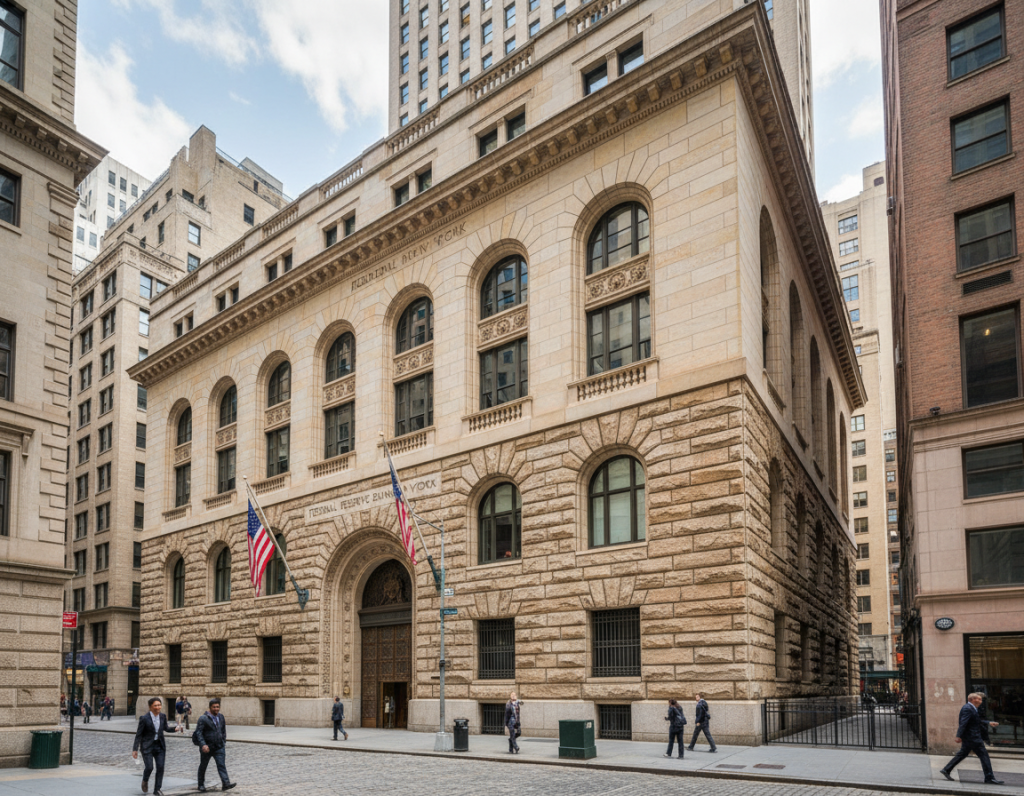
Free tours of the Federal Reserve Bank include viewing the gold vault—one of the largest gold repositories in the world. Advance reservations are required, and security screening is thorough, but the experience of seeing $90 billion in gold bars is unforgettable.
The vault sits 80 feet below street level on Manhattan bedrock. This location provides stability for the massive gold weight. The engineering involved in creating this secure space impresses as much as the gold itself.
Tours explain the Federal Reserve’s role in the U.S. economy. Educational components cover monetary policy, currency, and banking regulation. The tour combines financial education with the wow factor of the gold vault.
Each country’s gold sits in its own cage, marked by number rather than name. The security measures, from the 90-ton steel cylinder door to the entry procedures, demonstrate how seriously gold storage is taken. Seeing these measures firsthand provides insight into international finance.
Photography inside the vault is prohibited, making the memory more precious. The tour creates a shared experience that money can’t buy. The exclusivity and security add to the significance of this unusual free offering.
Community Gardens Throughout the City

Over 550 community gardens operate throughout New York City. These green oases in urban neighborhoods offer respite, beauty, and community connection. Many welcome visitors during open hours, providing peaceful places to sit and observe.
Gardens reflect their neighborhoods’ characters. A Lower East Side garden might feature Puerto Rican plants and design elements. A Brooklyn garden might emphasize African American cultural plants. This diversity makes exploring different gardens a cultural experience.
The gardens host free events like plant sales, open mic nights, and seasonal celebrations. These gatherings strengthen neighborhood bonds while welcoming outsiders. The communal atmosphere demonstrates grassroots organizing at its best.
Volunteer opportunities exist for those wanting deeper engagement. Helping maintain a garden provides hands-on connection to urban agriculture. The physical work and social interaction appeal to teens seeking meaningful summer activities.
The transformation of vacant lots into gardens represents community activism and environmental stewardship. Understanding how these spaces came to exist teaches lessons about civic engagement and sustainable urban development. The gardens succeed because residents fought to create and maintain them.
Frequently Asked Questions About Free NYC Summer Activities
What are the best free things to do in NYC this summer?
The best free things to do in NYC this summer include visiting Central Park, walking the Brooklyn Bridge, exploring free museum days at institutions like the Met and MoMA, attending SummerStage concerts, riding the Staten Island Ferry for Statue of Liberty views, and walking the High Line. Brooklyn Bridge Park, Bryant Park, and Governors Island also offer excellent free activities throughout summer.
Each neighborhood provides unique free experiences, from Prospect Park in Brooklyn to Hudson River Park along Manhattan’s west side. Free yoga classes, outdoor movies, and community festivals happen daily across all five boroughs during summer months.
Are there free museum days in NYC?
Yes, many NYC museums offer free or pay-what-you-wish admission at specific times. The Metropolitan Museum of Art and American Museum of Natural History provide pay-what-you-wish admission for New York State residents. MoMA offers free admission every Friday from 4-8 PM. The Brooklyn Museum hosts Target First Saturdays monthly with free admission and special programming from 5-11 PM.
Additional museums have free or discounted days throughout the month. Checking individual museum websites reveals their free admission policies. Planning visits around these schedules makes world-class cultural institutions accessible regardless of budget.
How can teens enjoy NYC safely on a budget?
Teens can enjoy NYC safely on a budget by utilizing free activities in supervised public spaces like parks, museums during free hours, and attending free concerts and events. Traveling in groups, staying in well-populated areas during daylight hours, and using public transportation safely are key strategies.
Programs like Camp New York provide structured ways for teens to explore NYC’s free activities with professional supervision, experienced counselors, and peer groups. This combination of guidance and freedom helps teens gain independence while parents maintain peace of mind.
Contact Camp New York to learn about supervised teen programs
Does Camp New York use free or low-cost activities?
Yes, Camp New York programs intentionally incorporate many of New York City’s best free activities into our itineraries. We explore Central Park, visit museums during pay-what-you-wish times, attend free concerts and events, and utilize public spaces like the High Line and Brooklyn Bridge Park.
Our program fees cover transportation, supervision, insurance, and the structure that makes these activities accessible and enjoyable for teens. Instead of families researching, planning, and navigating independently, Camp New York provides expert guidance while teens experience the city’s free offerings with peers. The value comes from the professional supervision, social experience, and comprehensive programming rather than from expensive admission fees.
We also incorporate some paid activities to round out the experience, but the foundation of our programming leverages NYC’s remarkable free cultural and recreational resources.
What’s the best way to see the Statue of Liberty for free?
The Staten Island Ferry provides the best free view of the Statue of Liberty. This ferry service operates 24/7 between Manhattan and Staten Island at no cost. The 25-minute ride passes relatively close to Liberty Island, offering clear views perfect for photos.
Governors Island also provides excellent Statue of Liberty views. Free ferry service runs to the island during summer months. Once there, multiple vantage points offer photo opportunities with Lady Liberty in the background. Battery Park in Manhattan also provides distant views without requiring ferry rides.
Are NYC beaches free to visit?
Yes, all New York City public beaches are free to visit. Coney Island, Rockaway Beach, Orchard Beach in the Bronx, and Staten Island beaches provide free access during summer months. Lifeguards patrol designated swimming areas during operating hours.
The beaches open Memorial Day weekend and operate through Labor Day. No admission fees apply to beach access, boardwalks, or swimming areas. Concessions, rentals, and nearby amusement areas charge separately, but beach enjoyment itself costs nothing.
What free things can families do in NYC when it rains?
Rain doesn’t stop free fun in NYC. Visit the New York Public Library’s Main Branch to explore its architectural grandeur and exhibitions. Browse Grand Central Terminal’s shops and admire the Main Concourse. Head to free museum hours at institutions with extensive indoor exhibits. Chelsea Market offers free browsing with covered spaces.
The Oculus at World Trade Center provides a massive indoor space with shops and dining. Federal Hall and other historic buildings offer free indoor exploration. Many public buildings have lobbies worth visiting for their architecture and art installations.
How do I find out about free summer events in NYC?
The NYC Parks Department website maintains a comprehensive events calendar listing free concerts, movies, and activities throughout all five boroughs. Time Out New York publishes weekly roundups of free events. Local community boards post neighborhood-specific event calendars.
Following organizations like SummerStage, Bryant Park, Brooklyn Bridge Park, and Lincoln Center on social media provides real-time updates about free programming. Many events require RSVPs or distribute free tickets—checking individual event pages ensures you understand entry requirements.
The Mayor’s Office website also maintains an events calendar highlighting free city-sponsored programming. Setting up alerts for specific venues or event types helps you stay informed about opportunities matching your interests.
Is it safe for teens to take the subway alone in NYC?
Teen subway safety depends on maturity level, familiarity with the system, and following common-sense guidelines. Many teens successfully navigate NYC subways independently by traveling during daylight hours, staying in populated cars, knowing their route beforehand, and keeping belongings secure.
Parents should assess their teen’s comfort level and readiness for independent subway travel. Starting with accompanied trips builds confidence and skills. Programs like Camp New York teach teens proper subway etiquette and navigation while providing supervision until independence is appropriate.
The MTA provides generally safe transportation with millions of daily riders. Awareness of surroundings and following basic urban safety practices makes subway travel reasonable for prepared teens. Many NYC teens develop city navigation skills that serve them throughout life.
What free activities are best for hot summer days?
On hot days, head to water-based activities like beaches (Coney Island, Rockaway Beach), water features at Brooklyn Bridge Park or Hudson River Park, or free kayaking programs. Splash pads and spray showers throughout NYC parks provide cooling relief.
Air-conditioned indoor options include free museum hours, New York Public Library branches, Grand Central Terminal, and large bookstores. Many libraries host free summer programs in cool comfort. Shopping districts like Brookfield Place and the Oculus provide free browsing in climate-controlled environments.
Early morning or evening activities work best during heat waves. Sunrise walks, evening concerts, and night events avoid the hottest parts of the day. Packing water and planning rest breaks in shade or air conditioning makes any outdoor activity more comfortable.
Essential Tips for Planning Your Free NYC Summer

Maximizing free summer activities in New York requires strategic planning. These practical tips help you experience more while spending less.
Transportation Strategies

Investing in an unlimited MetroCard makes sense if you’ll take more than 12 subway or bus rides weekly. The 7-day unlimited card provides best value for tourists and active locals. This removes mental barriers to exploration since each trip feels free after the initial purchase.
Walking between nearby attractions saves money and provides authentic neighborhood experiences. Manhattan’s grid system makes navigation straightforward above Houston Street. Walking from Central Park to Times Square to Hudson Yards covers significant ground while revealing how neighborhoods transition.
CitiBike offers affordable transportation for shorter distances. While not free, the bikeshare system costs less than multiple subway trips and combines transportation with recreation. Protected bike lanes throughout Manhattan and Brooklyn make cycling safer and more enjoyable.
Planning your day geographically reduces transit time and cost. Group activities by neighborhood rather than crisscrossing the city. This approach provides deeper neighborhood experiences while minimizing time spent traveling.
Timing Your Visits
Arriving early at popular free attractions avoids crowds and heat. Morning visits to Central Park, museums during free hours, and beach trips provide better experiences before locations fill up. The city operates on a late schedule, meaning early birds encounter fewer people.
Weekday visits to major attractions face less competition than weekends. If your schedule permits, planning key activities Monday through Thursday ensures more space and shorter lines. Weekend crowds intensify at every popular location.
Checking event calendars weekly rather than monthly reveals late additions and changes. Weather cancellations, added performances, and special events appear with short notice. Following key venues on social media provides real-time updates about opportunities.
Sunset timing affects outdoor evening events. Summer sunsets in NYC happen between 8:00-8:30 PM. Outdoor movies and concerts start after sunset, meaning arrival times shift throughout summer. Checking sunset times helps you plan pre-event activities.
Packing Smart

A well-packed bag makes any outing more comfortable. Essentials include water bottles, sunscreen, snacks, portable phone chargers, and light rain gear. New York weather changes quickly, and being prepared prevents cutting activities short.
Comfortable walking shoes prevent blisters and fatigue. New York demands significant walking regardless of public transit use. Breaking in shoes before your visit saves your feet and improves your experience. Fashion takes back seat to function for NYC exploration.
Layered clothing adjusts to temperature changes. Air-conditioned museums and buildings contrast sharply with humid outdoor heat. A light jacket or long-sleeve shirt prevents chilling in overly air-conditioned spaces while remaining manageable in warm weather.
A blanket or small mat enhances outdoor concerts and movies. While many people sit directly on grass, having something between you and the ground increases comfort. Compact picnic blankets fold small enough to carry without burden.
Food and Refreshment Planning

Packing meals and snacks reduces costs substantially. A cooler bag with sandwiches, fruits, and drinks lets you enjoy parks and outdoor spaces longer without leaving for food. Many free activities work best when you can stay in place for extended periods.
NYC tap water ranks among the nation’s best. Refilling water bottles at public fountains saves money and reduces plastic waste. Parks and public buildings provide water fountains. Staying hydrated in summer heat is essential for energy and safety.
Neighborhood bodegas offer affordable drinks and snacks. These corner stores provide options when you need something without visiting restaurants. The prices beat tourist area concessions while supporting local businesses.
Food markets like Smorgasburg let you browse without purchasing. The sensory experience of walking through specialty food vendors provides entertainment. When you do buy, these markets offer higher quality than generic fast food at comparable prices.
Safety and Awareness
General urban awareness keeps you safe throughout NYC. Stay alert to your surroundings, keep belongings secure, and trust your instincts about situations or people. New York’s safety has improved dramatically, but basic precautions remain wise.
Crowded tourist areas attract pickpockets. Keep valuables in front pockets or secure bags. Being aware of this risk reduces its likelihood. Most visits proceed without incidents, but awareness costs nothing and provides peace of mind.
Knowing emergency contacts and having a meeting plan helps families stay coordinated. If someone gets separated, knowing where to reunite reduces stress. This planning takes minutes but prevents panic if needed.
Sunscreen and hydration prevent the most common summer problems. Heat exhaustion and sunburn affect more visitors than crime. Taking breaks in shade or air conditioning, drinking water regularly, and applying sunscreen protect your health and enjoyment.
June, July, and August: Seasonal Highlights

Each summer month in New York offers distinct events and atmosphere. Understanding seasonal patterns helps you prioritize activities based on when you visit.
June: Summer Kicks Off
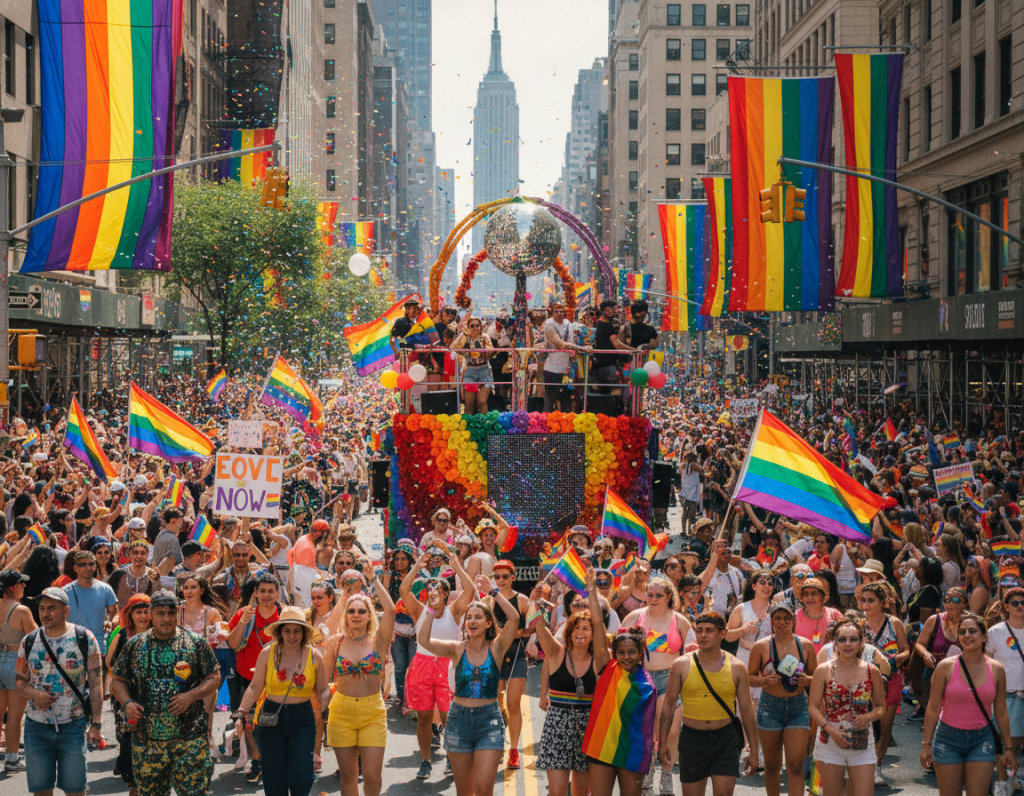
June launches summer with Pride Month celebrations throughout the city. The Pride March in late June attracts millions of participants and spectators. Rainbow flags appear throughout neighborhoods, and free events celebrate LGBTQ+ culture and history.
Outdoor concert series begin their summer runs in June. The first warm weekends bring people outdoors after a long winter. The energy of summer’s arrival creates excitement around every event. Performers and audiences share enthusiasm for the season ahead.
The weather in June offers the most comfortable temperatures. Humidity hasn’t reached July and August peaks. Early summer provides ideal conditions for extensive walking and outdoor activities. The longer days mean more daylight hours for exploration.
June also brings graduation season, with families visiting for ceremonies. This creates busier conditions at major attractions but also generates positive, celebratory energy throughout the city. The mix of students, families, and summer tourists creates a dynamic atmosphere.
July: Peak Summer Energy

Independence Day on July 4th showcases New York’s celebratory spirit. Macy’s fireworks display lights up the East River with the largest fireworks show in the nation. Free viewing locations exist throughout the city, particularly along the waterfront.
July temperatures climb to summer highs. Heat and humidity define the month, making water-based activities especially appealing. Beaches, water features, and air-conditioned museums see peak traffic. Planning activities around heat management becomes essential.
Most summer series reach full programming in July. Every park hosts concerts, movies, and festivals. The variety of free events peaks this month. You could attend different free events every night without repeating experiences.
Tourism reaches annual highs in July. Major attractions and popular parks experience maximum crowds. This creates more vibrant atmospheres but also requires more patience and planning. Arriving early at free events becomes even more important.
August: Late Summer Charm
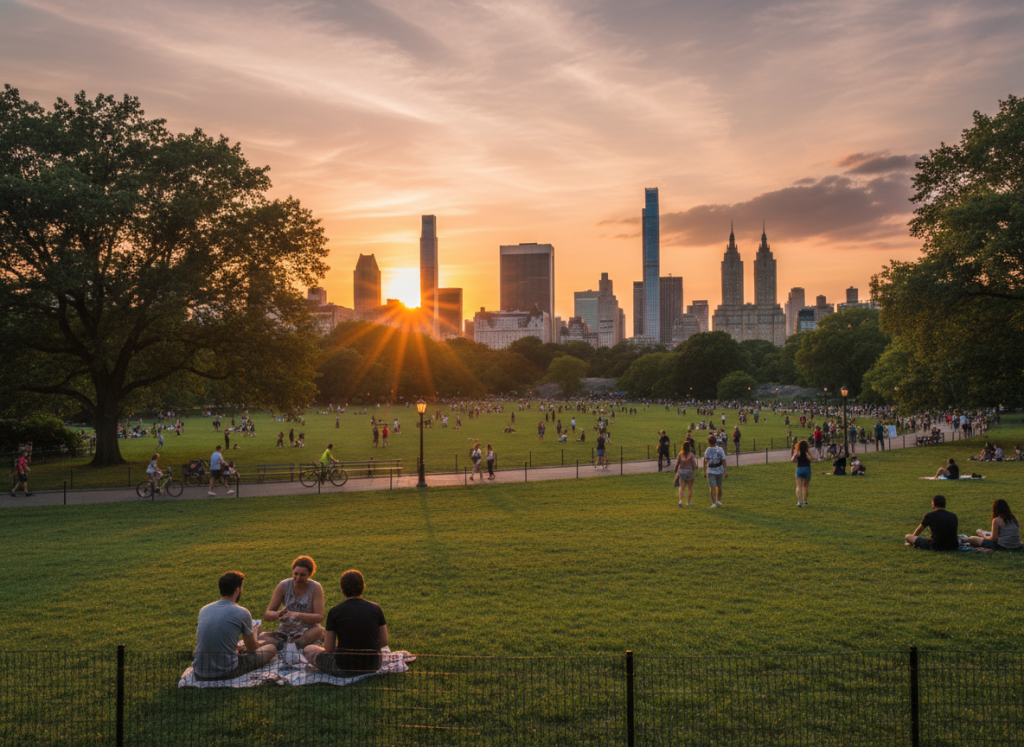
August brings a slight decrease in tourist numbers as families prepare for the school year. This creates a sweet spot where summer programming continues but crowds thin slightly. The last weeks of August offer excellent opportunities for experiencing the city.
Late summer temperatures remain high, but the approaching fall brings occasional relief. Evening temperatures become more comfortable toward month’s end. The gradual seasonal transition reminds New Yorkers that summer won’t last forever.
Final performances of summer series create special atmosphere. Artists and audiences know the season is ending, generating extra appreciation for the remaining warm evenings. These final concerts and events carry nostalgic energy.
Students begin returning to the city for the academic year. The influx of young people changes the city’s energy. Neighborhoods near universities come alive with move-in activity. This transition marks the cycle of New York’s seasons.
Start Your Free NYC Summer Adventure

The best free things to do in NYC this summer prove that memorable experiences don’t require expensive tickets. From world-class museums to pristine parks, spectacular views to cultural festivals, New York City opens its treasures to everyone during these warm months.
Summer in New York offers something for every interest and energy level. Active teens can bike, kayak, play sports, and explore constantly. Those seeking culture find endless concerts, performances, and art. Nature lovers discover unexpected green spaces throughout the urban landscape. History buffs encounter layers of the past at every turn.
The free activities described throughout this guide represent only a fraction of what New York offers. Every neighborhood contains its own attractions, events, and character. The five boroughs together create almost limitless possibilities for exploration and entertainment.
For families with teens, these free things to do in New York this summer provide opportunities for bonding, learning, and adventure. Whether you navigate the city independently or join structured programs like Camp New York, the experiences available shape how young people understand culture, diversity, and urban life.
New York City’s commitment to free public programming reflects democratic values. The belief that everyone deserves access to culture, nature, and entertainment regardless of economic circumstances distinguishes this city. Taking advantage of these offerings honors the vision of those who fought to create and maintain them.
This summer, step outside and discover your version of New York. Visit the famous landmarks and seek out hidden gems. Try activities you’ve never considered before. Meet people from different backgrounds. Let the city surprise and inspire you.
The best part about free summer activities in NYC? You can return as often as you want without financial stress. Build summer traditions around concerts in Bryant Park or sunset walks across the Brooklyn Bridge. Make weekly trips to different neighborhoods, slowly understanding what makes each unique.
For teens specifically, summer in New York City offers a chance to develop independence while exploring one of the world’s great cities. Whether experiencing it with friends, family, or through programs designed for your age group, these months create memories that last a lifetime.
Make This Summer Unforgettable
Whether you’re planning to explore NYC independently or want the structure and social benefits of a guided program, summer 2026 offers incredible opportunities. Camp New York stands ready to help teens experience everything described in this guide—with friends, safety, and expert guidance included.
Ready to plan your NYC summer? Contact us Monday-Friday, 9 AM – 5 PM EST
Start planning your free NYC summer today. Check event calendars, map out neighborhoods you want to explore, and mark free museum days on your calendar. The city awaits with open arms and countless opportunities.
Most importantly, approach your summer with curiosity and openness. New York reveals itself to those who pay attention. The free things to do in NYC this summer will exceed your expectations if you give them a chance. Your perfect summer adventure is waiting—all it takes is stepping out the door.