

Camp Movies
There’s something undeniably magical about camp movies. These beloved films transport us to a world where friendships form over campfires, adventures unfold in the great outdoors, and every summer day feels like the beginning of an unforgettable story. Whether you grew up watching these summer camp classics or discovered them later in life, camp movies hold a special place in our hearts because they remind us of simpler times filled with laughter, discovery, and the kind of bonds that last a lifetime.
From laugh-out-loud comedies to heartwarming dramas, movies set at summer camp capture the essence of what makes this experience so transformative. The best camp movies aren’t just entertainment. They’re time capsules that preserve the joy, chaos, and life lessons that happen when young people spend their summer away from home, surrounded by nature and new friends.
At Camp New York, we see these film moments come to life every single day. The same energy, excitement, and sense of community you witness on screen becomes reality when campers arrive each summer. The only difference? The memories made here are entirely your own, not scripted but genuinely earned through real experiences, genuine friendships, and adventures that you’ll carry with you for years to come.
What Are Camp Movies and Why Do They Resonate?

Camp movies are films that take place primarily at or revolve around the summer camp experience. These stories often follow a group of kids or teens as they navigate the unique social ecosystem of camp life. The setting becomes a character itself, with wooden cabins, sprawling lakes, dense forests, and communal dining halls serving as the backdrop for transformative experiences.
What makes these films so compelling is their ability to capture universal coming-of-age themes in a concentrated environment. Camp represents a temporary world where normal rules don’t quite apply. Parents aren’t around. School pressures fade away. Social hierarchies get reshuffled. In this special place, young people discover who they really are when freed from their everyday constraints.
The appeal crosses generations because nearly everyone can relate to the core experiences these movies portray. Even if you never attended camp yourself, the themes of finding your place in a group, overcoming fears, experiencing first crushes, and forging deep friendships resonate deeply. Camp becomes a metaphor for growth, change, and the bittersweet passage of time that defines our youth.

These films also tap into powerful nostalgia. For those who attended camp, watching these movies brings back floods of memories. For those who didn’t, they create a longing for an experience that feels both magical and attainable. Either way, camp movies serve as a reminder that some of life’s most important lessons happen outside the classroom, in moments of play, challenge, and authentic connection.
The best summer camp films balance humor with heart. They acknowledge the awkwardness of adolescence while celebrating the resilience and creativity of young people. They show that camp isn’t perfect, but it’s in the imperfections and unexpected moments that the most meaningful growth occurs.
Why People Love Camp Movies: Nostalgia, Friendship, and Adventure

The enduring popularity of camp movies stems from their ability to distill the essence of summer into a two-hour experience. These films remind us of a time when our biggest concern was whether we’d make the volleyball team or who would sit next to us at the campfire. That simplicity is powerfully appealing in our complex, screen-saturated world.
Friendship sits at the heart of nearly every camp film. Unlike school friendships that develop slowly over years, camp friendships form rapidly under intense circumstances. You’re living together, facing challenges together, and creating shared experiences at an accelerated pace. Camp movies capture this unique bond, showing how strangers can become best friends in a matter of days or weeks.
The underdog narrative appears frequently in these films and strikes a chord with audiences. Many camp movies feature characters who arrive as outsiders, misfits, or underdogs, only to discover their strengths and find their tribe. This transformation resonates because most of us have felt like outsiders at some point. Watching characters overcome bullies, self-doubt, or social anxiety through the camp experience feels both cathartic and inspiring.
Authentic Connection
Camp movies showcase genuine human connection in an era where digital relationships often feel shallow. The face-to-face interactions, shared physical activities, and absence of technology create space for deeper bonds.
- Characters put down devices and engage with each other
- Conflicts get resolved through conversation, not text
- Friendships form through shared experiences, not shared screens
- Emotional moments happen in real time, not through filters
Adventure and Discovery
These films celebrate exploration, risk-taking, and stepping outside comfort zones. Whether it’s conquering a fear of heights on the ropes course or trying a new activity, camp stories show growth through experience.
- Characters face physical and emotional challenges
- Natural settings provide backdrop for adventure
- Trying new activities leads to self-discovery
- Small victories build confidence and resilience
Humor and Heart
The best camp films balance comedy with genuine emotion. They find humor in awkward situations while never losing sight of the real feelings and stakes involved for the characters.
- Physical comedy from outdoor activities and pranks
- Coming-of-age awkwardness creates relatable humor
- Emotional depth prevents films from feeling frivolous
- Laughter and tears often exist in the same scene
Timeless Themes
Despite changing fashions and technology, the core themes of camp movies remain constant. Friendship, courage, first love, and self-discovery transcend any particular era.
- Universal experiences that cross generations
- Coming-of-age challenges that feel timeless
- Values that remain relevant regardless of setting
- Emotional truths that resonate across decades
Camp movies also offer escape without completely abandoning reality. They’re fantastical enough to feel special but grounded enough to seem achievable. Unlike superhero films or science fiction, the world of camp feels within reach. Parents watching these films can imagine sending their own children to have similar experiences. Kids watching can envision themselves in these scenarios.
The seasonal nature of camp adds another layer of appeal. Summer represents freedom, possibility, and transformation. These films capture that specific energy of knowing you have limited time to make unlimited memories. The ticking clock creates urgency and heightens every experience, making each friendship, adventure, and lesson feel more significant.
Iconic Camp Movies You May Recognize

Over the decades, numerous films have captured the camp experience in ways that continue to resonate with audiences. These movies span different genres, tones, and eras, but they all share a commitment to portraying the unique magic that happens when young people gather for a summer away from home. Here are some of the most beloved and influential summer camp movies that have shaped how we think about this quintessential experience.
Meatballs (1979)

This comedy classic launched Bill Murray’s film career and established many camp movie tropes that would be repeated for decades. Set at the low-rent Camp North Star, the story follows head counselor Tripper Harrison as he motivates a group of misfit campers to believe in themselves despite being underdogs in every competition. The film perfectly captures the chaotic energy of camp life, from ridiculous pranks to heartfelt moments of connection. Its famous “it just doesn’t matter” speech has become an anthem for anyone who’s ever felt like the underdog, reminding us that participation, effort, and camaraderie matter more than winning.
What makes Meatballs endure is its authenticity. Despite the comedy, the film respects the genuine emotions of its young characters. The relationship between Tripper and Rudy, a lonely kid who struggles to fit in, provides the emotional core. Their friendship shows how the right mentor can transform a summer, and even a life. The movie’s loose, improvisational feel captures how camp actually operates: organized chaos held together by dedicated counselors and a shared sense of purpose.
The Parent Trap (1961 & 1998)

Both versions of this beloved story use camp as the setting where twin sisters separated at birth discover each other’s existence. Camp Inch in the original and Camp Walden in the remake provide the perfect backdrop for this discovery, offering enough structured activities to bring the girls together while providing privacy for them to plot their parent-reuniting scheme. The films showcase classic camp activities like fencing, horseback riding, and cabin life while weaving in the central mystery and eventual bonding of the twins.
These films capture the intimate world of girls’ camp culture, from cabin pranks to late-night conversations. The camp setting serves as neutral territory where the twins can get to know each other away from parental influence. The counselors, fellow campers, and camp traditions create a community that supports the girls’ journey from rivals to sisters. Both versions demonstrate how camp provides the perfect environment for transformation, whether that’s discovering a long-lost sibling or learning to work together toward a common goal.
Wet Hot American Summer (2001)

This cult comedy takes a satirical approach to the genre, compressing an entire summer’s worth of camp drama into a single chaotic day. Set on the last day of camp in 1981, the film follows counselors and campers through absurd adventures involving romance, talent shows, secret government operations, and existential crises. While played for laughs, the movie affectionately parodies every camp movie trope while acknowledging the genuine intensity of summer camp relationships.
What started as a box office disappointment became a beloved cult classic, spawning a Netflix prequel series years later. The film resonates because beneath the absurdity lies truth about camp dynamics. The compressed timeline reflects how camp time feels different, how relationships that develop over eight weeks can feel as significant as those formed over years. The exaggerated emotions mirror the very real intensity that teenagers experience when romance, friendship, and competition collide in the pressure cooker environment of camp.
Heavyweights (1995)
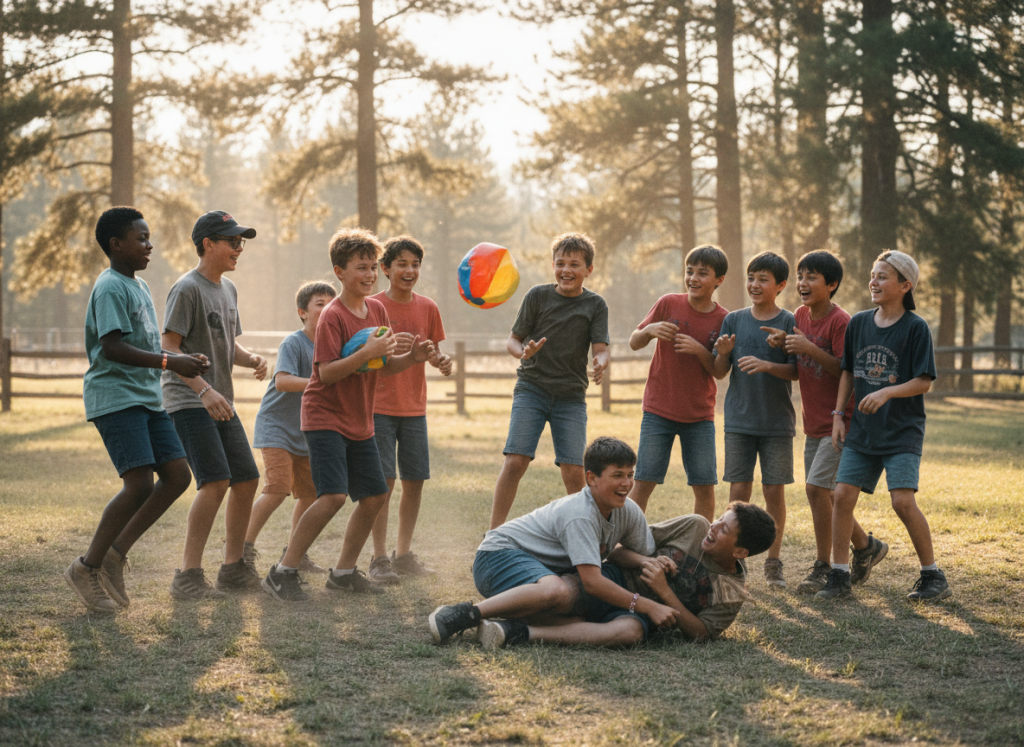
This film takes the camp movie formula and adds layers of social commentary about body image, self-acceptance, and the importance of kindness. When the beloved owners of Camp Hope sell to a fitness guru who transforms the weight-loss camp into a boot camp nightmare, the campers must band together to reclaim their summer. The story celebrates friendship, self-acceptance, and standing up to bullies while acknowledging the real struggles kids face with body image and self-esteem.
Heavyweights succeeds because it treats its characters with respect and humor without ever making them the joke. The boys at camp are funny, clever, and resourceful. Their weight is part of who they are but doesn’t define them. The film shows how camp should be a safe space where kids can be themselves, try new things, and build confidence. The friendships formed under adversity become the foundation for the group’s eventual triumph, demonstrating that camp’s real value lies in the community it creates.
Camp Rock (2008)

This Disney Channel original movie introduced camp to a new generation while focusing on music as the central activity. Mitchie Torres attends a prestigious music camp where she navigates social hierarchies, finds her voice, and discovers that authenticity matters more than image. The film combines the traditional camp story structure with musical performances, creating a hybrid that appeals to music-loving audiences while maintaining classic camp themes.
Camp Rock resonates with young audiences because it addresses modern concerns about identity and authenticity in an age of social media and image cultivation. The camp setting provides a space where Mitchie can experiment with different versions of herself before finding the courage to be genuine. The music becomes both metaphor and method for self-expression. Like the best camp movies, it shows how the right environment can help young people discover and develop their talents while learning that true friendship is based on who you are, not who you pretend to be.
Want to Live Your Own Camp Movie Story?
These films capture the magic, but nothing compares to experiencing real summer camp yourself. At Camp New York, campers create their own unforgettable stories filled with friendship, adventure, and discoveries that last far beyond the summer. From morning activities to evening campfires, every day brings new opportunities to write your own camp story.
Little Darlings (1980)

This drama takes a more serious approach to camp movies, exploring themes of sexuality, class differences, and the pressure to grow up too quickly. Two girls from different backgrounds, one wealthy and one from working-class roots, compete to lose their virginity during camp, only to discover that the real stakes involve self-respect, genuine connection, and resisting peer pressure. The film treats its teenage characters as complex individuals navigating difficult terrain.
While the premise might seem provocative, the film ultimately celebrates authenticity and self-determination. The camp setting creates a temporary world where the girls can explore identity away from their normal social contexts. The friendships formed, including the evolving relationship between the two rivals, prove more meaningful than the competition that initially defined their summer. Little Darlings acknowledges that camp is a space where serious personal growth occurs alongside the fun and games.
Camp Nowhere (1994)

This fantasy takes camp movies in a unique direction: what if kids could create their own camp without adult supervision? When a group of friends convince a former teacher to pose as a camp director while they essentially run wild for the summer, the initial paradise gradually reveals the need for structure, guidance, and genuine skill-building. The film is both wish fulfillment and cautionary tale, showing that while adult-free summers sound appealing, the real value of camp comes from the combination of freedom and mentorship.
Camp Nowhere captures the tension between independence and guidance that defines adolescence. The kids learn that simply doing whatever they want isn’t as fulfilling as being challenged to grow. By the end, they’ve created something that actually resembles a real camp, complete with activities that push them beyond their comfort zones. The story ultimately affirms that the best camps balance freedom with structure, allowing kids to explore while providing the framework for meaningful growth.
Addams Family Values (1993)

While not exclusively a camp movie, the extended camp sequence in this sequel provides one of cinema’s most memorable satirical takes on summer camp culture. When Wednesday and Pugsley Addams are sent to ultra-wholesome Camp Chippewa, their gothic sensibilities clash hilariously with the camp’s aggressively cheerful atmosphere. The sequence skewers camp clichés while acknowledging the genuine tyranny that can occur when conformity is enforced through relentless positivity.
The camp scenes work because they’re rooted in truth. Many camps do push a specific culture or set of values, and kids who don’t naturally fit that mold can feel like outsiders. Wednesday’s eventual rebellion, leading the outcasts in a revolt during the Thanksgiving pageant, speaks to anyone who’s ever felt pressure to conform. The sequence ultimately suggests that the best camps celebrate individuality rather than demanding everyone fit the same sunny mold.
Indian Summer (1993)

This film offers a different perspective by following adults who return to their childhood camp for a reunion. As they reconnect with each other and the place that shaped their youth, the story explores how camp experiences echo through our adult lives. The characters confront who they were, who they’ve become, and what they’ve lost or gained in the intervening years. Camp becomes a mirror reflecting both past innocence and present complexity.
Indian Summer resonates because it acknowledges that camp’s impact doesn’t end when summer does. The friendships formed, lessons learned, and experiences shared continue to influence us years later. The film shows adults rediscovering parts of themselves they’d forgotten, reconnecting with old friends in ways that prove more meaningful than childhood interactions, and recognizing how a single summer can provide a foundation that supports an entire life. It’s a love letter to camp that validates how deeply these experiences matter.
Sleepaway Camp (1983)

For those who prefer their camp movies with a darker edge, this cult horror film uses the camp setting to create isolated tension and mystery. While the slasher elements are what the film is known for, beneath the horror lies a story about bullying, trauma, and the sometimes cruel social dynamics that can emerge in closed communities. The camp setting amplifies the vulnerability of being away from home while navigating complex social situations.
The film spawned multiple sequels and remains a staple of horror movie discussions, proving that camp provides fertile ground for multiple genres. Even in this darker context, recognizable camp elements appear: cabin life, lake activities, campfires, and the social ecosystems that form when groups of kids live together. The horror elements may be exaggerated, but the underlying anxieties about fitting in, facing bullies, and surviving adolescence ring true for anyone who’s attended camp.
Common Themes in Camp Movies: Friendship, Growth, and Firsts
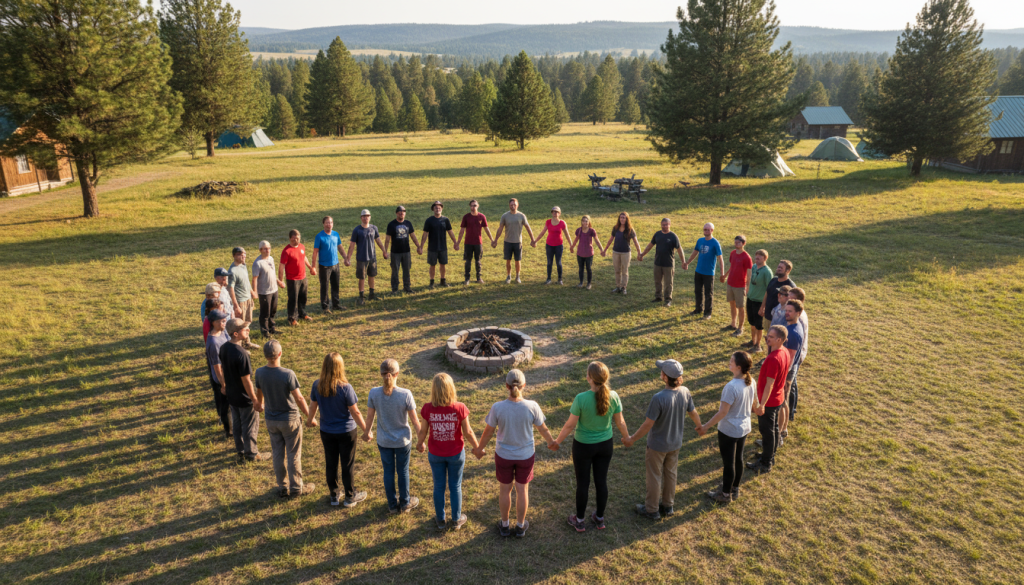
Despite their different approaches, styles, and target audiences, camp movies share recurring themes that speak to universal human experiences. These patterns emerge because they reflect the actual dynamics of camp life and the developmental stages of the young people who attend. Understanding these themes helps explain why camp movies continue to resonate across generations and why the camp experience itself remains so transformative.
Friendship as the Foundation
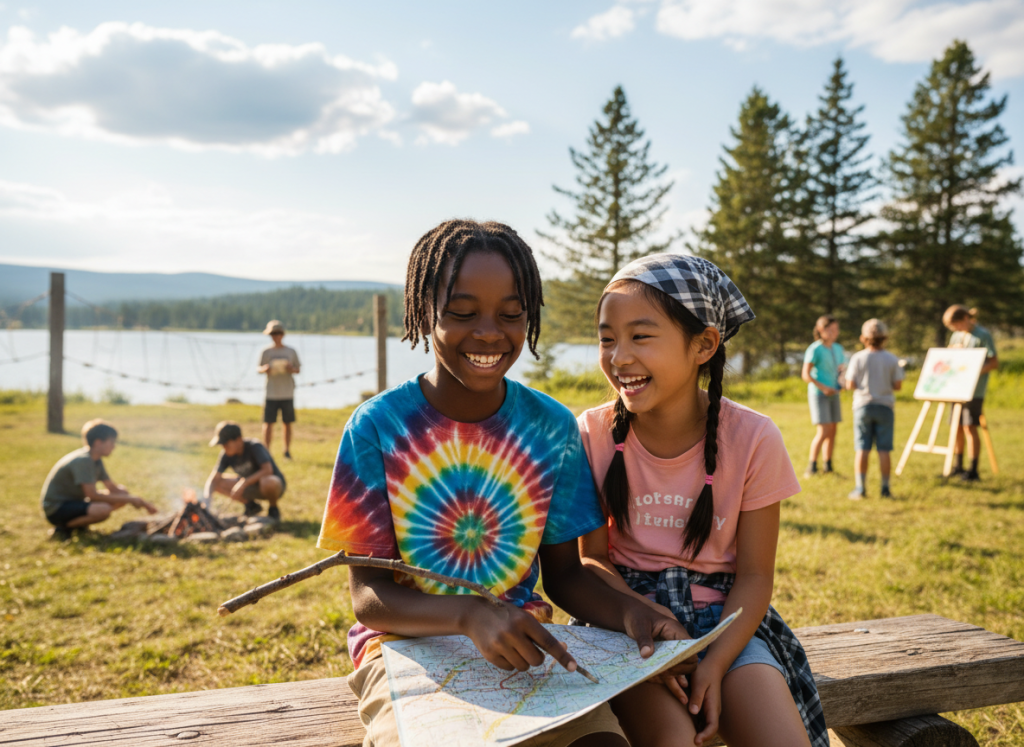
Every camp movie places friendship at its center. These aren’t shallow relationships based on proximity but deep bonds forged through shared experiences and mutual support. Camp movies show how quickly and intensely friendships can form when people live together, face challenges together, and rely on each other daily. The compressed timeline of camp accelerates relationship development in ways that feel both magical and authentic.
These films explore different types of friendship. There’s the unlikely friendship between characters who would never connect in their normal lives. There’s the instant connection that feels like finding your person. There’s the slow-building respect that grows from working toward a common goal. And there’s the rekindling of old friendships when alumni return. Each variation demonstrates that camp creates unique conditions for human connection.
The friendships in camp movies often cross social boundaries that would be rigid in other contexts. Economic differences, racial backgrounds, popularity status, athletic ability – these factors that might separate kids in school become less significant at camp. The shared experience of being away from home, participating in activities together, and living as a community creates bonds based on personality and character rather than superficial markers.
Overcoming Fears and Challenges

Growth through challenge is fundamental to camp movies. Characters arrive with fears, insecurities, or limitations and leave having pushed beyond them. The camp setting provides a safe but challenging environment where failure doesn’t carry the same weight it might at school or home. This combination of safety and challenge creates ideal conditions for taking risks.
Physical challenges often serve as metaphors for emotional growth. A character afraid of heights conquering the ropes course represents conquering deeper fears. Learning to swim mirrors learning to trust. Winning the talent show means finding the courage to be seen. Camp movies use these concrete challenges to illustrate abstract internal changes, making character development visible and dramatic.
The support system at camp enables risk-taking. When characters attempt difficult things in these films, they’re surrounded by counselors who believe in them and peers who cheer them on. This communal support demonstrates how the right environment can help people achieve things they never thought possible. The message is empowering: with the right support and determination, you can overcome obstacles that seemed insurmountable.
First Love and Romance

Summer romance is a staple of camp movies because camp provides the perfect setting for first crushes and relationships. Away from parents but surrounded by peers, with emotions heightened by the temporary nature of the experience, camp becomes a safe space to explore romantic feelings. These stories treat young romance with respect, acknowledging the genuine emotions involved while recognizing the often awkward execution.
The temporary nature of camp adds urgency to these relationships. Characters know they have limited time, which intensifies feelings and accelerates relationship development. This creates natural dramatic tension while mirroring the reality that many camp romances do end when summer does. The films explore both the joy of connection and the bittersweet nature of temporary relationships.
Identity and Self-Discovery
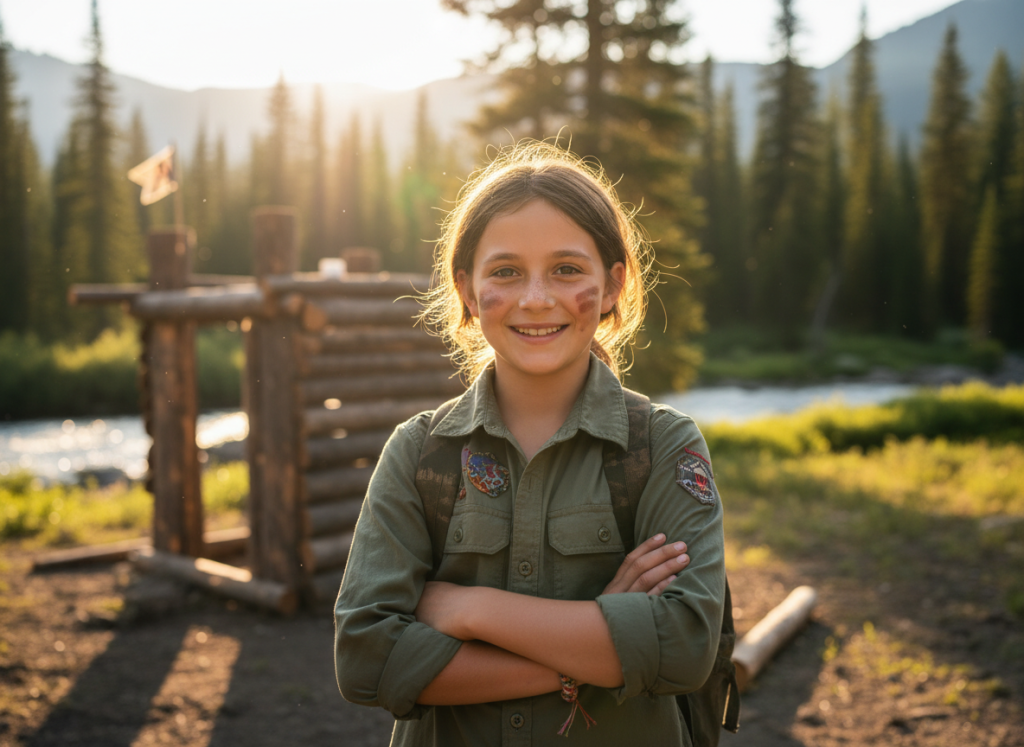
Camp movies frequently feature characters discovering who they really are when freed from their normal contexts. Away from family expectations, school reputations, and established social roles, kids can experiment with different versions of themselves. The camp setting offers freedom to try on new identities, discover hidden talents, or embrace aspects of themselves they’d previously hidden.
This theme resonates because identity formation is central to adolescence. Camp movies show characters learning what they value, what they’re good at, and who they want to be. The safe environment allows for failure and revision. A character can try being bold, discover it doesn’t fit, and adjust. The lessons learned about authentic self-expression versus performing for others remain relevant long after summer ends.
Teamwork and Community
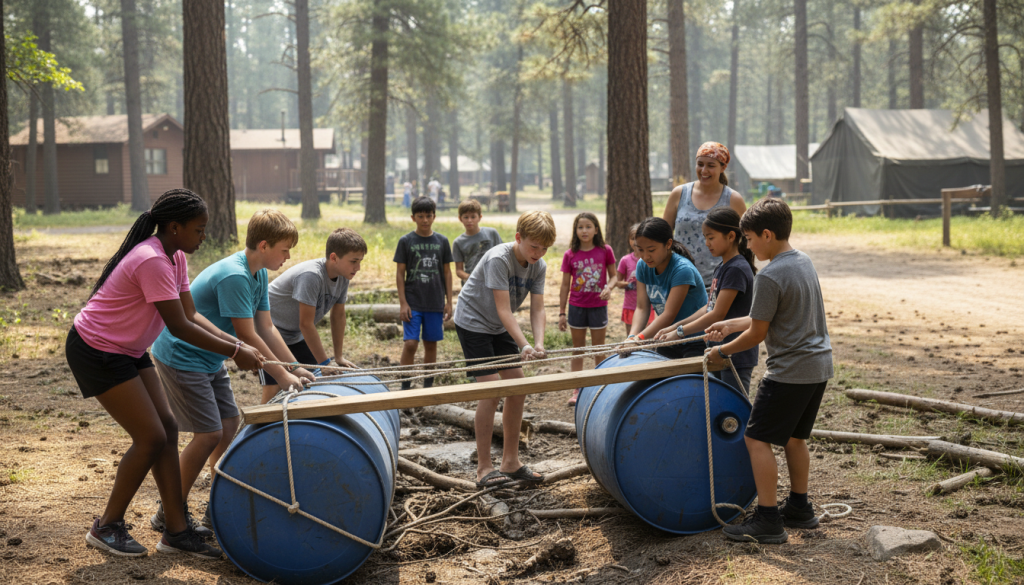
Many camp movies climax with characters working together toward a common goal. Whether it’s winning a competition, saving the camp from closure, or standing up to a bully, these stories emphasize that individual talent matters less than collective effort. The message is deeply democratic: everyone has something to contribute, and success comes from recognizing and leveraging each person’s unique strengths.
These teamwork narratives often involve underdogs defeating seemingly superior opponents. The victory comes not from individual heroics but from creative collaboration, mutual support, and refusal to give up. This structure reinforces that community strength exceeds individual ability, a lesson that extends far beyond camp into lifelong principles about cooperation and mutual support.
Campfire Moments and Tradition

Nearly every camp movie includes scenes around the campfire, and with good reason. The campfire represents the heart of camp community. It’s where stories get told, songs get sung, and the entire camp gathers as one. These scenes often serve as emotional climaxes where characters express their true feelings, relationships deepen, and the temporary community acknowledges its bond.
Tradition plays a significant role in camp movies. Whether it’s the annual competition, the talent show, or the last-night ceremony, these recurring events provide structure and meaning. They connect current campers to previous generations, creating a sense of continuity and belonging. The films show how traditions create shared identity and mark important transitions, making abstract ideas about community tangible and emotional.
Underdog Triumphs

The underdog narrative appears constantly in camp movies because it mirrors how many kids feel in their daily lives. The misfits, the less athletic, the shy, the weird – these characters find their moment at camp. The films suggest that in the right environment with the right support, anyone can succeed. The definition of success expands beyond traditional metrics to include courage, creativity, kindness, and perseverance.
These triumphs matter because they’re earned through effort and growth, not granted through inherent talent. Characters don’t suddenly become the best athlete or the most popular kid. Instead, they find their own strengths, work hard, support each other, and achieve victories that are meaningful precisely because they seemed impossible at the start. The message is hopeful without being unrealistic: you may not win everything, but you can surprise yourself with what you’re capable of achieving.
How Real Camp Life Mirrors Camp Movies

While camp movies employ dramatic license and cinematic exaggeration, they’re rooted in authentic experiences that translate directly to real camp life. The best films capture genuine dynamics that anyone who’s attended camp immediately recognizes. Understanding how reality mirrors cinema reveals why these movies resonate so deeply and why camp remains such a transformative experience.
Instant Friendships Do Happen

Movies often show characters becoming best friends within days, which might seem unrealistic until you experience camp yourself. The intensity of camp life truly does accelerate relationship formation. When you’re living with someone, sharing meals, facing challenges together, and spending nearly every waking hour in each other’s company, you get to know them quickly and deeply. The bonds formed in two weeks of camp can feel as strong as friendships developed over years at school.
The shared vulnerability of being away from home creates natural connection points. Everyone is navigating the same new environment, dealing with homesickness, trying to fit in, and seeking friendship. This shared experience creates instant common ground. Unlike school, where friend groups may be established and hard to break into, camp starts fresh for everyone. Even returning campers often form new friendships as cabin assignments and activities mix up social dynamics.
Real campers consistently report that their camp friends become some of their closest relationships, despite the limited time spent together. The combination of shared experiences, emotional intensity, and absence of normal social pressures creates conditions where authentic connection happens rapidly. Camp movies don’t exaggerate this aspect; they simply compress into two hours what campers experience across weeks.
Activities Are Both Fun and Meaningful

Camp movies often feature montages of activities: swimming, archery, arts and crafts, talent shows, sports competitions. These aren’t just filler scenes; they reflect how real camp days are structured around diverse activities designed to challenge kids in different ways. Every activity offers opportunities for growth, whether that’s conquering a physical fear, discovering a hidden talent, or simply trying something completely new.
Like in the movies, real camp activities serve multiple purposes. On the surface, they’re fun ways to spend time. Deeper down, they’re carefully designed learning experiences. The ropes course builds confidence and trust. Team sports develop cooperation and communication. Arts and crafts encourage creativity and self-expression. Swimming teaches both skill and safety. Each activity contributes to a holistic growth experience.
The variety of activities means everyone can find something they excel at and something that challenges them. The kid who struggles with sports might shine in drama. The shy child might discover confidence in archery. This diversity creates a more inclusive environment where different types of strengths are valued, just as camp movies show characters discovering their unique abilities through varied experiences.
Social Dynamics Are Complex

Movies often portray camp social hierarchies, cliques, and conflicts, and while they may exaggerate for drama, the underlying dynamics are real. Any community of young people will develop social structures. What makes camp different from school is the opportunity to reshape those structures. The kid who was unpopular at school might find acceptance at camp. The athlete might discover that different skills are valued. Social roles are more fluid because the context is new.
Real camps do navigate conflicts, just like in the movies. Disagreements over cabin arrangements, competition tensions, romantic triangles, and personality clashes all occur. What matters is how these conflicts are addressed. Good camps provide frameworks for healthy conflict resolution, teaching kids to communicate, empathize, and find solutions. These real-life lessons in navigation complex social situations prepare campers for relationships throughout their lives.
Counselors Make the Difference

Every memorable camp movie features at least one counselor who changes a kid’s life. This isn’t Hollywood invention; it’s one of camp’s most important realities. Counselors serve as mentors, role models, and trusted adults who aren’t parents or teachers. They’re old enough to guide but young enough to remember being campers themselves. This unique position allows them to connect with campers in ways that other adults sometimes can’t.
The best counselors, like their movie counterparts, see potential in every camper. They know when to push and when to support, when to let kids struggle through challenges and when to step in with help. They create safe spaces for kids to take risks, try new things, and occasionally fail without fear of harsh judgment. The relationships formed between counselors and campers often become touchstones that campers carry into adulthood.
Traditions Create Meaning

Camp movies often climax with a big traditional event: the final competition, the talent show, the closing campfire. Real camps rely heavily on traditions that mark time, create shared identity, and provide structure. These rituals matter because they connect current campers to everyone who came before. When you sing the same songs, participate in the same ceremonies, and follow the same customs as campers from decades past, you become part of something larger than yourself.
Traditions also create a sense of anticipation and belonging. First-year campers look forward to traditions they’ve heard about. Returning campers eagerly await favorite annual events. These shared experiences become the stories that campers tell years later, the memories that define their summers. The films capture this correctly: traditions transform ordinary activities into sacred moments that bind communities together.
Personal Growth Is Visible

Movie characters undergo dramatic transformations over the course of the film, and while real-life change happens more gradually, camp truly does accelerate personal development. Parents consistently report that their children return from camp more confident, independent, and mature. The combination of challenges faced, skills learned, and supportive community creates conditions where growth happens rapidly.
This growth occurs because camp requires kids to step outside their comfort zones repeatedly. They’re away from parents, navigating new social situations, trying unfamiliar activities, and making countless small decisions independently. Each successful navigation builds confidence. Each challenge overcome proves capability. By summer’s end, the accumulated experiences create measurable changes in self-perception and ability.
The Magic Is Real

Perhaps the most important way real camp mirrors the movies is the intangible magic that happens when all the elements come together. There are moments at camp that feel almost too perfect to be real: the perfect sunset over the lake, the moment when everyone finally gets the camp song right, the talent show performance that brings down the house, the conversation around the campfire that helps a struggling camper find their way. These moments aren’t manufactured for cinema; they happen organically when community, nature, and timing align.
Campers and counselors often struggle to explain this magic to people who haven’t experienced it. It’s the feeling of complete presence, of being fully engaged in the moment without worrying about what’s next. It’s the joy of simple pleasures: swimming in the lake on a hot day, laughing with friends until your stomach hurts, achieving something you didn’t think you could do. Camp movies capture this magic because it genuinely exists, and those who’ve lived it recognize it instantly on screen.
Camp New York: Your Real-Life Camp Movie Experience

At Camp New York, we’ve spent years creating an environment where the best aspects of camp movies become daily reality. We understand what makes camp transformative because we’ve witnessed thousands of campers arrive nervous and leave confident, show up alone and leave with lifelong friends, start the summer uncertain and end it knowing exactly who they are. The magic you see in camp films isn’t fiction – it’s what happens when you combine the right people, the right place, and the right philosophy of youth development.
Our camp isn’t about recreating movie moments; it’s about creating the authentic experiences that inspired those films in the first place. Every summer, we see the same transformations, hear the same laughter, and witness the same bonds forming that have defined camp culture for generations. The difference is that here, you’re not watching from an audience. You’re the main character in your own camp story.
Friendships That Last Beyond Summer

Like the best camp movies, Camp New York facilitates deep friendships through intentional community building. Our cabin groups are carefully designed to mix ages, backgrounds, and experience levels, creating opportunities for campers to connect with people they might never meet otherwise. The counselors who lead each cabin don’t just supervise; they actively foster inclusive environments where every camper feels valued and connected.
We’ve watched shy kids blossom when they find their people. We’ve seen campers from different states maintain friendships for years after their summers together. These bonds form because camp provides the time, space, and shared experiences necessary for deep connection. Whether it’s navigating a ropes course together, collaborating on a cabin skit, or simply talking late into the night, campers form relationships based on genuine understanding and shared adventure.
Activities That Challenge and Delight

Our programming includes everything you’ve seen in camp movies and more. From traditional activities like swimming, canoeing, and archery to modern offerings like video production and robotics, we provide diverse opportunities for every type of learner and explorer. The key is that every activity is led by trained instructors who understand how to balance fun with skill development, safety with appropriate challenge.
What makes our activities special is the philosophy behind them. We’re not trying to create Olympic athletes or professional artists. We’re creating opportunities for discovery, growth, and joy. When a camper conquers their fear of heights on our climbing wall, they’re not just learning to climb – they’re learning that they’re braver than they thought. When a shy child performs in our talent show, they’re not just singing a song – they’re discovering that they have a voice worth sharing.
Create Movie-Worthy Memories at Camp New York
Every summer at Camp New York is filled with the adventures, friendships, and personal triumphs you’ve seen in your favorite camp films. Our campers don’t just watch stories unfold – they live them. From morning activities on the lake to evening campfires under the stars, each day brings new opportunities to discover what you’re capable of achieving. This is where real memories are made, friendships are forged, and young people find out who they truly are when given the freedom to explore, grow, and be themselves.
Counselors Who Care and Inspire

Our counselor selection and training process is rigorous because we know how crucial these relationships are to the camp experience. We seek counselors who remember what it was like to be a camper, who genuinely enjoy working with young people, and who understand that their role extends far beyond activity instruction. Many of our counselors are former campers themselves, which means they carry forward the culture and traditions that make Camp New York special.
These young adults serve as mentors, cheerleaders, problem-solvers, and role models. They’re the ones who notice when a camper is struggling and provide support. They celebrate every achievement, from making a basket in basketball to trying a new food in the dining hall. They create cabin cultures where kindness is cool and where every camper knows they belong. The relationships formed between counselors and campers often become some of the most meaningful connections of childhood.
Traditions That Build Community

Camp New York has traditions that stretch back decades, and we honor them because they create continuity and meaning. Our opening campfire ceremony welcomes new campers into the community while reconnecting returning campers with the place they love. Our mid-summer carnival brings the entire camp together for a day of games, laughter, and friendly competition. Our closing ceremony provides space for reflection, gratitude, and the bittersweet acknowledgment that another summer has come to an end.
These traditions matter because they mark time and create shared identity. When campers participate in the same rituals their parents or older siblings experienced, they become part of a lineage. When they anticipate favorite annual events, they develop a sense of belonging that extends beyond a single summer. These traditions transform camp from just a place you go to a community you’re part of, a story you share with others who understand what makes it special.
A Setting Worthy of the Big Screen

Our location provides the natural beauty that makes camp movies so visually appealing. Surrounded by forests and centered around a pristine lake, Camp New York offers the kind of setting where adventures naturally unfold. Campers wake to birdsong, spend days in fresh air and sunshine, and fall asleep to the sounds of nature. This immersion in the natural world creates a different rhythm of life, one that feels slower and more intentional than the schedule-packed existence many kids live during the school year.
The natural setting isn’t just pretty; it’s pedagogical. Being in nature teaches observation, patience, and appreciation for the world beyond screens and walls. Swimming in a real lake feels different than swimming in a pool. Hiking through actual woods creates different challenges and rewards than walking on sidewalks. Building a campfire and cooking s’mores connects campers to traditions that predate electricity and technology. These experiences ground young people in the physical world and create memories that endure precisely because they engaged all the senses.
Safety and Care Behind the Scenes

While camp movies focus on adventure and fun, they rarely show the extensive preparation and safety measures that make those experiences possible. At Camp New York, we maintain the highest standards for camper safety and wellbeing. Our counselors are trained in first aid and emergency procedures. Our activities are supervised by certified instructors. Our facilities are regularly inspected and maintained. Our health center is staffed by licensed medical professionals.
This infrastructure operates invisibly to campers, which is exactly how it should be. Kids should feel free to explore, take appropriate risks, and push their boundaries without worrying about safety. They can do so because we’ve created an environment where risks are managed, supervision is consistent, and care is always available. Parents can trust that their children are in good hands, allowing campers to have authentic adventures with appropriate support systems in place.
Inclusivity and Belonging for Everyone

The best camp movies show how camp can be a place where everyone belongs, and we work intentionally to make that ideal a reality. Camp New York welcomes campers from all backgrounds, with varying abilities, interests, and experience levels. We create an environment where differences are celebrated, where kindness is expected, and where every camper can find their niche. Our staff receives training in cultural competency, inclusive practices, and supporting diverse needs.
This commitment to inclusion means that camp truly can be transformative for every child. The kid who struggled to fit in at school can find acceptance here. The child who uses adaptive equipment can participate fully in modified activities. The camper from a different background can share their culture while learning about others. When camp works at its best, it demonstrates that community is built not on sameness but on shared values of respect, kindness, and mutual support.
Preparation for Life Beyond Camp

While camp is about having fun, it’s also about developing skills and character traits that serve campers throughout their lives. The independence gained from being away from parents, the resilience built through facing challenges, the social skills honed through constant interaction with peers, the confidence earned from trying new things – these lessons extend far beyond summer. Former campers often report that camp taught them how to make friends, how to handle adversity, how to work as part of a team, and how to believe in themselves.
These aren’t lessons taught in formal classes but learned through experience. When you help your cabin clean up even though it’s not your mess, you’re learning responsibility. When you encourage a struggling teammate, you’re developing empathy. When you try archery despite being nervous, you’re building courage. When you resolve a conflict with a cabinmate, you’re practicing communication. Camp becomes a laboratory for social and emotional learning, where lessons stick because they’re experienced firsthand rather than simply taught.
Frequently Asked Questions About Camp Movies and Summer Camp

What are camp movies?
Camp movies are films that take place primarily at summer camps or revolve around the summer camp experience. These movies capture the unique culture, activities, relationships, and transformative experiences that happen when young people spend their summer away from home in a camp setting. They span multiple genres including comedy, drama, romance, and even horror, but they all use the camp environment as the primary setting for their stories.
The best camp movies explore themes like friendship, personal growth, first love, overcoming challenges, and finding where you belong. They often feature activities like swimming, campfires, talent shows, sports competitions, and cabin life. What makes these films resonate is their ability to capture both the fun and the deeper emotional experiences that define the camp journey.
What are some good camp movies for kids and teens?
For younger kids, excellent choices include “The Parent Trap” (both the 1961 original and 1998 remake), which follows twin sisters who meet at camp, and “Heavyweights,” a comedy about kids at a weight-loss camp who learn self-acceptance. “Camp Nowhere” offers wish-fulfillment fantasy about kids running their own camp, while “Meatballs” provides classic camp comedy that’s appropriate for older kids.
Teens might enjoy “Camp Rock” for its music and romance, “Wet Hot American Summer” for absurdist comedy (though parents should preview first), or “Indian Summer” for a more mature perspective on how camp experiences echo through adult life. The key is matching the film to your child’s age and interests, as camp movies range from silly comedies to more serious coming-of-age dramas.
Why do camp movies feel so nostalgic?
Camp movies tap into powerful nostalgia because they represent a specific time in life characterized by freedom, friendship, and fewer responsibilities. For those who attended camp, these films trigger memories of their own summers filled with adventure and connection. For those who didn’t, they create longing for an experience that seems both magical and authentic.
The nostalgia also comes from how camp movies capture universal experiences of growing up: making friends, facing fears, experiencing first crushes, and discovering who you are. These themes resonate across generations because they’re timeless aspects of adolescence. Additionally, camp represents a simpler time before the complexities of adult life, which makes these films feel like windows into an idealized past, even for people experiencing them in the present.
The settings themselves evoke nostalgia – wooden cabins, pristine lakes, campfires under stars, and communities disconnected from modern technology. In our increasingly digital world, the analog nature of camp life feels simultaneously old-fashioned and refreshing, creating a nostalgic pull toward simpler, more connected ways of living.
Can real-life camp be as fun as camp movies?
Real-life camp can absolutely be as fun as camp movies – and in many ways, even better. While movies compress time and heighten drama for entertainment, actual camp offers sustained joy, genuine friendships, and personal growth that unfolds over weeks rather than minutes. The relationships formed at real camp are deeper because they’re earned through shared experiences, not written into a script.
At Camp New York, we see the magic of camp movies come to life every summer. Campers arrive nervous and leave confident. Strangers become best friends. Kids discover talents they didn’t know they had. The laughter, adventures, campfires, and bonds you see on screen happen here daily, but they’re even more meaningful because they’re authentically yours.
The advantage of real camp over movies is that you’re not watching someone else’s story – you’re creating your own. You get to be the main character, make the choices, face the challenges, and earn the victories. And unlike a film that ends in two hours, the memories and friendships from camp last a lifetime. If you’re curious about experiencing your own camp adventure, we’d love to show you what makes Camp New York special. Visit our programs page to learn more about how you can write your own camp story.
What age group are most camp movies appropriate for?
Camp movies span a wide range of age appropriateness. Many, like “The Parent Trap,” “Heavyweights,” and “Camp Rock,” are suitable for elementary school-aged children and up, with G or PG ratings. These films focus on friendship, fun, and age-appropriate challenges without mature content.
Other camp movies, like “Meatballs,” “Wet Hot American Summer,” and “Little Darlings,” are better suited for teenagers due to more mature themes, language, or situations. Some, like “Sleepaway Camp,” are horror films appropriate only for older teens and adults. It’s always wise to check ratings and reviews before watching with younger viewers to ensure the content matches your family’s values and your child’s maturity level.
Are the activities shown in camp movies realistic?
Yes, most activities shown in camp movies reflect real camp programming. Swimming, canoeing, archery, arts and crafts, talent shows, campfires, sports, and outdoor adventures are all standard offerings at actual summer camps. While movies might show these activities in compressed or dramatized ways, the fundamental experiences are authentic.
Camp New York offers all these classic activities and more. Our programming includes traditional favorites like swimming in our beautiful lake, archery on our range, and nightly campfires, along with modern additions like video production and STEM activities. The combination creates a well-rounded experience that honors camp traditions while staying relevant to today’s young people.
Do camp movies accurately portray the social dynamics of real camp?
Camp movies often exaggerate social dynamics for dramatic effect, but they’re rooted in real experiences. Camps do have social ecosystems, and kids do navigate friendships, conflicts, and social hierarchies. What movies sometimes miss is how actively good camps work to create inclusive environments where everyone belongs.
At Camp New York, our counselors are trained to foster positive social dynamics, prevent bullying, and ensure every camper feels valued. While friendships form naturally and some kids click more than others, we intentionally create structures that mix social groups, celebrate different strengths, and build community across differences. The result is a healthier, more inclusive version of the social world portrayed in films.
What makes summer camp different from other youth experiences?
Summer camp offers a unique combination of factors that distinguish it from school, sports teams, or other activities. Campers live together in a residential setting, creating round-the-clock community. They’re away from parents but supported by caring counselors, finding a balance between independence and guidance. The temporary nature creates intensity – kids know they have limited time to form friendships and have experiences, which accelerates connection and engagement.
Camp also offers freedom from academic pressure and the ability to try new things without worrying about grades or performance metrics. The diverse programming means every child can find activities they excel in and others that challenge them. The natural setting provides constant outdoor time and disconnection from technology. Together, these factors create an environment where personal growth, authentic friendships, and joyful memories flourish in ways that rarely happen elsewhere.
Experience Your Own Camp Movie Magic

Camp movies endure because they capture something real and profound about the human experience. They remind us that friendships matter, that facing our fears makes us stronger, that authentic connections happen when we’re fully present with each other. These films preserve the magic of summer, the importance of play, and the transformative power of community. Whether you grew up watching these classics or discovered them recently, their appeal lies in universal truths about growth, belonging, and the bittersweet beauty of temporary experiences that leave permanent marks on our hearts.
The stories told in camp movies aren’t just Hollywood inventions. They’re reflections of real experiences that have shaped millions of lives across generations. The laughter around campfires, the friendships that form in cabin bunks, the confidence gained from conquering the climbing wall, the lessons learned from working together toward common goals – these moments happen every summer at camps across the country. They happened at the camps our grandparents attended, and they’re happening right now at places like Camp New York.
While camp movies let you witness these transformations from the comfort of your couch, nothing compares to living the experience yourself. At Camp New York, we don’t recreate movie moments – we create the authentic experiences that inspired those films in the first place. Every summer brings new adventures, new friendships, and new opportunities for campers to discover what they’re capable of achieving. The campfires glow just as bright, the lake sparkles just as beautifully, and the bonds formed are just as strong as anything you’ve seen on screen.

If these films have sparked your curiosity or reminded you of what makes camp special, we invite you to experience the real thing. Camp New York welcomes campers who are ready to write their own stories, make their own memories, and discover their own strengths in a supportive, joyful community. Whether you’re a first-time camper nervous about what to expect or a returning veteran eager for another summer of adventure, there’s a place for you here.
The magic you’ve witnessed in camp movies – the instant friendships, the personal growth, the adventures, the laughter, the campfires, the sense of belonging – it’s all waiting for you. Not as a scripted scene but as a genuine experience that you’ll carry with you long after summer ends. The only question is: are you ready to be the main character in your own camp story?