
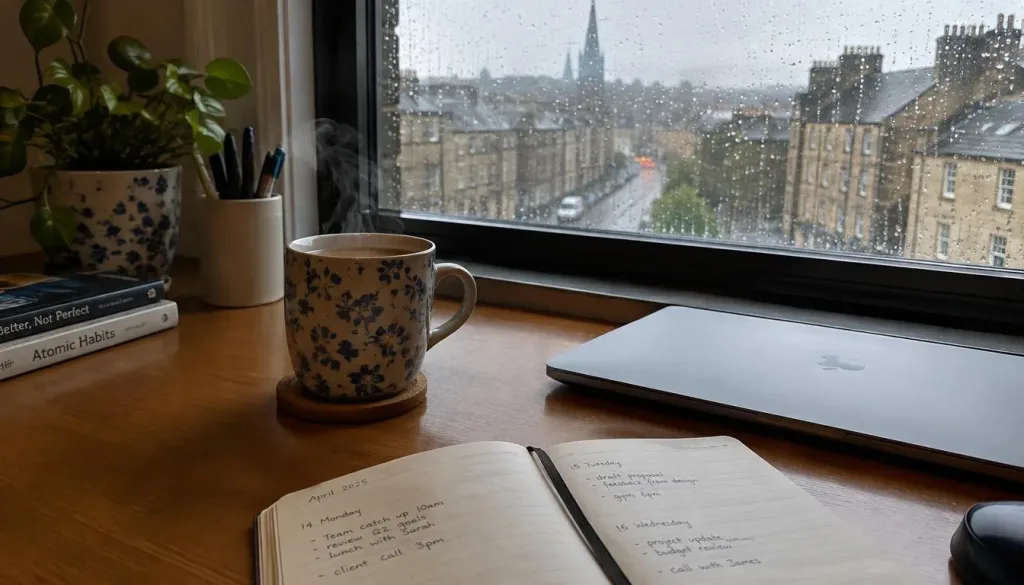
National Sickie Day refers to the informal UK cultural phenomenon where cold weather, overflowing inboxes and post-holiday lethargy coincide with a noticeable dip in office motivation. Rather than an excuse for dishonesty, this occasion highlights how winter fatigue and routine frustration affect everyday well-being across British workplaces. Taking time to distinguish between short-term illness and persistent dissatisfaction helps you address personal health responsibly while planning meaningful life changes.
Deciding whether you need immediate rest or a broader lifestyle shift depends on your ongoing energy and career engagement. Examining your daily habits and exploring adventurous alternatives can turn seasonal low points into opportunities for renewal.
What is National Sickie Day?
In British popular culture, National Sickie Day is an informal awareness day associated with a reported surge in workplace absence at the start of February. It is not an official public holiday, and the term is used loosely across media outlets and office chatter to describe peak winter sluggishness. The phrase typically captures the collective mood when festive cheer has faded, financial pressures linger and spring still feels far away.
The concept gained traction because the first Monday of February often aligns with poor weather, seasonal illnesses and lower enthusiasm for repetitive tasks. While the informal title can sound playful, it reflects genuine pressures felt by employees across the country. Understanding what National Sickie Day meaning represents helps distinguish between lighthearted office banter and authentic signals that your routine requires adjustments.
National Sickie Day UK discussions often highlight workplace morale, but the day remains strictly informal. It serves as an annual reminder to evaluate personal wellness rather than a justification for unexcused absence.
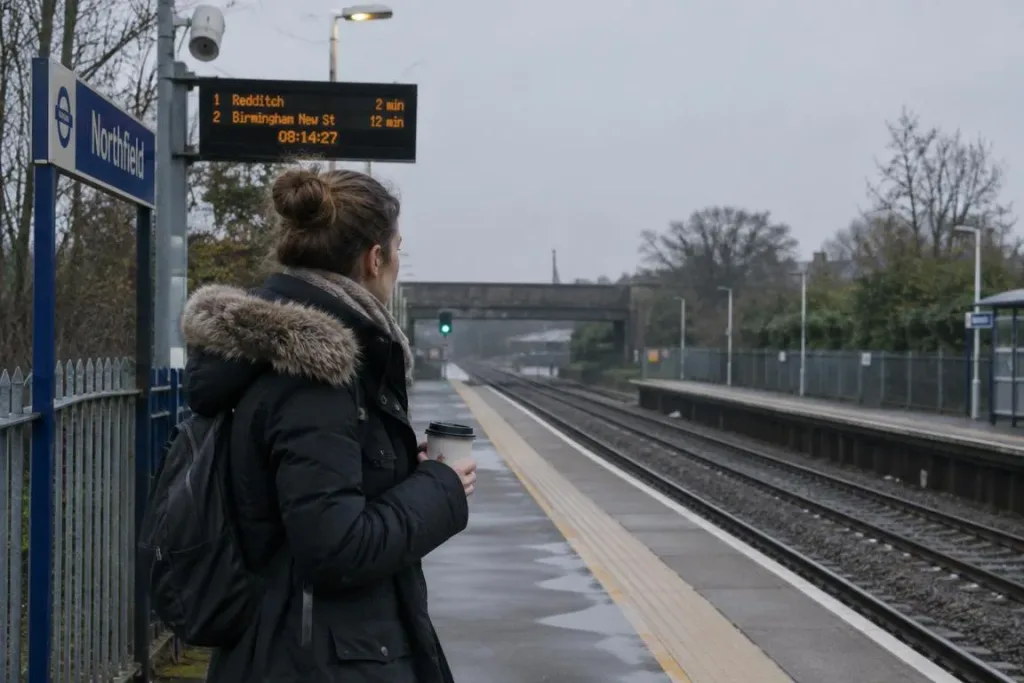
Taking a sick day when you need one
Taking genuine sick leave when physical or emotional symptoms arise is a fundamental part of maintaining personal and collective health. Pushing through acute sickness rarely benefits anyone and often lengthens the time required to regain full vitality. Listening to physical warning signs allows your body to recover properly without compromising the health of colleagues.
Whenever you fall ill, follow your employer’s formal reporting process and contact your manager promptly according to workplace policy. If symptoms persist or cause substantial distress, consult a healthcare professional or contact NHS services for qualified guidance. Honest communication maintains mutual trust and supports a healthier work environment for everyone involved.
Honouring Recovery
Resting when unwell prevents prolonged fatigue and supports physical recovery. Step away from work duties without guilt so your body can recuperate completely.
Transparent Reporting
Adhering to company notification rules keeps teams informed and avoids unnecessary workplace friction. Follow official sickness reporting guidelines whenever absence becomes necessary.
When a day off is not enough
A single day away from the desk can help resolve short-term physical sickness, but persistent fatigue often points to deeper routine dissatisfaction. Ongoing exhaustion, apathy toward daily projects and lingering dread on Sunday evenings can be a sign that current commitments lack purpose. When rest fails to restore enthusiasm, evaluating your broader lifestyle can help uncover what is missing.
Burnout at work develops gradually when demanding schedules, limited autonomy and monotonous duties crowd out personal interests. Consider these questions to reflect on your current circumstances:
- Do you feel rested after time off?
- Do you enjoy your work most days?
- Do you have time for friends, hobbies and rest?
- Are you learning or growing?
- Do you feel able to be yourself at work?
These prompts provide a helpful starting point for self-reflection rather than a medical evaluation. Identifying patterns of disconnection enables you to take practical steps toward balance before chronic frustration takes over.
| Sign | Example | A small next step |
| Morning dread | Snoozing alarm | Establish a calming morning routine before checking notifications. |
| Constant fatigue | Heavy exhaustion | Take an uninterrupted lunch break away from all screens. |
| Task apathy | Dragging tasks | Break complex assignments into manageable, self-contained segments. |
| Restless mindset | Aimless scrolling | Step outside for fresh air to reset mental clarity. |
Small changes that can help
Transforming your daily experience does not always require an immediate career overhaul. Introducing manageable, positive adjustments into everyday schedules can improve work-life balance and restore a sense of agency. These low-pressure shifts help build resilience while you consider longer-term personal goals.
Small daily adjustments create breathing room within demanding weeks without creating unrealistic expectations. Use this practical reflection checklist to review your current routine, priorities and energy levels:
- Take a proper lunch break away from desks and electronic workstations.
- Set a clearer boundary between work duties and personal evening hours.
- Spend time outdoors in natural light to refresh perspective.
- Make regular plans with friends to stay connected socially.
- Try a new creative hobby that engages different practical talents.
- Speak to someone you trust regarding workplace stress and priorities.
- Review your weekly schedule to eliminate non-essential commitments.
While minor routine adjustments reduce daily friction, they cannot single-handedly resolve unfulfilling career paths. If your role no longer aligns with your values, exploring fresh paths outside your comfort zone becomes a constructive response.
National Sickie Day and Camp New York
If your weekdays have started to feel like a repeat of the same routine, it can help to remember that there are other ways to spend a summer. Working at an American summer camp can offer a completely different pace, new people and a chance to build skills in a hands-on environment.
Stepping out of the conventional office environment provides valuable breathing room to reassess long-term ambitions. Summer camp jobs abroad present practical career change ideas for young adults seeking purposeful, active work. Instead of spending warmer months stuck behind a screen, you can contribute to a dynamic outdoor community.
Camp counsellor roles represent genuine, demanding work that involves leadership, patience and teamwork. They are not an escape from responsibility, but rather an active commitment to supporting youth development in an engaging setting.

What a camp summer could look like
Spending a summer working at a camp in the United States offers a profound break from repetitive urban schedules. You live alongside international colleagues, exchange cultural traditions and collaborate daily to create positive experiences for campers. The vibrant environment replaces commute-heavy routines with active, community-driven days.
Counsellors guide children through arts, sports, waterfront activities and outdoor survival skills. In doing so, you develop transferable communication, leadership and conflict-resolution abilities that enhance any future professional pursuit. A camp season challenges you to step outside comfortable habits and build lasting self-reliance.
Global Community
Living alongside peers from various countries broadens cultural understanding. Shared challenges forge lifelong friendships that extend well beyond the season.
Transferable Skills
Managing activity sessions strengthens public speaking, crisis handling and team coordination. Employers across numerous sectors value practical problem-solving capability.
Active Lifestyle
Daily routines centre on physical activity, fresh air and real-world connection. Outdoor engagement provides a tangible contrast to screen-based desk assignments.
How to explore a camp role
Investigating summer camp opportunities requires proactive planning, honest self-assessment and attention to formal requirements. Identifying how your talents translate to a pastoral or activity-leading position makes the transition straightforward. Taking deliberate steps now allows you to prepare effectively for the upcoming season.
Prospective applicants should follow a methodical approach to review opportunities and submit their credentials:
- Check the current eligibility and application requirements on the Camp New York website.
- Think about the practical skills, hobbies and youth-work experience you could contribute.
- Prepare a clear, honest application detailing your qualifications and background.
- Be ready to discuss your genuine motivation for mentoring and supporting young people.
- Follow the official application process thoroughly through authorised organisation channels.
Camp New York applications allow young adults to put their leadership potential into practice while experiencing life overseas. Reviewing prerequisites early helps you present an authentic application that reflects your enthusiasm for mentorship.
Frequently asked questions
What is National Sickie Day?
National Sickie Day is an informal awareness day in the UK associated with a perceived seasonal peak in workplace absences. It is not a statutory holiday, and the name is used colloquially in media and office discussions.
When is National Sickie Day?
National Sickie Day is commonly associated with the first Monday of February each year. Because it is an informal cultural concept rather than an official observance, it does not hold a fixed legal calendar status.
Is it okay to take a sick day when you are unwell?
Yes, taking time off to recover from genuine illness is important for personal health and protects colleagues from contagious conditions. Employees should always follow their workplace absence reporting guidelines and consult a medical professional if needed.
What should I do if I feel burnt out at work?
If you suspect burnout, start by reflecting on your work-life balance and discussing your workload with a trusted manager or healthcare professional. Exploring adjustments to daily routines or considering broader career changes can help restore long-term vitality.
Can working at summer camp help with career change?
Working at summer camp provides practical leadership, communication and event coordination skills that benefit diverse professional sectors. The experience also offers valuable perspective away from office routines to help clarify long-term ambitions.
Do I need previous experience to apply to Camp New York?
Camp roles require a sincere enthusiasm for working with children, along with relevant practical skills in sports, arts or outdoor leadership. Check the official Camp New York criteria to see how your specific experiences match programme openings.
Make space for something different
Honouring your physical health with proper rest when sick is vital, but persistent dissatisfaction requires honest reflection and constructive action. Assessing whether your current daily pattern aligns with your personal values helps identify whether small habits or larger adventures are needed next.
Explore Summer Camp Opportunities
If a summer of new experiences, teamwork and personal growth sounds appealing, explore summer camp jobs with Camp New York, check the current requirements and see where your skills could take you.