
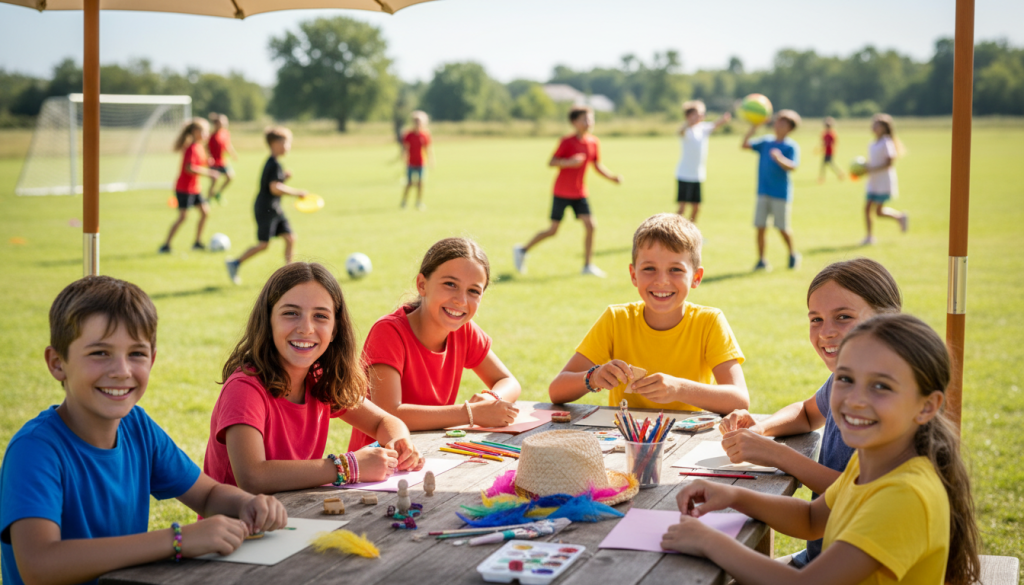
Summer brings the exciting chance for children to step away from screens and classrooms. Camp activities offer young people a unique opportunity to explore the world around them through hands-on experiences. These programs create space for kids to discover new interests, build lasting friendships, and develop confidence in a supportive environment.
Parents often wonder what their children will actually do during those weeks away from home. The variety of camp activities available today goes far beyond the traditional campfire and nature walk. Modern camps blend outdoor adventures with creative pursuits, sports competitions with quiet reflection time, and individual challenges with group projects.
Each activity serves a purpose beyond simple entertainment. Whether learning to paddle a canoe, performing in a talent show, or working together on a team challenge, campers gain valuable life skills. The experiences they collect become stories they share for years to come.
Why Camp Activities Matter for Children’s Development
The right mix of camp activities creates an environment where children thrive. These structured yet flexible programs help young people grow in ways that traditional classroom settings cannot always provide. The outdoor space and varied schedule give kids room to explore their interests without the usual pressures of academic performance.
Building Social Connections
Camp activities naturally bring children together. Working on a group project or playing on the same team helps campers form friendships quickly. These social experiences teach kids how to communicate effectively, resolve conflicts peacefully, and support one another through challenges.
The shared experience of trying something new creates bonds between campers. A child who feels nervous about climbing the rock wall finds encouragement from peers who faced the same fear. This supportive atmosphere builds a sense of community that many children carry with them long after summer ends.
Developing Physical Skills
Active play throughout the day keeps children moving and healthy. Sports activities improve coordination and strength. Outdoor adventures build endurance and balance. Even creative activities like dance or theater involve physical expression that helps kids become more comfortable in their own bodies.
Regular physical activity at camp establishes healthy habits. Children discover forms of exercise they genuinely enjoy rather than viewing movement as a chore. This positive association with physical activity often continues when they return home.
Key Benefits of Structured Camp Activities
- Increased self-confidence through mastery of new skills
- Better problem-solving abilities from hands-on challenges
- Enhanced creativity through artistic and imaginative play
- Stronger emotional resilience from navigating new situations
- Improved teamwork and leadership capabilities
Fostering Independence and Responsibility
Summer camp activities encourage children to make their own choices. Selecting which activities to try, deciding how to approach a challenge, and managing their own time all contribute to growing independence. This autonomy helps kids develop a stronger sense of self and learn to trust their own judgment.
Responsibility naturally follows independence at camp. Children take care of their belongings, show up on time for activities, and contribute to their group’s success. These small acts of responsibility add up to significant personal growth over the course of a summer session.
Outdoor and Sports-Based Camp Activities
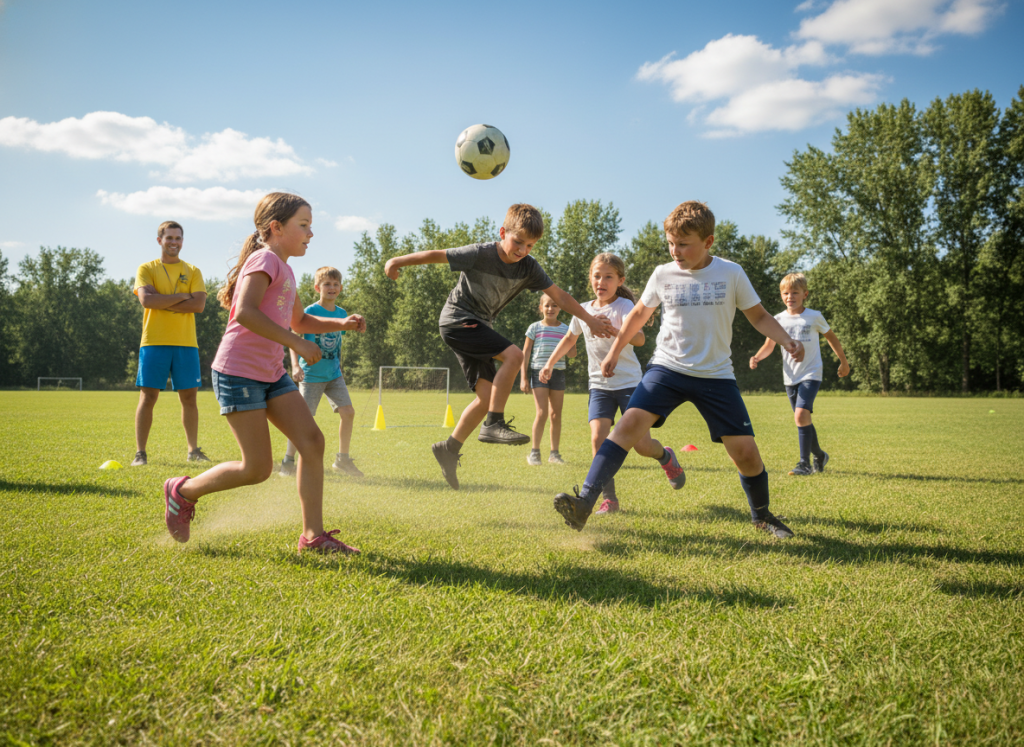
Physical activity forms the foundation of many memorable camp experiences. Outdoor and sports-based camp activities give children the chance to challenge themselves physically while enjoying fresh air and sunshine. These programs range from traditional team sports to individual pursuits that match different skill levels and interests.
Team Sports That Build Character
Team sports at camp teach valuable lessons about cooperation and fair play. Soccer, basketball, and volleyball games happen throughout the week, giving campers plenty of opportunity to practice their skills. The competition remains friendly, with counselors emphasizing participation and effort over winning at all costs.
Baseball and softball provide slower-paced alternatives for children who prefer strategic thinking. These games require attention, patience, and teamwork. Even campers who have never picked up a bat before can learn the basics and contribute to their team’s success.
Popular Team Sports
- Soccer tournaments with mixed-age teams
- Basketball skills clinics and friendly matches
- Volleyball games on sand or grass courts
- Flag football for all experience levels
- Ultimate frisbee as a fun camp activity alternative
- Kickball for younger campers
Individual Athletic Activities
- Running and fitness challenges
- Track and field events
- Archery instruction and practice
- Tennis lessons for beginners and advanced players
- Gymnastics and tumbling
- Rock climbing on natural or artificial walls
Nature-Based Outdoor Adventures
Exploring the natural world opens children’s eyes to the beauty around them. Nature walks teach campers to identify plants, spot wildlife, and understand ecosystems. These quiet activities provide a peaceful contrast to the energy of sports and games.
Hiking trails of varying difficulty allow children to push their physical limits while discovering scenic views. Short walks suit younger campers or those new to outdoor activities. Longer treks challenge older kids and provide a sense of accomplishment when they reach the destination.
Environmental Education Through Activity
Outdoor camp activities naturally incorporate lessons about environmental stewardship. Children learn to leave no trace, respect wildlife habitats, and appreciate the natural world. These experiences often spark a lifelong interest in conservation and outdoor recreation.
Adventure Activities for Thrill Seekers
Some campers crave more exciting experiences that test their courage. Obstacle courses present physical and mental challenges that require determination to complete. Each section of the course builds skills like balance, upper body strength, and problem-solving under pressure.
Bike rides through camp property or nearby trails combine exercise with exploration. Children ride at their own pace while enjoying the freedom of pedaling through natural settings. This activity builds leg strength and cardiovascular fitness while giving kids a fun way to cover more ground than walking allows.
Zip lines and high ropes courses offer supervised thrills for older campers. These activities push children outside their comfort zone in a safe, controlled environment. Conquering fear of heights or speed provides a powerful confidence boost that carries over into other areas of life.
Creative and Arts-Based Camp Activities

Artistic expression gives campers an outlet for their imagination and emotions. Creative camp activities allow children to explore different mediums and discover hidden talents. These programs welcome everyone, regardless of previous experience or natural ability.
Visual Arts and Crafts
Arts and crafts time lets children create tangible items they can take home. Painting, drawing, and sculpting help develop fine motor skills while encouraging self-expression. Each camper approaches projects in their own way, resulting in unique creations that reflect individual personalities.
Craft projects often incorporate natural materials found around camp. Making friendship bracelets, decorating picture frames, or creating nature collages combines creativity with outdoor exploration. These activities provide quiet time for reflection while keeping hands busy with productive work.
Traditional Art Activities
- Watercolor and acrylic painting sessions
- Drawing and sketching workshops
- Clay modeling and pottery basics
- Collage creation with mixed media
- Tie-dye shirt making
- Beading and jewelry design
Performance Arts
- Theater productions and skits
- Improvisation games and exercises
- Talent show preparation and performances
- Dance classes in various styles
- Musical instrument instruction
- Choir and group singing
Theater and Drama Programs
Acting activities help shy children come out of their shells. Starting with simple improvisation games, campers gradually build confidence performing in front of others. Drama exercises teach public speaking skills and help kids become comfortable expressing themselves.
Many camps produce a full theatrical performance during the session. Children audition for roles, memorize lines, design sets, and rehearse together. Opening night gives campers the thrill of performing for an audience of fellow campers and staff members. This shared experience creates strong bonds between cast members.
Music and Dance
Music programs at camp range from individual lessons to group performances. Children learn to play instruments they might not have access to at home. Drum circles, guitar sessions, and keyboard classes introduce campers to different musical traditions and styles.
Dance activities provide energetic fun while teaching rhythm and coordination. Hip hop, contemporary, and folk dancing all find space in camp programming. No prior experience is necessary, and the emphasis stays on enjoyment rather than perfect technique. Group dances create memorable moments during evening programs and special events.
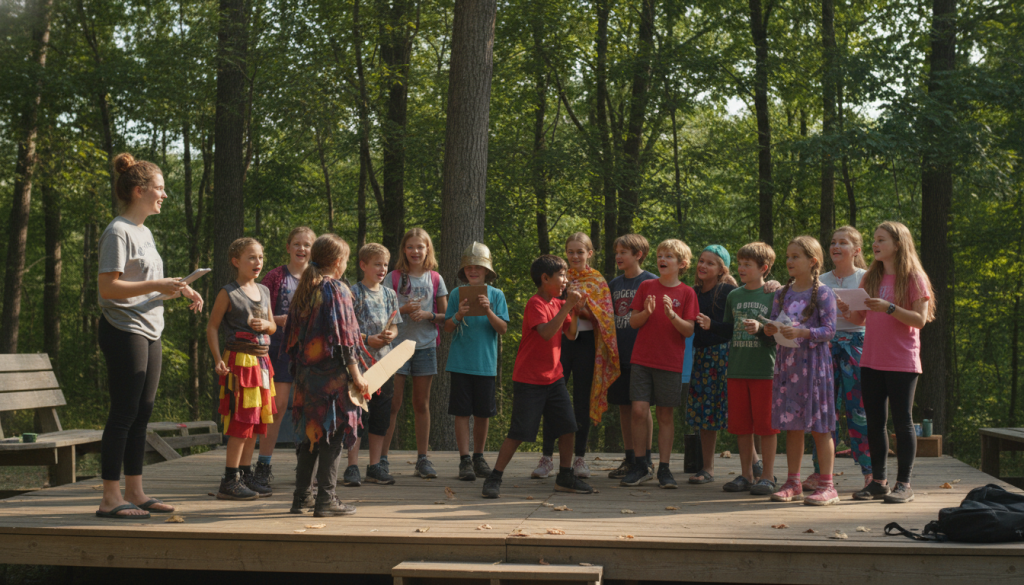
Creative activities give campers permission to make mistakes and try again. The process matters more than the final product in most art programs. This approach helps children develop a growth mindset where effort and learning take priority over immediate perfection.
Water-Based and Adventure Camp Activities
Water activities provide refreshing fun during hot summer days. These programs teach essential safety skills while offering exciting ways to cool off. Swimming and water sports rank among the most popular camp activities year after year.
Swimming and Pool Activities
Swim instruction forms a core component of most summer camp programs. Certified lifeguards and swim instructors work with children at every skill level. Beginners learn basic water safety and comfortable movement through water. Advanced swimmers refine their strokes and build endurance.
Pool time includes both structured lessons and free swim periods. During free swim, campers play water games, dive for objects, or simply float and relax. Pool activities provide welcome relief from the heat while keeping children active and engaged.
Benefits of Water Activities
Swimming and water sports offer full-body exercise that builds strength and cardiovascular fitness. The water provides natural resistance that makes muscles work harder without the impact stress of land-based activities. Many children who dislike traditional sports discover they love being in the water.
Boating and Paddling Programs
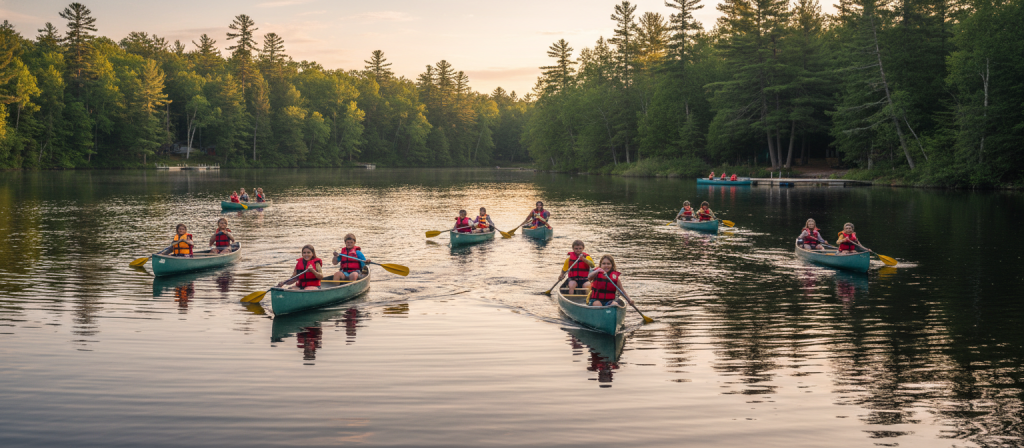
Canoeing teaches teamwork in a unique way. Partners must coordinate their paddling to move efficiently through the water. This activity requires communication, patience, and cooperation. Even disagreements about steering become learning opportunities for conflict resolution.
Kayaking offers a more independent experience on the water. Single-person kayaks let campers develop their own paddling technique at their own pace. This activity builds upper body strength and core stability while providing a peaceful way to explore waterways.
Boat-Based Activities
- Canoe instruction and guided trips
- Kayak lessons for different skill levels
- Stand-up paddleboarding basics
- Rowboat races and challenges
- Sailing introduction for older campers
Safety First on the Water
All water activities emphasize safety above everything else. Life jackets are required for boating activities regardless of swimming ability. Buddy systems ensure no camper is ever alone in or near water. Weather conditions are carefully monitored, and activities are postponed if conditions become unsafe.
Evening Water Activities and Special Events
Night swimming under supervision creates magical memories. The water feels different after dark, and swimming under stars offers a unique experience. These special events happen less frequently than daytime water activities, which makes them even more memorable for campers.
Water carnivals and pool parties provide themed fun. Relay races, diving contests, and synchronized swimming demonstrations let children showcase their aquatic skills. These events combine competition with celebration in a supportive atmosphere.
Experience These Activities at Camp New York
Our waterfront program includes swimming instruction, canoeing, kayaking, and supervised water games. With certified lifeguards and experienced instructors, campers build confidence in the water while creating lasting summer memories.
Team-Building and Group Camp Activities

Group activities teach children how to work together toward common goals. These games and challenges require communication, trust, and cooperation. Team-building camp activities create situations where campers must rely on one another to succeed.
Classic Camp Games
Scavenger hunts send teams searching throughout camp property for hidden items or clues. Children must work together to solve riddles, follow maps, and complete challenges at each station. This activity combines problem-solving with physical activity and exploration.
Capture the flag remains one of the most beloved camp games. Two teams compete to retrieve the opposing side’s flag while defending their own. Strategy, speed, and teamwork all play important roles in this fast-paced outdoor game.
Strategy Games
Games that require planning and coordination help children develop critical thinking skills while having fun.
- Capture the flag variations
- Treasure hunt challenges
- Escape room style puzzles
- Strategy board games scaled up for groups
Physical Challenge Games
Active games keep energy levels high while teaching cooperation through movement and competition.
- Relay races with creative twists
- Tug of war tournaments
- Human knot untangling
- Group jump rope challenges
Trust-Building Activities
These activities help campers develop confidence in themselves and their team members.
- Trust falls with safety spotters
- Blindfold navigation courses
- Team balance challenges
- Group problem-solving scenarios
Creative Collaboration
Projects that combine creativity with teamwork produce unique results while building relationships.
- Group mural painting
- Collaborative storytelling
- Team video production
- Camp-wide art installations
Leadership Development Through Activities
Older campers often serve as team leaders during group activities. This responsibility helps teenagers develop leadership skills in a safe environment. They learn to motivate others, delegate tasks, and lead by example.
Counselors-in-training programs give older teens hands-on experience planning and running activities. These young leaders assist with younger age groups while learning how to create engaging programs. This experience often inspires campers to return as junior counselors in future years.
Competition with Compassion
While many games involve friendly competition, camps emphasize sportsmanship and mutual support. Winning matters less than effort, teamwork, and having fun. This approach helps children learn that competition can be healthy when everyone treats one another with respect.
All-Camp Special Events
Color wars and camp Olympics bring everyone together for exciting multi-day competitions. Campers are divided into teams that compete in various events throughout the week. Points are awarded for participation, sportsmanship, and performance. These large-scale events create incredible energy and camp-wide camaraderie.
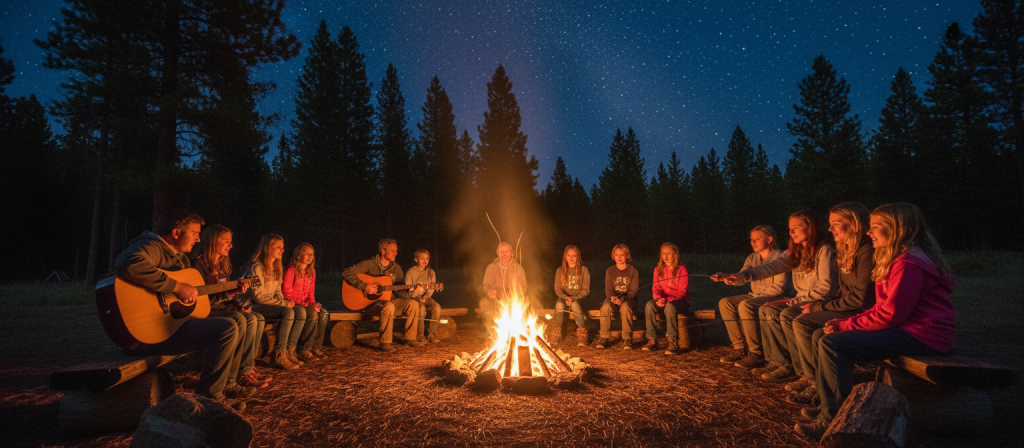
Campfires serve as gathering times for the entire camp community. Songs, skits, and stories shared around the fire create a sense of belonging. These evening programs include plenty of laughter, a few quiet moments for reflection, and opportunities for campers to showcase talents.
How Camp Activities Are Safe and Supervised
Safety forms the foundation of every camp activity. Parents trust camps with their most precious people, and quality programs take this responsibility seriously. Multiple layers of precaution ensure children remain safe while having fun.
Staff Training and Certification
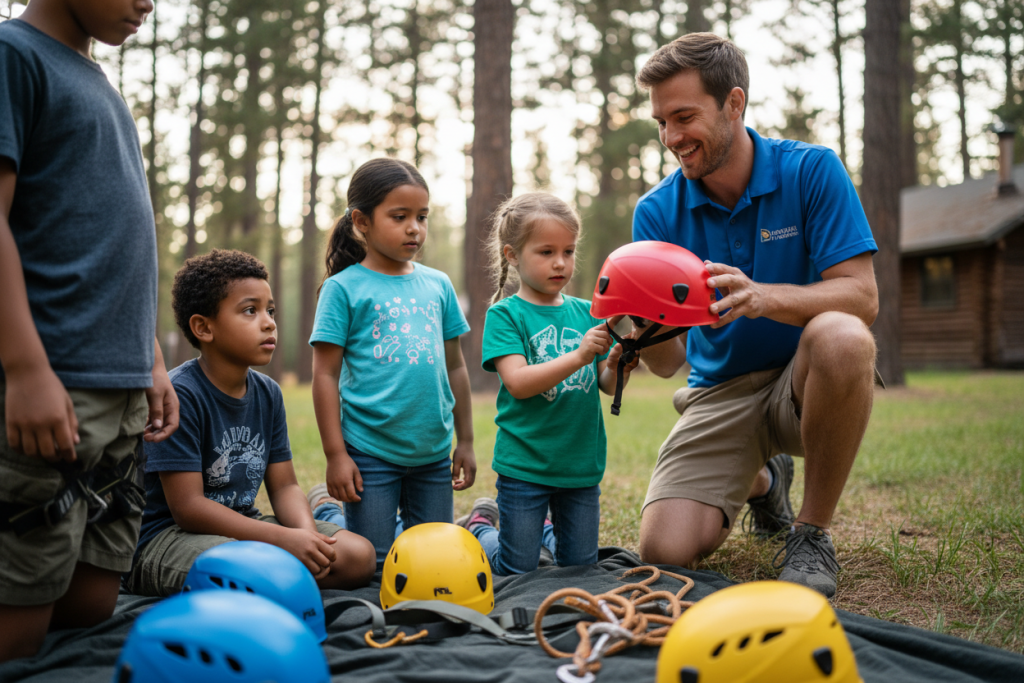
Camp counselors undergo extensive training before the summer season begins. First aid and CPR certification is required for all staff members. Specialized activity instructors hold additional certifications in their areas like lifeguarding, archery instruction, or climbing wall management.
Training covers not just technical skills but also child development and behavior management. Staff members learn to recognize signs of distress, homesickness, or social difficulties. This preparation helps counselors respond appropriately to a wide range of situations.
Safety Protocols in Place
- Mandatory staff background checks and screening
- Regular safety drills and emergency preparedness
- Strict supervision ratios maintained at all times
- Daily equipment inspection and maintenance
- Weather monitoring and activity modifications
- Medical staff on site during all activities
Activity-Specific Safety Measures
- Life jackets required for all water activities
- Helmets and protective gear for biking and climbing
- Safety briefings before each new activity
- Age-appropriate activity assignments
- Graduated skill progression for challenging activities
- Clear boundaries and rules communicated to campers
Age-Appropriate Activity Planning
Camp programs carefully match activities to developmental stages. Younger children focus on fundamental skills and shorter attention span activities. Older campers tackle more complex challenges that require sustained focus and advanced abilities.
This thoughtful planning ensures every child can participate successfully. Modified versions of activities allow children with different ability levels to join in. The goal is inclusion and success for all campers, not exclusion based on current skill level.
Medical Support and Health Protocols
On-site medical staff handle minor injuries and monitor campers with ongoing health conditions. Every injury, no matter how small, is documented and treated appropriately. Parents receive notification of any significant medical issues immediately.
Medication management follows strict protocols. All prescription and over-the-counter medications are stored securely and dispensed by trained staff. This system prevents accidental medication errors while ensuring children receive necessary treatments on schedule.
Allergy Awareness
Camps maintain detailed information about every camper’s allergies and dietary restrictions. This information is shared with all relevant staff members. Kitchen staff prepare separate meals when necessary, and activity leaders stay alert for potential allergen exposure during programs.
Communication and Transparency
Quality camps maintain open communication channels with families. Parents receive regular updates about their child’s experience through photos, videos, or written reports. This transparency helps parents feel connected even while their children are away.
If concerns arise, staff members contact parents promptly. Whether discussing behavior issues, homesickness, or minor injuries, camps keep families informed. This partnership between camp and home helps ensure each child’s summer succeeds.
Camp Activities at Camp New York
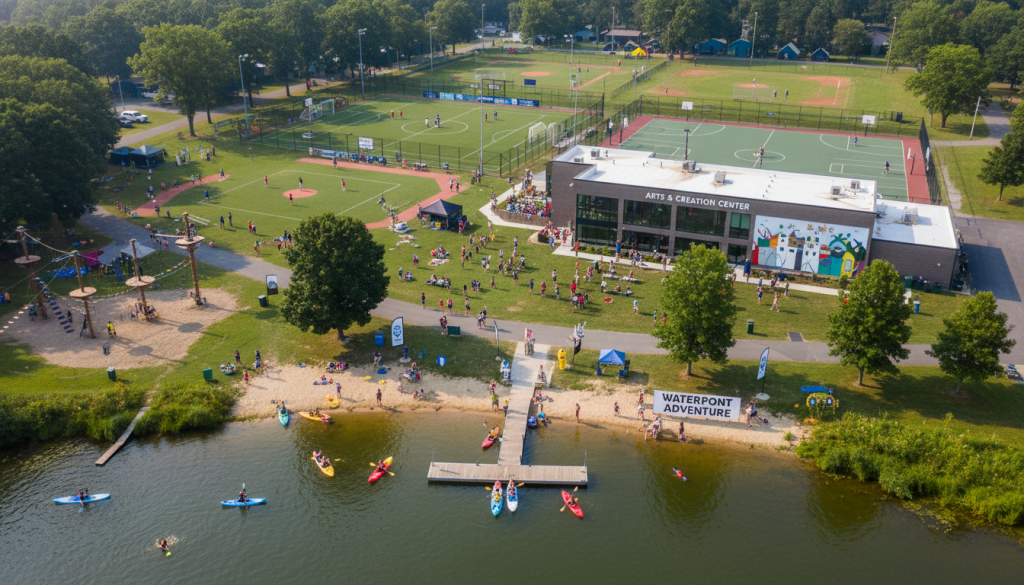
Camp New York’s camps offer a comprehensive program that balances structure with choice. Our schedule ensures every camper experiences a variety of activities while allowing time to dive deep into personal interests. The diverse offerings mean each child finds something they love.
Our Activity Philosophy
We believe camp activities should challenge children while remaining accessible and fun. Every program we offer is designed to build skills, confidence, and friendships. Our experienced staff creates a supportive environment where taking risks feels safe and trying new things is celebrated.
Choice plays an important role in our program. While certain core activities are scheduled for all campers, children have input in selecting specialty activities. This approach respects individual preferences while ensuring everyone gains exposure to a broad range of experiences.
Morning Activity Blocks
Mornings at Camp New York begin with energy and excitement. After breakfast, campers head to their first activity period. The morning schedule typically includes:
- Skill-building sports clinics
- Swimming instruction by ability level
- Arts and crafts workshops
- Nature exploration programs
- Team challenge courses
Each activity period lasts long enough for meaningful engagement but changes frequently enough to maintain interest and enthusiasm.
Afternoon Programming
Afternoons offer a mix of high-energy activities and quieter options. This variety accommodates different energy levels and interests throughout the day:
- Water activities and pool games
- Advanced sports training
- Theater rehearsals and productions
- Music and dance sessions
- Special interest clubs
Rest periods are built into the schedule, giving children time to recharge before evening programs begin.
Specialty Programs and Electives
Camp New York offers specialty tracks for campers who want to focus on specific interests. These intensive programs allow deeper skill development in areas like competitive sports, performing arts, or outdoor adventure. Participants still experience the full range of camp activities but dedicate extra time to their chosen specialty.
Elective periods give campers control over their schedule. Children choose from available options based on their current interests. This flexibility means the camp experience can change and grow along with each camper’s evolving preferences.
Sports Excellence Track
Advanced instruction in:
- Soccer techniques and tactics
- Basketball skill development
- Tennis for all levels
- Swimming and diving
Creative Arts Focus
Intensive programs in:
- Theater production
- Visual arts studio time
- Music composition
- Dance choreography
Outdoor Adventure Program
Challenging experiences including:
- Extended hiking trips
- Wilderness skills training
- Rock climbing progression
- Camping and orienteering
Evening Activities and Special Events
When the sun sets, camp life continues with evening programs designed for the whole community. These activities bring all age groups together for shared experiences. Campfires, talent shows, and themed parties create highlights that campers remember for years.
Special event nights break up the regular routine with exciting twists. Color wars pit teams against each other in friendly competition across multiple events. Camp-wide games like capture the flag or night-time scavenger hunts add adventure to evening hours. These big events generate incredible energy and camp spirit.
Our Commitment to Quality
Camp New York maintains high standards for all programs. Regular staff meetings ensure activities run smoothly and address any concerns quickly. We continuously evaluate and improve our offerings based on camper feedback and industry best practices.
Our facility includes well-maintained spaces for every type of activity. Sports fields, arts studios, waterfront areas, and performance spaces all receive regular upkeep and improvements. Quality equipment and safe facilities support the excellent programs our staff delivers.
Join Camp New York This Summer
Give your child a summer filled with adventure, growth, and friendship. Our comprehensive activity program ensures every camper finds their place while trying new experiences. Spots fill quickly for our summer sessions.
Life Skills Gained Through Camp Activities
The benefits of camp activities extend far beyond the summer months. Children carry lessons learned at camp into their school year and beyond. These experiences shape character and build capabilities that serve them throughout life.
Communication and Social Skills
Camp activities constantly require children to communicate with others. Explaining game rules, asking for help, or coordinating team efforts all build verbal communication skills. Many campers who arrive shy and quiet leave camp speaking confidently in front of groups.
Social intelligence develops through the many interactions camp provides. Children learn to read social cues, understand different perspectives, and adapt their behavior to different situations. These skills prove invaluable in school, family life, and future careers.
Interpersonal Skills Developed
- Active listening and empathy
- Conflict resolution without adult intervention
- Making and maintaining friendships
- Working with diverse personality types
- Leading and following in different situations
- Expressing needs and boundaries clearly
Problem-Solving and Critical Thinking
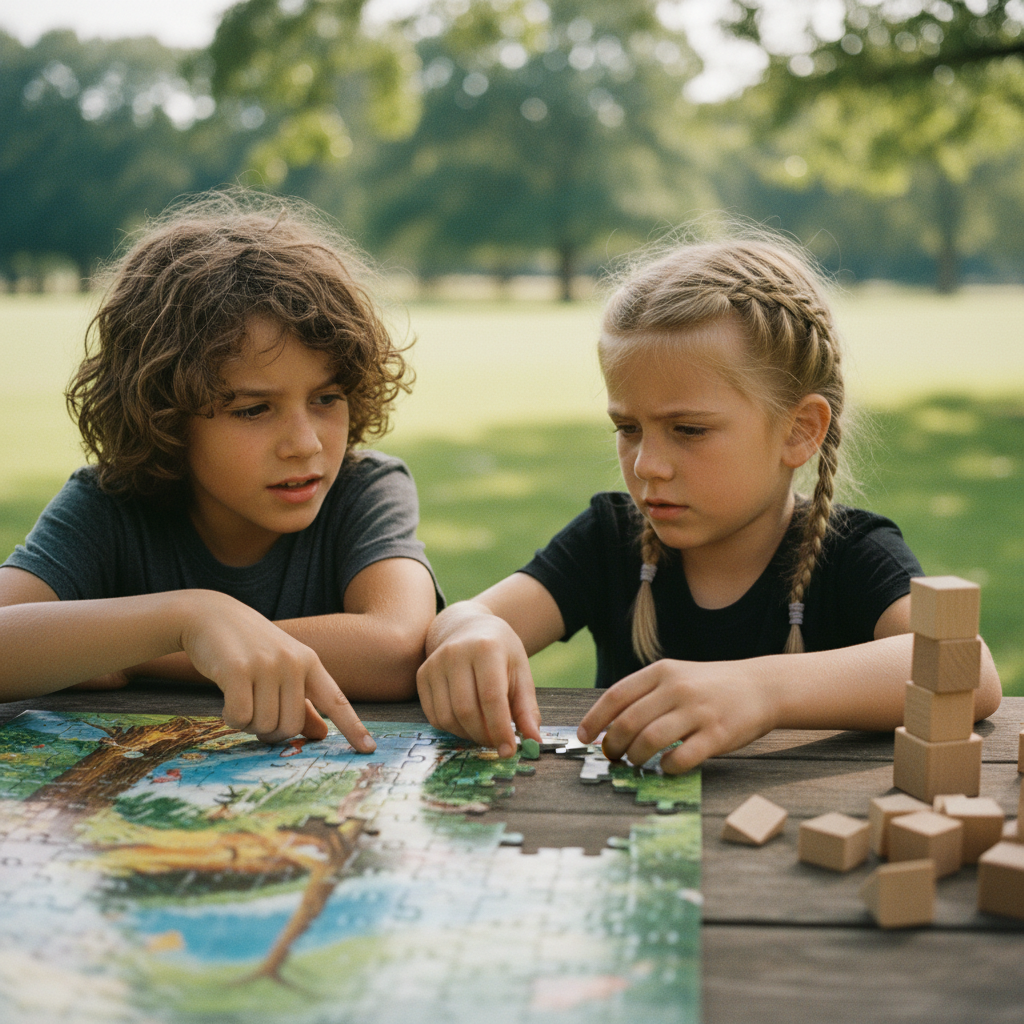
Camp activities present countless opportunities to solve problems. Figuring out how to complete an obstacle course, strategizing during games, or troubleshooting a craft project gone wrong all require critical thinking. Children learn that most problems have multiple solutions and that mistakes are learning opportunities.
This problem-solving practice builds resilience. When children encounter difficulties, they develop strategies to work through challenges rather than giving up immediately. This persistence transfers to academic work and other areas of life where sustained effort is necessary for success.
Emotional Intelligence and Self-Awareness
Camp activities help children understand their own emotions and reactions. The intensity of camp life brings various feelings to the surface. Learning to manage disappointment after losing a game or channeling nervous energy before a performance builds emotional regulation skills.
Self-awareness grows as children discover their strengths and areas for growth. Trying many different activities shows kids what they excel at naturally and what requires more effort. This understanding helps children make informed choices about how to spend their time and energy.
Character Traits Strengthened at Camp
- Perseverance when facing difficult challenges
- Courage to try new and potentially scary activities
- Responsibility for belongings and commitments
- Respect for others’ differences and boundaries
- Gratitude for experiences and opportunities
- Flexibility when plans change unexpectedly
Physical Confidence and Body Awareness
Regular participation in physical activities builds confidence in bodily capabilities. Children discover they are stronger, faster, or more coordinated than they realized. This physical confidence often translates into improved posture, body language, and overall self-assurance.
Body awareness develops through activities that require balance, coordination, and spatial orientation. Learning to judge distances, control movements, and understand physical limits all contribute to better overall physical competence. These skills reduce injury risk and improve performance in various physical pursuits.
Camp Traditions and Memorable Moments

Every camp develops unique traditions that become beloved rituals. These special activities create a sense of continuity and belonging. Campers look forward to annual events year after year, and former campers often return as adults to share these traditions with a new generation.
Opening and Closing Ceremonies
The first and last days of camp hold special significance. Opening ceremonies welcome campers and set the tone for the session. Games, songs, and introductions help everyone learn names and begin forming connections. The excitement in the air during these first hours is palpable.
Closing ceremonies provide space for reflection and celebration. Awards recognize not just accomplishments but also qualities like kindness, improvement, and camp spirit. These final gatherings often bring tears as campers say goodbye to friends and staff members who have become like family.
Weekly Themed Days
Special themed days break up the regular schedule with creative twists. Backwards Day might have campers wearing clothes inside out and eating dessert before dinner. International Day celebrates different cultures through food, games, and activities from around the world. These playful variations on the routine create shared memories and inside jokes.
Competition days like Color Wars divide camp into teams for multi-day tournaments. The friendly rivalry generates tremendous energy and camp spirit. Elaborate team cheers, face paint, and creative costumes add to the festive atmosphere. While points are tallied and winners eventually declared, the real victory is the sense of camaraderie these events create.
Evening Programs
Nighttime brings special activities that create magical moments under the stars.
- Talent shows where campers showcase hidden abilities
- Outdoor movie nights with classic films
- Stargazing and astronomy lessons
- Ghost story sessions around the campfire
- Dance parties and themed celebrations
Campfire Traditions
The campfire serves as the heart of camp community, hosting cherished rituals.
- Traditional camp songs passed down through years
- Counselor skits that entertain and inspire
- Friendship circle ceremonies
- Quiet reflection time under the stars
- S’mores making and storytelling
Award Ceremonies
Recognition events celebrate growth and achievement in meaningful ways.
- Skill achievement certificates in various activities
- Spirit awards for positive attitude
- Improvement recognition for effort and growth
- Leadership awards for older campers
- Special memory awards chosen by peers
Special Events
Unique occasions throughout the session create standout memories.
- Olympics with creative athletic competitions
- Carnival days with games and prizes
- Banquet nights with special meals
- Parent visiting days and performances
- End-of-session celebration events
Creating Lasting Friendships
The bonds formed during camp activities often last a lifetime. Shared challenges, triumphs, and laughter create deep connections between campers. Many children stay in touch with camp friends throughout the year, counting down days until they reunite next summer.
These friendships differ from school relationships because they form in an environment free from typical social pressures. At camp, children can be themselves without worrying about social hierarchies or reputation. This freedom allows authentic connections to develop based on genuine compatibility and shared experiences.
Preparing Your Child or Camper for Camp Activities
Parents or Camp Counsellors can take steps to help children get the most from their camp experience. Proper preparation ensures campers arrive ready to participate fully in all activities. A little advance planning makes the transition to camp life smoother for everyone involved.
Physical Preparation
Camp involves more physical activity than many children experience during the school year. Building stamina before arrival helps campers keep up with the active schedule. Regular outdoor play, family hikes, or participation in sports all prepare bodies for the demands of camp life.
Swimming skills deserve special attention. While camps offer instruction, basic comfort in water makes participation in water activities more enjoyable from day one. Local pools or community swim lessons provide good preparation during the months leading up to camp.
What to Pack for Activities
- Comfortable athletic shoes and extra pairs
- Swimsuit and quick-dry towel
- Sun protection including hat and sunscreen
- Water bottle for staying hydrated
- Rain gear for outdoor activities
- Old clothes suitable for messy art projects
- Any personal sports equipment if allowed
Emotional Preparation
- Discuss realistic expectations about camp life
- Practice spending time away from home
- Talk about handling homesickness positively
- Emphasize that trying new things is valuable
- Explain that not excelling immediately is okay
- Encourage open-mindedness about activities
Mental Readiness
Preparing children mentally for camp involves setting appropriate expectations. Camp is fun but also challenging. Children will try activities outside their comfort zone and spend time with unfamiliar people. Discussing these aspects honestly helps kids arrive with realistic attitudes.
Encouraging a growth mindset before camp begins pays dividends. When children understand that skills develop through practice and that mistakes are part of learning, they approach new activities with less anxiety. This mindset allows campers to embrace challenges rather than avoid them.
First-Time Camper Tips
First-time campers benefit from extra preparation. Attending shorter day camps or weekend programs helps children understand camp structure before committing to overnight sessions. Reading books or watching videos about camp life familiarizes kids with what to expect. Most importantly, parents should project excitement and confidence about the experience.
Health and Medical Considerations
Address any health concerns with camp staff before arrival. Providing detailed information about allergies, medications, or special needs allows camps to prepare appropriate accommodations. Most camps are experienced in managing common health conditions and can ensure children participate safely in all activities.
Dental and medical checkups before camp prevent issues from disrupting the experience. Addressing cavities, updating prescriptions, or getting necessary immunizations ahead of time means children arrive healthy and ready to enjoy their time.
Frequently Asked Questions About Camp Activities
What are camp activities?
Camp activities are organized programs and experiences that fill a camper’s day during summer camp. These activities span a wide range including sports, arts and crafts, water activities, outdoor adventures, team-building games, and creative pursuits. Each activity is designed to be fun, engaging, and educational, helping children develop new skills while making friends. Activities are led by trained counselors and adapted to suit different age groups and skill levels. The variety ensures every child finds something they enjoy while being exposed to new experiences that broaden their horizons.
Are camp activities safe for kids?
Yes, safety is the top priority for all camp activities. Quality camps maintain strict safety protocols including mandatory staff certifications in first aid and CPR, regular equipment inspections, age-appropriate activity assignments, and proper supervision ratios. Activity-specific safety gear like life jackets, helmets, and padding is required for applicable programs. Staff members receive extensive training not just in their activity areas but also in child supervision and emergency response. Weather conditions are monitored continuously, and activities are modified or postponed when necessary. Medical staff remain on-site to address any injuries or health concerns immediately.
Are there quiet activities for less active campers?
Absolutely. While camps offer plenty of high-energy activities, programs also include quieter options for children who prefer less physically intense pursuits. Arts and crafts, reading time, nature observation, board games, music appreciation, journaling, and other calm activities provide balance in the daily schedule. Many camps designate rest periods during the afternoon when children can recharge. Counselors understand that different children have different energy levels and activity preferences. No camper is forced to participate in activities that make them uncomfortable, and alternatives are always available to ensure everyone has a positive experience.
How many camp activities do children do each day?
Most camps structure days into multiple activity periods, typically ranging from four to eight different activities daily. Each activity period usually lasts between 45 minutes and 90 minutes, depending on the camp’s schedule and the nature of the activity. This rotation system ensures children experience variety without spending so much time on any single activity that they become bored or tired. The schedule balances active and quiet activities, individual and group pursuits, and skill-building with free play time. Meal times, rest periods, and evening programs add structure to the day while allowing flexibility within activity periods.
What if my child doesn’t like certain activities?
Camps encourage trying new things but never force participation. If a child genuinely dislikes an activity, counselors work with them to find alternatives. Many camps offer choice time where children select from available options based on their interests. Staff members are trained to help reluctant campers overcome initial hesitation while respecting genuine disinterest or discomfort. Often, peer influence and seeing friends enjoy an activity convinces hesitant children to give things another chance. The goal is expanding comfort zones without creating negative experiences that could discourage future participation.
Do camps accommodate children with special needs?
Many camps welcome children with various special needs and adapt activities accordingly. The extent of accommodations varies by camp, so discussing specific needs with camp directors before enrollment is important. Some camps specialize in serving children with particular conditions, while mainstream camps often provide reasonable modifications to allow participation. Activity adaptations might include modified rules, specialized equipment, additional supervision, or alternative options that meet similar goals. Clear communication between parents and camp staff ensures appropriate support is in place, allowing children with special needs to enjoy camp activities alongside their peers.
What should campers or camp counsellors bring for camp activities?
Most camps provide detailed packing lists, but general items include multiple changes of comfortable athletic clothes, sturdy shoes suitable for outdoor activities, swimwear, towels, sun protection, water bottles, and weather-appropriate outerwear. Personal sports equipment is usually unnecessary as camps provide what’s needed, though some allow children to bring their own gear. Clothing should be suitable for getting dirty during activities like arts and crafts or outdoor games. Labeling all belongings helps prevent loss. Expensive electronics, jewelry, or valuable items should typically stay home to avoid damage or loss during active play.
How do Summer camps handle different skill levels in activities?
Quality camps assess each child’s abilities and place them in appropriate groups for skill-based activities. Swimming lessons, for example, are typically divided into beginner, intermediate, and advanced groups. Team sports might mix skill levels to balance teams while ensuring everyone can contribute meaningfully. Instructors modify activities and expectations based on individual abilities, ensuring children are challenged without being overwhelmed. The emphasis is on personal improvement rather than comparison with others. This approach allows children at all skill levels to experience success and growth during their time at camp.
Choosing the Right Camp for Your Child’s Interests

Finding the right camp match ensures children have the best possible experience. Different camps emphasize different types of activities and philosophies. Taking time to research options and involve your child in the decision-making process leads to better outcomes for everyone.
Types of Camp Programs
Traditional residential camps offer the classic overnight experience with diverse programming. These camps provide the full range of camp activities from sports to arts to outdoor adventures. Children live in cabins with peers their age and participate in the entire camp community for one or more weeks.
Specialty camps focus intensively on particular interests like sports, performing arts, STEM learning, or outdoor skills. These programs suit children who want to develop specific abilities while still enjoying a camp environment. Participants share common interests, which can lead to strong friendships based on mutual passion.
Day Camp Programs
Day camps provide camp experiences without overnight stays. Campers return home each evening, making these programs ideal for:
- Younger children not ready for overnight camp
- First-time campers easing into camp life
- Families preferring daily contact
- Children with medical needs requiring home care
- Budget-conscious families seeking value
Activities mirror overnight camp offerings but within a daytime schedule. These programs still build independence and social skills while offering the security of returning home nightly.
Overnight Camp Experiences
Residential camps offer immersive experiences that include sleeping away from home. Benefits include:
- Greater independence development
- Stronger friendships through extended time together
- Full immersion in camp culture and traditions
- More activity variety and depth
- Evening programs and special events
Session lengths vary from long weekends to full summer months. Shorter sessions suit first-timers, while experienced campers often opt for longer stays.
Evaluating Camp Quality
Accreditation by recognized camping organizations indicates camps meet established standards for safety, programming, and staff qualifications. Accredited camps undergo regular inspections and follow best practices in camp management. This seal of approval provides peace of mind about safety and quality.
Staff qualifications and training programs reveal camp commitment to excellence. Ask about counselor-to-camper ratios, staff hiring processes, background checks, and ongoing training throughout the summer. Quality camps invest heavily in staff development because they understand that counselors make or break the camp experience.
Questions to Ask When Evaluating Camps
- What is your philosophy regarding competition versus cooperation?
- How do you handle homesickness and behavioral issues?
- What are your policies on technology and screen time?
- How do you ensure all children feel included in activities?
- What percentage of your staff returns year after year?
- Can you provide references from current camp families?
- What happens during bad weather or emergency situations?
Matching Camp to Child
Consider your child’s personality when selecting a camp. Outgoing children who love being around people might thrive at large camps with lots of social activity. Quieter children may prefer smaller settings with more intimate group sizes. There’s no universally “best” camp, only the right fit for each individual child.
Activity preferences should influence camp selection. A child passionate about theater won’t enjoy a sports-focused camp, regardless of how excellent the program might be. Involve children in researching camps and making the final decision. Their buy-in significantly increases the likelihood of a positive experience.
Location matters more for some families than others. Local camps allow easier visiting days and may feel less intimidating for first-timers. Distant camps offer the adventure of traveling to a different region and may provide unique amenities like mountain or lake locations. Consider both the practical aspects of distance and the appeal of the camp’s setting.
Extending Camp Experiences Beyond Summer
The impact of camp activities doesn’t end when summer concludes. Many children carry camp lessons into their regular lives throughout the year. Parents can support this continuation by helping children maintain connections and apply camp-learned skills at home.
Maintaining Camp Friendships
Technology makes staying connected easier than ever. Video calls, messaging apps, and social media allow camp friends to maintain relationships across distances. Many camps facilitate this by creating online communities where campers can share updates and photos during the off-season.
Organized reunions bring camp communities together during the year. Regional gatherings or camp-sponsored events let former campers reconnect and relive favorite memories. These meetings sustain the camp spirit and give children something to look forward to between summers.
Ways to Keep Camp Spirit Alive
- Display camp photos and memorabilia at home
- Practice skills learned at camp regularly
- Attend camp reunions and alumni events
- Share camp songs and traditions with family
- Write letters to camp friends and counselors
- Follow camp social media for updates
- Apply camp values to school and home life
Transferring Skills to Daily Life
- Use problem-solving approaches from camp challenges
- Apply teamwork lessons to school projects
- Practice independence in daily tasks
- Show resilience when facing difficulties
- Maintain physical activity habits from camp
- Continue creative pursuits discovered at camp
- Demonstrate leadership in community activities
Building on Camp Experiences
Parents can help children continue developing interests sparked at camp. If a child discovered a love for art at camp, enrolling in local art classes maintains momentum. New passion for a sport can be pursued through community leagues or school teams. Supporting these interests shows children that camp experiences have lasting value.
Many camps offer leadership programs for older teens who want to return as counselors-in-training. These positions allow former campers to give back while developing job skills and gaining work experience. The transition from camper to leader provides unique growth opportunities and often influences career choices.

Creating Summer Memories Through Camp Activities
Camp activities provide children with experiences that shape who they become. The combination of outdoor adventure, creative expression, physical challenges, and social connection creates an environment unlike any other. Children return from camp with new skills, lasting friendships, and increased confidence.
The variety of camp activities ensures every child finds something that resonates with their interests and abilities. Whether discovering a hidden talent, conquering a fear, or simply enjoying carefree summer fun, campers gain from every experience. These moments become the stories they tell and the memories they treasure.
Parents who send children to camp invest in their development as complete individuals. The lessons learned through camp activities extend far beyond the specific skills acquired. Children learn about themselves, about working with others, and about navigating the world with confidence and curiosity.
Summer camp represents a unique opportunity in childhood to explore freely, try new things without judgment, and grow in a supportive community. The activities that fill camp days serve as the vehicle for this growth, transforming ordinary summer weeks into extraordinary experiences that influence children for years to come.
Start Your Camp Journey Today
Camp New York offers a comprehensive program of activities designed to help your child grow, learn, and create unforgettable memories. Our experienced staff, beautiful facilities, and thoughtfully planned programs ensure every camper has an amazing summer. Limited spots remain for our upcoming sessions.