

Dreaming of experiencing American culture firsthand? Learning how to be an exchange student from UK to America opens doors to incredible educational and personal growth opportunities. Every year, thousands of British students embark on this life-changing journey.
This comprehensive guide walks you through everything you need to know. From choosing the right exchange program to settling into your new American community, we cover all essential steps.
Whether you’re interested in high school exchange programs or university study abroad opportunities, this resource provides clear, actionable information. You’ll discover how your exchange experience can even lead to exciting opportunities like working at Camp New York.
Ready to Explore Exchange Opportunities?
Discover how cultural exchange experiences can transform your future and open doors to amazing opportunities in America, including summer programs that build on your exchange student skills.
What Does Being an Exchange Student from UK to America Mean?

An exchange student participates in a structured educational program in another country. The exchange creates opportunities for cultural immersion and academic development.
When you become an exchange student from the UK to America, you temporarily live in the United States. You attend American schools and experience daily life in a new culture.
Most programs involve living with a host family. These families open their homes and share their American lifestyle with you. This arrangement provides authentic cultural experiences beyond what tourism offers.
Educational Benefits
- Access to different teaching methods and educational resources
- Improved language skills through daily English immersion
- Expanded academic perspective and critical thinking
- Enhanced CV with international education experience
Personal Growth Advantages
- Development of independence and self-confidence
- Building a global network of friends and contacts
- Understanding of different cultures and perspectives
- Life skills that extend beyond the classroom
The exchange goes both ways. You share British culture while learning about American traditions. This cultural exchange creates lasting international connections and understanding.
Exchange programs differ from regular study abroad. They emphasize cultural immersion and community integration. Students become part of American school life and local communities.
Types of Student Exchange Programmes UK to USA
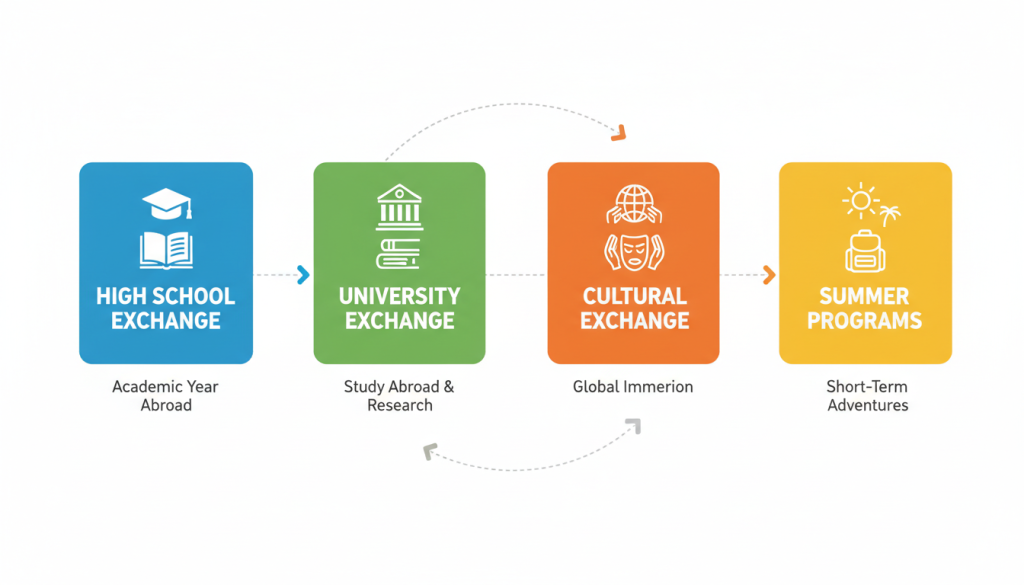
Multiple exchange program options exist for British students. Each program type serves different age groups and educational goals. Understanding these options helps you choose the right path.
High School Exchange UK to USA

High school exchange programs welcome students aged 15 to 18. These programs typically last one academic year or one semester. Students attend American high schools and live with host families.
The academic year program runs from August to June. Semester programs offer shorter commitments of four to five months. Both options provide full immersion in American high school culture.
Organizations like AFS, YFU, and Rotary International manage these exchanges. They handle placement, visa support, and ongoing student care throughout the program.
University Exchange and Study Abroad in America from UK
University students access exchange programs through their UK institutions. Many British universities maintain partnerships with American colleges. These arrangements allow students to spend a semester or year studying abroad.
Direct enrollment programs let you apply independently to American universities. You attend as a visiting student while maintaining enrollment at your home institution. Credits typically transfer back to your UK degree program.
The education opportunities at American universities differ from British systems. Broader course selections and diverse teaching methods characterize the American approach.
Cultural Exchange UK to America Programs

Cultural exchange programs focus on immersive experiences beyond traditional academics. The J-1 visa program supports various cultural exchange opportunities. These include internships, work-and-travel programs, and au pair placements.
Work and travel programs combine employment with cultural exploration. Students work in American businesses while experiencing local culture. Common positions include hospitality, retail, and service roles.
Au pair programs involve living with American families and providing childcare. This arrangement offers deep family integration and language practice. Participants also take education courses as part of the program.
Summer Exchange Programs
Summer programs offer shorter cultural exchange experiences. These typically run from June to August, lasting four to twelve weeks. They provide intensive language learning and cultural activities.
Camp programs represent popular summer exchange options. Participants work as counselors while developing leadership skills. These positions combine cultural exchange with practical work experience.
Academic summer programs at American universities welcome international students. These intensive courses provide college-level education in condensed formats. Students experience campus life while earning academic credits.
Discover Camp New York Summer Opportunities
Summer camp programs offer the perfect blend of cultural exchange and leadership development. Learn how your exchange student experience prepares you for exciting camp counselor roles in New York.
How to Be an Exchange Student from UK to America: Step-by-Step Process
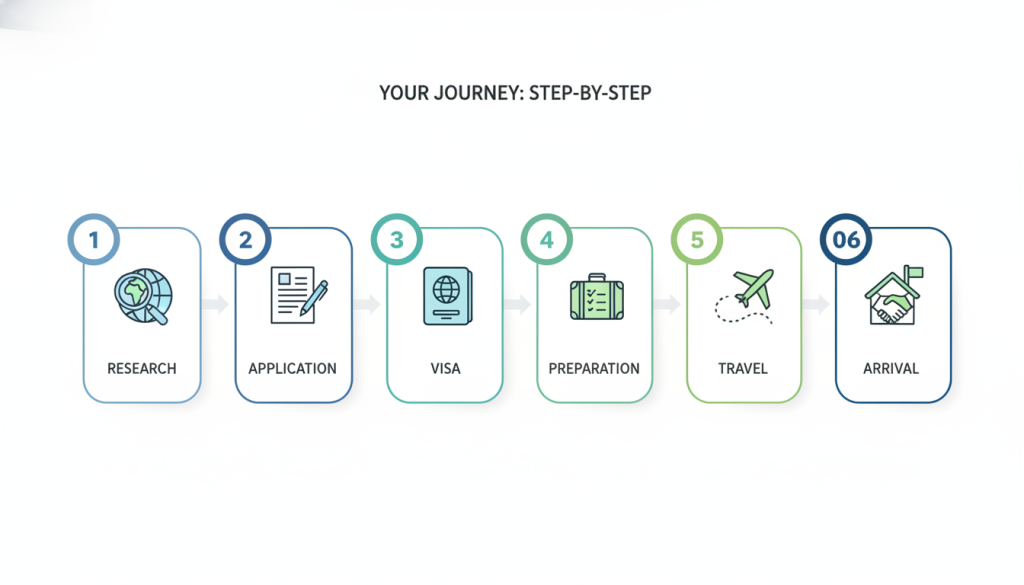
Becoming an exchange student requires careful planning and preparation. Following these systematic steps ensures a smooth application process. Start your preparation at least twelve months before your intended departure.
Step 1: Research Programs and Organizations
Begin by exploring reputable exchange program providers. Look for organizations with established track records and proper accreditations. The British Council and Council on International Educational Exchange maintain lists of approved programs.
Compare program offerings, costs, and support service options. Different organizations specialize in various program types and destinations. Reading reviews from former exchange students provides valuable insights.
Consider program duration, location preferences, and academic goals. Some students prefer specific American regions or school types. Your personal priorities should guide your program selection.

Step 2: Check Eligibility and Requirements
Review age requirements for your chosen program type. High school programs typically accept students aged 15 to 18. University exchanges have different criteria based on academic standing.
Assess your academic performance against program standards. Most exchange programs require satisfactory grades. Some competitive programs demand higher academic achievement.
Verify language proficiency requirements early in the process. While native English speakers have advantages, programs may still require language assessments. Understanding expectations helps you prepare adequately.
Step 3: Complete Application and Documentation

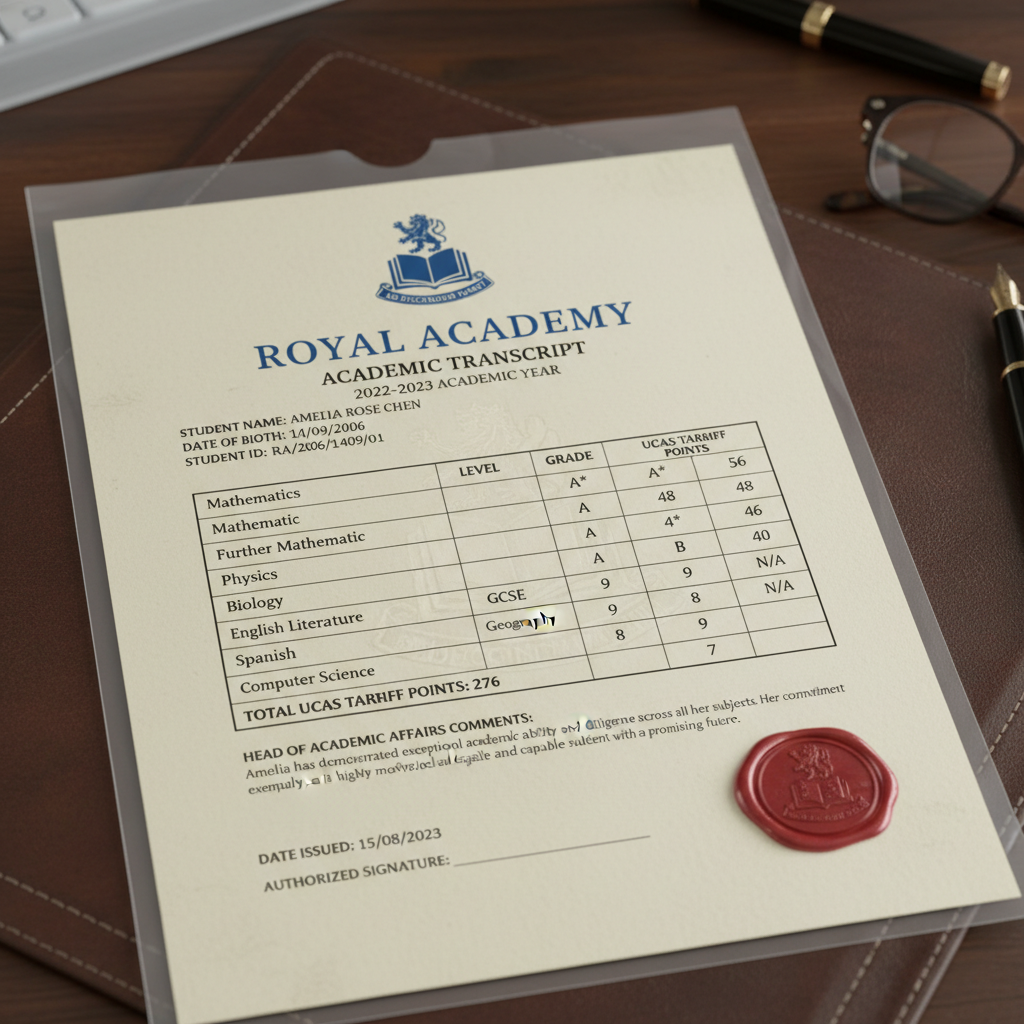
Gather required documents systematically. Applications typically require academic transcripts, reference letters, and personal statements. Medical records and immunization documentation are also necessary.
Write compelling personal statements highlighting your motivations. Explain why you want to become an exchange student and what you hope to achieve. Authenticity matters more than perfection in these essays.
Request recommendation letters from teachers or mentors early. Give referees adequate time and clear guidance about program requirements. Strong recommendations significantly strengthen applications.
Submit applications before stated deadlines. Popular programs fill quickly, especially for competitive placements. Early applications often receive priority consideration in the selection process.
Step 4: Secure Visa and Legal Documentation
Understanding visa requirements represents a critical step. High school exchange students typically need J-1 exchange visitor visas. University students may require F-1 student visas depending on program structure.
Your sponsoring organization usually provides necessary visa documentation. The DS-2019 form (for J-1 visas) comes from your program sponsor. This document proves program participation and financial support.
Schedule your visa interview at the U.S. Embassy in London. Bring all required documents including passport, photographs, and financial evidence. The interview process typically takes several weeks to complete.
Pay required visa fees and SEVIS charges during the application process. These fees are non-refundable and separate from program costs. Keep all payment receipts for your records.
Step 5: Arrange Funding and Financial Planning
Calculate total program costs including tuition, accommodation, and living expenses. Budget for travel, insurance, personal spending, and emergency funds. Understanding full financial commitment prevents surprises later.
Explore scholarship opportunities from multiple sources. Organizations like the Fulbright Commission offer funding for American exchanges. Many exchange program organizations provide their own scholarships or grants.
Research part-time work regulations under your visa category. J-1 visa holders have limited work authorization. F-1 students can work on-campus with restrictions. Understanding these rules helps with financial planning.
Step 6: Prepare for Departure and Cultural Adjustment

Attend pre-departure orientations offered by your program. These sessions cover cultural preparation, practical advice, and safety information. Connecting with other exchange students builds your support network.
Arrange comprehensive health insurance coverage for your stay. Most programs require specific insurance policies meeting U.S. Department of State standards. Verify your coverage includes medical emergencies and repatriation.
Communicate with your host family before arrival. Learning about their household, interests, and expectations helps smooth your transition. Sharing information about yourself builds early connections.
Pack appropriately for American climate and school requirements. Research weather patterns in your destination region. Include formal clothing for school events alongside casual wear.
What You Need to Apply: Exchange Student Requirements
Understanding specific requirements helps you prepare a strong application. Different programs have varying standards, but common requirements exist across most exchanges.
Age and Grade Level Requirements
High school exchange programs accept students between 15 and 18 years old. You must be enrolled in secondary school at the time of application. Most programs place students based on current grade level and age.
University exchange programs require current enrollment in a UK institution. You typically need to complete at least one year before participating. Graduate students have separate exchange program options.
Academic Standards
Satisfactory academic performance is essential for acceptance. Most programs require average or above-average grades in your current school. Competitive programs may demand higher academic achievement.
Your academic record demonstrates commitment to education. Consistent performance matters more than occasional excellence. Programs seek students who will succeed in American educational settings.
Language Proficiency Expectations
British students generally meet English language requirements easily. However, some programs still assess communication skills. They evaluate your ability to function in American academic environments.
Interviews often test conversational abilities and comprehension. Program representatives want to ensure you can participate fully in classes. Clear communication with host families also requires adequate language skills.
Personal Qualities and Characteristics
Exchange programs value adaptability and open-mindedness. You should demonstrate flexibility and willingness to embrace new experiences. Cultural sensitivity and respectfulness are essential qualities.
Independence and maturity help you navigate challenges abroad. Programs assess your ability to handle homesickness and cultural differences. Strong problem-solving skills contribute to successful exchanges.
Required Documentation Typically Includes:
- Valid passport with at least six months validity beyond your stay
- Academic transcripts from current and previous schools
- Teacher or headteacher recommendation letters
- Medical examination and immunization records
- Parental consent forms (for students under 18)
- Personal statement or motivation letter
- Passport-style photographs
Parental Support and Consent
Students under 18 require parental or guardian consent for participation. Parents must understand program commitments and expectations. Their support significantly impacts your exchange success.
Many programs include parent orientations alongside student preparations. These sessions address concerns and explain support systems. Engaged parents help students adjust more smoothly to exchange life.
What to Expect When Living in America as a Student from UK
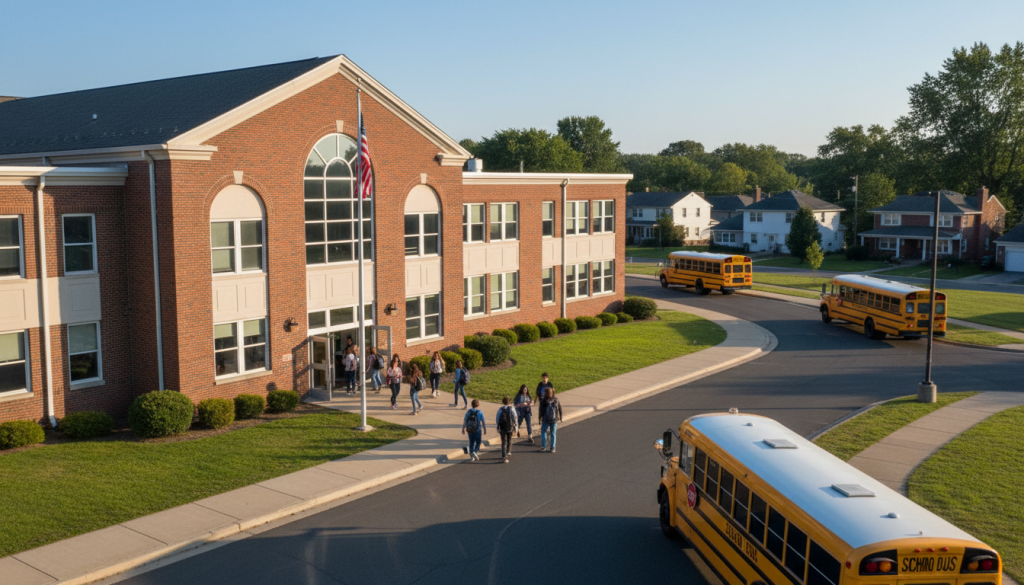
Life as an exchange student in America differs significantly from UK experiences. Understanding these differences helps you prepare mentally and practically for your journey abroad.
American School System and Academic Life
American schools operate differently from British educational institutions. The school year typically runs from late August to early June. Students attend classes five days per week, Monday through Friday.
High school students usually take six to eight subjects simultaneously. This contrasts with the UK system’s focused subject approach. The broader curriculum exposes you to diverse academic areas.

Grading systems use letters (A through F) rather than numerical marks. Participation and homework significantly impact final grades. Class discussions and presentations occur more frequently than in British schools.
Extracurricular activities play major roles in American school culture. Sports teams, clubs, and organizations form essential parts of student life. Participation helps you integrate into the school community.
Host Family Living Arrangements
Most high school exchange students live with carefully selected host families. These families volunteer to share their homes and culture with international students. Building positive relationships with host families enhances your entire experience.
Host family arrangements vary in composition and lifestyle. Some families have children, while others are empty-nesters or retirees. Adapting to different household rules and routines requires flexibility.
Host Family Expectations
- Following household rules and schedules
- Participating in family activities and meals
- Maintaining your living space
- Communicating openly about concerns
- Respecting family privacy and boundaries
Your Responsibilities
- Completing school assignments and homework
- Contributing to household chores
- Sharing your British culture respectfully
- Attending family events and gatherings
- Following program rules and regulations
Cultural Differences and Adjustments

Americans often express enthusiasm and friendliness more openly than Britons. Direct communication styles might initially seem forward. Understanding these cultural norms helps prevent misunderstandings.
American portion sizes and meal timings differ from British standards. Dinner often occurs earlier in the evening. Family meals might be less formal than you’re accustomed to at home.
Sports culture dominates American high school life significantly. Football, basketball, and baseball generate intense school spirit. Understanding and participating in these traditions aids social integration.
Costs and Financial Considerations
Exchange program costs vary widely based on organization and program type. High school programs typically range from £5,000 to £12,000 annually. University exchanges cost more, depending on institution and location.
Program fees usually cover tuition, placement services, and support. Host families provide accommodation and meals without additional charges. You need personal spending money for activities, clothing, and entertainment.
Typical Monthly Personal Expenses in America:
- Phone service: $30-50 (approximately £25-40)
- Personal items and toiletries: $40-60 (approximately £30-50)
- Entertainment and activities: $50-100 (approximately £40-80)
- School supplies and materials: $20-40 (approximately £15-30)
- Emergency fund: $100-200 (approximately £80-160)
Transportation costs depend on your location and host family situation. Rural areas may require driving, while urban locations offer public transport. Many host families provide transportation for school and activities.
Staying Connected with Home
Modern technology makes maintaining UK connections easier than ever. Video calls, messaging apps, and social media keep you connected with family. However, balancing home contact with immersion requires mindfulness.
Time zone differences between the UK and America require scheduling consideration. The United States spans multiple time zones, affecting communication timing. Planning calls around both schedules helps maintain relationships.
Why Being an Exchange Student Is Worth It

The exchange student experience delivers benefits extending far beyond academic credentials. Personal growth, career advantages, and lifelong connections make the investment worthwhile.
Language and Communication Skills Development
Daily English immersion dramatically improves language proficiency. American English differs from British English in accent, vocabulary, and expressions. Mastering these nuances expands your communication versatility.
Classroom participation in American schools builds confidence. Regular presentations and discussions develop public speaking abilities. These skills transfer to professional and academic settings throughout life.
Personal Growth and Independence
Living independently in a foreign country builds resilience. Navigating challenges without immediate family support strengthens problem-solving abilities. This independence serves you throughout adult life.
Cultural adaptation develops flexibility and open-mindedness. Experiencing different perspectives broadens your worldview. These qualities become increasingly valuable in our interconnected world.

Career and Educational Advantages
International experience distinguishes your CV from other candidates. Employers value cross-cultural communication skills and adaptability. Exchange experience demonstrates initiative and global awareness.
University applications benefit from exchange student credentials. Admissions officers recognize the maturity and perspective gained. This experience can strengthen applications to competitive programs.
Professional networks extend across countries after exchange experiences. Former host families, teachers, and friends become valuable connections. These relationships open doors to future opportunities in America.
Long-term Benefits
- Enhanced employability and career prospects
- Improved academic performance and study skills
- Lifelong international friendships and network
- Increased confidence and self-reliance
- Broader cultural understanding and tolerance
- Potential pathways to future U.S. opportunities
Common Challenges
- Initial homesickness and culture shock
- Adjustment to different educational systems
- Distance from UK family and friends
- Financial investment and budgeting needs
- Temporary disruption to UK social circles
- Readjustment upon returning home
Building Global Citizenship
Exchange experiences create ambassadors for international understanding. You represent British culture while learning American perspectives. This cultural exchange promotes global cooperation and peace.
Understanding America from inside transforms perceptions formed by media. Direct experience provides nuanced views of American society. This deeper understanding benefits personal and professional life.
How Camp New York Fits Your Exchange Experience

Your exchange student experience builds skills perfectly suited for exciting opportunities. Camp New York offers the ideal next step for students who’ve lived in America or want extended U.S. cultural experiences.
From Exchange Student to Camp Leader
Exchange programs develop leadership, communication, and cross-cultural skills. These exact abilities make excellent camp counselors. Working at Camp New York lets you apply what you’ve learned in a rewarding environment.
Summer camp positions provide structured work experience in America. You gain professional references while continuing your American adventure. The experience complements academic exchanges with practical career development.

Camp counselor roles suit students who’ve completed exchange programs. Your understanding of cultural adjustment helps international campers feel welcome. British perspectives add valuable diversity to camp staff teams.
What Camp New York Offers
Camp New York provides summer employment opportunities for international staff. Positions include activity counselors, sports instructors, and program specialists. The camp community values the cultural exchange perspective you bring.
Working at camp combines meaningful work with American cultural immersion. You’ll develop skills in leadership, communication, and youth development. These experiences enhance your CV while creating unforgettable memories.
Skills You’ll Develop
- Leadership and team management abilities
- Communication with diverse age groups
- Activity planning and program delivery
- Crisis management and quick thinking
- Cross-cultural collaboration skills
What You’ll Experience
- Beautiful New York summer camp setting
- International staff community and friendships
- Hands-on youth mentorship opportunities
- Professional development and training
- Extended U.S. cultural immersion
Connecting Exchange Experience to Camp Work
The adaptability learned during exchanges prepares you for camp life. Living away from home, adjusting to new environments, and building relationships become second nature. These skills translate directly to successful camp counseling.
Your exchange experience gives you unique insights into camper needs. You understand what it feels like to be far from home in unfamiliar surroundings. This empathy makes you an exceptional mentor for children.

Camp positions offer J-1 visa sponsorship for qualified international applicants. This makes the transition from exchange student to camp staff straightforward. Many former exchange students return to America through camp programs.
Turn Your Exchange Experience Into Camp Leadership
If you’ve been an exchange student or are planning to study in America, Camp New York offers the perfect opportunity to extend your U.S. adventure. Join our international team and make a difference in children’s lives while building valuable career skills.
Frequently Asked Questions About Becoming an Exchange Student from UK to America

How do I become an exchange student from UK to America?
Start by researching accredited exchange program organizations at least 12 months before your intended departure. Choose a program matching your goals, complete their application with required documents, and secure necessary visa approval. The process involves selecting a program, meeting eligibility requirements, gathering documentation, obtaining a J-1 or F-1 visa, and completing pre-departure preparations. Organizations like AFS, YFU, and CIEE manage most aspects of the process.
What age can I go as an exchange student to America?
High school exchange programs typically accept students between 15 and 18 years old. You must be enrolled in secondary school at the time of application. University exchange programs require current enrollment in a UK higher education institution, usually after completing at least one year. Some summer and cultural exchange programs accept participants up to age 30, depending on program type and visa category.
Do I need good grades to be an exchange student?
Most programs require satisfactory to above-average academic performance. While you don’t necessarily need top marks, consistent effort and reasonable grades are important. Programs want students who will succeed academically in American schools. Your grades demonstrate commitment to education and ability to handle coursework. Competitive programs and scholarships may have higher academic requirements, but many programs accept students with average grades who show motivation and maturity.
Can I work in America after my exchange program?
Work authorization depends on your visa type and program. J-1 exchange visitors have limited work authorization during and after programs. Some can participate in Academic Training for work related to their field of study. F-1 students may qualify for Optional Practical Training (OPT) after completing degree programs. Summer camp programs offer separate J-1 work authorization. Always verify work eligibility with your program sponsor and visa category before making plans.
How much does it cost to be an exchange student from UK to America?
High school exchange programs typically cost between £5,000 and £12,000 for an academic year, covering program fees, placement, and support services. Host families provide accommodation and meals at no additional charge. Budget an additional £1,500-£3,000 for personal expenses, travel, insurance, and visa fees. University exchange costs vary significantly based on institution. Many scholarships and financial aid options exist to help offset costs. Research funding opportunities early in your planning process.
What visa do I need for an exchange program in America?
Most high school exchange students require a J-1 Exchange Visitor visa, which your sponsoring organization helps you obtain. University students typically need F-1 Student visas for degree-seeking programs. Some university exchanges use J-1 visas instead. Cultural exchange programs, including camp counselor positions, use J-1 visas. Your program sponsor provides the necessary documentation (DS-2019 or I-20) required for visa application. The visa interview takes place at the U.S. Embassy in London.
Will my exchange experience help me get into university?
Yes, exchange experience significantly strengthens university applications. Admissions officers value the maturity, independence, and global perspective gained through living abroad. Your exchange demonstrates initiative, adaptability, and cultural awareness. These qualities distinguish your application from other candidates. The experience also provides excellent material for personal statements and interviews. Academic credits from American high schools or universities may transfer to UK institutions, depending on specific institutional policies.
How can I prepare for culture shock in America?
Attend all pre-departure orientations offered by your program. Research American culture, customs, and your specific destination region. Connect with former exchange students to learn from their experiences. Stay open-minded and expect differences rather than similarities. Maintain realistic expectations about challenges and adjustment periods. Keep communication lines open with your host family and program coordinator. Remember that culture shock is normal and temporary. Most students adjust within the first few months of their program.
Start Your Journey as an Exchange Student from UK to America

Learning how to be an exchange student from UK to America opens doors to transformative experiences. The journey challenges you, develops new skills, and creates lifelong memories. Every step of the process contributes to personal and academic growth.
From researching programs to adjusting to American life, preparation ensures success. Understanding requirements, securing visas, and building cultural awareness set strong foundations. Your exchange experience extends beyond academics into profound personal development.
The skills and perspectives gained serve you throughout life. Independence, adaptability, and global awareness become part of who you are. These qualities enhance education, career prospects, and personal relationships.
Whether you’re interested in high school exchange, university study abroad, or cultural exchange programs, opportunities await. Each program type offers unique benefits suited to different goals and life stages.
Your exchange experience doesn’t have to end when programs conclude. Opportunities like Camp New York extend your American adventure while building professional skills. The connections and experiences continue shaping your future long after returning home.
Ready to Take Your Next Step?
Whether you’re planning your first exchange program or looking for ways to return to America, we’re here to help. Explore how Camp New York can complement your exchange student journey and provide meaningful opportunities for growth and leadership.
Start planning today. Research programs, gather information, and take the first steps toward your American exchange experience. The world awaits, and your journey as an exchange student from the UK to America begins now.