
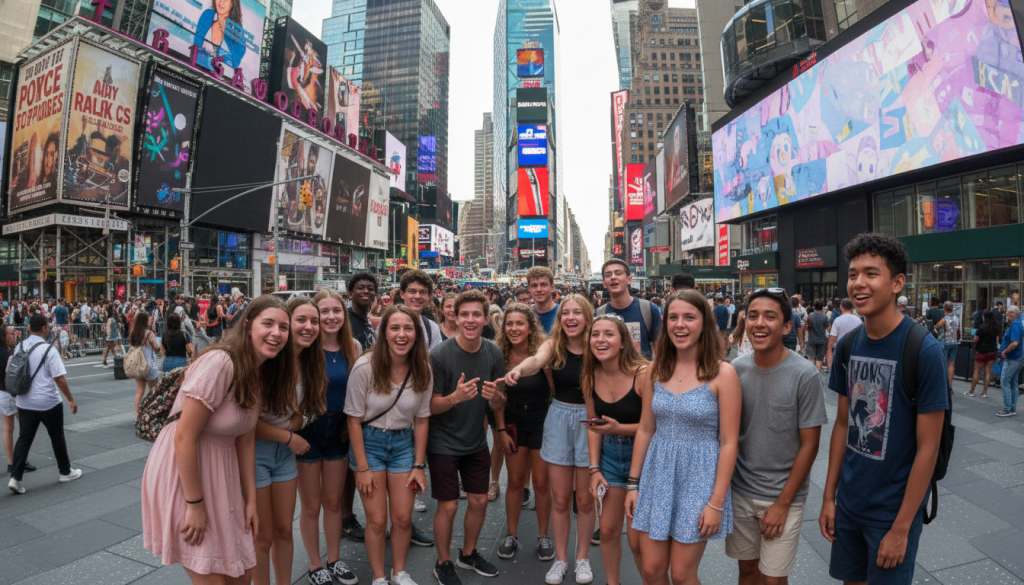
Planning a summer break in New York for teenagers can feel like solving a complex puzzle. You want your teens to have an amazing time. You also need to balance safety, budget, and educational value. The good news is that New York City offers endless possibilities for teenage travelers.
This guide walks you through every step of planning a summer break in New York for teenagers. You’ll discover how to create the perfect balance between iconic attractions and teen-friendly experiences. We’ll cover everything from choosing the right time to visit to building daily schedules that actually work.
Whether you’re a parent planning a DIY family trip or considering a structured program, this practical guide gives you the tools to create an unforgettable New York experience. Let’s start planning your teen’s summer adventure in the city that never sleeps.
Planning Tip: Structured summer programs like Camp New York offer a complete city experience with built-in safety, activities, and supervision. If DIY planning feels overwhelming, exploring organized options can save time and reduce stress while ensuring your teen has an incredible experience.
Step 1: Decide the Length and Style of Your Summer Break
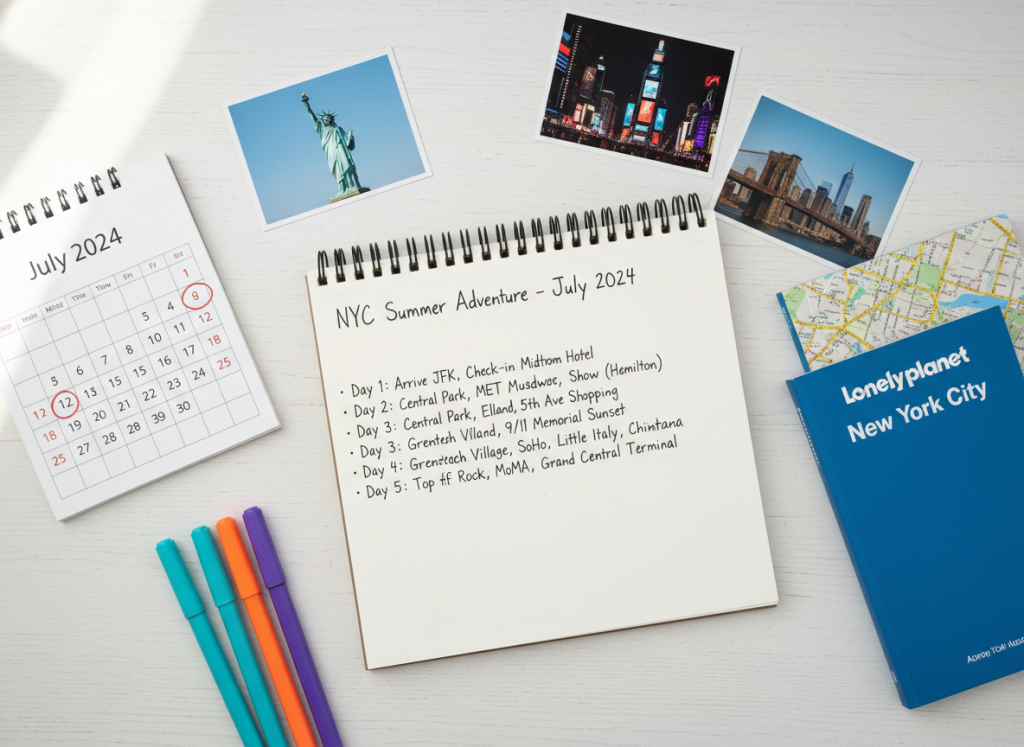
The first decision shapes everything else. How long should your summer break in New York actually be? The answer depends on your goals, budget, and what your teenager hopes to experience.
Short City Break: 3-5 Days
A long weekend or short week works well for families on tight schedules. This format focuses on major highlights without exhausting your teen. You’ll hit the essential attractions and get a taste of New York energy.
Short trips work best for teens who want to sample the city. They’re also ideal when you’re combining New York with other travel plans. The downside is you’ll need to be selective about activities.
Extended Stay: 7-10 Days
A full week or more lets you dig deeper into New York culture. Your teen can explore neighborhoods, revisit favorite spots, and discover hidden gems. This timeline allows for a more relaxed pace with built-in flexibility.
Extended stays suit families who want immersive experiences. You’ll have time for both tourist activities and local experiences. Your teenager can develop a real feel for city life.
Structured Summer Program: 1-4 Weeks
Organized programs offer supervised city exploration over several weeks. These programs combine educational activities with recreation and social experiences. Teens join groups of peers while staying in safe, managed environments.
Programs work well for working parents who can’t take extended vacation time. They provide structure, safety, and built-in social opportunities. Your teen gains independence while you maintain peace of mind.
DIY Family Trip Benefits
- Complete control over schedule and activities
- Flexibility to change plans based on energy and interest
- Family bonding time throughout the experience
- Ability to customize budget at every decision point
- Teaches teens travel planning and navigation skills
Structured Program Benefits
- Professional supervision and safety protocols in place
- Pre-planned activities with expert local knowledge
- Built-in peer social opportunities for teenagers
- Educational components integrated naturally
- No parent planning stress or logistics management
Consider your teen’s personality when choosing a format. Independent teens might thrive in structured programs. Family-oriented teenagers might prefer traveling with parents. There’s no wrong answer if it matches your family’s needs.
Step 2: Choose the Right Time of Summer to Visit

Timing affects everything from weather to crowds to your wallet. Summer in New York runs from June through August. Each period offers distinct advantages and challenges for teenage travelers.
Early Summer: June
June brings pleasant weather before peak heat arrives. Schools often still have classes until mid-June. This means slightly smaller crowds at popular attractions during the first two weeks.
Temperatures range from comfortable to warm. You’ll enjoy longer daylight hours for exploring. Outdoor activities feel perfect without the intense July and August heat.
Peak Summer: July and August
These months deliver classic New York summer energy. The city buzzes with events, outdoor concerts, and festivals. You’ll find the most happening atmosphere but also the largest crowds.
Expect hot and humid weather. Temperatures often climb into the 80s and 90s Fahrenheit. Plan indoor activities during the hottest afternoon hours. Many attractions and parks stay open later to accommodate visitors.
Late Summer: Late August
The final weeks of August offer a sweet spot. Many families have returned home for school preparations. Attraction lines shrink while weather remains warm and pleasant.
Hotel prices sometimes drop slightly. You’ll find better availability at popular restaurants. The city maintains its summer energy with fewer competing tourists.
Weather Planning: Pack layers regardless of which month you choose. New York buildings crank air conditioning to arctic levels. Your teen will appreciate having a light jacket for indoor spaces even on the hottest day outside.
Special Events to Consider
Summer brings incredible events across New York. Shakespeare in the Park offers free performances in Central Park. SummerStage hosts free concerts. The US Open tennis tournament happens in late August and early September.
Check event calendars when planning your dates. Some events require advance ticket reservations. Others operate on first-come, first-served basis. Building your trip around specific events can create memorable experiences.
Step 3: Picking a Suitable Base and Accommodation

Your accommodation choice affects daily logistics and overall costs. Location matters more than luxury when traveling with teenagers. The right neighborhood reduces travel time and maximizes exploration hours.
Best Neighborhoods for Teen-Focused Trips
Midtown Manhattan offers central access to major attractions. You’ll be walking distance from Times Square, museums, and major transit hubs. The area stays busy at all hours, which provides energy but also constant noise.
The Upper West Side provides a more residential feel near Central Park. Families appreciate the slightly quieter atmosphere. You’ll still have easy subway access to downtown attractions. The neighborhood offers plenty of affordable food options.
Long Island City in Queens delivers value and stunning Manhattan views. Hotels here cost less than Manhattan equivalents. One subway stop puts you in Midtown. Teens appreciate the artsy, less touristy vibe.
Accommodation Types That Work for Families
Traditional hotels offer convenience and daily housekeeping. Many provide family rooms or connecting rooms. Hotel staff can help with directions and recommendations. You’ll pay premium prices in Manhattan locations.
Vacation rentals give you more space and kitchen access. Preparing some meals saves money. Teens appreciate having separate bedroom space. Location quality varies significantly, so research carefully.
Youth hostels offer budget-friendly options for teen group travel. Some provide private family rooms alongside dormitory options. These spaces facilitate meeting other young travelers. Amenities remain basic compared to hotels.
Location Priority Checklist
- Within two blocks of subway station
- Well-lit streets and busy area at night
- Grocery store or bodega nearby
- Walking distance to at least one major park
- Multiple restaurant options in immediate area

Book accommodations early for summer travel. Popular family-friendly options fill up months in advance. Read recent reviews specifically mentioning teenage guests. Some properties cater better to families with younger children.
Safety Considerations for Accommodation
Choose well-reviewed properties in established neighborhoods. Check that your accommodation provides secure entry systems. Verify that staff speaks English if you don’t speak other languages. Keep your hotel address saved in your teen’s phone for easy reference.
Step 4: Build a Balanced Daily Schedule

The secret to successful teen travel lies in balance. Too much structure creates resentment. Too little planning wastes precious vacation time. Building the right daily rhythm keeps energy high and conflicts low.
The Ideal Daily Structure
Start with one major attraction per day. This could be a big museum, an observation deck, or a guided tour. Schedule this activity for morning or early afternoon when your teen has the most energy.
Add one or two smaller activities around the main event. These might include a park walk, a food market visit, or exploring an interesting neighborhood. Keep these flexible and optional based on energy levels.
Build in substantial downtime. Teens need breaks from constant stimulation. Schedule rest time back at your accommodation or relaxing in a park. This prevents burnout and attitude crashes.
Sample Balanced Day Structure
Morning: 9:00 AM – 12:00 PM
Start your day with the main attraction. Visit the American Museum of Natural History or explore the Metropolitan Museum of Art. Morning hours offer smaller crowds at popular sites.
Grab breakfast from a nearby cafe or bodega. New York bagels make an authentic and quick morning meal. Budget about three hours for your major activity including travel time.
Midday: 12:00 PM – 2:00 PM
Find lunch in the neighborhood where your morning activity happened. Let your teen have input on food choices. This creates buy-in and makes them feel respected.
After eating, take a shorter walk through a nearby area. Browse shops, people-watch, or simply wander. This unstructured time lets your teen decompress between planned activities.
Afternoon: 2:00 PM – 5:00 PM
Return to your hotel for genuine rest time. Teens need to recharge physically and mentally. Allow device time, napping, or just hanging out in your room.
Alternatively, find a park where your teen can relax independently. Central Park, Bryant Park, and Battery Park all offer safe spaces for supervised free time.
Evening: 5:00 PM – 9:00 PM
Head out for an evening activity and dinner. This might include walking across Brooklyn Bridge, visiting Times Square at night, or catching a Broadway show.
Evening activities work well because temperatures cool down. The city transforms with lights and energy. Your teen will feel the authentic New York buzz.
Flexibility Is Essential
Build flexibility into every day. If your teen loves a museum, stay longer and skip the afternoon activity. If they’re exhausted, spend the whole afternoon resting. The goal is creating positive memories, not checking off a rigid list.
Let your teenager influence daily decisions. Ask them to choose between two options. This gives them agency while keeping you in control of appropriate choices. Teens cooperate more when they feel heard.
Dealing With Schedule Conflicts
Arguments happen even with the best planning. When your teen resists an activity, negotiate calmly. Offer alternatives or compromise on timing. Remember that vacation should feel like a break for everyone, including teenagers.
Step 5: Selecting Teen-Friendly NYC Experiences

Not all New York attractions appeal equally to teenagers. The trick is finding experiences that educate without feeling like school. These recommendations consistently win over teen travelers of all interests.
Observation Decks and Skyline Views
Teenagers love dramatic views and photo opportunities. New York offers several incredible observation deck options. The experience of seeing the city from above creates lasting memories.
Top of the Rock at Rockefeller Center provides 360-degree views. You’ll see Central Park, the Empire State Building, and all of Manhattan. The outdoor observation deck gives you unobstructed photo angles. Lines move faster here than at the Empire State Building.
One World Observatory at One World Trade Center delivers cutting-edge technology with its views. The elevator ride alone impresses teens. You’ll stand 1,250 feet above the city. The location connects to the 9/11 Memorial, creating a meaningful educational opportunity.
Edge at Hudson Yards features a glass floor jutting out from the building. Brave teens can stand 100 stories above the street on transparent glass. The outdoor deck provides stunning sunset views. This newer attraction typically has shorter wait times.
Parks and Outdoor Spaces
Central Park offers countless ways to spend a day. Rent bikes and ride the park loop. Find the Bethesda Fountain and surrounding terrace. Visit Strawberry Fields, the John Lennon memorial. The park provides essential breathing room between urban activities.
The High Line delivers a unique elevated park experience. This converted railway line runs through Chelsea and features art installations, gardens, and Hudson River views. The walk takes about 30 minutes end-to-end. Teens appreciate the industrial-meets-nature aesthetic.
Brooklyn Bridge Park offers sports fields, playgrounds, and beach volleyball courts. Teens can play while parents relax with bridge views. The park connects to the Brooklyn Bridge pedestrian walkway. Walking the bridge itself ranks as a must-do New York experience.

Museums That Actually Engage Teens
The American Museum of Natural History captivates with dinosaur fossils and the Rose Center planetarium. Teens respond to the massive blue whale model and gem collection. The museum’s size means you can spend hours without seeing everything. Focus on your teen’s specific interests.
The Museum of Modern Art (MoMA) presents art in accessible ways. Even teens who “don’t like art” respond to recognizable works by Van Gogh, Warhol, and Dali. The sculpture garden provides a peaceful break. Free admission Friday evenings makes this very budget-friendly.
The Intrepid Sea, Air & Space Museum sits on an actual aircraft carrier. Teens explore a submarine, see the space shuttle Enterprise, and climb through fighter jets. The interactive nature keeps attention better than traditional museums. The Hudson River location adds to the experience.
Food Experiences Worth Planning
Chelsea Market combines food vendors, shops, and industrial architecture. Teens can sample different foods while parents browse shops. The market’s history as a factory adds interest. You’ll find everything from tacos to Italian pastries.
Smorgasburg operates on weekends in Brooklyn. This outdoor food market features dozens of vendors. Your teen can try foods from multiple cultures in one stop. The waterfront setting provides great atmosphere. Arrive hungry and share multiple dishes.
Chinatown and Little Italy offer authentic neighborhood experiences. Walk through narrow streets filled with restaurants and shops. Teens love the cultural immersion and affordable food options. Visit dim sum restaurants for a hands-on eating experience.

Statue of Liberty and Ellis Island
Book ferry tickets well in advance for summer visits. The crown requires separate reservation months ahead. Ellis Island’s immigration museum connects personal family history for many teens. Budget a full day for both islands including travel time.

Broadway Shows
Teen-appropriate shows include Hamilton, The Lion King, and Wicked. Rush tickets and lottery options make Broadway affordable. The TKTS booth in Times Square sells same-day discount tickets. Seeing a Broadway show creates a quintessential New York moment.
Coney Island
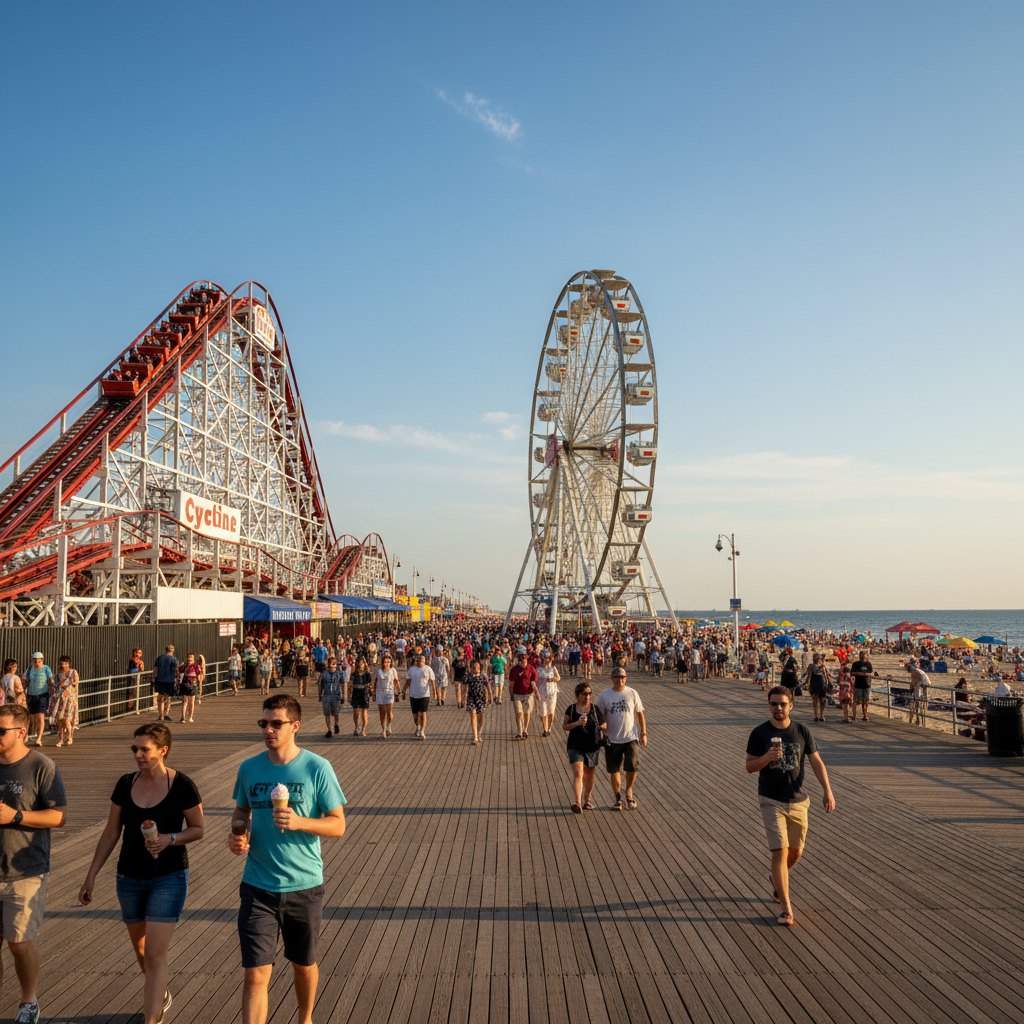
This Brooklyn beach destination offers amusement park rides, boardwalk food, and ocean swimming. The trip requires about an hour subway ride each way. Teens love the retro amusement park vibe. Visit Nathan’s Famous for iconic hot dogs.
Getting Around the City
The subway system provides the most efficient way to travel. Purchase unlimited MetroCards for your trip length. Teens should learn to read subway maps and navigate independently under supervision. This builds confidence and practical skills.
Walking lets you discover neighborhoods authentically. New York’s grid system makes navigation relatively simple. Plan walking routes that connect attractions through interesting areas. Your teen will see more of real New York life between destinations.
The Staten Island Ferry runs free 24/7 with Statue of Liberty views. The 25-minute ride offers a cheap way to see the harbor. Teens enjoy the ferry experience itself. You can ride round-trip without leaving the boat for a quick free activity.
Step 6: Budgeting and Saving Money on Your Teen-Focused Trip

New York’s reputation for expensive travel is partly deserved. However, smart planning dramatically reduces costs without sacrificing experience quality. These strategies work specifically well for families with teenagers.
Accommodation Budget Strategies
Book hotels in outer boroughs for significant savings. Queens and Brooklyn offer hotels at 30-50% less than Manhattan rates. The trade-off is slightly longer subway commutes. For many families, this exchange makes sense financially.
Consider staying slightly outside peak summer months if your schedule allows. Late August and early September offer better hotel rates. Many properties reduce prices midweek compared to weekend rates. Book directly with hotels after checking comparison sites for leverage in negotiations.
Attraction and Activity Savings
Many world-class New York experiences cost nothing. Walking across Brooklyn Bridge, exploring Central Park, visiting the Staten Island Ferry, and browsing Chelsea Market all cost zero dollars. Build free activities into each day to stretch your budget.
Museum admission varies, but many offer free or pay-what-you-wish hours. The Museum of Natural History suggests a donation rather than requiring fixed admission. Many museums offer free entry on specific evenings. Plan your museum visits around these opportunities.
CityPASS and New York Pass packages bundle major attractions at discounts. Calculate whether these passes make sense based on your planned activities. They work best when visiting multiple expensive attractions. Skip them if you’re planning a more low-key trip.
- Walking the Brooklyn Bridge
- Exploring Central Park and its landmarks
- Staten Island Ferry rides
- Times Square people-watching
- High Line park walk
- Grand Central Terminal architecture
- Brooklyn Bridge Park
- Browsing Chelsea Market
- 9/11 Memorial (museum costs, memorial is free)
- Public library tours
Free NYC Activities
- Pay-what-you-wish museum hours
- Broadway lottery tickets ($20-40)
- Food hall lunches ($10-15)
- Subway day pass ($33 unlimited)
- Coney Island beach day
- Discount attraction passes
- Afternoon matinee shows
- Street food meals
- Picnic supplies from grocery stores
- Free summer concerts in parks
Budget-Friendly Activities
- One Broadway show ($100-200)
- Observation deck visit ($40-50)
- Statue of Liberty crown tour ($25)
- Nice sit-down dinner ($30-50)
- Bike rental for Central Park ($15-20)
- Helicopter tour ($200-300)
- Top museum with full admission ($25-30)
- Professional sports game ($50-150)
- Boat tour of Manhattan ($40-60)
- Special food experience ($30-50)
Splurge-Worthy Experiences
Food Budget Management
Eating three restaurant meals daily destroys budgets quickly. Start days with breakfast from grocery stores or bagel shops. Pack snacks for between activities. This reduces impulse food purchases when everyone gets hungry.
Lunch from food halls, food trucks, or quick-service restaurants costs half what sit-down meals run. Save table service restaurants for one special dinner during your trip. Pizza by the slice makes an iconic and affordable New York meal.
Grocery stores like Trader Joe’s offer prepared foods at reasonable prices. Stock your accommodation with breakfast supplies and snacks. Bodegas sell surprisingly good sandwiches and fresh fruit. Learning to eat like locals saves money while providing authentic experiences.
Transportation Cost Control
Buy unlimited MetroCards rather than paying per ride. The unlimited weekly pass pays for itself with just two trips daily. Teens can travel independently on the subway once they’re comfortable with the system. This provides freedom without taxi costs.
Walking saves money while letting you see neighborhoods. Plan routes that string together attractions. Your teen gets exercise and you avoid paying for short subway trips. New York’s walkability is one of its best features.
Smart Money Habits During Your Trip
Set daily spending budgets and stick to them. Give your teen a small amount of money to manage independently. This teaches budgeting while letting them feel autonomous. Track spending in a simple app or notebook to stay aware.
Use credit cards that don’t charge foreign transaction fees if traveling internationally. Notify your bank about your travel dates to prevent card blocks. Keep some cash for small vendors that don’t accept cards. ATMs are plentiful but may charge fees.
Step 7: Safety and Supervision for Teens in the City

New York’s reputation as a dangerous city is outdated. Modern New York ranks among America’s safest large cities. Still, urban travel requires different awareness than suburban or rural environments. These practical safety strategies give you peace of mind while respecting your teen’s growing independence.
Before You Arrive: Preparation Steps
Have conversations about city awareness before your trip. Discuss staying alert to surroundings, avoiding distractions from phones while walking, and trusting instincts about situations. Make these discussions collaborative rather than lectures.
Ensure your teen’s phone works in New York with adequate data. Download offline maps in case service is spotty. Set up location sharing between family members. Save important numbers including your hotel and local emergency contacts.
Establish clear check-in protocols. Decide on regular contact times throughout each day. Use group messaging apps so everyone stays informed. Make sure your teen understands these aren’t about distrust but about coordinating large city logistics.
Street Smarts for Urban Navigation
Teach your teen to walk with purpose and confidence. Looking lost or confused attracts unwanted attention. If unsure about directions, step into a store or restaurant to check phones rather than standing on the sidewalk obviously confused.
Stick to well-populated areas, especially after dark. Main tourist areas, commercial streets, and parks with lots of people remain safe at all hours. Avoid isolated streets, empty parks after sunset, and subway stations with no other passengers.
Use the buddy system when your teen wants independence. Teens should explore in groups of at least two rather than alone. This applies to both day and evening activities. Groups attract less unwanted attention and provide mutual support.
Subway Safety Guidelines
The subway is safe during day hours when cars are full of commuters and tourists. Teach teens to stand back from platform edges. Don’t stand near tracks when trains approach. Move to center cars rather than end cars for more people around.
Keep bags closed and phones secured. Pickpockets target distracted tourists. Your teen should stay alert and aware of their belongings. Holding phones up for photos makes them easy targets for grab-and-run theft.
If a subway car feels uncomfortable, move to another car at the next stop. Trust instincts about situations and people. It’s better to wait for the next train than board one that feels wrong.
Safe Practices
- Staying in well-lit, populated areas
- Using official yellow taxis or rideshare apps
- Keeping valuables in front pockets or closed bags
- Checking in at regular agreed-upon times
- Traveling in groups rather than alone
- Trusting instincts about uncomfortable situations
- Carrying hotel business card with address
- Staying aware of surroundings, not distracted
Things to Avoid
- Walking through empty parks after dark
- Using ATMs in isolated locations
- Accepting offers from unlicensed taxi drivers
- Displaying expensive jewelry or electronics
- Getting into arguments with strangers
- Wandering aimlessly in unfamiliar neighborhoods
- Leaving bags unattended in public spaces
- Sharing hotel room numbers with strangers
Appropriate Independence Levels
Match freedom to your teen’s maturity and your comfort level. Younger teens might explore immediate hotel neighborhoods independently. Older teens might navigate the subway to planned destinations with regular check-ins.
Start with short independence periods and expand as confidence grows. Your teen could walk two blocks to a store while you stay at the hotel. Success builds trust for longer independent periods later in the trip.
Never allow completely unsupervised night activities for teenagers. Evening activities should include parent supervision or participation in organized groups. The night atmosphere changes any city’s dynamics.
Emergency Preparedness
Program emergency numbers into your teen’s phone. Include 911, your hotel, and your own number. Make sure they know how to contact local police if needed. Walk through scenarios before your trip.
Identify meeting spots if you get separated. Choose obvious, easy-to-find locations like hotel entrances or specific store fronts. Always have a backup meeting place in case the first location is inaccessible.
Carry copies of important documents separately from originals. Take photos of passports, IDs, and insurance cards. Email these to yourself for cloud access. This preparation helps if documents get lost or stolen.
Medical and Health Safety
Know where nearby urgent care facilities and pharmacies are located. Most neighborhoods have 24-hour pharmacies. Your hotel can direct you to medical facilities if needed. Travel insurance helps with any unexpected medical costs.
Bring adequate supplies of any prescription medications. Pack these in carry-on bags, not checked luggage. Carry a letter from your doctor explaining medications if they’re controlled substances.
How Camp New York Can Help Plan Your Summer Break

Planning a summer break in New York for teenagers involves substantial research, logistics, and stress. Many families discover that the time investment alone creates challenges. This is where structured summer programs offer compelling alternatives to DIY planning.
What Camp New York Offers
Camp New York provides complete summer programs designed specifically for teenagers. The program handles every element we’ve discussed in this guide. Accommodations, activities, meals, supervision, and transportation all come pre-arranged by experienced local staff.
Teens join groups of peers for 1-4 week experiences. Days balance major attractions with neighborhood exploration, structured activities with free time, educational content with pure fun. Professional counselors ensure safety while encouraging appropriate independence.
The program removes planning pressure from parents. You don’t research attractions, book tickets, or coordinate daily logistics. Everything runs on proven schedules refined over years of teen programs. Your energy goes toward preparing your teen emotionally rather than managing spreadsheets.
How the Program Structure Works
Each week follows a balanced structure similar to the daily schedule we outlined earlier. Mornings typically include one major activity like a museum visit or observation deck. Afternoons mix smaller activities with rest time back at program housing.
Evenings feature experiences that showcase New York’s energy. Walking across Brooklyn Bridge at sunset, seeing Times Square at night, or catching a Broadway show. The program schedules activities when they work best, not when you can fit them around other plans.
Weekends include longer excursions to places like Coney Island or special events happening around the city. Teens also get free time to explore nearby areas in small supervised groups. This builds independence while maintaining safety protocols.
Typical Weekly Schedule
- Major attraction visit each day (museums, landmarks, tours)
- Structured social activities with peer groups
- Free time periods with supervised neighborhood exploration
- Evening activities showcasing New York culture
- Weekend day trips to destinations outside Manhattan
- Educational components integrated into experiences
- All meals provided with diverse food options
- Transportation handled via subway with staff supervision

Safety and Supervision Advantages
Professional staff members undergo background checks and training. They know New York thoroughly and understand teen developmental needs. Staff maintain appropriate supervision levels while encouraging independence growth.
The program operates with proven safety protocols developed specifically for urban teen programs. Staff-to-teen ratios ensure adequate supervision. Emergency procedures exist for any situation. Parents receive regular updates about their teen’s experiences.
Teens travel in groups with experienced local guides. This eliminates navigation concerns and reduces vulnerability. Your teen gains the confidence of urban exploration without the risks of figuring everything out themselves.
Social and Developmental Benefits
Joining a structured program provides instant peer connections. Teens make friends with others who share interests in travel and new experiences. These friendships often continue beyond the summer program itself.
Group activities teach cooperation and communication skills. Your teen learns to navigate social dynamics in new environments. These experiences build confidence that transfers to other areas of life.
The independence teens gain in supervised settings prepares them for future solo adventures. They learn practical skills like reading subway maps, ordering food confidently, and managing time. These capabilities develop faster in supported environments than they would traveling with parents.
Cost Comparison: DIY vs. Structured Program
Program costs appear higher than DIY trip estimates at first glance. However, accurate comparisons require including all DIY costs: accommodation, meals, attraction tickets, transportation, and your own time investment value.
Programs also eliminate common DIY wasteful spending. No expensive mistakes from poor restaurant choices or last-minute ticket purchases. Efficient group arrangements reduce per-person costs for activities. Included meals prevent the impulse snacking that inflates DIY budgets.
Consider the value of eliminated planning stress. Hours you’d spend researching and coordinating remain available for your work and family life. For many parents, this time savings alone justifies program costs.
Who Benefits Most From Structured Programs
Working parents with limited vacation time find structured programs especially valuable. Your teen gets a full summer experience while you maintain work commitments. The program operates independently of your schedule flexibility.
Families with multiple children appreciate programs for older teens while parents focus on younger kids. One teen joins a peer group while family vacation plans accommodate younger children’s needs. Everyone gets age-appropriate experiences.
Teens seeking independence but not ready for completely unsupervised travel thrive in these environments. The structure provides guidance while allowing plenty of autonomous choices. It’s a stepping stone between family vacations and solo travel.
Combining DIY and Structured Approaches
Some families blend both methods successfully. Your teen might join a one-week program followed by family time together in New York. This lets you enjoy a shorter, more relaxed family portion after the structured program handles major attractions.
Alternatively, families visit New York together first, then teens join the program for extended experiences. Parents return home while teens continue their summer adventure. This maximizes vacation time for everyone according to their needs.
Frequently Asked Questions

How long should a summer break in New York be for teens?
The ideal length depends on your goals and schedule. A 3-5 day trip covers major highlights and works well for first-time visitors or families with limited time. This length lets you see iconic attractions without overwhelming your teen.
A 7-10 day stay allows deeper exploration of neighborhoods, multiple museum visits, and a more relaxed pace with flexibility for teens to revisit favorite spots. Extended stays reduce rushing and create a more authentic New York experience.
Structured programs typically run 1-4 weeks and provide comprehensive experiences with built-in peer social opportunities. These longer formats suit families where parents can’t take extended vacation but want their teen to have a full summer experience.
What’s the best way to balance fun and learning during the trip?
Balance happens naturally when you choose activities that educate through engagement rather than formal instruction. Museums with interactive exhibits, walking tours with entertaining guides, and cultural neighborhood experiences teach without feeling like school.
Mix one educational element with recreational activities each day. Visit the 9/11 Memorial followed by exploring nearby neighborhoods and shops. Tour a museum in the morning, then spend the afternoon in Central Park. This rhythm keeps learning fresh without overwhelming teens.
Let your teen’s interests guide choices. A fashion-interested teen might love the Fashion Institute of Technology museum. A music fan could explore jazz clubs and music history sites. When education connects to existing passions, teens engage willingly and learn more effectively.
How can I plan an affordable NYC trip for teenagers?
Budget-conscious planning starts with accommodation in outer boroughs like Queens or Brooklyn where hotels cost significantly less. Book in advance for better rates and consider traveling in late August when some prices drop as families return home.
Take advantage of free activities including walking the Brooklyn Bridge, exploring Central Park, riding the Staten Island Ferry, and visiting during museum pay-what-you-wish hours. These zero-cost experiences are often highlights of teen trips.
Control food costs by eating breakfast from grocery stores, choosing quick-service restaurants for lunch, and saving sit-down meals for one or two special dinners. Pack snacks to avoid expensive impulse purchases. Purchase unlimited subway passes instead of paying per ride.
Calculate whether attraction passes like CityPASS save money based on your specific plans. Sometimes individual tickets cost less than bundled packages if you’re selective about paid attractions.
Can my teen join Camp New York as part of a bigger NYC break?
Yes, many families combine structured program time with family travel time. Common approaches include arriving a few days early to explore New York together before your teen joins the program. This gives you shared experiences while letting your teen then continue with peers.
Another option involves your teen joining the program first, then you arriving for additional family time afterward. The program handles major attractions and logistics while your later arrival focuses on specific places your family particularly wanted to experience together.
Contact Camp New York directly to discuss timing options that work with your travel plans. Staff can coordinate arrival and departure dates around your broader vacation schedule. This flexibility lets you create the perfect combination of structured program benefits and family bonding time.
Is New York City safe for teenage travelers?
Modern New York ranks among America’s safest large cities with crime rates that have dropped dramatically over recent decades. Tourist areas like Midtown, museums, major parks, and commercial neighborhoods maintain high safety levels throughout the day.
Appropriate precautions ensure safe experiences. Teens should stay in populated, well-lit areas, use the buddy system, remain aware of surroundings, and follow basic urban awareness practices. These habits apply to any major city worldwide.
Structured programs like Camp New York provide additional safety through professional supervision, proven protocols, and experienced local staff. This lets teens gain independence while parents maintain peace of mind through established safety systems.
What are the must-see attractions for teenagers in New York?
Teens consistently rate these experiences as trip highlights: walking across Brooklyn Bridge (especially at sunset), visiting at least one observation deck for skyline views, exploring Central Park’s various areas, and experiencing Times Square’s energy at night.
Museum favorites include the American Museum of Natural History for its dinosaurs and Rose Center, the Museum of Modern Art for recognizable artwork, and the Intrepid Sea, Air & Space Museum for hands-on exploration of aircraft and submarines.
Food experiences matter tremendously to teens. Include visits to Chelsea Market, trying pizza from a famous NYC pizzeria, getting bagels from a traditional shop, and exploring neighborhood food scenes in areas like Chinatown or ethnic neighborhoods.
A Broadway show creates a quintessential New York moment. The High Line park walk provides unique urban nature experiences. The Staten Island Ferry offers free harbor views. These activities together create a well-rounded teenage New York experience.

Office hours: Monday-Friday, 9:00 AM – 6:00 PM EST
Your Next Steps for Planning a Summer Break in New York for Teenagers

You now have a complete framework for planning a summer break in New York for teenagers. The key to success lies in balancing structure with flexibility, major attractions with downtime, and your guidance with your teen’s growing independence.
Start by deciding your trip length and style. Consider whether DIY planning or a structured program better fits your family’s needs. Calculate your realistic budget including all categories we’ve discussed. Block out dates that work for your schedule and book accommodation early.
Remember that perfect planning isn’t the goal. Memorable experiences happen when you’re flexible enough to adapt to your teen’s energy and interests. The best New York moments often come from unexpected discoveries between planned activities.
Whether you choose to plan everything yourself or let Camp New York handle the logistics, your teen is about to experience one of the world’s most dynamic cities. The independence, confidence, and cultural exposure gained during a New York summer create benefits that extend far beyond the vacation itself.
Take that first step today. Review your calendar, discuss options with your teen, and begin turning this planning guide into your family’s reality. Summer in New York waits for no one – and these teenage years pass quickly. Create those memories while you can.