
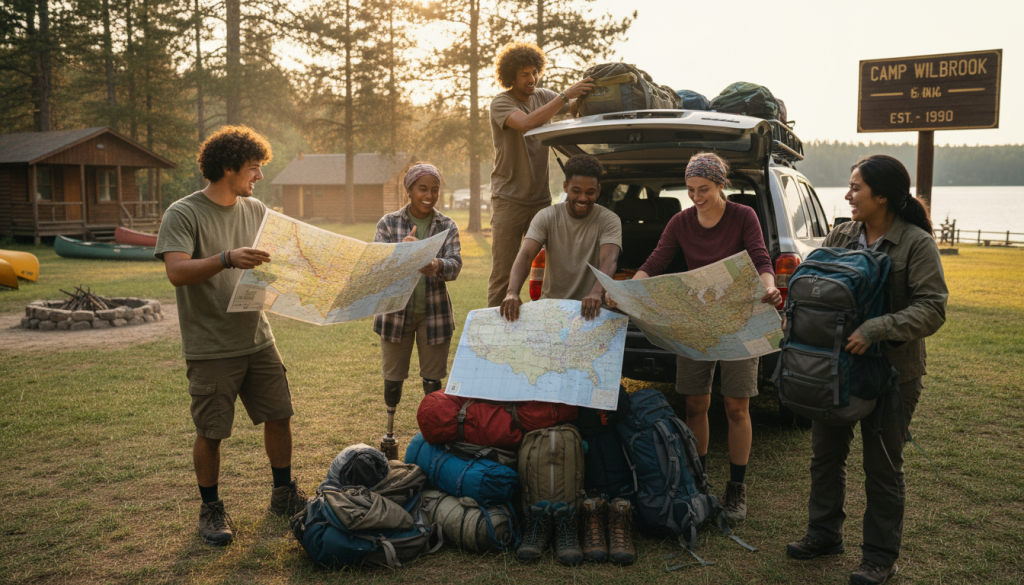
The final campfire has burned out, tearful goodbyes have been exchanged, and suddenly you’re facing 30 days of freedom to explore America before heading home. This post-camp period is a golden opportunity to embark on the adventure of a lifetime – a chance to see the real America beyond your summer camp bubble. With proper planning, a sense of adventure, and the independence you’ve cultivated as a camp counselor, you’re perfectly positioned to hit the open road and create memories that will last far longer than your summer contract.
Whether you’re dreaming of coastal highways, desert landscapes, vibrant cities, or mountain retreats, your post camp travel USA road trip can encompass it all. This comprehensive guide will walk you through everything you need to know to transform those final 30 days into an epic journey across America’s diverse landscapes and cultures.
Pre-Trip Planning: Legal and Logistical Essentials
Before you can fully embrace the freedom of the open road, you’ll need to address some important practical matters. These foundational elements will ensure your post-camp travel experience runs smoothly from start to finish.
Understanding Visa Requirements
If you’re an international counselor, your J-1 visa typically allows for a 30-day “grace period” after your program ends. This is your window for travel, but there are important restrictions to understand:
- You cannot work during this grace period
- You must leave the United States within these 30 days
- Your travel insurance may need extension to cover this period
- Carry your DS-2019 form and passport at all times
Driving Requirements and Rental Options
To legally drive in the US as an international visitor, you’ll need:
Documentation
- A valid driver’s license from your home country
- International Driving Permit (IDP) – obtain this before leaving home
- Your passport and visa documentation
Car Rental Considerations
- Age requirements (usually 21+, with under-25 surcharges)
- Credit card in the renter’s name
- Comprehensive insurance coverage
- One-way rental fees if not returning to the same location
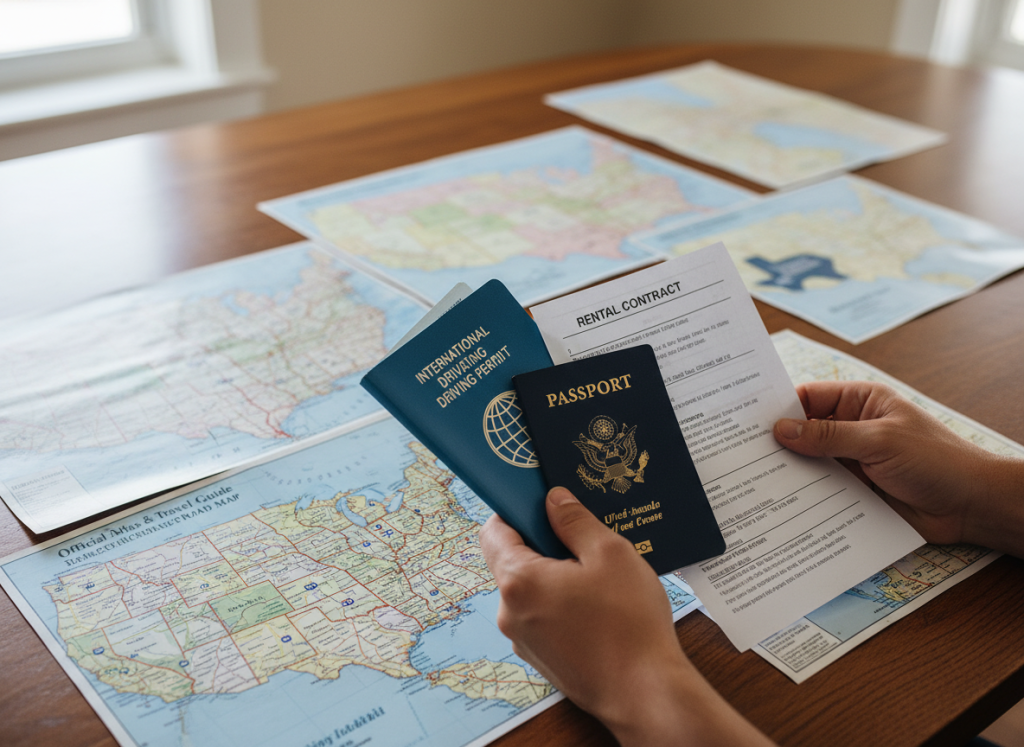
“Book your rental car at least 2-3 weeks in advance during summer months. Prices increase dramatically with last-minute bookings, and availability becomes limited, especially for one-way rentals.”
Creating Your Road Trip Budget
After spending a summer earning camp wages, budgeting for your post camp travel USA road trip becomes crucial. With careful planning, you can stretch your dollars while maximizing experiences.
Typical Expenses Breakdown
| Expense Category | Estimated Cost (30 Days) | Money-Saving Tips |
| Vehicle Rental | $1,200-2,500 | Share costs with fellow travelers; check for camp staff discounts |
| Fuel | $600-1,000 | Use apps like GasBuddy to find cheapest gas; choose fuel-efficient vehicles |
| Accommodation | $900-2,100 | Mix camping, hostels, and occasional motels; use HI USA membership |
| Food | $600-1,200 | Cook at hostels/campsites; pack a cooler; limit restaurant meals |
| Attractions/Activities | $300-800 | America the Beautiful Pass ($80) for national parks; seek free activities |
| Miscellaneous | $200-500 | Budget for emergencies; consider travel insurance extension |

Ready to Start Your Camp Adventure?
Apply now for a summers camp position with Camp New York and start planning your post-camp road trip adventure!
Mapping Your Post Camp Travel USA Road Trip Route
With just 30 days to explore, strategic route planning becomes essential. Rather than trying to see everything, focus on creating a cohesive journey through one or two regions that allows for both iconic sights and off-the-beaten-path discoveries.
Popular Post-Camp Road Trip Routes
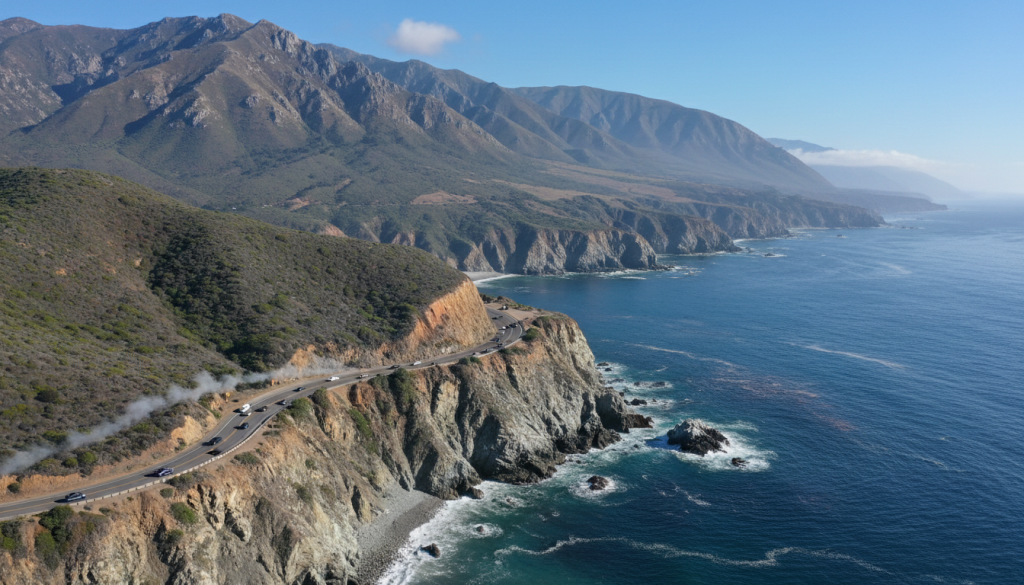
Pacific Coast Highway
This iconic 1,650-mile route from Seattle to San Diego offers stunning ocean views, charming coastal towns, and access to major cities like Portland, San Francisco, and Los Angeles.
- Ideal duration: 14-21 days
- Highlights: Olympic National Park, Oregon Coast, Redwood National Park, Big Sur, Santa Barbara
- Best for: Nature lovers and photographers
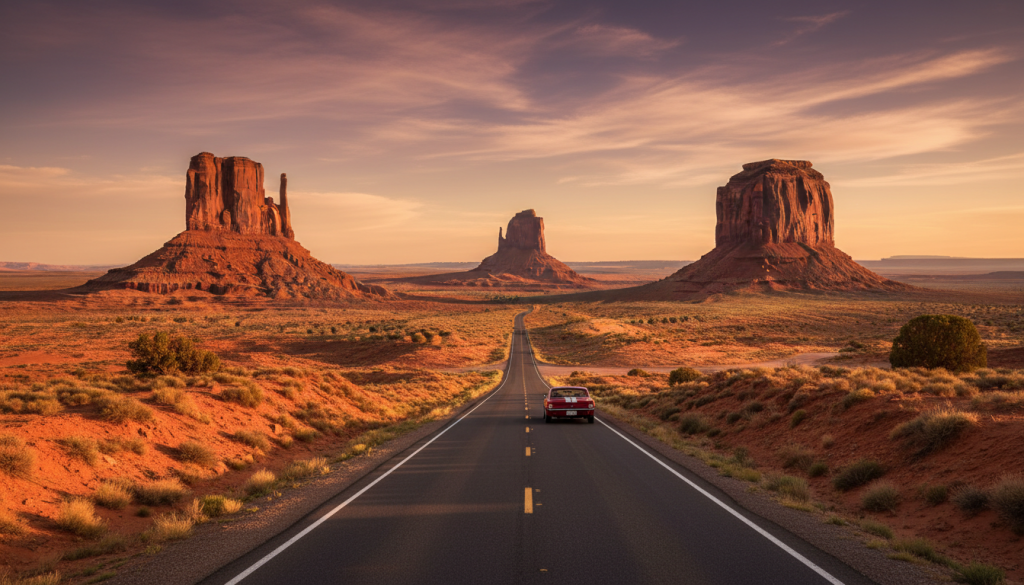
Southwest National Parks Loop
Experience America’s most breathtaking landscapes on this loop through Utah, Arizona, and Colorado, featuring otherworldly rock formations and deep canyons.
- Ideal duration: 10-14 days
- Highlights: Grand Canyon, Zion, Bryce Canyon, Arches, Monument Valley
- Best for: Hikers and outdoor enthusiasts
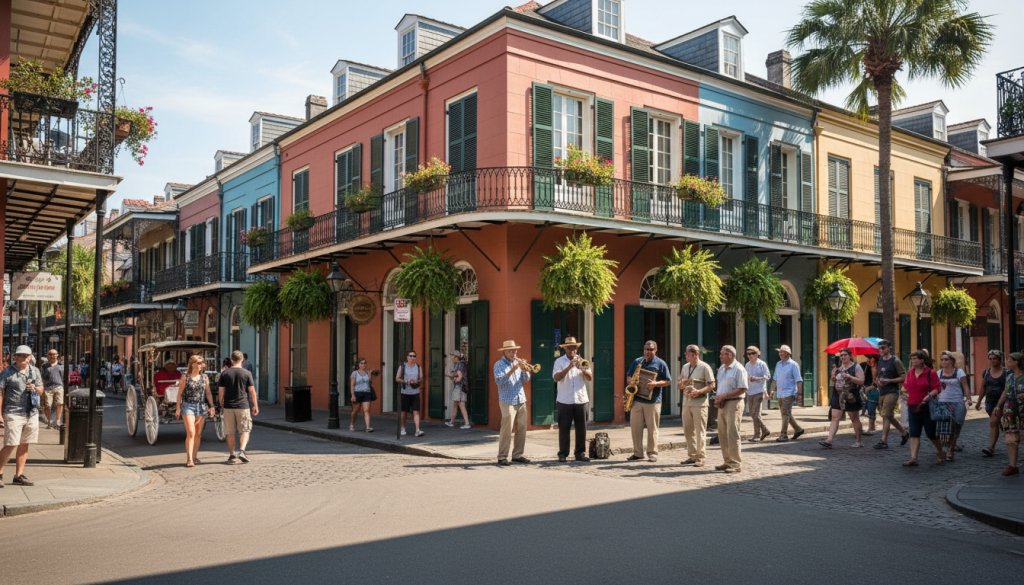
Great American South
Immerse yourself in southern hospitality, music, and history on this journey through Tennessee, Mississippi, Louisiana, and Georgia.
- Ideal duration: 10-14 days
- Highlights: Nashville, Memphis, New Orleans, Savannah, Great Smoky Mountains
- Best for: Music lovers and foodies
Route Planning Tips for Post-Camp Travelers
Do’s
- Plan for 3-4 hours of driving max per day
- Build in buffer days for unexpected discoveries
- Consider starting and ending in different cities
- Book accommodation in advance for popular destinations
- Download offline maps for remote areas
Don’ts
- Don’t try to see the entire country in 30 days
- Avoid planning back-to-back long driving days
- Don’t underestimate distances between attractions
- Don’t skip travel insurance for your journey
- Don’t forget to check seasonal closures or conditions
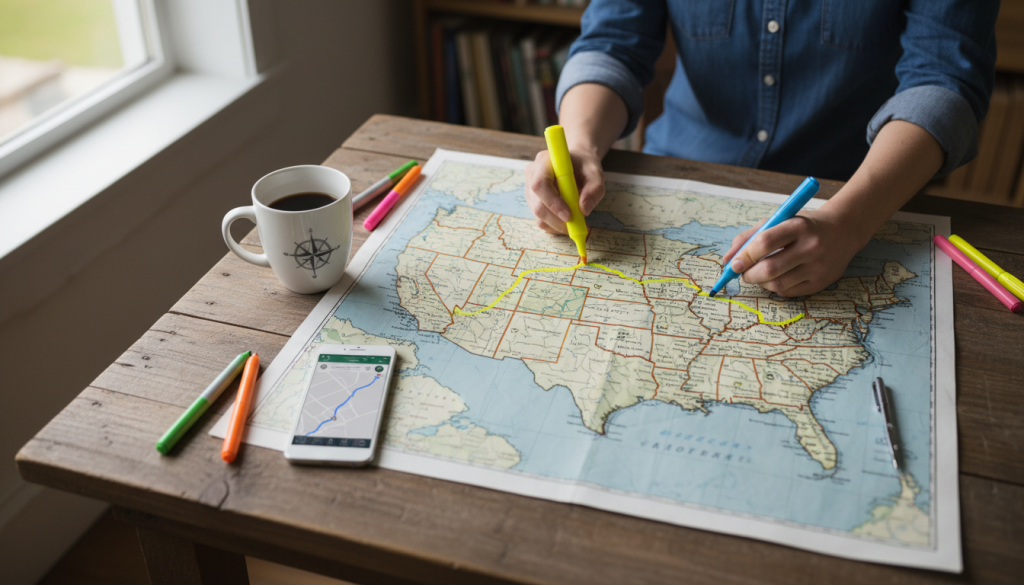
“The best road trips have a balance of structure and spontaneity. Plan your must-see destinations but leave room for those unexpected roadside attractions and local recommendations that often become the highlights of your journey.”
Accommodation Options for Road Warriors
After a summer of basic camp accommodations, you have numerous options for where to rest your head during your post camp travel USA road trip. Mixing different types of lodging can help manage your budget while providing varied experiences.
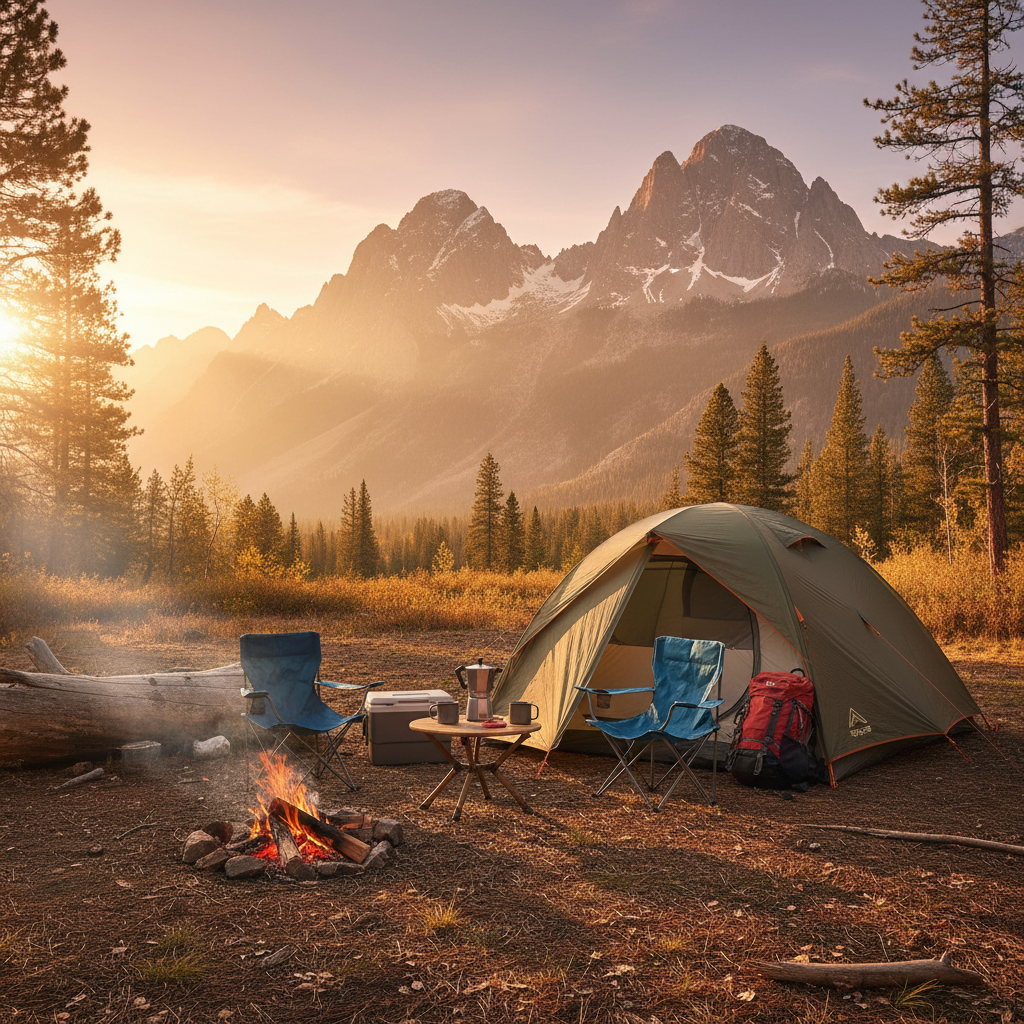
Camping
Leverage your camp skills by camping in national and state parks. Campsite fees range from $15-30 per night, and many offer showers and basic amenities.
Pro tip: Reserve popular national park campsites months in advance or look for first-come, first-served options in less visited areas.

Hostels
HI USA and independent hostels offer beds from $25-50 per night in major cities. They’re perfect for meeting fellow travelers and often provide kitchens to prepare meals.
Pro tip: Get an HI USA membership for discounts on their nationwide network of hostels.
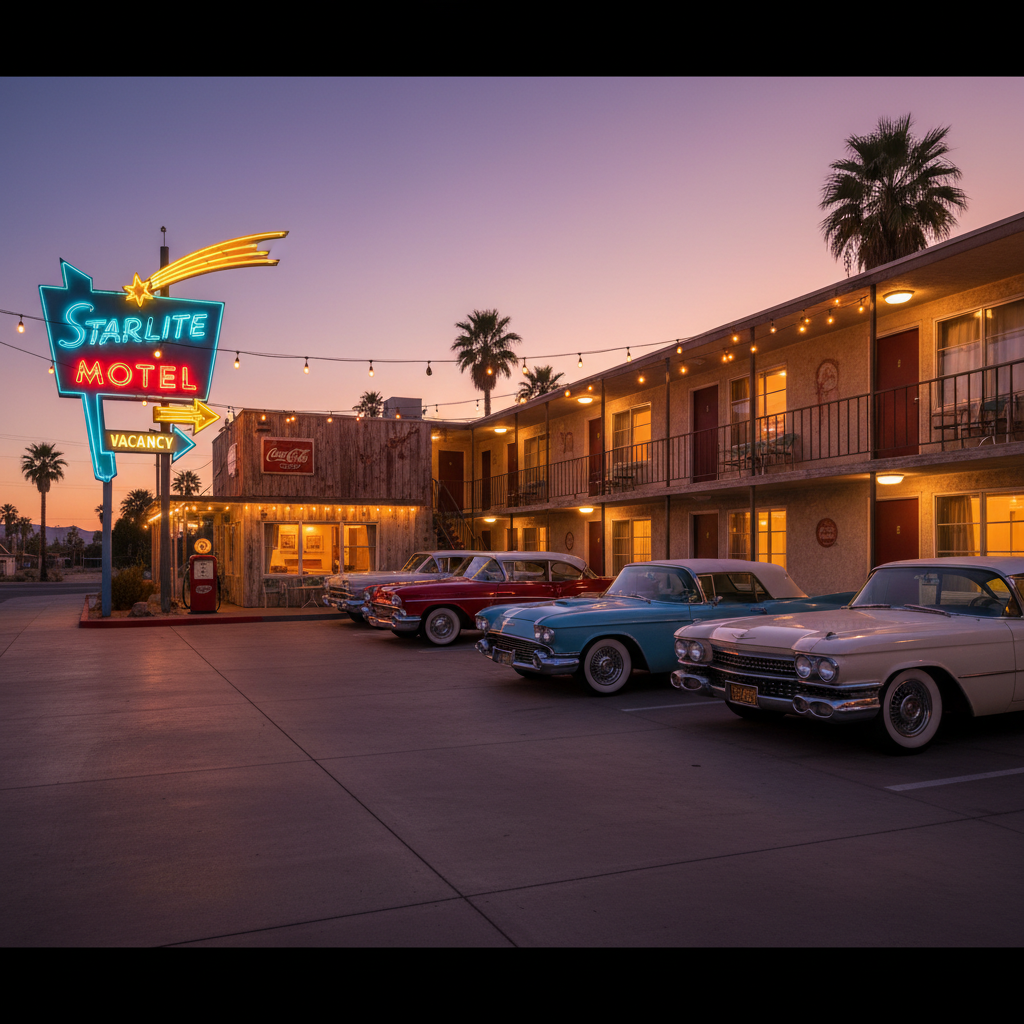
Budget Motels
Chains like Motel 6, Super 8, and Econo Lodge offer basic rooms from $50-80 per night. They’re convenient for quick overnight stays between destinations.
Pro tip: Sign up for loyalty programs and look for coupon books at rest areas for discounts.
Alternative Accommodation Options
- Airbnb/VRBO: Great for groups to split costs or when you need a break from the road with home amenities
- Couchsurfing: Free accommodation with locals who can provide insider tips about their area
- University Dorms: During summer, some colleges rent empty dorm rooms at affordable rates
- Car Camping: With proper planning, sleeping in your vehicle at designated areas can save money
- HipCamp: Private land camping options, often with unique settings and amenities
- Work Exchange: Platforms like Workaway offer free accommodation in exchange for a few hours of work
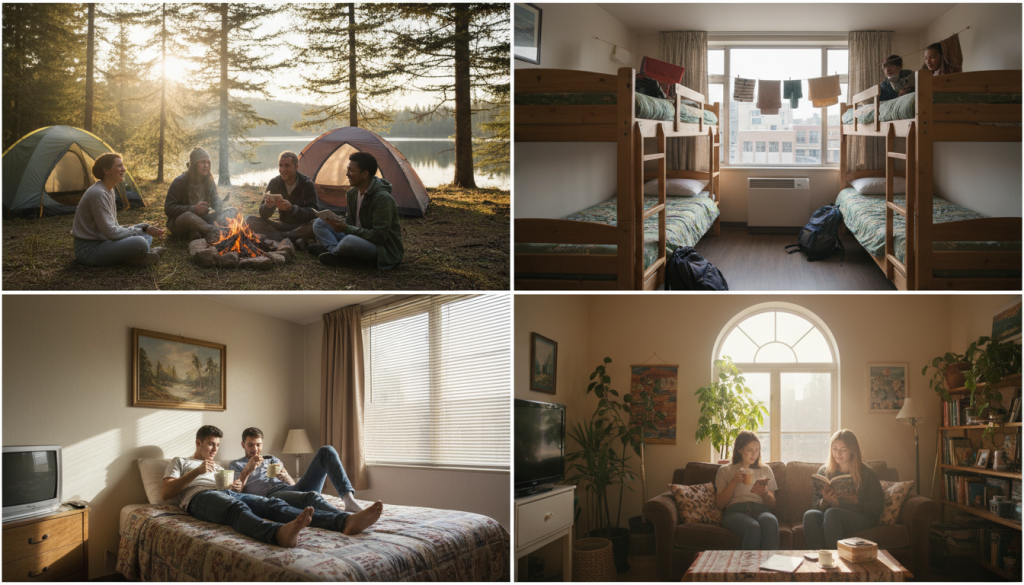
Accommodation Booking Timeline
For summer travel, book national park campsites 3-6 months in advance, popular city hostels 1-2 months ahead, and keep motel bookings flexible for spontaneous route changes.
Packing Essentials: From Camp to Road
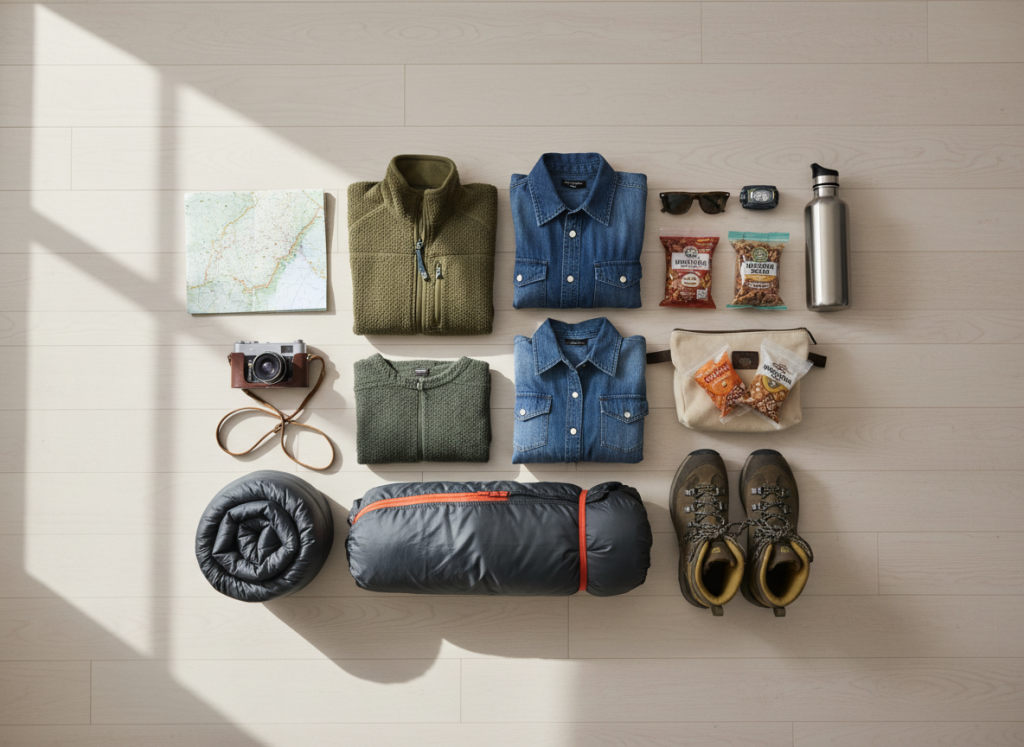
Transitioning from camp life to road trip adventurer requires thoughtful packing. You’ll need to adapt your camp gear while adding road-specific essentials.
Camp Gear to Repurpose
- Sleeping bag: Perfect for camping or as an emergency blanket
- Headlamp/flashlight: Essential for nighttime camp setups
- Water bottle: Stay hydrated on long drives
- Day pack: Ideal for hiking and city exploration
- Quick-dry towel: Compact and versatile for beaches and showers
- First aid kit: Augment with road trip specifics
- Portable charger: Keep devices powered during long drives
- Camping cookware: If planning to cook at campsites
Road Trip Specific Additions
Vehicle Essentials
- Road atlas (backup for digital navigation)
- Phone mount for navigation
- Car charger/adapter
- Emergency roadside kit
- Sunshade for hot climates
Comfort & Convenience
- Travel pillow for passengers
- Cooler for drinks and snacks
- Reusable shopping bags
- Wet wipes and hand sanitizer
- Travel laundry kit
Technology
- Offline maps downloaded
- External hard drive for photos
- Portable WiFi/hotspot device
- Bluetooth speaker
- Camera and accessories
“Pack for versatility rather than every possible scenario. You can always pick up items along the way, and having a less cluttered vehicle makes the journey more enjoyable.”
Packing Don’ts
Avoid overpacking with too many outfit options, bulky items that consume space, or valuables that you’d be devastated to lose. Remember that laundromats are widely available throughout the US.
Staying Safe and Connected on the Road
After the structured environment of camp, hitting the open road requires a different approach to safety and well-being. These strategies will help ensure your post camp travel USA road trip remains a positive experience.
Road Safety Essentials
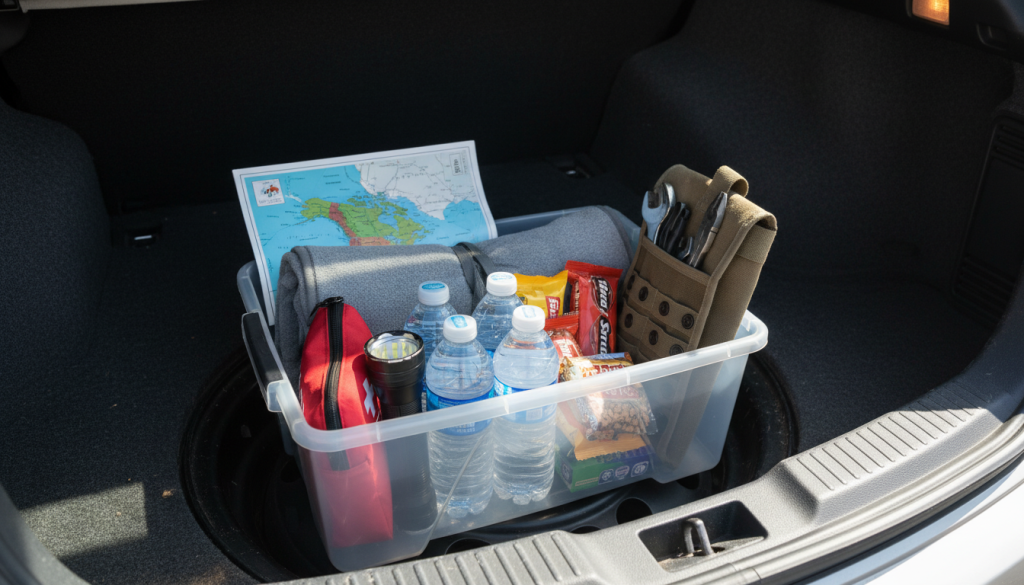
Vehicle Safety
- Learn basic car maintenance (changing a tire, checking fluids)
- Keep emergency supplies (water, snacks, blanket)
- Have roadside assistance contact information readily available
- Never leave valuables visible in parked vehicles
- Regularly check tire pressure and fluid levels
Personal Safety
- Share your itinerary with trusted friends or family
- Use location sharing apps with travel companions
- Research areas before arrival, especially for night driving
- Keep a physical copy of important contacts and documents
- Trust your instincts about places and situations
Staying Connected
Maintaining connections while on the road helps with both safety and combating loneliness during your journey:
Communication
- Get a US SIM card or phone plan with good coverage
- Download offline maps for remote areas
- Identify WiFi hotspots along your route (libraries, cafes)
- Schedule regular check-ins with family/friends
Community
- Connect with other camp staff who are traveling
- Use travel apps to meet other travelers
- Join guided tours for social interaction
- Participate in hostel activities and events
Health & Wellness
- Maintain a regular sleep schedule when possible
- Stay hydrated, especially in hot regions
- Take breaks from driving every 2 hours
- Know how to access healthcare if needed
Travel Insurance Reminder
Ensure your travel insurance covers your entire post-camp travel period, including medical emergencies, trip interruptions, and rental car incidents. Check with us on the details for your insurance.
Must-See Destinations for Post-Camp Travelers
With limited time after camp ends, prioritizing destinations becomes essential. These locations offer exceptional experiences that align well with the interests and budgets of post-camp travelers.
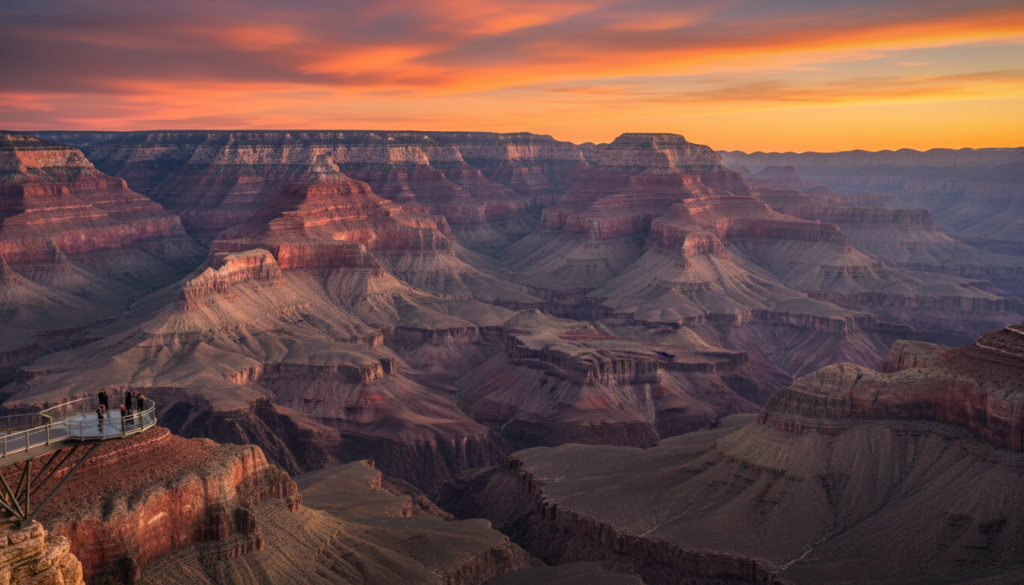
Grand Canyon National Park
This natural wonder offers breathtaking vistas that photos simply can’t capture. The South Rim is more accessible, while the North Rim provides a more secluded experience.
- Don’t Miss: Sunrise at Mather Point, hiking a portion of Bright Angel Trail
- Budget Tip: Camp at nearby national forest sites for lower fees than in-park accommodation
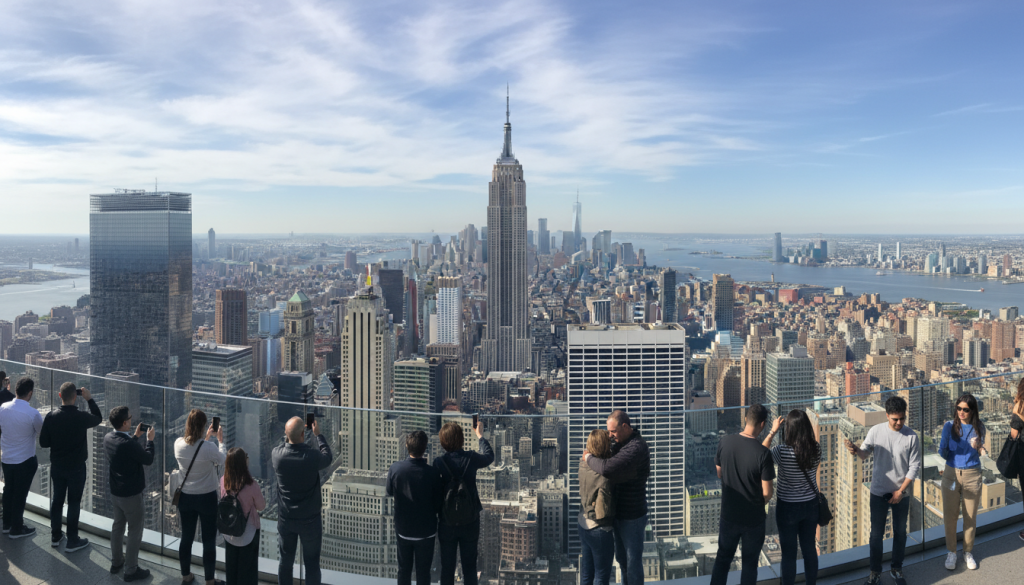
New York City
The ultimate urban adventure with world-class museums, diverse neighborhoods, and iconic landmarks. Perfect for camp counselors in the Northeast looking to start or end their journey.
- Don’t Miss: Central Park, walking the High Line, exploring diverse neighborhoods
- Budget Tip: Use the 7-day unlimited MetroCard and take advantage of free museum days
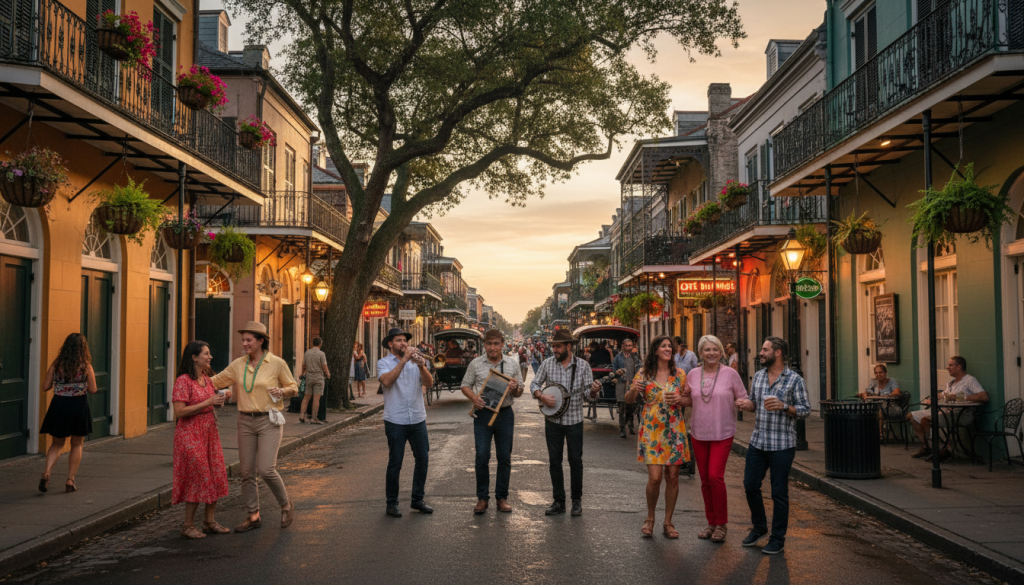
New Orleans
Experience the unique blend of cultures, music, and cuisine that makes this city unlike anywhere else in America. The French Quarter offers historic architecture and lively entertainment.
- Don’t Miss: Live jazz on Frenchmen Street, beignets at Café du Monde, Garden District walking tour
- Budget Tip: Many music venues have no cover charge; explore during weekdays for lower accommodation rates
Hidden Gems Worth Discovering
Beyond the iconic destinations, these lesser-known spots offer authentic experiences without the crowds:
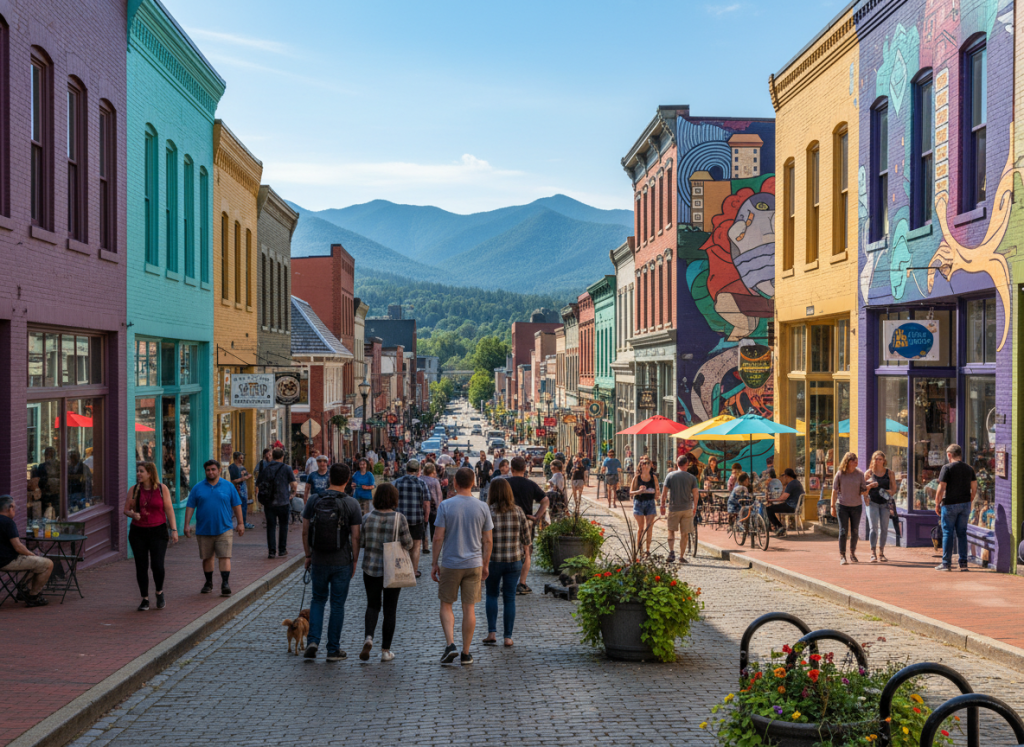
Asheville, North Carolina
This vibrant mountain town offers a perfect blend of outdoor adventure, arts, and incredible food. The nearby Blue Ridge Parkway provides stunning scenic drives.
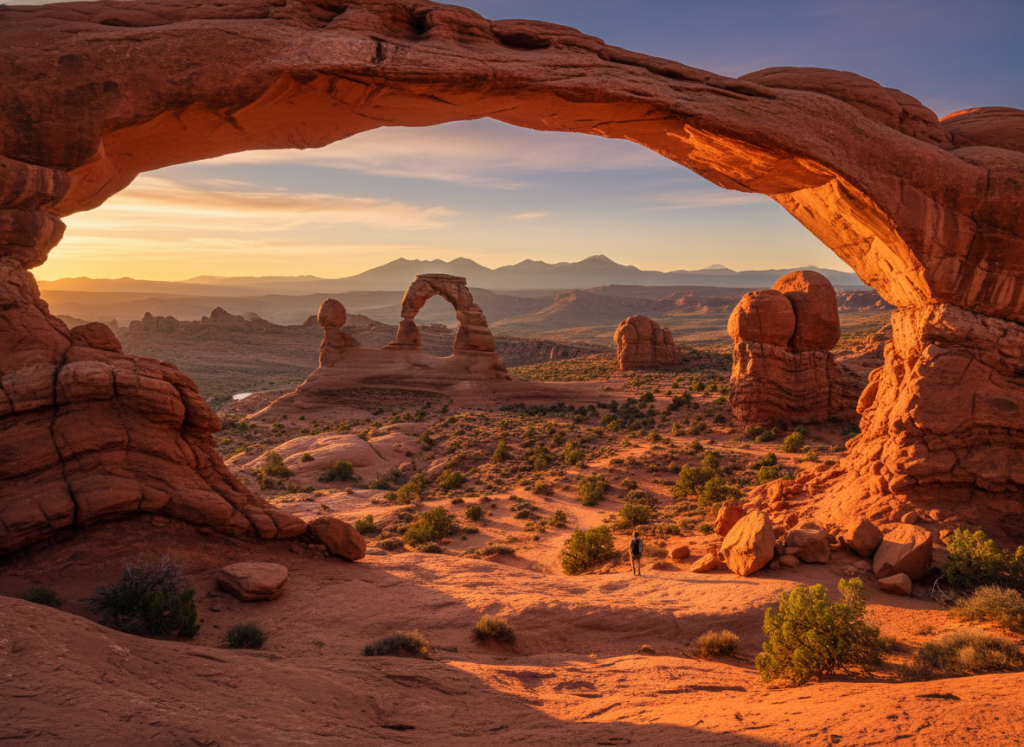
Moab, Utah
The gateway to Arches and Canyonlands National Parks offers world-class hiking, mountain biking, and some of the most unique landscapes in America.
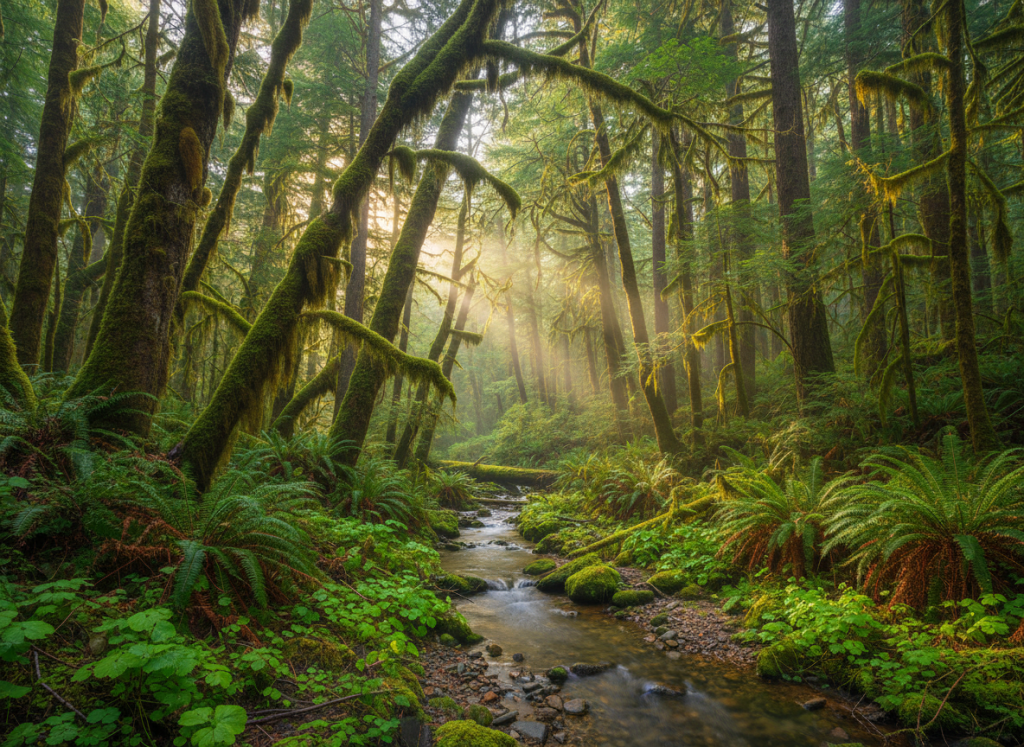
Olympic National Park
Experience three ecosystems in one park: mountains, rainforest, and coastline. This diverse landscape in Washington state offers incredible hiking and wildlife viewing.
Unique Experiences to Enhance Your Post Camp Travel USA Road Trip
Beyond simply visiting places, these experiences will deepen your connection to American culture and create lasting memories of your post-camp journey.
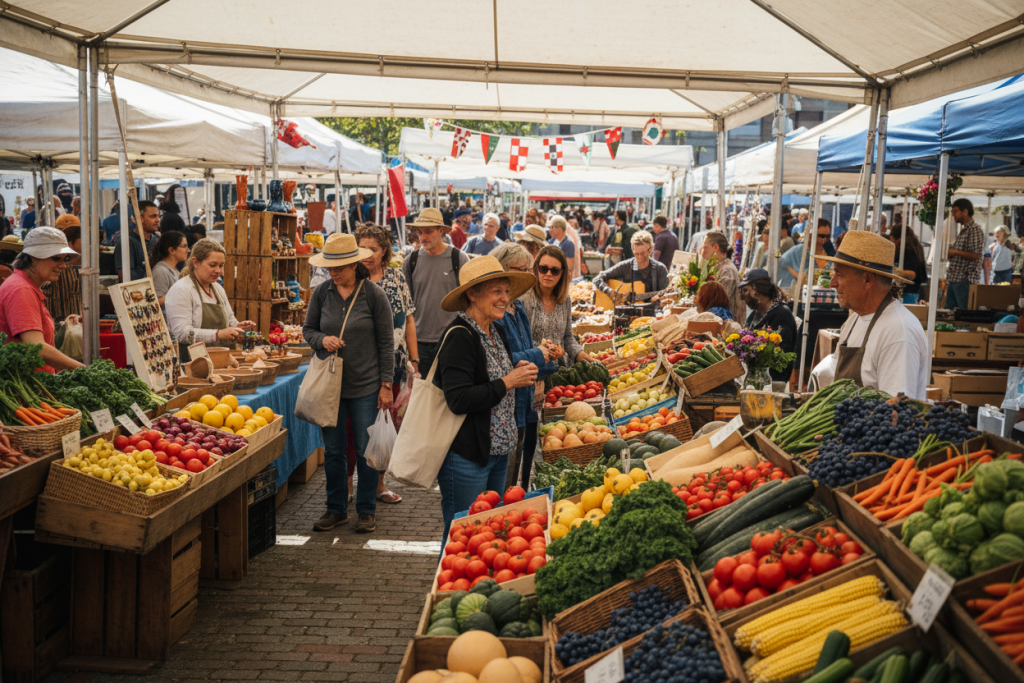
Culinary Adventures
- Visit regional food festivals happening during your travel dates
- Take a food tour in cities known for their cuisine (New Orleans, Portland)
- Explore local farmers markets for fresh, affordable produce
- Try iconic regional dishes: lobster rolls in Maine, BBQ in Texas, deep dish pizza in Chicago
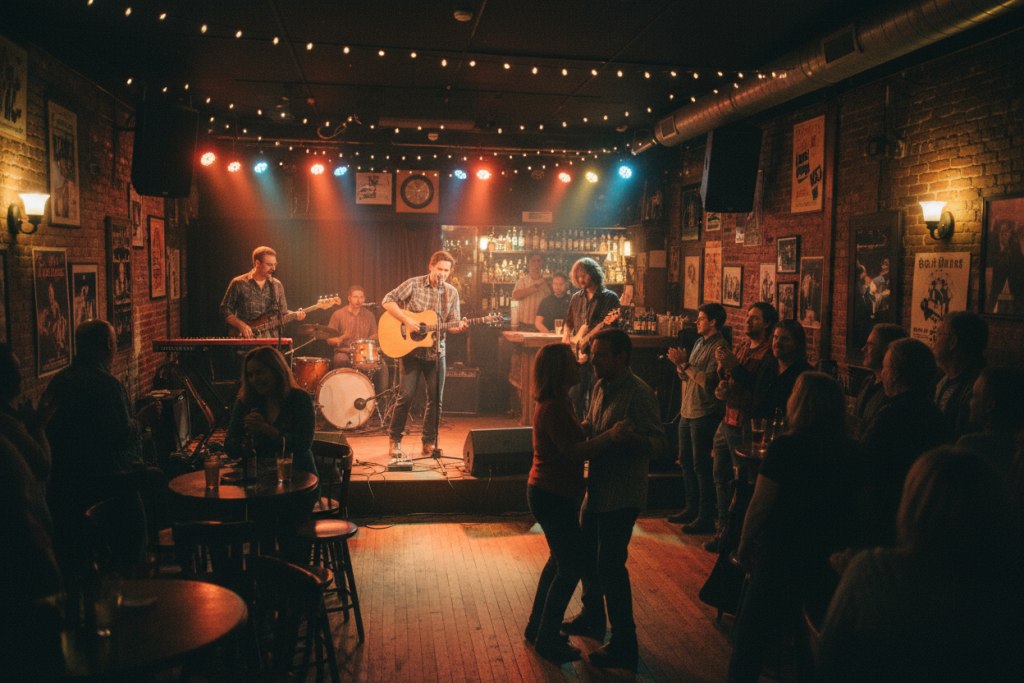
Cultural Immersion
- Attend local music performances in Nashville, Austin, or New Orleans
- Visit tribal lands and cultural centers to learn about Native American history
- Explore museums focusing on civil rights history in Atlanta or Memphis
- Participate in local festivals or community events along your route
Outdoor Adventures
Put your camp skills to use with these memorable outdoor experiences:
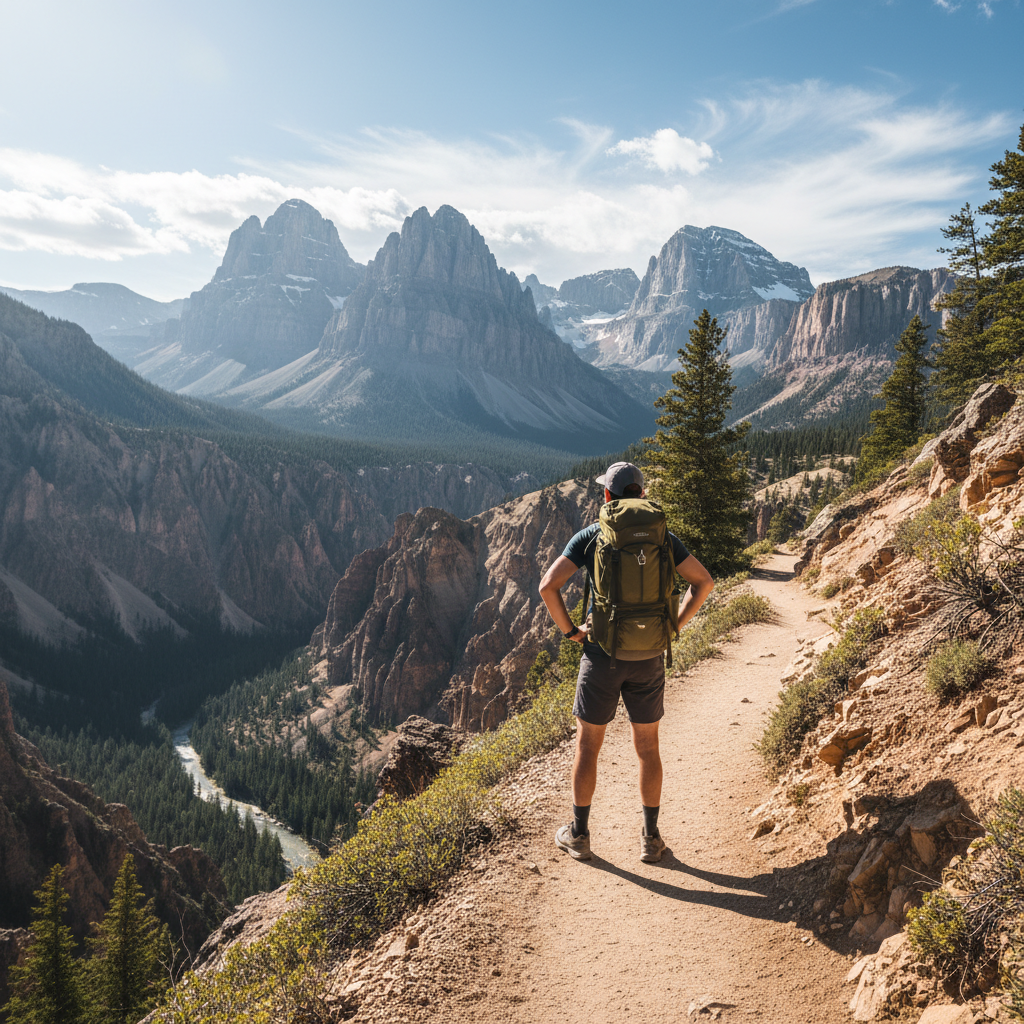
Hiking & Backpacking
From day hikes to overnight backpacking trips, America’s trails offer incredible diversity. The Appalachian Trail, Pacific Crest Trail, and countless national park routes await.
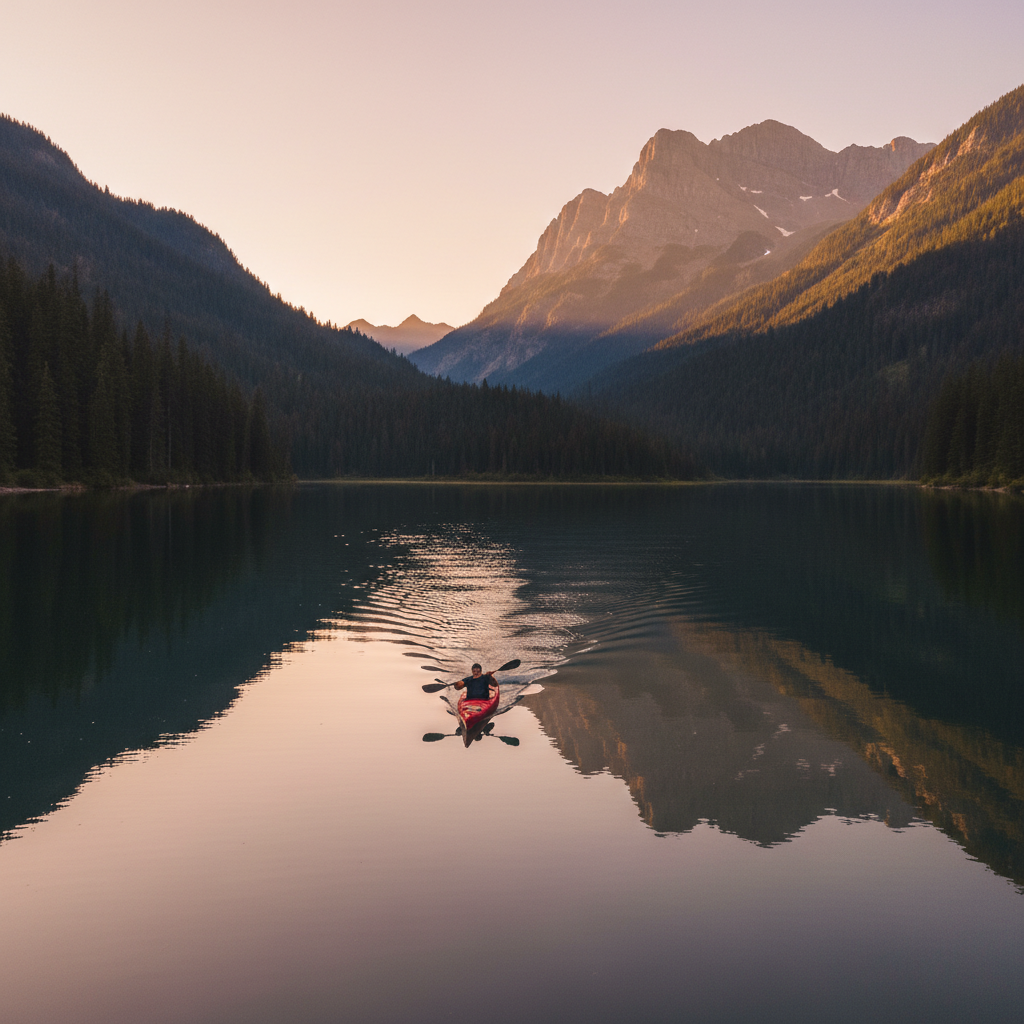
Water Adventures
Rent kayaks, try stand-up paddleboarding, or book a white water rafting trip. America’s lakes, rivers, and coastlines offer endless opportunities for water exploration.
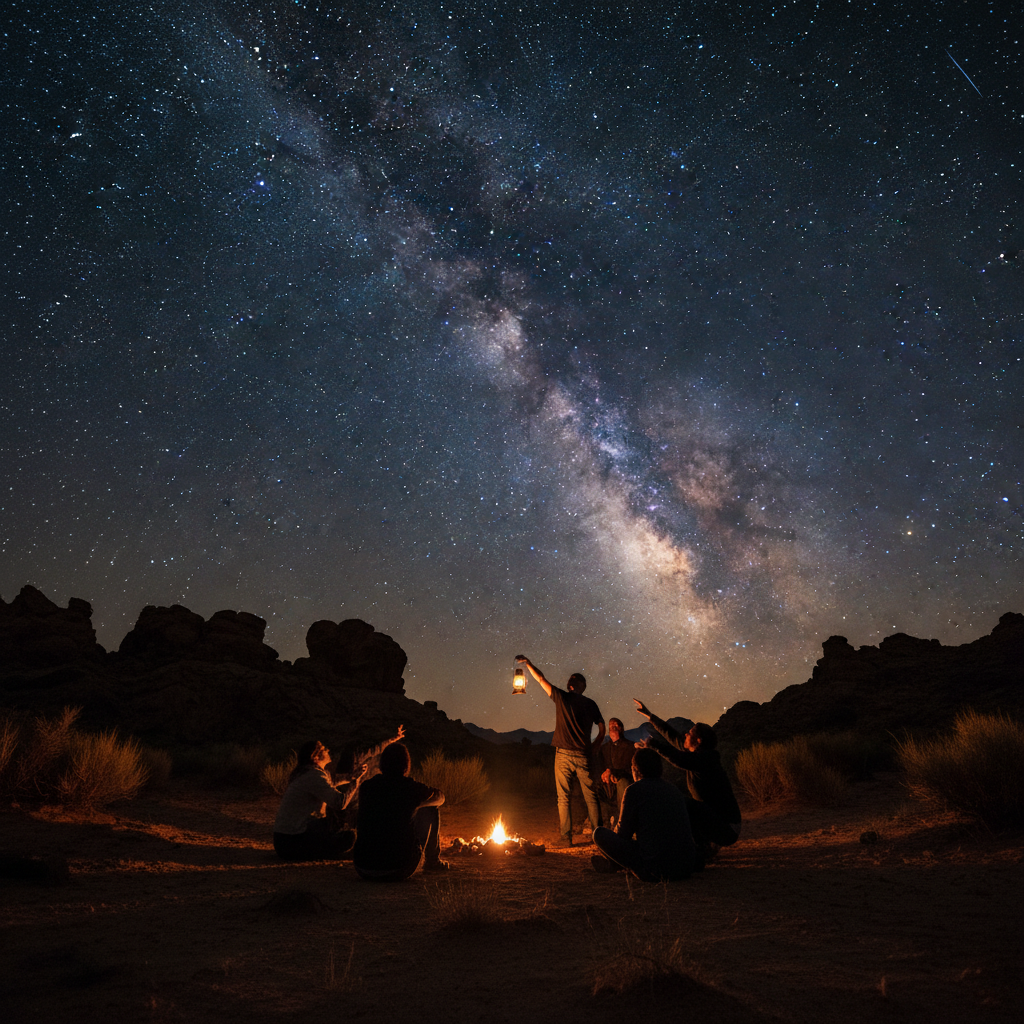
Stargazing
Visit designated Dark Sky Parks like Natural Bridges in Utah or Cherry Springs in Pennsylvania to experience truly spectacular night skies far from light pollution.
“The most memorable road trips aren’t just about the places you visit, but the unexpected moments and connections you make along the way. Say yes to detours, talk to locals, and be open to changing your plans when something interesting presents itself.”
Documenting Your Post Camp Travel USA Road Trip
After a summer of creating memories at camp, your road trip offers new opportunities for creative documentation and reflection.
Creative Documentation Ideas
- Travel Journal: Record daily experiences, conversations with locals, and personal reflections
- Photography Project: Create a themed photo series (state welcome signs, sunrise in different locations)
- Video Diary: Capture short clips to compile into a road trip highlight reel
- Audio Recordings: Record ambient sounds from different locations or interviews with people you meet
- Collection: Gather small mementos like national park stamps, local postcards, or pressed pennies
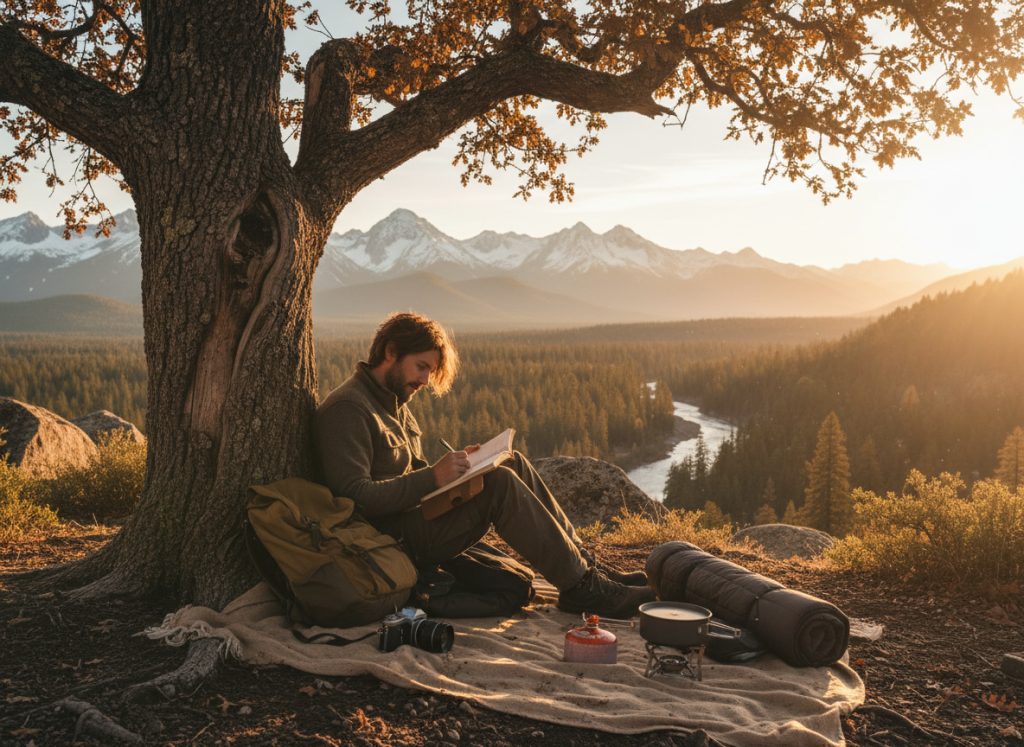
Documenting your journey helps process experiences and creates lasting mementos of your adventure. Consider how your documentation might also help future camp counselors plan their own post-camp travels.
Sharing Your Journey
Consider creating a dedicated Instagram account or blog to share your adventures with fellow camp staff, friends, and family. This can also serve as a resource for future camp counselors planning their own post-camp road trips.
Embracing the Journey: From Camp to Open Road
As your summer at camp comes to a close, the open road beckons with promise. Your post camp travel USA road trip represents more than just sightseeing—it’s an opportunity to apply the independence, adaptability, and community-building skills you’ve honed as a camp counselor to a new kind of adventure.
The transition from the structured environment of camp to the freedom of the road mirrors the personal growth many experience during their time in America. You’ve guided campers through their summer journey; now it’s time to guide yourself through an exploration of America’s diverse landscapes, cultures, and communities.
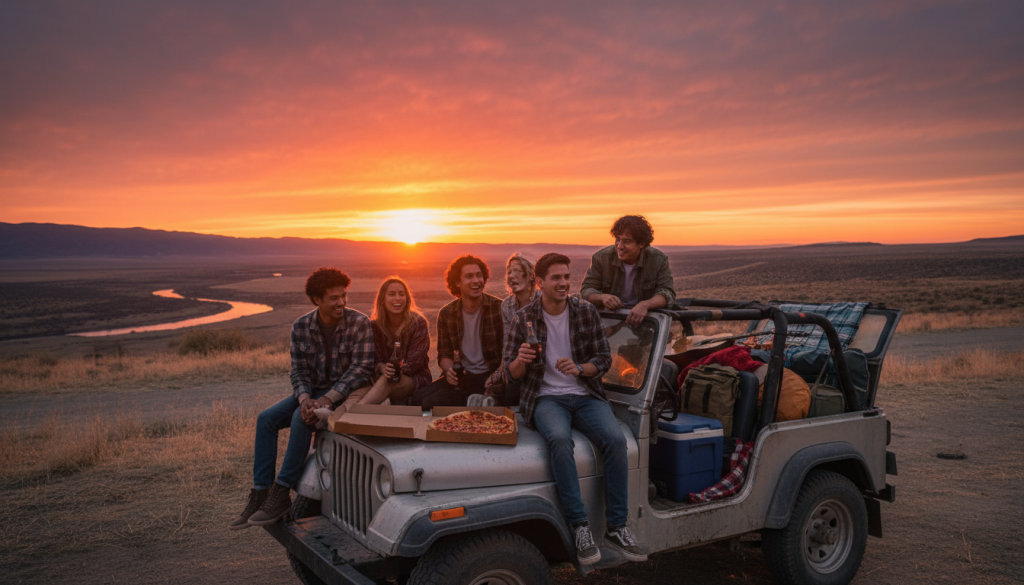
Whether you’re heading back home after your road trip or continuing on to new adventures, the memories and experiences from both camp and your travels will become part of who you are. The friendships formed, challenges overcome, and moments of wonder experienced will stay with you long after your visa expires.
Ready for Your Own American Adventure?
Apply now for next summer’s camp positions and start planning your ultimate post-camp road trip!
“The end of Summer camp isn’t the end of your American adventure, it’s just the beginning of a new chapter. The road is calling, and now you have the freedom to answer.”
Carlos, Camp New York Spain.