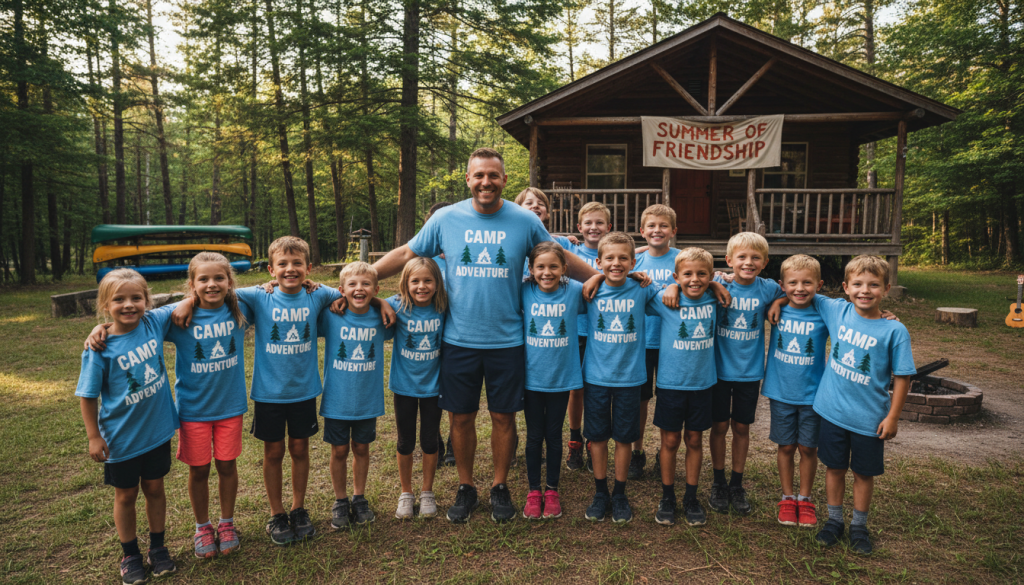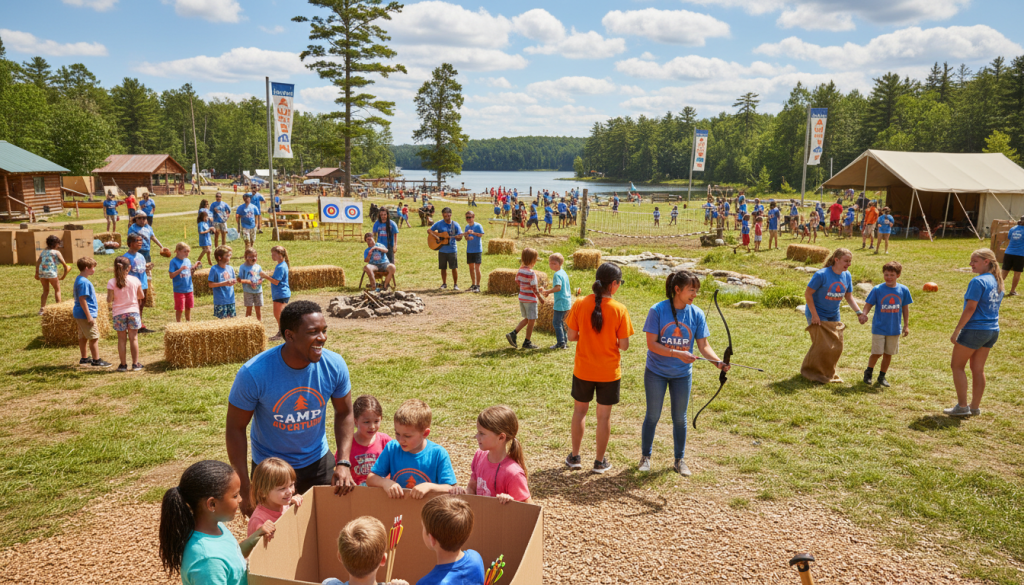
A summer camp vacancy represents more than just a seasonal job. It offers a unique opportunity to grow as a leader, build lifelong skills, and create unforgettable memories. Whether you’re a college student seeking meaningful summer employment or a gap-year candidate looking for adventure, camp counselor positions provide valuable experience that enhances your resume.
Summer camps across the United States welcome enthusiastic individuals ready to make a difference. These positions require dedication, creativity, and a genuine love for working with young people. From leading outdoor activities to teaching specialized skills, camp staff play a vital role in shaping positive childhood experiences.
Camp New York stands out as an exceptional destination for those seeking a rewarding summer camp staff vacancy. Our program combines professional development with adventure, offering comprehensive training and support throughout your employment. You’ll join a community of passionate counselors dedicated to creating a safe, fun environment where campers thrive.
What Is a Summer Camp Vacancy?
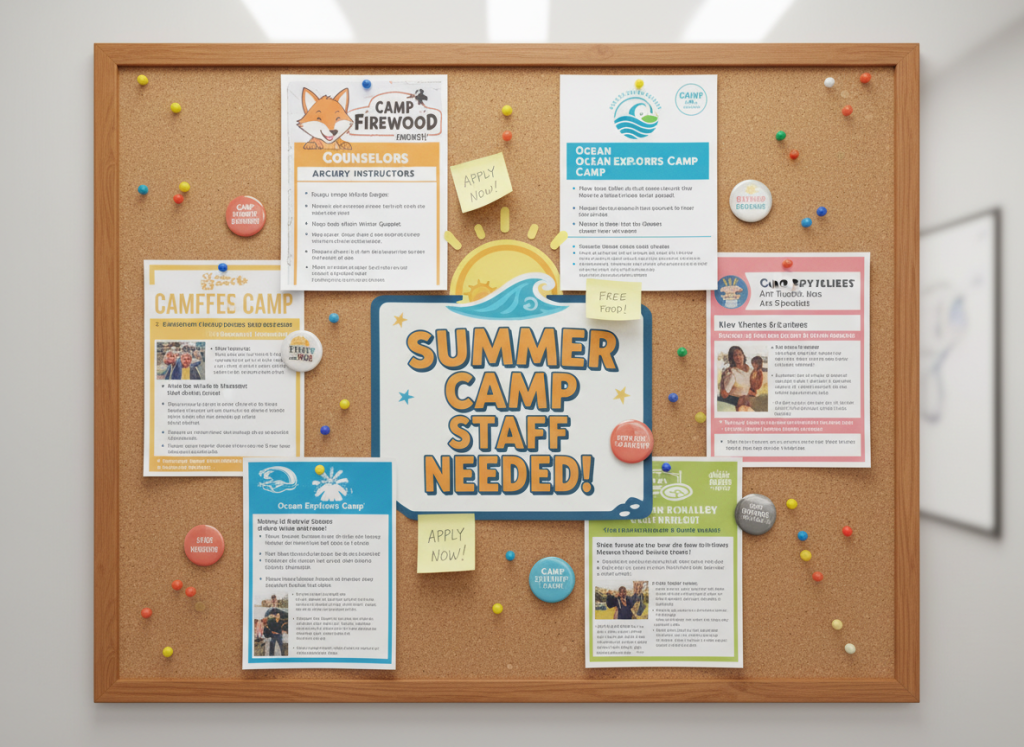
A summer camp vacancy refers to an open position at a residential or day camp operating during summer months. These seasonal roles typically run from June through August, though some camps extend their programs into early September. Camp vacancies encompass diverse responsibilities, from direct camper supervision to specialized instruction in activities like swimming, arts, or sports.
Most summer camp positions operate on a full-time basis, requiring staff to commit to the entire camp session. This immersive experience allows counselors to fully engage with campers and develop meaningful relationships. The time commitment varies by camp, with some programs lasting six weeks while others extend to ten weeks or more.
Summer camp vacancies attract candidates from varied backgrounds. High school graduates often pursue these roles before starting college. University students fill positions during their summer break. International applicants seek cultural exchange opportunities through camp employment. Gap-year candidates find camps provide structure and purpose while exploring career interests.
Residential Camp Positions
Residential camps require staff to live on-site throughout the summer. Counselors share cabins with campers, providing 24-hour supervision and support. These positions offer complete immersion in camp life, creating strong bonds within the camp community. Room and board typically come included as part of the compensation package.
Day Camp Positions
Day camps operate during daytime hours, with campers returning home each evening. Staff work regular daily schedules, usually from early morning through late afternoon. These positions suit candidates who prefer maintaining separate personal time while still gaining valuable camp counselor experience. Day camps often employ both full-time and part-time staff.
The application process for summer camp vacancies begins months before camp starts. Many organizations post positions in autumn for the following summer. Early applicants often receive priority consideration. The hiring timeline allows camps to build complete staff rosters and provide adequate training before campers arrive.
Types of Summer Camp Vacancies Available
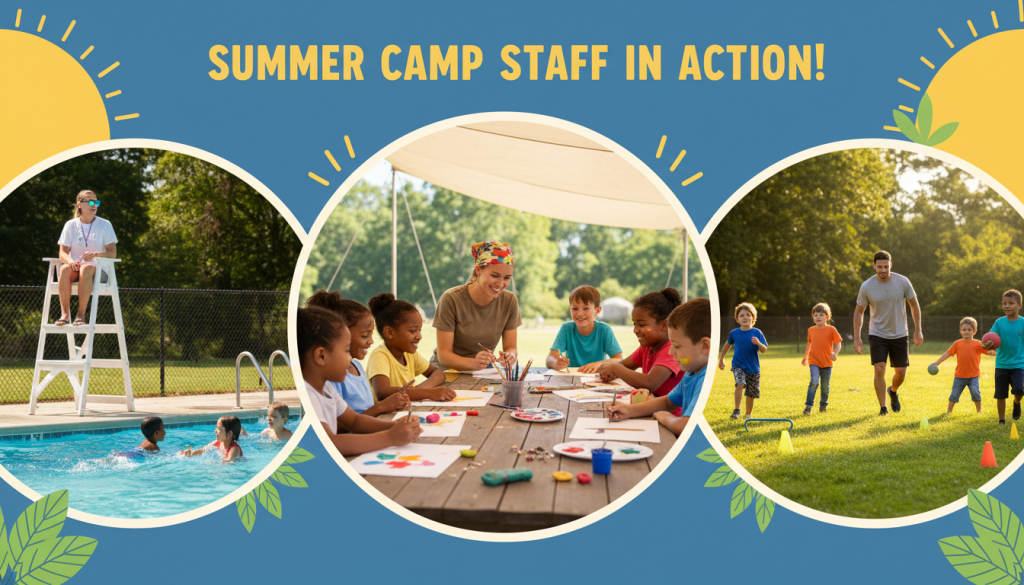
Summer camps employ diverse staff to meet varied program needs. Each position carries unique responsibilities and requires specific skills. Understanding these different roles helps you identify which summer camp vacancy aligns with your strengths and interests. Camp New York offers multiple position types, ensuring opportunities for candidates with different backgrounds and abilities.
Camp Counselor Positions
Camp counselor roles form the foundation of any summer program. These positions involve direct supervision of camper groups, typically organized by age. Counselors lead daily activities, ensure camper safety, and foster positive social interactions. The job requires patience, energy, and strong communication skills.
Most camp counselor positions demand no prior experience, though camps value enthusiasm and maturity. A high school diploma represents the minimum education requirement for many programs. Counselors work long hours but experience tremendous personal growth. The role develops leadership abilities while providing opportunities to mentor young people during formative experiences.
Cabin counselors live with their assigned camper group in residential settings. They manage morning routines, facilitate evening activities, and provide emotional support. This intensive role builds deep connections with campers while teaching responsibility and conflict resolution skills. Many former campers return as counselors, having experienced the transformative power of camp themselves.
Activity Specialist and Instructor Roles
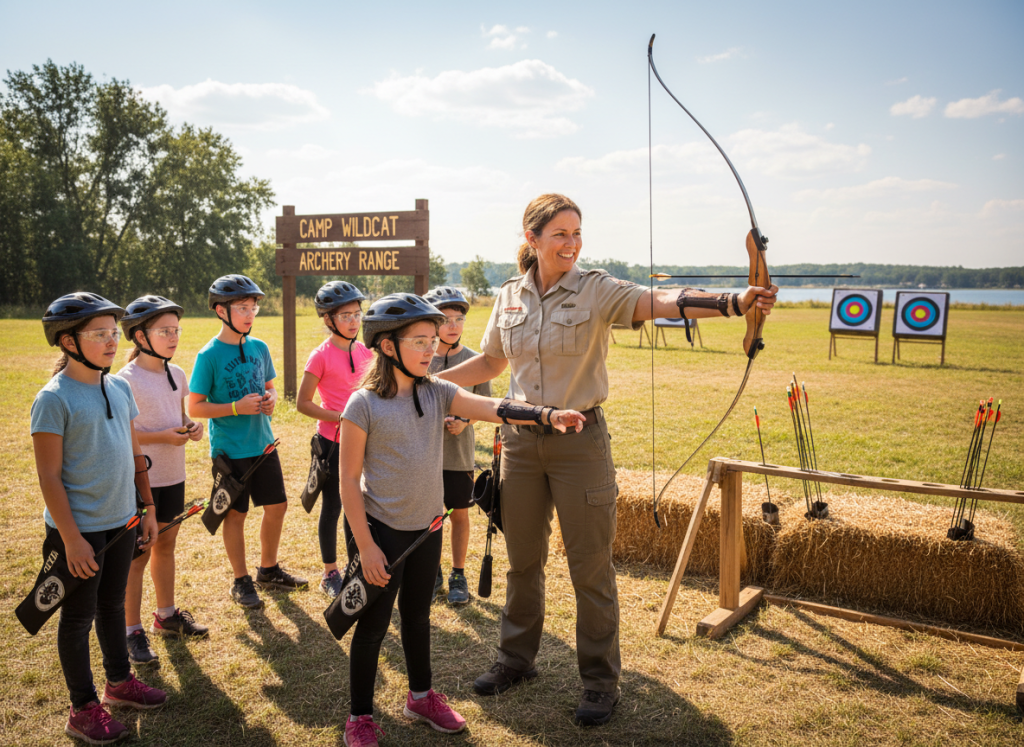
Activity specialists bring expertise in particular areas to enhance camp programming. These positions include arts and crafts instructors, sports coaches, drama teachers, and music leaders. Camps seek candidates with demonstrated skills or certifications in their specialty area. The role allows you to share your passion while developing instructional abilities.
Ropes course facilitators and adventure education specialists guide campers through challenging outdoor experiences. These positions often require specific training in safety protocols and risk management. Challenge course instructors help participants build confidence while ensuring proper equipment use. The role combines physical activity with emotional support as campers push beyond comfort zones.
Technology and STEM instructors introduce campers to coding, robotics, and scientific exploration. These relatively new camp positions reflect evolving program offerings. Camps value candidates who can make complex concepts accessible and engaging for young learners. The position provides experience in informal education settings that complement traditional classroom teaching.
Lifeguard and Waterfront Staff
Waterfront positions carry significant responsibility for camper safety during swimming and boating activities. Lifeguards must maintain current certifications in CPR and first aid. Many camps require American Red Cross Lifeguard certification or equivalent credentials. The position demands constant vigilance combined with the ability to respond quickly in emergency situations.
Swimming instructors teach water safety and stroke techniques to campers at various skill levels. These roles require patience and clear communication to help anxious swimmers gain confidence. Waterfront directors oversee entire aquatics programs, managing multiple staff members and maintaining safety standards. These leadership positions suit experienced lifeguards ready for increased responsibility.
Boating specialists lead canoeing, kayaking, and sailing instruction. Certifications in specific watercraft enhance candidacy for these positions. Staff teach proper paddling techniques, water safety, and environmental awareness. The role combines outdoor education with physical activity, appealing to candidates who love water sports and teaching.
Counselor in Training (CIT) Programs
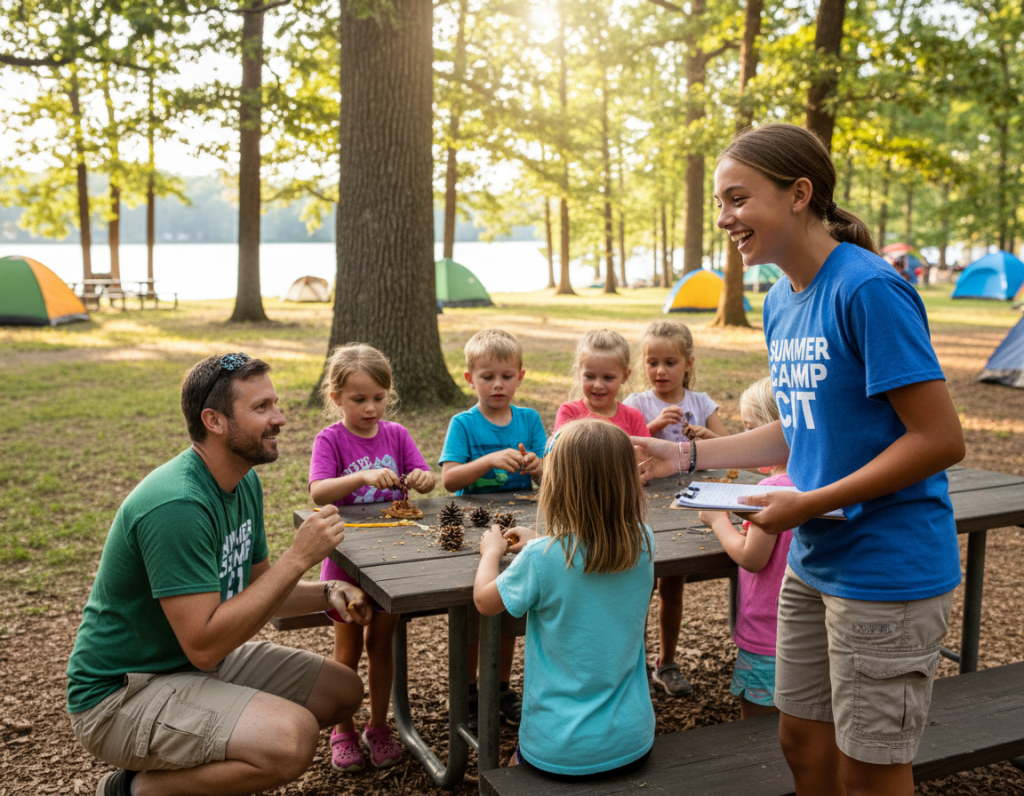
CIT programs bridge the gap between being a camper and becoming a staff member. These positions accept candidates as young as fifteen or sixteen, depending on camp policy. Participants receive leadership training while assisting experienced counselors. The program provides structured skill development in a supportive environment.
CIT roles typically involve fewer direct supervision responsibilities than full counselor positions. Trainees observe veteran staff, lead specific activities under supervision, and gradually take on more autonomy. Many camps offer these positions at reduced pay or as volunteer opportunities with the understanding that participants gain valuable experience and training.
Successful CIT program completion often leads to paid counselor positions in subsequent summers. The training provides excellent preparation for future camp employment. Participants develop organizational skills, learn behavior management techniques, and build confidence in their leadership abilities. The position serves as an ideal entry point for those interested in camp counselor careers.
Support Staff and Specialized Roles
Kitchen staff, maintenance workers, and administrative personnel keep camps running smoothly behind the scenes. These positions offer alternatives for those who prefer not to work directly with campers while still contributing to the camp community. Support roles often have more predictable schedules than counselor positions.
Camp nurses and health center staff provide medical care and manage camper medications. These positions require current nursing licenses or EMT certifications. Health staff handle everything from minor injuries to serious medical situations. The role demands clinical skills combined with a calm, reassuring presence that puts anxious campers at ease.
Program directors, assistant directors, and administrative coordinators manage overall camp operations. These leadership positions typically require previous camp experience and demonstrated organizational abilities. Directors handle staff supervision, parent communication, and crisis management. The roles provide excellent experience for those pursuing careers in education, recreation management, or nonprofit administration.
Benefits of Working in a Summer Camp Vacancy
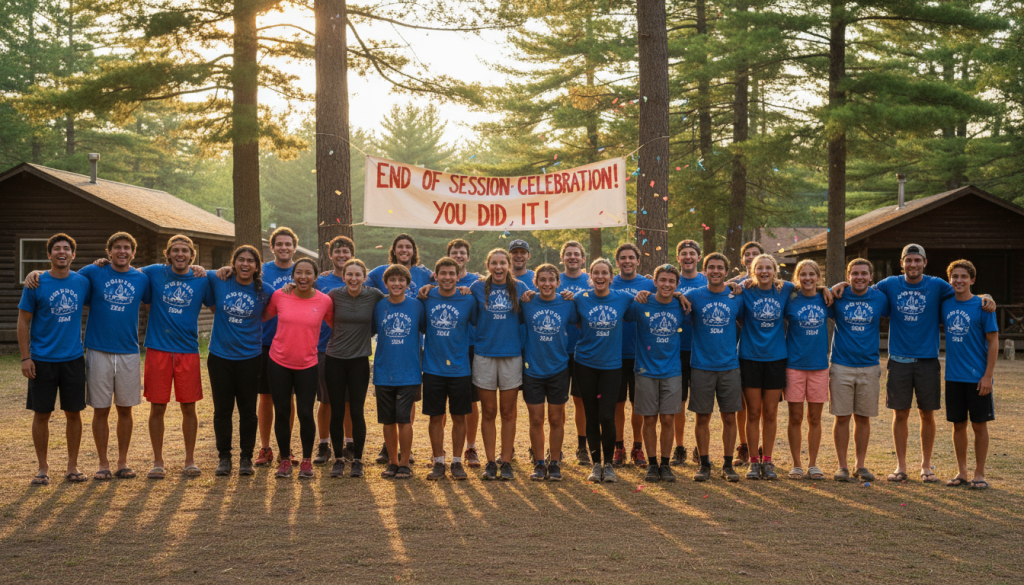
Accepting a summer camp vacancy delivers benefits extending far beyond the paycheck. Camp employment transforms participants personally and professionally. The experience builds character, develops skills, and creates memories lasting a lifetime. Understanding these advantages helps you appreciate the true value of summer camp positions.
Leadership and Personal Development
Camp counselor positions thrust you into leadership roles from day one. You make decisions affecting camper experiences and safety. This responsibility accelerates maturity and builds confidence. Many counselors report dramatic personal growth over a single summer season.
Problem-solving skills develop rapidly in camp settings. Unexpected situations arise daily, from homesick campers to sudden weather changes. You learn to think quickly, adapt plans, and remain calm under pressure. These abilities translate directly to future career challenges and life situations.
Working at summer camp teaches emotional intelligence and empathy. You recognize different personality types, understand varied communication styles, and navigate complex group dynamics. The experience enhances your ability to connect with people from diverse backgrounds. Employers highly value these interpersonal skills across industries.
Skills Developed at Camp
- Communication and active listening
- Conflict resolution and mediation
- Team collaboration and cooperation
- Time management and organization
- Flexibility and adaptability
- Creative problem solving
- Public speaking and presentation
- Crisis management and quick thinking
Character Qualities Enhanced
- Patience and understanding
- Resilience and perseverance
- Responsibility and accountability
- Enthusiasm and positive attitude
- Empathy and compassion
- Confidence and self-assurance
- Cultural awareness and sensitivity
- Work ethic and dedication
Career and Resume Building

Summer camp experience significantly strengthens resumes and job applications. Employers across fields recognize the demanding nature of camp work. The position demonstrates initiative, maturity, and the ability to handle responsibility. Graduate school admissions committees also view camp employment favorably when evaluating candidates.
Teaching, education, and social work programs particularly value camp counselor experience. The role provides practical experience working with children and adolescents. You gain insight into child development, behavior management, and educational programming. This background gives you advantages when pursuing degrees or careers in helping professions.
Business and corporate employers appreciate leadership skills developed through camp work. Managing groups, solving problems, and working on teams directly parallel workplace requirements. Camp staff demonstrate ability to work long hours, maintain positive attitudes, and collaborate effectively with colleagues toward shared goals.
The reference letters and professional connections gained through camp employment prove invaluable. Camp directors and experienced staff provide strong recommendations based on observing your work ethic and character. These references carry weight because they describe your performance in challenging, real-world situations requiring maturity and responsibility.
Cultural Exchange and Travel Opportunities
International applicants find summer camp positions offer immersive American cultural experiences. You practice English daily in authentic contexts. Camp staff and campers represent diverse backgrounds, exposing you to regional variations in culture, dialect, and customs. The experience broadens perspectives and builds cross-cultural competence.
Many camps organize staff travel days or offer time off to explore surrounding areas. You might visit nearby cities, natural landmarks, or cultural attractions. These opportunities add vacation experiences to your summer employment. Counselors from other countries often extend their stay to travel after camp ends, exploring more of the United States.
The friendships formed at camp span the globe. You build relationships with staff from different states and countries. These connections often lead to future visits, international friendships, and expanded worldviews. Former camp staff maintain contact for years, creating networks of friends across continents.
Financial Benefits and Compensation
Summer camp positions provide steady income during months when traditional student jobs might be scarce. While compensation varies, many camps offer competitive wages. Entry-level counselor positions typically pay per hour or provide seasonal salaries. Specialized positions like lifeguards or activity instructors often command higher rates reflecting required certifications.
Residential camp positions include room and board as part of the compensation package. This arrangement eliminates living expenses during summer months. You save money that might otherwise go toward rent, utilities, and food. The financial benefit extends beyond the base salary, making positions more valuable than hourly rates initially suggest.
Some camps offer completion bonuses for staff who finish entire summer sessions. These incentives reward commitment and reduce mid-summer turnover. End-of-season bonuses can represent significant additional income. Returning staff often receive increased compensation reflecting their experience and proven reliability.
Fun, Adventure, and Lifelong Friendships

Summer camp offers daily adventures and unique experiences. You might lead wilderness hikes, perform in talent shows, or participate in traditional camp activities. The summer feels less like work and more like extended adventure. Even challenging days include moments of joy, laughter, and genuine fun.
The bonds formed between camp staff rival those of lifelong friends. You live and work together intensively throughout the summer. Shared experiences, inside jokes, and mutual support create deep connections. Many counselors maintain friendships with fellow staff members for decades after their camp summers end.
Camp traditions and rituals create shared memories that define your summer. From opening day celebrations to closing campfires, these experiences become stories you recount for years. The sense of belonging to something special, of contributing to traditions larger than yourself, provides meaning and purpose that transcends typical summer employment.
Ready to Build Your Future This Summer?
Camp New York provides the training, support, and community you need to succeed. Join hundreds of counselors who have transformed their summers into career-launching experiences. Applications for summer positions are now open.
Skills and Qualities for Summer Camp Vacancies

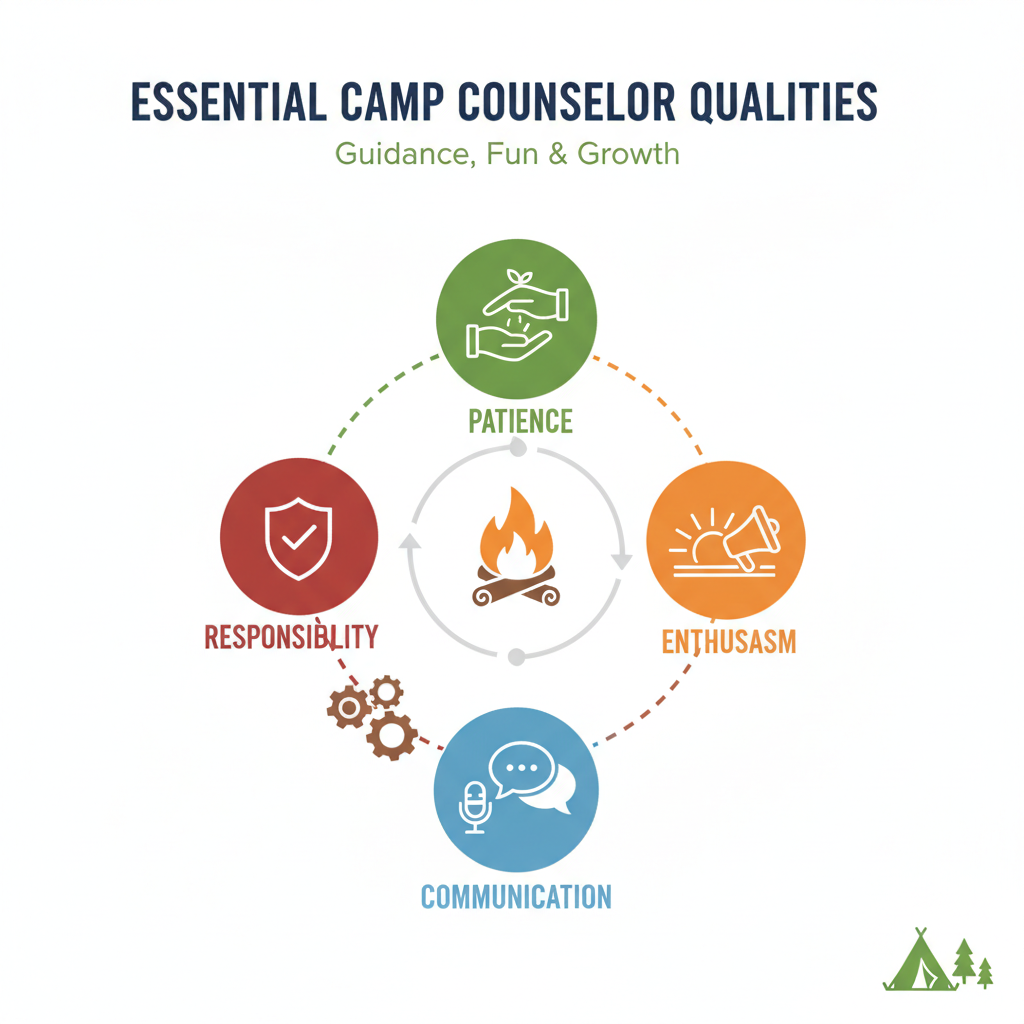
Successful camp counselors share certain characteristics and abilities. While specific positions require different technical skills, fundamental qualities remain consistent across roles. Understanding these expectations helps you assess your readiness and identify areas for development before applying for summer camp vacancies.
Responsibility and Dependability
Camp positions carry significant responsibility for camper safety and wellbeing. Parents trust staff to protect their children during vulnerable moments. You must consistently demonstrate reliability and sound judgment. Camps cannot function effectively without dependable staff who show up prepared and engaged every day.
Punctuality matters enormously in camp settings. Activities follow schedules, meals serve at specific times, and transitions require coordination. Late arrivals disrupt programming and place additional burden on colleagues. Camp staff must manage time effectively, anticipating needs and arriving ready to contribute.
Following policies and protocols protects both campers and staff. Camps establish rules governing behavior management, safety procedures, and emergency responses. Staff must understand and implement these guidelines consistently. Your willingness to adhere to established procedures demonstrates maturity and professionalism.
Enthusiasm and Positive Attitude
Energy and enthusiasm prove contagious in camp settings. Your excitement about activities encourages camper participation. Even when tired or facing challenges, maintaining upbeat demeanor helps create positive atmosphere. Counselors model attitudes they hope campers will adopt.
Camp work demands sustained energy over long days and weeks. Physical stamina helps you keep pace with active children. Mental resilience allows you to handle setbacks without becoming discouraged. Staff who maintain positive outlook despite difficulties inspire both campers and fellow counselors.
Creativity and willingness to participate fully enhance camp experiences. You might dress in costume for theme days, lead silly songs, or try activities outside your comfort zone. Enthusiasm for new experiences demonstrates growth mindset that encourages campers to take healthy risks.
Communication and Interpersonal Skills
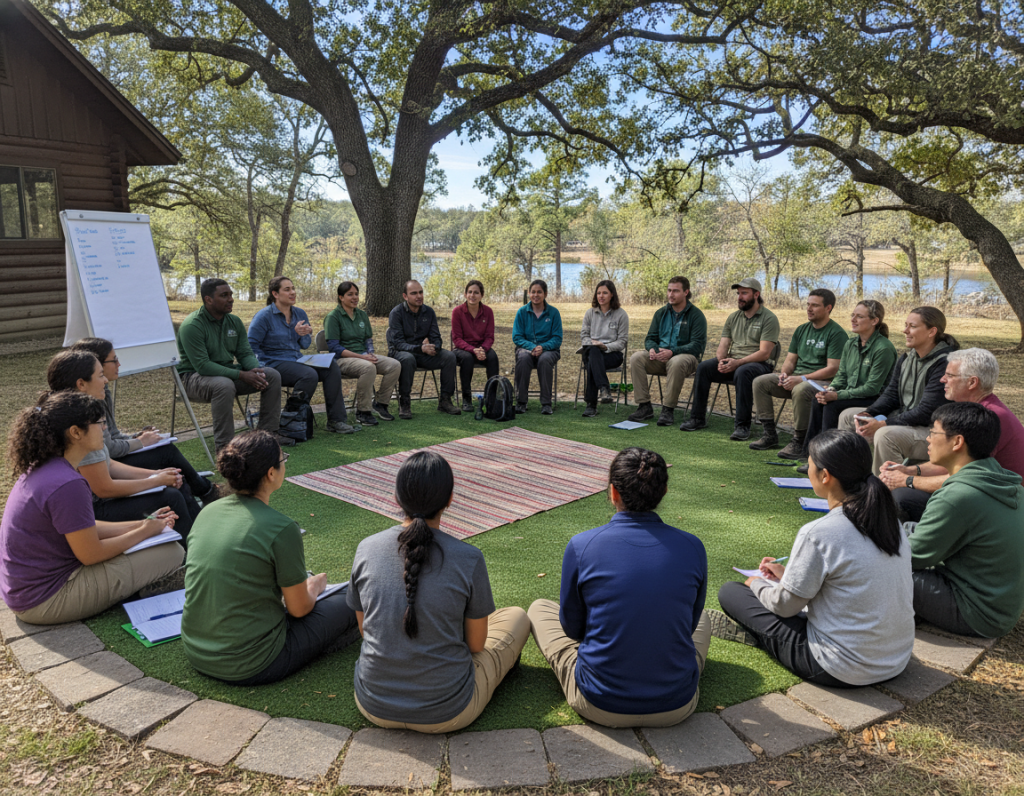
Clear communication prevents misunderstandings and ensures smooth operations. You must articulate instructions, explain expectations, and provide feedback effectively. Strong verbal skills help you connect with campers, collaborate with colleagues, and coordinate with supervisors. The ability to adjust communication style for different audiences proves essential.
Active listening skills demonstrate respect and build trust. Campers need to feel heard and understood. Staff who truly listen can identify underlying issues, recognize emotional needs, and respond appropriately. Attention to nonverbal cues helps you understand unspoken concerns or discomfort.
Conflict resolution abilities help navigate disagreements between campers or staff. You facilitate productive conversations, encourage perspective-taking, and guide parties toward mutually acceptable solutions. These mediation skills prove valuable in professional settings long after summer ends.
Patience and Understanding
Working with children requires tremendous patience. Campers test boundaries, struggle with homesickness, and sometimes resist activities. Staff must respond calmly and compassionately rather than reacting with frustration. Your ability to remain patient during challenging moments directly impacts camper experiences and program success.
Understanding developmental stages helps set appropriate expectations. Younger campers require different approaches than adolescents. Recognizing age-appropriate behaviors prevents unrealistic demands. Your awareness of individual differences allows you to support each camper effectively.
Empathy enables you to connect with campers experiencing difficulties. You remember feeling uncertain, scared, or disappointed. This perspective helps you provide comfort and encouragement. Compassionate responses build trust and help campers develop resilience.
Teamwork and Collaboration
Camp staff function as cohesive teams working toward shared goals. Successful programs require coordination between counselors, activity specialists, support staff, and leadership. You must communicate openly, share responsibilities, and support colleagues. Individual success matters far less than collective achievement.
Flexibility and willingness to help where needed strengthen team functioning. Sometimes you cover for sick colleagues, assist with unfamiliar activities, or adjust plans to accommodate unexpected changes. Staff who prioritize team needs over personal preferences contribute to positive work environments.
Respect for diverse perspectives and approaches enhances collaboration. Your fellow staff members bring different backgrounds, experiences, and ideas. Appreciating these differences rather than insisting on single approaches leads to better solutions and richer programming. The ability to work effectively with varied personality types proves essential.
Essential Skills Checklist
- Responsibility and accountability for camper safety
- Clear communication with children and adults
- Patience with diverse personalities and needs
- Enthusiasm for activities and daily programming
- Teamwork and collaborative problem-solving
- Flexibility and adaptability to changing situations
- First aid knowledge and emergency response
- Organization and time management abilities
Specialized Skills and Certifications
Certain positions require specific certifications or training. Lifeguards must maintain current credentials through recognized organizations. Wilderness trip leaders often need first aid and CPR certification. Activity specialists may require demonstrated competency in their area. These technical requirements ensure qualified staff lead specialized programming.
Teaching experience, though not required, enhances candidacy for many positions. Previous work with children demonstrates commitment and provides relevant background. Volunteer experience, babysitting, tutoring, or coaching all contribute valuable perspectives. Camp directors consider these experiences when evaluating applications.
A high school diploma represents the minimum education requirement for most camp counselor positions. Some specialized roles or leadership positions prefer candidates with college coursework or degrees. Education in child development, recreation, education, or related fields can strengthen applications for certain vacancies.
Why Camp New York Is a Great Summer Camp Vacancy Option
Camp New York’s camps stand apart from other summer camp vacancies through our commitment to staff development, community atmosphere, and exceptional program quality. Our camp provides ideal environment for counselors seeking meaningful summer experiences. The combination of professional growth opportunities and genuine fun creates unmatched work environment.
Comprehensive Training and Support
We invest significantly in staff training before campers arrive. New counselors receive multiple days of intensive preparation covering safety protocols, behavior management techniques, and activity instruction. This orientation ensures you feel confident and prepared when camp begins. Unlike programs that provide minimal training, we prioritize thorough staff development.
Experienced leadership provides ongoing support throughout the summer. Our directors maintain open-door policies and regular check-ins with staff. You never face challenges alone. When questions or concerns arise, accessible supervisors provide guidance and assistance. This supportive structure helps new counselors succeed while giving experienced staff opportunities to develop advanced skills.
Professional development opportunities extend beyond basic training. We offer workshops on topics like conflict resolution, inclusive programming, and outdoor education. Staff who demonstrate interest can pursue additional certifications in areas like challenge course facilitation or wilderness first aid. These learning opportunities enhance your skills while strengthening our program quality.
Positive Work Environment and Camp Culture
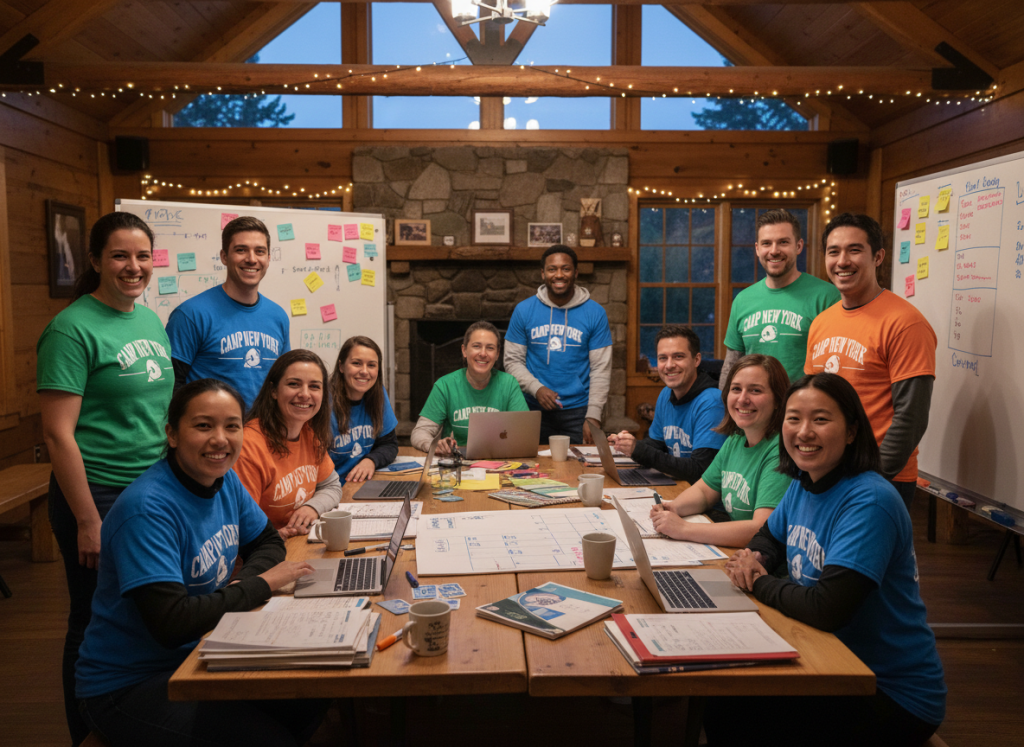
Camp New York cultivates inclusive community where staff feel valued and respected. We recognize that happy, supported counselors create better camper experiences. Our leadership prioritizes staff wellbeing alongside program excellence. This balanced approach prevents burnout while maintaining high standards.
Staff come from diverse backgrounds, creating rich multicultural environment. Counselors represent different states, countries, and life experiences. This diversity enhances learning for both staff and campers. You build friendships with people you might never otherwise meet, expanding your worldview through daily interactions.
We maintain reasonable staff-to-camper ratios that prevent overwhelming workloads. Adequate staffing levels mean you can focus on quality interactions rather than just managing large groups. Time off policies ensure regular breaks for rest and personal time. This balance between work and recovery helps staff maintain energy and enthusiasm throughout the summer.
Beautiful Location and Excellent Facilities
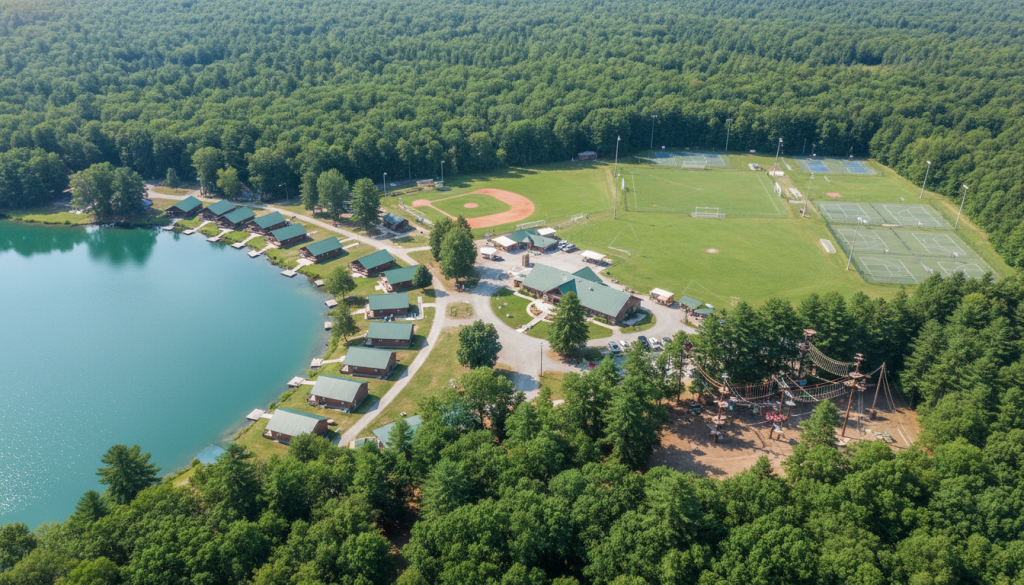
The camps that we work with occupy stunning natural setting with pristine lake, extensive forest, and well-maintained activity areas. The location provides ideal backdrop for outdoor programming while remaining accessible to nearby towns. Staff appreciate both the wilderness setting and proximity to conveniences during time off.
Modern facilities support diverse programming and comfortable living conditions. Our dining hall serves nutritious meals prepared by experienced kitchen staff. Cabins provide clean, safe housing for residential counselors. Activity areas include sports fields, arts studios, challenge course, waterfront, and specialized program spaces. These resources enable you to deliver high-quality experiences.
We continually invest in facility improvements and equipment updates. Unlike camps with aging infrastructure, we maintain and upgrade our property regularly. This commitment to quality extends to staff areas, ensuring counselors have pleasant living and working conditions. Well-maintained facilities demonstrate our respect for both campers and staff.
Competitive Compensation and Benefits
Camp New York offers competitive wages reflecting the skill and dedication we expect from staff. Our compensation packages include base salary plus room and board for residential positions. We provide clear information about pay rates during the application process, ensuring transparency from the start.
Additional benefits enhance overall compensation value. Staff receive camp-branded clothing, access to all facilities during free time, and meals throughout employment. We cover costs for required certifications like lifeguard training or first aid courses. These benefits reduce out-of-pocket expenses while adding value beyond base pay.
Performance bonuses reward staff who complete full summer sessions. We recognize dedication through end-of-season incentives. Returning counselors receive increased compensation reflecting their experience and proven abilities. This structure encourages long-term relationships between staff and Camp New York.
Opportunities for Growth and Advancement
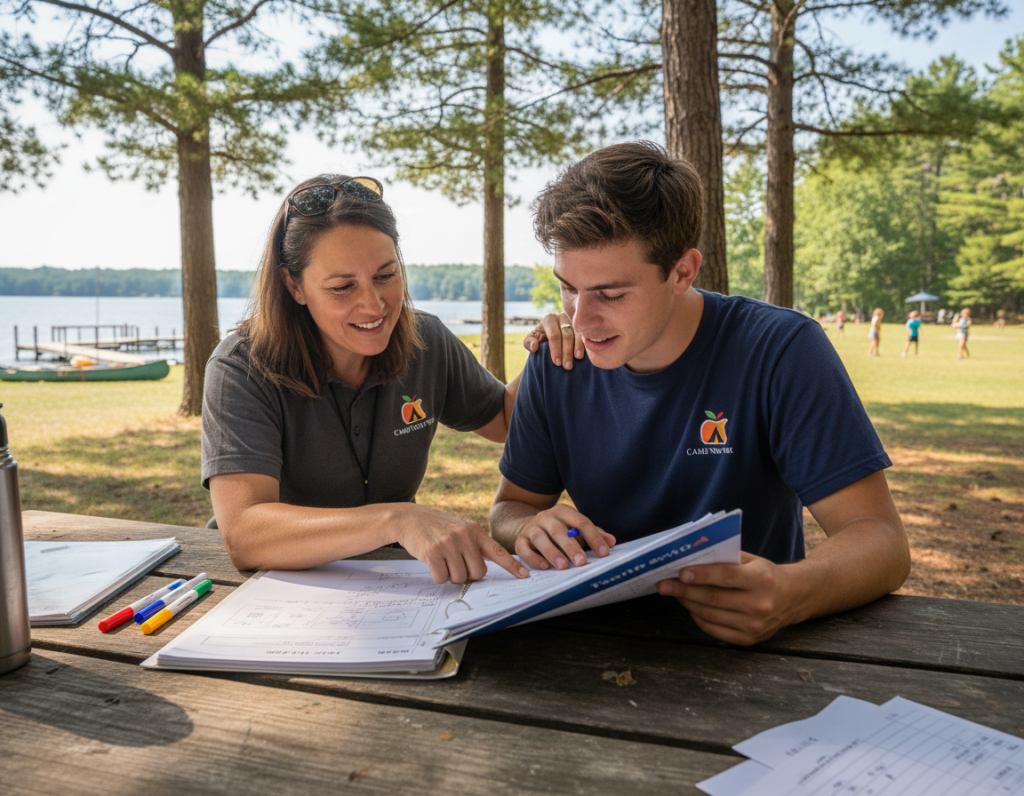
Many Camp New York staff members return for multiple summers, advancing into leadership roles. We promote from within whenever possible, recognizing and developing talent. First-year counselors who demonstrate excellence might become senior staff or specialists in subsequent seasons. This internal advancement path provides clear progression opportunities.
Leadership positions include senior counselors, activity coordinators, and assistant directors. These roles offer increased responsibility and higher compensation. Staff members interested in camp management gain hands-on experience under mentorship of experienced directors. This practical training proves invaluable for those pursuing careers in education, recreation, or nonprofit management.
Our professional network extends beyond camp property. Alumni staff maintain connections that lead to job opportunities, graduate school recommendations, and ongoing friendships. Former counselors work in diverse fields but share common foundation of camp experience. These networks provide support and opportunities long after your summer at Camp New York ends.
Join Camp New York This Summer
Experience the difference of working at a camp that truly values its staff. Camp New York combines professional development with adventure, creating summers that transform your life and career. Our supportive community, beautiful setting, and comprehensive training prepare you for success.
How to Apply for a Summer Camp Vacancy at Camp New York

Applying for a summer camp vacancy at Camp New York follows a straightforward process designed to identify passionate, qualified candidates. We value transparency and clear communication throughout the hiring process. Understanding each step helps you prepare a strong application that showcases your strengths and genuine interest in camp work.
Step One: Research and Prepare
Begin by thoroughly exploring Camp New York’s website and social media. Understand our mission, values, and programming approach. Familiarity with our camp demonstrates genuine interest and helps you determine whether our community aligns with your goals. This research informs your application materials and interview responses.
Identify which position best matches your skills and interests. Review job descriptions carefully, noting required qualifications and responsibilities. Consider how your experience and strengths align with specific roles. Targeting appropriate positions increases your chances of acceptance while ensuring good fit between your abilities and camp needs.
Gather necessary documents before starting your application. You’ll need contact information for references, possibly academic transcripts, and any relevant certifications. Having materials organized streamlines the application process. Some positions require proof of current first aid certification or lifeguard credentials, so confirm requirements for your target role.
Step Two: Submit Your Online Application
Complete our online application form thoroughly and thoughtfully. Provide accurate information about your education, experience, and skills. The application includes questions about your motivations, strengths, and camp philosophy. Take time to craft genuine, specific responses rather than generic answers. Your written responses provide insight into your personality and suitability for camp work.
Upload a current resume highlighting relevant experience. Include any work with children, leadership roles, or specialized skills. Don’t overlook volunteer experiences, extracurricular activities, or hobbies that demonstrate applicable abilities. Camp directors consider diverse experiences beyond traditional employment when evaluating candidates.
The application typically takes thirty to forty-five minutes to complete properly. Rushing through questions results in weak responses that don’t represent you well. Set aside dedicated time when you can focus without interruptions. Review your application carefully before submission, checking for spelling errors or incomplete sections.
Step Three: Provide References

Most summer camp vacancies require two or three professional or academic references. Choose individuals who can speak knowledgeably about your character, work ethic, and abilities. Former employers, teachers, coaches, or volunteer coordinators make strong references. Avoid family members or friends who cannot provide objective assessments.
Contact potential references before listing them on your application. Confirm their willingness to provide recommendations and ensure they remember working with you. Brief them on the position you’re pursuing and why you’re interested in camp work. This preparation helps references write more specific, compelling letters supporting your candidacy.
Provide references with any forms or instructions from Camp New York. Some camps use structured reference forms while others accept letters. Clear communication with references ensures timely submission. Follow up politely if references haven’t submitted materials near deadlines. Thank them afterward, regardless of application outcome.
Step Four: Interview Process
Qualified applicants receive invitations for interviews, typically conducted via video conference. The interview allows directors to assess your communication skills, enthusiasm, and fit with camp culture. Prepare by reviewing common interview questions and thinking about specific examples demonstrating your strengths.
During interviews, be authentic and enthusiastic. Directors seek genuine interest in camp work rather than rehearsed responses. Share specific stories illustrating your relevant experiences and skills. Ask thoughtful questions about the position, training, and camp community. Your questions demonstrate engagement and help you evaluate whether Camp New York meets your needs.
Dress appropriately for video interviews, choosing neat, casual attire. Test your technology beforehand to avoid connection issues. Find quiet location with good lighting and minimal background distractions. These professional touches demonstrate maturity and respect for the interview process.
Step Five: Complete Required Documentation
Accepted applicants receive employment offers contingent on completing required paperwork. Background checks are standard for all positions involving work with children. You’ll need to provide identification documents and complete employment eligibility verification. International applicants must arrange appropriate work visas or program sponsorships.
Some positions require health forms or proof of immunizations. Review requirements carefully and allow adequate time for medical appointments if needed. Submit all documentation by specified deadlines to maintain your position. Late or incomplete paperwork can jeopardize your employment offer.
Read and understand employment agreements before signing. These documents outline expectations, policies, and terms of employment. Ask questions if anything seems unclear. Understanding your commitments prevents misunderstandings and ensures alignment between your expectations and camp requirements.
- Apply early in the hiring season for best selection
- Tailor responses to specific positions and camp mission
- Proofread all materials for errors and clarity
- Choose references who know your work well
- Respond promptly to camp communications
- Ask thoughtful questions during interviews
- Submit all required documents on time
- Follow up appropriately after applying
- Be honest about experience and qualifications
Application Do’s
- Submit incomplete or rushed applications
- Use generic responses copied from examples
- List references without asking permission first
- Miss application deadlines or document requests
- Exaggerate experience or skills you don’t possess
- Fail to research the camp before applying
- Show up late or unprepared for interviews
- Neglect to follow instructions in job postings
- Apply for positions you’re not qualified for
Application Don’ts
Start Your Application Now
The application process takes less than one hour from start to finish. Don’t wait to secure your spot for next summer. Camp New York positions fill quickly, and early applicants receive priority consideration. Begin your journey toward an unforgettable summer today.
Frequently Asked Questions About Summer Camp Vacancies
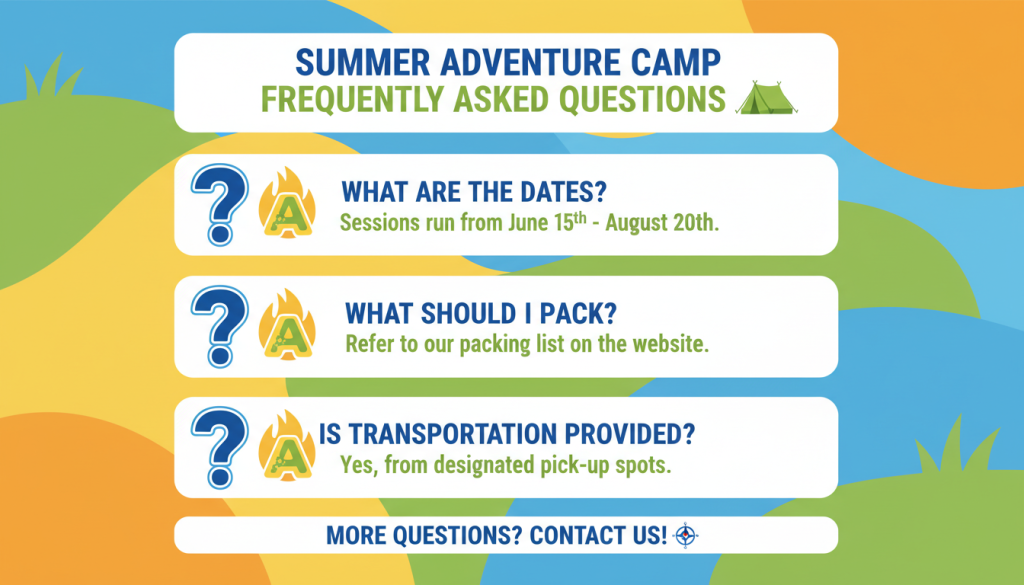
What exactly is a summer camp vacancy?
A summer camp vacancy is an open seasonal position at a residential or day camp operating during summer months. These jobs typically run from June through August and include roles like camp counselor, activity specialist, lifeguard, or support staff. Vacancies involve working directly with children and youth in outdoor educational and recreational settings. Most positions require full-time commitment for the entire camp session, usually six to ten weeks.
Are summer camp vacancies paid positions?
Yes, most summer camp vacancies are paid positions. Compensation varies based on role, experience, and camp location. Entry-level camp counselor positions typically pay between ten and fifteen dollars per hour or offer seasonal salaries. Specialized roles like lifeguards or activity instructors often earn higher rates. Residential camps usually include room and board as part of the compensation package, adding significant value beyond base pay. Some camps also offer completion bonuses for staff who finish entire summer sessions.
Do I need prior experience to apply for a summer camp vacancy?
Many summer camp vacancies do not require prior experience, especially entry-level counselor positions. Camps value enthusiasm, maturity, and willingness to learn as much as previous experience. A high school diploma is typically the minimum education requirement. However, experience working with children through babysitting, tutoring, coaching, or volunteering strengthens applications. Specialized positions like lifeguards or activity instructors do require specific certifications or demonstrated skills in their area. First-time applicants should emphasize transferable skills and genuine interest in youth development.
Can international applicants apply for summer camp vacancies?
Yes, many American summer camps actively recruit international staff. Programs like Camp America and BUNAC help international applicants secure positions and obtain necessary work visas. International counselors must typically arrange J-1 visa sponsorship through authorized organizations. The application process for international candidates mirrors domestic applications but includes additional documentation requirements. Camps value the cultural diversity international staff bring to programs. International applicants should apply early, as visa processing takes several months. Camp New York welcomes international applicants and can provide guidance on visa requirements.
When should I apply for summer camp vacancies?
Most camps begin posting summer positions in autumn, with hiring running through early spring. Early applicants receive priority consideration and better position selection. Many camps conduct majority of hiring between October and February for the following summer. However, some vacancies remain available into spring as camps finalize rosters. International applicants should apply particularly early to allow time for visa processing. If you’re interested in working at Camp New York, apply as soon as applications open to ensure best opportunities.
What are the typical working hours for camp counselors?
Camp counselor positions involve long, irregular hours. Residential counselors essentially work around the clock, living with campers and providing supervision throughout day and night. Scheduled activity time typically runs from early morning through evening, often eight to ten hours daily. However, counselors remain responsible for campers during meals, rest periods, and overnight. Day camp positions have more defined schedules, usually running from seven or eight in the morning until six in the evening. Most camps provide regular time off, often one full day per week plus shorter breaks. The intensive schedule is balanced by the rewarding nature of the work and the strong community bonds formed.
What certifications do I need for a summer camp vacancy?
Required certifications depend on the specific position. Basic camp counselor roles typically don’t require certifications, though first aid and CPR training are highly valued. Lifeguard positions require current American Red Cross Lifeguard certification or equivalent. Waterfront staff need appropriate boating or swimming instructor credentials. Challenge course facilitators need specialized safety training. Some camps require or prefer Wilderness First Aid certification for staff leading backcountry trips. Camp New York provides training in many areas, though certain specialized positions require you to arrive with current certifications. We cover costs for some certifications as part of staff development.
Will I have time off during the summer at camp?
Yes, camps provide regular time off for staff rest and personal time. Most residential camps offer one full day off per week, plus shorter periods during the week when you’re not scheduled for activities or supervision duties. Time off policies vary by camp, but adequate rest prevents burnout and maintains staff energy. During time off, you might explore nearby towns, rest in your cabin, participate in staff activities, or simply relax. Camp New York prioritizes appropriate work-rest balance, ensuring counselors have time to recharge while maintaining quality programming for campers.
What should I include in my summer camp job application?
Strong camp applications include several key elements. Provide a complete resume highlighting any experience with children, leadership roles, specialized skills, and relevant hobbies. Write thoughtful responses to application questions that demonstrate genuine interest in camp work and understanding of child development. Include contact information for two or three strong references who can speak to your character and abilities. Some applications request brief essays about your camp philosophy or how you’d handle specific situations. Be specific and authentic in your responses rather than providing generic answers. Proofread everything carefully and ensure all required fields are complete before submission.
Your Summer Adventure Awaits at Camp New York
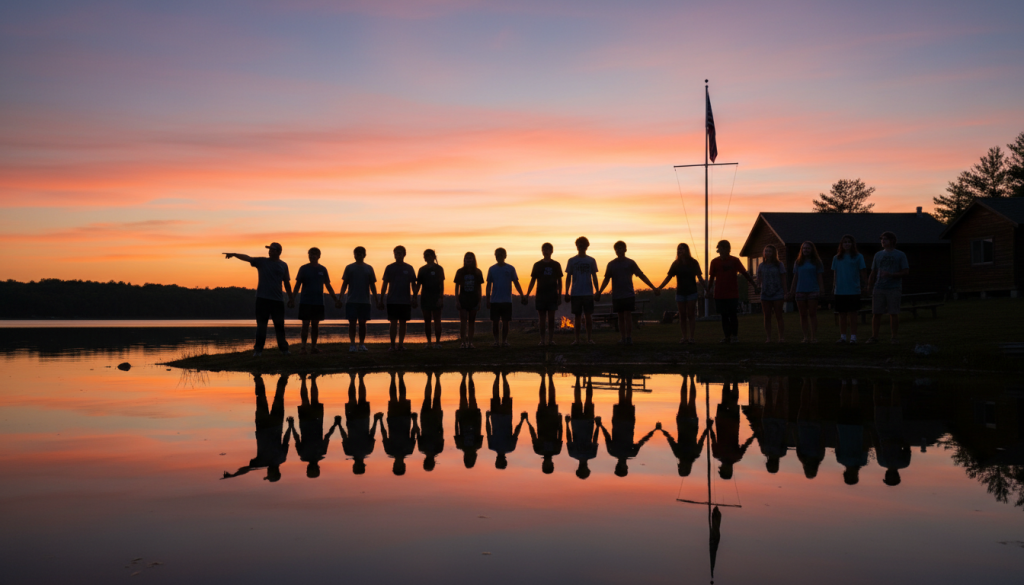
Summer camp vacancy positions offer far more than temporary employment. These roles provide transformative experiences that shape your character, build your resume, and create lasting memories. The skills you develop as a camp counselor translate directly to future career success across industries. Leadership abilities, communication skills, and cultural competence gained through camp work prove invaluable throughout your life.
Camp New York stands ready to support your growth and development this summer. Our comprehensive training program prepares you for success from day one. Experienced leadership provides ongoing mentorship and guidance throughout the season. The supportive community we’ve built ensures you never face challenges alone. Our beautiful location and excellent facilities create ideal environment for both work and personal enjoyment.
The application process is straightforward and designed to identify passionate candidates ready to make a difference. Don’t let uncertainty about qualifications prevent you from applying. We value enthusiasm and willingness to learn as much as previous experience. Many of our most successful counselors arrived with limited background but tremendous heart. If you love working with youth and seek meaningful summer employment, Camp New York welcomes your application.
Summer camp vacancies fill quickly as motivated applicants secure positions months before camp begins. Early application provides best position selection and demonstrates your commitment. The time invested in a thoughtful application pays dividends through increased likelihood of acceptance and better role matching. Don’t delay this opportunity to transform your summer into an adventure that shapes your future.
Join the hundreds of counselors who have discovered that working at Camp New York represents more than a summer job. It’s a community, a family, and an experience that stays with you forever. The friendships you’ll form, the challenges you’ll overcome, and the impact you’ll have on young lives create rewards extending far beyond any paycheck. Your journey toward personal growth and professional development begins with a single step.
Your Summer Adventure Starts Here
Camp New York is accepting applications for all summer camp vacancy positions. Our team is ready to answer your questions and guide you through the application process. Take the first step toward an unforgettable summer that builds your skills, expands your worldview, and creates memories lasting a lifetime. Don’t wait – your perfect summer camp vacancy is waiting.