

Formulating rewarding summer travel plans involves balancing personal interests, total costs and available dates against meaningful seasonal opportunities. While simple holidays offer rest, seasonal positions such as working at an American summer camp provide structured roles supporting young people in a shared community. Your summer travel plans could include more than visiting somewhere new — they could include contributing to a camp community.
Deciding between independent trips, local employment or planning a summer abroad requires examining individual priorities and schedules. A structured seasonal placement through Camp New York offers one pathway for those who want active responsibilities alongside international cultural exchange.
Start your summer travel plans with what matters to you
Clear summer travel planning begins with identifying what you hope to achieve before booking tickets or submitting applications. People often juggle multiple goals, such as exploring a new destination, spending time with friends, meeting new people, earning money, or taking a much-needed break from academic studies.
Priorities can overlap naturally, yet no single seasonal option satisfies every personal objective at once. Being honest about your financial limits, comfort with structure, and interest in youth mentorship helps narrow down the possibilities.
“Do you mainly want a holiday, or would you enjoy a structured role with responsibilities as part of your summer?”
Why consider working at summer camp in America?
Spending a summer in America working at a youth camp appeals to those who want an immersive experience rather than a surface-level tour. Placements allow international staff to live and work alongside individuals from diverse cultural backgrounds while guiding younger participants through daily activities.
- Becoming an active contributor to an established, collaborative camp community.
- Developing practical mentoring abilities by leading activities and supporting daily camper routines.
- Applying sporting, musical, creative or outdoor interests in an energetic environment.
- Experiencing an active daily schedule distinctly different from classroom or office routines.
Every camp operates differently, meaning settings, schedules and facilities vary across organisations. Approaching the prospect without fixed expectations about specific amenities or social outcomes leads to a more grounded experience.

Camp environments vary widely, ranging from rustic wooded properties to lakeside campuses.
A camp job is not the same as a holiday
Taking on camp counsellor jobs requires understanding the fundamental difference between employment and a holiday. Working at camp is a professional commitment where the safety, supervision and emotional wellbeing of children remain top priorities throughout each day.
Counsellors follow demanding timetables, prepare group sessions, support personal hygiene routines, and adhere closely to safeguarding protocols. The role demands emotional maturity, quick thinking when weather alters plans, and consistent teamwork under busy conditions.
Summer camp work involves real responsibilities, structured schedules and strict child safety duties. Prospective applicants should discuss daily requirements directly with organisers before agreeing to any placement.
Could your interests fit a camp role?
Camp directors look for staff who can safely instruct or assist across diverse activity streams. Summer camp jobs USA typically divide duties between general bunk leaders and specialist instructors who manage designated activity areas.
Sports and Games
Directing team sports, swimming, tennis or athletics while fostering teamwork and fair play among campers.
Creative Arts
Guiding painting, pottery, theatre, woodwork or music sessions that encourage children to explore creative pursuits.
Outdoor Skills
Assisting with campcraft, hiking, nature education, high ropes courses or watersports under strict safety standards.
Enthusiasm is valuable, but it does not replace formal certifications, coaching experience or demonstrable leadership competence. Evaluate your past roles in school clubs, community volunteering or local coaching honestly to see where your capabilities align.

Specialist counsellor roles require verifiable skills and structured activity planning experience.
Check your availability before choosing your summer plans
Seasonal commitments in North America run according to fixed operational calendars that must be compared against your personal commitments. School-leavers navigating the summer before university must account for key dates that fall squarely in the middle of summer.
- Final examination timetables and compulsory college departure events.
- A-Level or Higher results release days and subsequent university confirmation procedures.
- Higher education induction weeks and accommodation move-in dates in late summer.
- Pre-existing family commitments, weddings or personal obligations.
Camp training sessions begin on specific dates, and operations rely on staff remaining on duty until sessions conclude. Camps rarely accommodate late arrivals or early departures, making strict date verification essential before applying.
How to budget for a summer abroad
Working abroad for the summer involves distinct upfront financial categories that require careful calculation. It is vital to avoid assuming that room and board eliminate the need for initial capital or emergency reserves.
Prospective participants must establish realistic spending forecasts that cover pre-departure outlays alongside in-country personal funds. Transparent financial planning protects against unexpected shortfalls while navigating international application steps.
Key budgeting areas to verify in advance include programme processing costs, international flights, visa application fees, police background checks, medical assessments, comprehensive travel insurance, personal incidentals and an emergency reserve fund.
Never rely on projected end-of-season pocket money to settle urgent debts or cover essential application steps. Clarify exactly which costs are covered by the host organisation and which remain your direct responsibility.
Can you include independent travel in your summer plans?
Many participants investigate the possibility of exploring cities or national parks after completing their seasonal contracts. Incorporating travel beyond a placement is an optional pursuit that depends on regulatory allowances, personal funds and timing.
Regulatory Permissions
Any travel window must strictly follow official exchange visitor regulations and programme guidelines. Permission to remain as a temporary traveller does not grant authority to undertake further paid work.
Logistics and Capital
Hostels, transport networks and daily living expenses across the United States accumulate rapidly. Extended sightseeing requires verified insurance coverage and sufficient financial reserves.
Do not book post-camp itineraries or internal transport before contract dates, visas and official departure conditions are confirmed. Commitments back home, including academic start dates, will dictate whether extra travel is practical.

Any independent travel must fit confirmed visa regulations, available savings and home commitments.
Summer travel options compared
Evaluating varied summer travel ideas alongside employment choices provides clarity on what aligns with your circumstances. Every pathway involves trade-offs regarding independence, financial outlay and daily responsibility.
| Option | Main focus | Planning considerations | Who might enjoy it |
| Short holiday | Rest and leisure | Fixed travel costs | Travellers seeking straightforward rest without work duties. |
| Local employment | Income and routine | Commute and shifts | People building savings while taking weekend breaks. |
| Summer camp role | Youth mentorship | Visas and training | Active individuals eager to guide young people in community settings. |
| Independent trip | Self-guided routes | Variable itinerary | Adventurers wanting total freedom over their daily path. |
None of these routes is universally superior; a local job can offer financial stability, whereas a holiday provides pure rest. Matching the option to your specific stage of education or career ensures your time is spent effectively.
Your summer travel planning checklist
Translating broad travel concepts into workable arrangements requires methodical preparation. Use this practical summer travel planning checklist to monitor your progress as plans take shape.
- Decide on your core priority, whether simple leisure, career skills or cultural immersion.
- Confirm your full calendar availability, noting academic results and return dates.
- Review entry criteria, medical requirements and minimum age thresholds for target programmes.
- Construct a comprehensive budget that includes administrative costs and emergency savings.
- Check passport validity rules and investigate necessary international entry documentation.
- Understand the precise legal parameters of any temporary work permission category.
- Verify insurance policies to determine medical coverage limits and specific exclusions.
- Read agreement terms carefully before accepting job offers or signing participation forms.
- Wait for placement confirmations and approved travel windows before booking non-refundable tickets.
- Keep physical and digital copies of vital identification, contracts and insurance papers secure.
- Share complete itinerary details, emergency contacts and confirmed dates with family members.
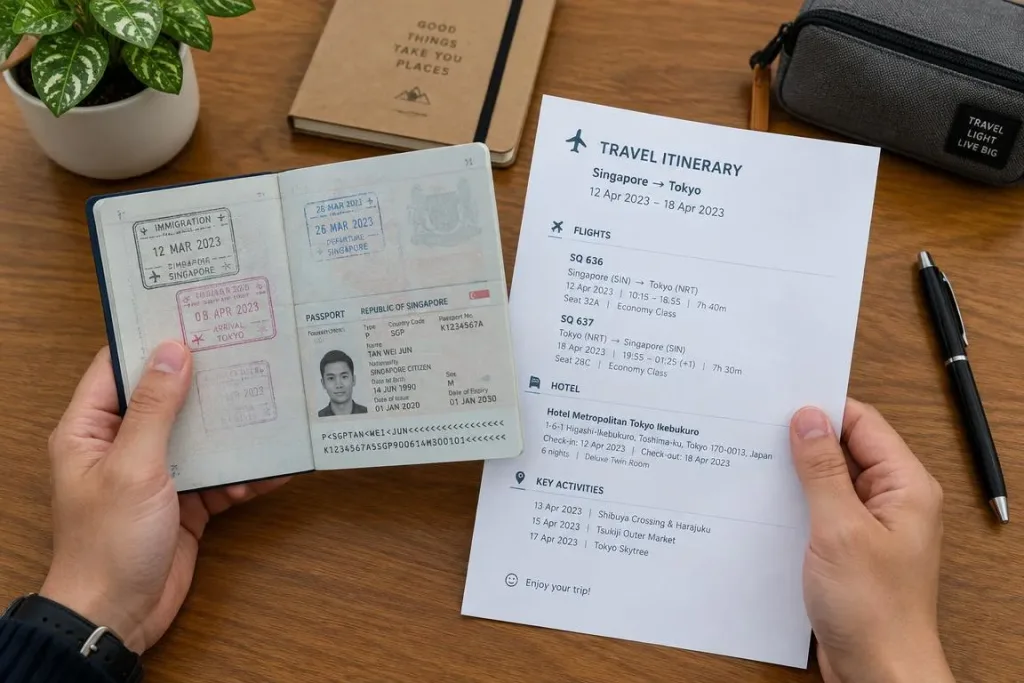
Following a methodical checklist prevents administrative oversights before travelling abroad.
How Camp New York could fit into your plans
If your summer travel plans include wanting to contribute, work with others and support young people, a camp role could be worth exploring. Camp New York assists prospective counsellors in navigating placements across accredited American summer camps.
A structured application process involves reviewing available role profiles, confirming baseline eligibility, demonstrating relevant practical skills, and attending screening interviews before matching with a camp director.
Taking time to ask precise questions about staff expectations, camper demographics and daily responsibilities helps determine if a placement suits your personal profile. Completing application steps early allows sufficient time for background checks and visa scheduling.
Frequently asked questions
When should I start making summer travel plans?
Beginning research during autumn or early winter allows adequate time to compare seasonal opportunities, organise finances and gather application paperwork. International programmes involving background verifications and visa processing require several months of advance preparation. Starting early also helps coordinate availability around examination periods and university start dates.
Can I include a summer camp job in my travel plans?
Yes, combining seasonal camp work with personal travel is possible if your schedule, finances and immigration permissions permit it. The primary commitment remains fulfilling your employment contract and supporting campers throughout the operational season. Any leisure travel must occur within the legally authorised dates granted by your exchange visitor status.
How old do I need to be for Camp New York?
Applicants must be at least 18 years old by 1 June of the summer of participation. Meeting the minimum age threshold is only one element of overall programme eligibility. Candidates must also satisfy background check standards, demonstrate relevant skills, and complete necessary visa requirements.
Can I work at camp before starting university?
School-leavers can participate if their camp contract concludes before their higher education course begins. You must confirm how results day procedures and university enrolment tasks will be handled while you are abroad. Choosing this path requires strict alignment between camp end dates and mandatory campus arrival schedules.
Can I travel around America after camp?
Independent post-camp travel depends on the specific conditions of your exchange visitor visa and programme regulations. Authorised travel periods are intended solely for tourism, meaning participants cannot undertake additional paid employment. You must also budget adequately for transport and accommodation while respecting commitments back home.
What should I check before booking flights?
Never purchase non-refundable flight tickets until your placement contract is signed, your visa is officially issued, and exact arrival dates are confirmed by your camp. Check airline baggage policies, transit requirements, and flexibility terms for altering dates if schedules change. Confirm whether your camp provides coordinated transport from designated arrival airports to the campsite.
Give your summer plans a direction
The most fulfilling summer plan is one that aligns honestly with your current priorities, personal maturity and financial realities. Still deciding what your summer could look like? Explore summer camp roles with Camp New York, check the current requirements and see whether your skills and availability could fit a summer supporting young people in America.