

Summer in New York City transforms the concrete jungle into an outdoor playground bursting with energy and possibility. When the temperature rises and the days stretch long, the city awakens with festivals, rooftop gatherings, waterfront concerts, and endless adventures around every corner.
If you’re planning a family trip or looking for things to do in New York this summer, you’ve landed in the right place. This guide covers everything from iconic landmarks to hidden neighborhood gems that locals love.
Whether you’re visiting for a weekend or spending the whole summer exploring, New York offers something special for every age. Parents find peace of mind knowing there are safe, engaging activities for teens. Young people discover independence and confidence navigating one of the world’s greatest cities.
For families seeking structured, supervised experiences that combine the best of what New York has to offer, programs like Camp New York turn these activities into meaningful social adventures where teens explore together, make new friends, and grow in confidence under professional guidance.
Experience NYC’s Summer Magic with Peers
Camp New York offers amazing Summer Camp in America opportunities
Why Summer in New York City Is Truly Special
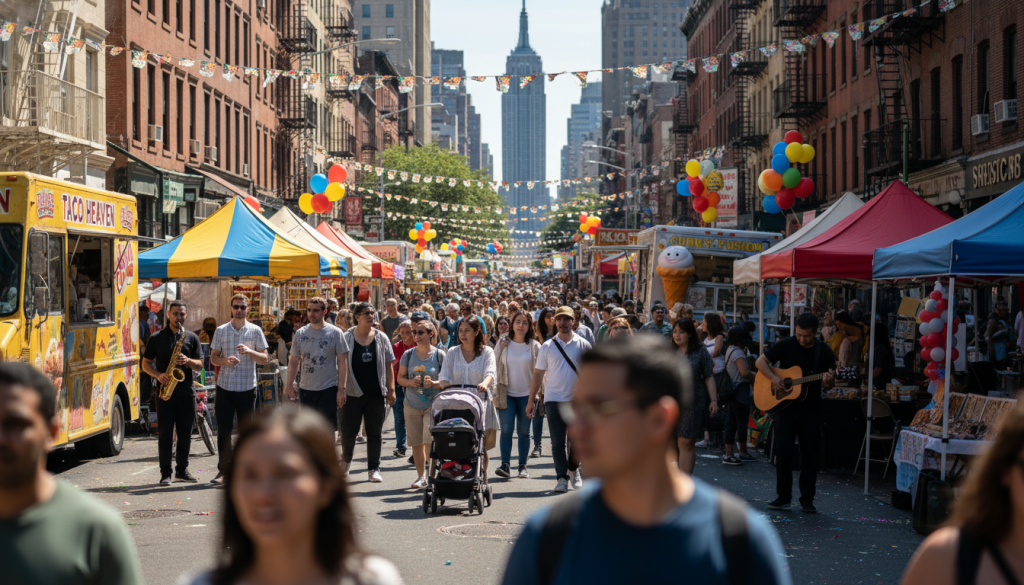
New York City in summer operates on a completely different rhythm than the rest of the year. The entire city shifts outdoors, and suddenly you’re surrounded by neighbors, tourists, and locals all embracing the warm weather together.
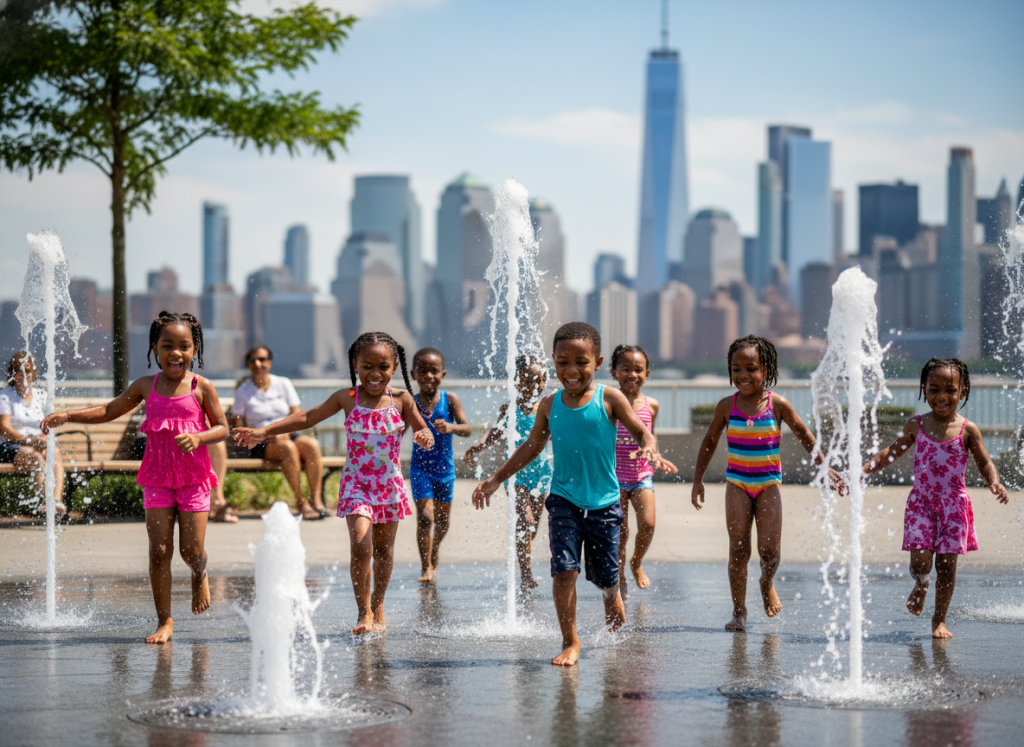
The parks become living rooms. Bryant Park hosts free movie nights where thousands gather on blankets under the stars. Central Park’s Great Lawn fills with sunbathers, musicians, and impromptu soccer games. Brooklyn Bridge Park offers stunning views of the Manhattan skyline while kids splash in water features.
Longer Days Mean More Adventures
Summer daylight stretches until nearly nine o’clock in the evening. This extended sunshine means you can pack more experiences into a single day without feeling rushed.
You might start with breakfast in a neighborhood cafe, spend the morning at a museum, grab lunch from a food truck, explore a new neighborhood on foot, catch a sunset from a rooftop, and still have time for dinner in a different borough.

Cultural Events Take Over the Streets
Summer brings New York’s cultural diversity into full view. Every weekend features festivals celebrating different communities, cuisines, and traditions.
You’ll stumble upon live music on seemingly every corner. Jazz musicians set up in Washington Square Park. Salsa dancers take over pier spaces along the waterfront. Shakespeare performances happen outdoors in parks across all five boroughs, completely free to the public.
The Waterfront Becomes a Destination
New Yorkers rediscover their relationship with water every summer. The Hudson River waterfront transforms into a miles-long park system with bike paths, piers, and recreation spaces.
The East River offers kayaking opportunities and floating swimming pools. Governors Island becomes a car-free oasis with hammocks, art installations, and bike rentals. Even the Staten Island Ferry turns into a tourist attraction rather than just transportation.
Outdoor Dining Explosion
Restaurants extend onto sidewalks and streets. What started as a pandemic necessity became a beloved permanent feature. You can now enjoy meals from world-class restaurants while people-watching in the open air across every neighborhood in the city.
Community Feeling Strengthens
Something magical happens when everyone spills outdoors simultaneously. Neighbors who barely nodded in winter suddenly chat on stoops. Kids play together in sprinklers while parents watch from nearby benches. The city feels smaller and friendlier in summer.
For young people especially, summer in New York City offers independence and exploration in a relatively safe environment. Teens can navigate subway systems, discover new neighborhoods, and build confidence through real-world experiences that most suburban areas can’t provide.
Top Things to Do in New York This Summer: The Ultimate List
This curated collection covers the best summer activities in New York City, mixing famous landmarks with local favorites. Each experience offers something unique, whether you’re visiting for the first time or rediscovering the city with fresh eyes.

1. Explore Central Park from End to End
Central Park spans 843 acres right in the heart of Manhattan, and summer is the perfect time to really explore this urban oasis. Most visitors stick to the southern section, but venturing north reveals quieter meadows, hidden gardens, and fewer crowds.
Start at the southern entrance near Columbus Circle and work your way north. You’ll pass Sheep Meadow, where thousands of New Yorkers sunbathe on warm weekends. The Bethesda Fountain and Terrace offer iconic photo opportunities and people-watching.

Rent a rowboat at Loeb Boathouse and paddle around The Lake. The peaceful water views surrounded by lush greenery make you forget you’re in the middle of New York City. Pack a picnic and claim a spot near the water’s edge.
Don’t miss Strawberry Fields, the peaceful memorial to John Lennon. The Conservatory Garden at 105th Street offers formal gardens that feel like a secret escape. The North Woods section provides hiking trails through dense forest that transport you far from urban life.
Why it’s great for teens and families: Central Park offers something for every energy level. Active teens can rent bikes, play sports on the lawns, or join pickup basketball games. Families appreciate the playgrounds, carousel, and zoo. Everyone enjoys the people-watching and relaxed summer vibe.
2. Walk Across the Brooklyn Bridge at Sunrise
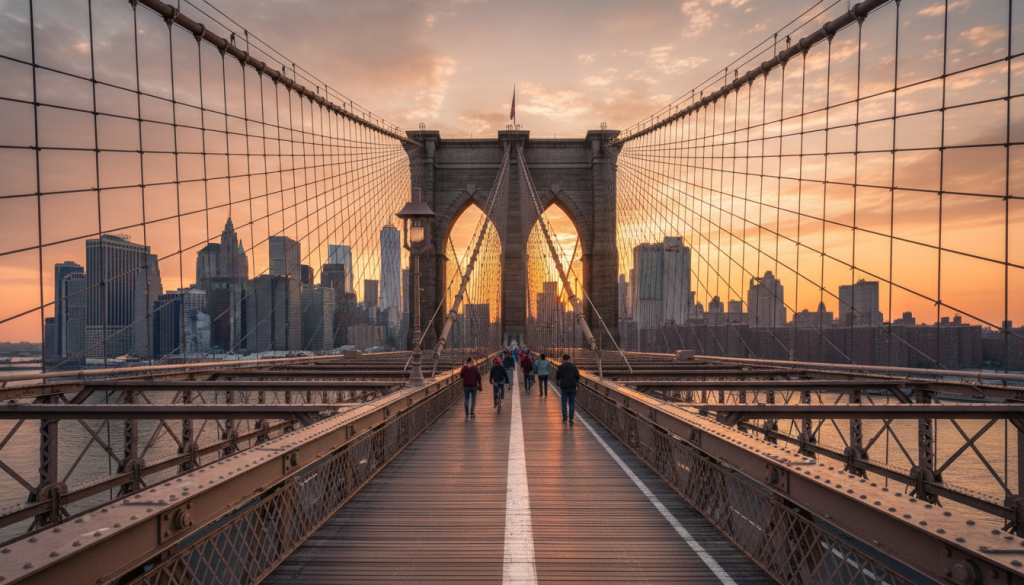
The Brooklyn Bridge ranks among the most iconic structures in New York, and walking it gives you perspectives you can’t get any other way. Time your crossing for early morning, especially on weekends, to avoid the crowds that descend by midday.
Starting from the Manhattan side, you’ll climb wooden walkways elevated above the roadway. The views open up quickly as you rise above the traffic. Looking back toward Manhattan, you’ll see the entire Financial District skyline.
The bridge itself is a masterpiece of engineering and architecture. The massive stone towers and intricate cable systems create incredible photo opportunities. Take your time stopping at various points along the one-mile walk.
Once you reach Brooklyn, explore DUMBO neighborhood with its cobblestone streets and waterfront parks. Brooklyn Bridge Park offers multiple piers with different activities, from beach volleyball to kayaking. Jane’s Carousel, a beautifully restored 1922 merry-go-round enclosed in glass, delights all ages.
Why it’s great for teens and families: The walk takes about 30-45 minutes at a leisurely pace, making it manageable for most fitness levels. Teens love the dramatic views perfect for social media photos. Families appreciate the free activity that provides exercise, fresh air, and memorable experiences all in one.
3. Catch a Free Outdoor Concert in Prospect Park

Prospect Park in Brooklyn hosts an incredible summer concert series called “Celebrate Brooklyn!” that’s been running for over 40 years. These shows range from indie rock to classical music to world music, and admission is free.
The bandshell creates an intimate venue despite holding thousands of people. Arrive early to claim a good spot on the lawn. Bring blankets, picnic supplies, and maybe some board games for before the music starts.
Beyond the organized concerts, Prospect Park offers spontaneous music throughout summer. Drummers gather near the park’s entrance for weekend drum circles. Musicians practice near the lake. The park has a more local, Brooklyn vibe compared to Central Park’s tourist energy.
The park itself deserves exploration beyond concerts. The Long Meadow stretches nearly a mile of uninterrupted green space perfect for frisbee, soccer, or simply laying in the grass. The Prospect Park Zoo provides a smaller, less crowded alternative to the Bronx Zoo.
Why it’s great for teens and families: Free concerts remove the financial barrier to experiencing live music. Teens appreciate the diverse musical acts and the social atmosphere of outdoor gatherings. Families enjoy the relaxed environment where kids can move around during performances without disturbing seated theater audiences.
Camp New York Connection: Our groups regularly attend summer concerts together, teaching young people to navigate public transportation, engage with NYC’s cultural scene, and enjoy age-appropriate social experiences with peer supervision. It’s the perfect blend of independence and structure.
4. Ride the Staten Island Ferry for Stunning Views

One of the best things to do in New York this summer won’t cost you a single dollar. The Staten Island Ferry runs 24/7 between Manhattan and Staten Island, providing 25 minutes of spectacular views in each direction.
Board at Whitehall Terminal in Lower Manhattan and head to the outdoor decks as soon as the boat departs. You’ll sail right past the Statue of Liberty and Ellis Island. The Manhattan skyline unfolds behind you as you cross the harbor.
The ferry itself carries commuters, so it’s a real slice of New York life rather than a tourist attraction. Watch the mix of office workers, families, and tourists all sharing the same space and views.
Consider riding over to Staten Island, exploring the waterfront area near the terminal, then catching the next ferry back. Or time your ride for sunset when the western sky lights up behind the Statue of Liberty.
Why it’s great for teens and families: The free admission makes this accessible to any budget. The journey provides rest for tired feet while still sightseeing. Teens enjoy the independence of a boat ride and the photo opportunities, while families appreciate the air-conditioned interior on hot summer days and the excitement of being on the water.
5. Discover The High Line’s Elevated Park

The High Line transformed an abandoned elevated railway into one of New York’s most innovative public spaces. This park floats 30 feet above street level, stretching from the Meatpacking District through Chelsea to Hudson Yards.
Walking the High Line gives you a completely different perspective on the city. You’re close enough to see into building windows but elevated above street traffic. Native plantings create a wild garden feeling that changes with the seasons.
Summer brings the gardens to peak bloom. Wildflowers, grasses, and vines create a lush landscape maintained to look natural yet carefully designed. Art installations change regularly, giving repeat visitors new things to discover.

Multiple entry points along the route let you explore sections or walk the entire length. Built-in seating areas provide places to pause and people-watch. The section through Chelsea passes galleries and trendy restaurants with terraces that connect to the High Line.
Don’t rush your walk. The High Line rewards slow exploration and attention to small details in the plantings and design. Visit different sections at different times of day for varying light and crowds.
Why it’s great for teens and families: The High Line combines nature, art, architecture, and urban design in a way that appeals to multiple interests. It’s stroller-friendly for families with small children. Teens appreciate the Instagram-worthy backgrounds and the chance to experience innovative public space design. The park’s linearity makes it easy to walk part way and exit to explore surrounding neighborhoods.
6. Spend a Day at Coney Island

Coney Island brings classic American beach town vibes to New York City. This Brooklyn neighborhood offers the beach, boardwalk, amusement parks, and a quirky cultural history all rolled into one destination.
The beach itself stretches for miles along the Atlantic Ocean. Arrive early on summer weekends to claim a good spot on the sand. The water stays refreshingly cool even on the hottest days. Lifeguards patrol the beach throughout summer.
Luna Park’s amusement rides include the historic Cyclone roller coaster, built in 1927 and still delivering thrills. The Wonder Wheel, a 150-foot tall Ferris wheel, offers spectacular ocean and city views from both stationary and swinging cars.

Walk the famous boardwalk from end to end, taking in the mix of classic attractions and modern developments. Nathan’s Famous hot dog stand serves the franks that made the annual hot dog eating contest a July 4th tradition. The original location still operates on the corner of Surf and Stillwell.
Beyond the rides and food, Coney Island maintains a wonderfully weird character. Street performers, artists, and characters make the boardwalk entertaining even without spending money on attractions. The Coney Island Museum preserves the area’s carnival history.
Why it’s great for teens and families: Coney Island offers the complete beach day experience within New York City limits. Teens enjoy the rides, games, and independence of exploring the boardwalk. Families appreciate the variety of activities from calm beach time to exciting amusements. The subway accessibility means no car required.
7. Visit the Metropolitan Museum of Art

The Met ranks among the world’s greatest museums, and summer provides special opportunities to experience both indoor galleries and the rooftop garden. The collection spans 5,000 years of art from every corner of the globe.
You could spend weeks exploring the Met’s two million square feet and never see everything. Instead, pick a few sections that interest you most and really experience those areas. The Egyptian wing, European paintings, armor collection, and American wing all offer highlights worth your time.
Summer brings a special treat: the rooftop garden opens with rotating contemporary art installations and spectacular Central Park views. Grab refreshments from the rooftop bar and take in the skyline. This space alone justifies a summer visit.

Pay-what-you-wish admission for New York State residents makes the Met accessible to everyone. Even suggested admission pricing is reasonable considering the scope of the collection. Consider joining the museum to support the institution and gain year-round access.
The Met’s location on Fifth Avenue borders Central Park, making it easy to combine a museum visit with park time. The steps outside the museum entrance become a popular gathering spot where people relax and people-watch.
Why it’s great for teens and families: The Met offers air-conditioned comfort on hot summer days while providing cultural enrichment. Teens connect with art history in person after seeing famous works in textbooks. Families appreciate the free admission for kids and the ability to pace your visit with breaks in the outdoor spaces. The museum’s scale means everyone can find something that interests them.
8. Kayak the Hudson River for Free
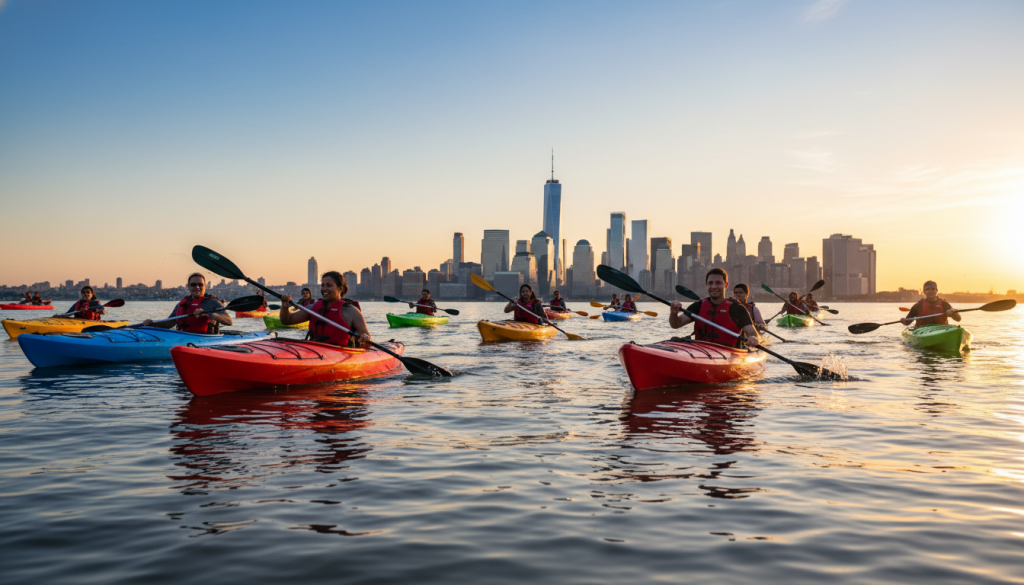
Multiple organizations offer free kayaking on the Hudson River throughout summer at locations around Manhattan. This provides a completely different perspective on the city from the water level.
Downtown Boathouse operates several locations offering free kayak access on weekends and select weekdays. Experienced staff provide basic instruction and life jackets. Sessions typically last 20 minutes, allowing newcomers to try kayaking without major commitment.
Paddling the Hudson reveals the city’s waterfront from a vantage point most residents never experience. You’re close to the massive piers, looking up at skyscrapers, and sharing the water with boats of all sizes.
The protected areas where free kayaking operates keep you safe from major boat traffic. Staff members in kayaks patrol the area, and everyone stays within designated zones. Even complete beginners feel comfortable after brief instruction.
Why it’s great for teens and families: Free water sports in New York City seem almost too good to be true. Teens gain confidence trying a new skill in a controlled environment. Families create memorable experiences together without financial barriers. The activity provides exercise, adventure, and stunning views simultaneously.
Do Camp New York!
Camp New York offers you the opportunity to become a camp counsellor in supervised kayaking, sailing, and waterfront activities throughout the summer. Build confidence and enhance your teamwork skills!
9. Explore Governors Island

Governors Island transforms into a car-free summer playground just a short ferry ride from Manhattan. This 172-acre island offers hills to climb, art installations to explore, and unbeatable city views in every direction.
The Hills provide four human-made peaks with slides, hammocks, and 360-degree views of the harbor, Statue of Liberty, and Lower Manhattan skyline. Kids and adults alike enjoy the enormous slides that speed you down the hillsides.
Rent bikes to explore the island’s perimeter path. The flat, traffic-free roads make biking accessible for all skill levels. Stop at various points to enjoy views or explore the historic military buildings that hint at the island’s past as an Army post.
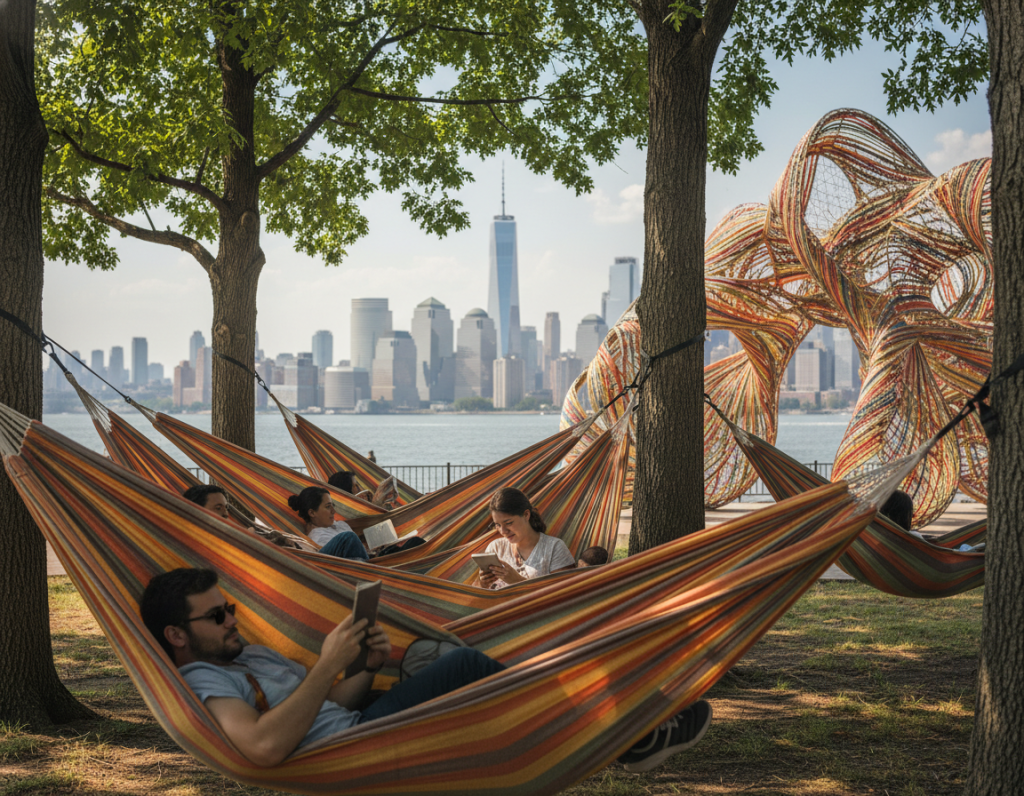
Art installations and cultural programming change throughout summer. You might encounter outdoor sculpture, music performances, food festivals, or historic reenactments. The island also hosts Governors Beach, New York City’s only urban beach open to the public without going to the outer boroughs.
Pack a picnic or buy food from vendors on the island. Find a spot on the lawn with skyline views and spend the afternoon relaxing. The island provides a slower pace than the Manhattan hustle just across the water.
Why it’s great for teens and families: Governors Island creates a safe, contained environment where teens can explore independently while families relax knowing there are no cars to worry about. The variety of free activities means entertainment for different interests and energy levels. The ferry ride itself adds adventure, and the island’s size makes it manageable for a half-day or full-day trip.
10. See Free Shakespeare in the Park

The Public Theater’s Shakespeare in the Park program has provided free, world-class theater in Central Park’s Delacorte Theater since 1962. These productions feature professional actors, elaborate sets, and often star recognizable names from film and television.
Tickets are free but require planning. You can enter an online lottery, wait in line on the day of the performance, or use the mobile ticket distribution system. The effort pays off with professional theater that would cost hundreds of dollars elsewhere.
The outdoor setting adds magic to the performances. Evening shows begin as natural light fades, and the surrounding trees create a natural backdrop. The open-air theater makes the experience feel accessible and communal rather than formal and stuffy.
Even if Shakespeare isn’t your usual entertainment choice, these productions adapt the classic plays with modern sensibilities and diverse casting that makes them relevant and engaging. The performances run from June through August with multiple weeks for each production.
Why it’s great for teens and families: Free access to professional theater removes economic barriers to cultural experiences. Teens gain exposure to classic literature performed at the highest level. Families introduce children to theater in a relaxed outdoor setting where some movement and noise won’t disturb other audience members as it would in a traditional theater.
11. Experience Smorgasburg’s Food Market

Smorgasburg brings together 100+ food vendors every weekend in Brooklyn, creating the largest weekly open-air food market in America. This is where food trends are born and diverse cuisines meet adventurous eaters.
The Williamsburg location operates Saturdays right on the East River waterfront with spectacular Manhattan views. Sundays, the market sets up in Prospect Park. Both locations offer the same amazing food variety with slightly different vibes.
You’ll find everything from ramen burgers to artisanal ice cream to international street food representing cuisines from around the world. Vendors often test new concepts here before opening permanent restaurants. Lines form at popular stands, but most move quickly.

Budget about $15-20 per person to try several items and share with your group. The market atmosphere encourages sampling and sharing rather than traditional sit-down meals. Bring cash as some vendors don’t accept cards.
Arrive early to beat the biggest crowds, especially in nice weather. The market operates from April through October, but summer weekends create the most energetic atmosphere. Explore beyond just eating—local artisans sell crafts and goods alongside the food vendors.
Why it’s great for teens and families: Smorgasburg turns eating into an adventure. Teens love trying trendy foods and having photo opportunities with creative dishes. Families appreciate the variety that lets everyone choose what appeals to them. The outdoor market setting and waterfront location create a festive atmosphere that makes it an experience, not just a meal.
12. Relax at Bryant Park

Bryant Park sits right in the heart of Midtown Manhattan behind the New York Public Library. This beloved green space proves that even small parks can make huge impacts in dense urban environments.
Summer brings free outdoor movie nights on Monday evenings. Arrive early to claim spots on the lawn as hundreds gather for classic films shown on a large screen. The atmosphere feels like a community gathering in someone’s backyard, except that backyard is surrounded by skyscrapers.
The park also hosts free fitness classes, concerts, and Broadway performances throughout summer. Check the schedule online to plan around special events, or simply show up to see what’s happening.

Grab lunch from surrounding restaurants and claim one of the park’s movable chairs. The chairs let you adjust your position throughout the day to follow sunshine or shade. Free ping pong tables provide entertainment, and board game rentals add old-fashioned fun.
The park’s location makes it perfect for combining with other Midtown activities. Visit the New York Public Library’s reading room, shop Fifth Avenue, or explore Times Square, then retreat to Bryant Park for a peaceful break.
Why it’s great for teens and families: Bryant Park offers free entertainment in the city’s busiest neighborhood. Teens appreciate the free WiFi, charging stations, and social atmosphere. Families love the free activities, clean bathrooms, and central location that makes it easy to incorporate into sightseeing days. The programming creates consistent reasons to visit multiple times during summer.
13. Tour the 9/11 Memorial and Museum

The National September 11 Memorial & Museum honors the nearly 3,000 people killed in the terrorist attacks of September 11, 2001, and February 26, 1993. This powerful memorial and museum provide essential context for understanding recent American history.
The Memorial Plaza features two enormous reflecting pools set in the footprints of the original Twin Towers. Water cascades down the sides into central voids that seem to disappear into the earth. Bronze panels surrounding each pool are inscribed with the names of every person who died.
The Memorial is free and open to the public, accessible any time. The Museum requires timed tickets and admission fees, though some times offer reduced or free admission. The museum collection includes artifacts, testimonies, and multimedia displays that tell the stories of that day.
Allow several hours for the museum if you choose to visit inside. The experience is emotionally intense but historically important. The museum presents facts with respect for all visitors’ experiences and perspectives.
Why it’s great for teens and families: For younger generations, September 11 is history rather than lived memory. The memorial and museum provide education about this defining event in a respectful, age-appropriate way. Teens gain understanding of an event that shaped the world they grew up in. Families can discuss difficult topics in a space designed to help processing and remembering.
14. Ride the NYC Ferry

NYC Ferry expanded public transportation to the waterways, creating affordable sightseeing opportunities that also serve as practical transportation. Routes connect Manhattan to Brooklyn, Queens, and the Bronx, offering stunning views for the same price as a subway ride.
The East River route provides spectacular perspectives on the Brooklyn Bridge, Manhattan Bridge, and Williamsburg Bridge as you pass under all three. The skyline views rival expensive sightseeing cruises, yet this is just daily transportation for many New Yorkers.
Each ferry includes indoor and outdoor seating areas. In summer, the outdoor decks provide perfect spots to enjoy harbor breezes and take photos. Onboard concessions sell snacks and drinks for reasonable prices.

Consider taking a longer route like the Soundview line that travels all the way to the Bronx, or the Rockaway line that brings you to beach communities. These routes feel like mini cruises, offering extended time on the water.
Ferry landings themselves provide waterfront access and public space worth exploring. Many connect to parks, restaurants, and attractions. Use the ferry to reach neighborhoods you might not otherwise visit.
Why it’s great for teens and families: NYC Ferry combines practical transportation with sightseeing at an affordable price. Teens enjoy the novelty of boat travel and the independence of navigating the ferry system. Families appreciate the low cost, air conditioning on hot days, and the break from walking that still counts as exploring. The water views make every trip feel special even when it’s just getting from one place to another.
15. Visit the Intrepid Sea, Air & Space Museum
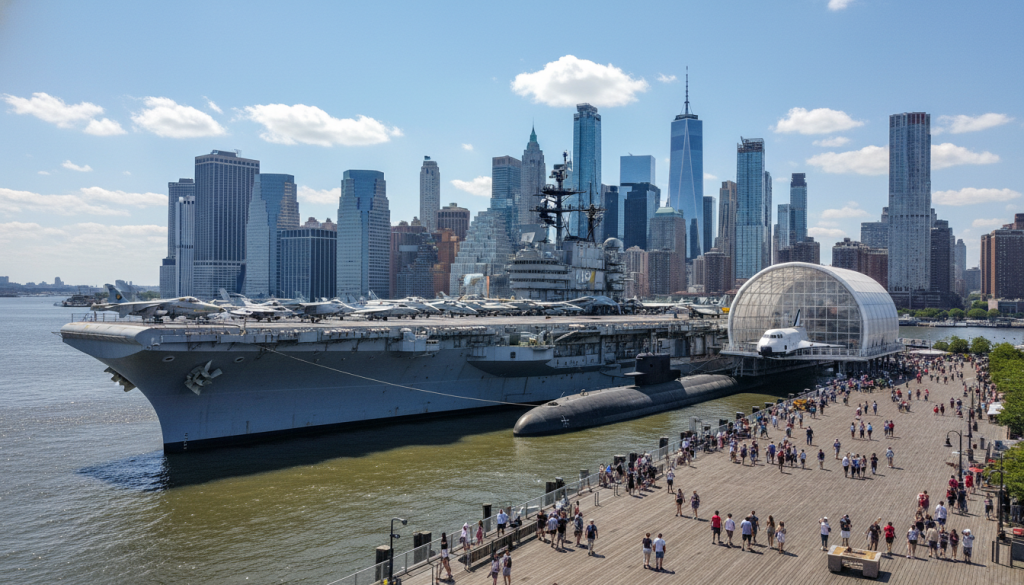
The Intrepid Museum brings military and maritime history to life through artifacts you can actually board and explore. The centerpiece is the USS Intrepid aircraft carrier, now permanently docked on the Hudson River at Pier 86.
Walk the flight deck where dozens of military aircraft are displayed. You can see fighter jets, helicopters, and reconnaissance planes up close. The scale of an aircraft carrier becomes real when you’re standing on it rather than seeing it in photos.
The Space Shuttle Pavilion houses Enterprise, the original prototype space shuttle. The shuttle sits in a climate-controlled building where you can walk around and underneath it, getting perspectives impossible during its flying days.

The submarine Growler offers tours through its cramped interior spaces. You’ll gain appreciation for the sailors who lived and worked in these tight quarters. The submarine experience helps you understand naval life in ways that aren’t possible from outside.
Interactive exhibits throughout the museum engage visitors of all ages. Flight simulators, educational programs, and hands-on displays make this more than just looking at old equipment. The museum regularly hosts special events and temporary exhibitions.
Why it’s great for teens and families: The Intrepid combines education with impressive artifacts that spark imagination. Teens interested in military history, aviation, or space find plenty to engage them for hours. Families appreciate the interactive elements that keep children involved. The location on the Hudson River provides outdoor deck space with views, making it feel less confined than typical indoor museums.
16. Explore Green-Wood Cemetery

Green-Wood Cemetery in Brooklyn is one of the first rural cemeteries in America and now a National Historic Landmark. The 478-acre park offers stunning landscapes, architectural beauty, and fascinating history beyond its role as a burial ground.
The cemetery became a popular tourist destination in the 19th century, attracting half a million visitors annually before Central Park existed. People came for the beautiful grounds, sculptures, and peaceful atmosphere away from the crowded city.
Today, Green-Wood offers free trolley tours, bird-watching walks, and historical tours throughout summer. The rolling hills provide surprising elevation and views of New York Harbor. Notable residents include Leonard Bernstein, Jean-Michel Basquiat, and countless other historical figures.
The Gothic Revival entrance gate is an architectural masterpiece worth seeing even if you don’t enter the cemetery. Inside, Victorian-era monuments range from simple stones to elaborate mausoleums that demonstrate changing attitudes toward death and remembrance.
Why it’s great for teens and families: Green-Wood provides a completely different NYC experience—peaceful, historical, and beautiful in unexpected ways. Teens studying history gain context seeing where historical figures are buried and reading their life stories. Families enjoy the free outdoor space that feels nothing like typical city parks. The cemetery sparks conversations about history, art, and life in accessible ways.
17. Catch a Baseball Game at Yankee Stadium or Citi Field

Summer means baseball season, and New York offers two major league teams to watch. The Yankees play in the Bronx at Yankee Stadium, while the Mets call Citi Field in Queens their home. Each stadium offers distinctly different experiences.
Yankee Stadium oozes history and tradition despite being a newer building. Monument Park honors Yankees legends, and the entire experience celebrates the team’s 27 World Championships. The Bronx location means exploring a different borough and trying food in the surrounding neighborhood.
Citi Field provides a more relaxed atmosphere with better views from most seats. The Mets market themselves as the underdog team, creating a different fan energy. The stadium’s design evokes old Ebbets Field while providing modern amenities.

Arrive early to watch batting practice and explore the stadium. Both venues offer multiple food options beyond basic hot dogs, including local NYC favorites. Ticket prices range from very affordable upper deck seats to expensive field level spots.
Even if you’re not a huge baseball fan, the summer evening atmosphere at a ballgame offers something special. The pace of baseball allows conversation, the outdoor setting beats watching on TV, and the communal experience of cheering with thousands of strangers creates unexpected bonding.
Why it’s great for teens and families: Baseball games provide affordable entertainment that fills an entire afternoon or evening. Teens enjoy the social atmosphere and stadium food. Families create traditions around attending games together. The slower pace of baseball makes it accessible even for those who don’t follow sports closely. Both stadiums are easily accessible by public transportation.
18. Stroll the Chelsea Market

Chelsea Market occupies a full city block in a former Nabisco factory where the Oreo cookie was invented. The industrial-chic indoor market now houses food vendors, restaurants, and specialty shops under one roof.
The market’s interior preserves the building’s industrial past with exposed brick, metal beams, and salvaged artifacts. The aesthetic creates an atmospheric backdrop for browsing and eating your way through the space.
Food options range from quick counter service to sit-down restaurants. You’ll find everything from fresh lobster rolls to artisanal tacos to gourmet doughnuts. Specialty grocers sell hard-to-find ingredients, and bakeries display beautiful pastries.
Chelsea Market connects directly to the High Line through an interior entrance, making it easy to combine both destinations in one trip. The location also puts you in the heart of Chelsea’s gallery district and near the Meatpacking District’s shops and restaurants.
Why it’s great for teens and families: Chelsea Market provides relief from summer heat while offering diverse food options to satisfy different tastes. Teens appreciate the trendy atmosphere and Instagram-worthy industrial design. Families enjoy the flexibility of choosing different foods without committing to one restaurant. The indoor setting works on rainy days when outdoor plans need adjusting.
19. Experience Roosevelt Island

Roosevelt Island sits in the East River between Manhattan and Queens, and getting there is half the fun. The Roosevelt Island Tramway lifts you 250 feet above the river, providing spectacular aerial views for the same price as a subway ride.
The tramway ride takes about five minutes each way, paralleling the Queensboro Bridge while offering unobstructed views of Midtown Manhattan. The experience feels like a ski lift over the city rather than typical public transportation.
Roosevelt Island itself offers a completely different pace from Manhattan. The two-mile-long island has limited car traffic, making it perfect for walking or biking. Franklin D. Roosevelt Four Freedoms Park at the southern tip provides stunning architecture and skyline views.

The island’s waterfront promenade runs along both sides, offering continuous views and peaceful walking. Historic ruins from former hospitals add intrigue and photo opportunities. The island’s history as a quarantine hospital and asylum gives it a unique character.
Consider renting bikes to explore the entire island efficiently. The flat terrain and car-free roads make biking stress-free. Multiple parks and green spaces provide spots to rest and enjoy the water views.
Why it’s great for teens and families: Roosevelt Island feels like a secret escape from Manhattan’s intensity. The tramway ride alone thrills children and adults equally. Teens enjoy the novelty of an island getaway within the city. Families appreciate the safe, quiet environment and the affordable adventure that feels more exciting than a typical park visit.
Camp New York camp counsellors can explore Roosevelt Island together, learning the island’s fascinating history while enjoying the aerial tramway and waterfront parks. It’s one of our favorite destinations that combines transportation adventure with peaceful green space.
20. Relax on Brooklyn Bridge Park Beaches

Brooklyn Bridge Park stretches 1.3 miles along the Brooklyn waterfront, offering multiple piers with different activities and attractions. Piers 4 and 6 feature beach areas where you can dig your toes in the sand while looking at Manhattan across the water.
The beaches aren’t for swimming, but they provide all the other beach experiences: building sandcastles, beach volleyball, sunbathing, and picnicking. The combination of beach relaxation with skyline views creates a uniquely New York experience.
Beyond the beaches, Brooklyn Bridge Park offers sports fields, playgrounds, a climbing wall, roller skating rinks, and multiple lawns for lounging. Each pier has distinct character and activities, so explore several during your visit.
Jane’s Carousel sits in a glass pavilion at Pier 1, operating year-round but especially magical in summer. The 1922 carousel was restored with meticulous care, and riding it while looking at the Brooklyn Bridge creates a surreal blend of old and new New York.
Grab food from nearby DUMBO restaurants or bring a picnic to enjoy on the lawns. Free WiFi throughout the park keeps you connected, though you might prefer to disconnect and simply enjoy the views and atmosphere.
Why it’s great for teens and families: Brooklyn Bridge Park combines multiple activities in one beautiful waterfront location. Teens can be active with sports and recreation or relax on the beach with skyline photos. Families appreciate the variety that keeps different age groups entertained. The park’s design and programming make it feel like a destination rather than just a neighborhood park.
Why These NYC Summer Experiences Are Perfect for Teens and Personal Growth

Summer in New York City offers teenagers something that suburban environments rarely provide: real-world opportunities to build independence, confidence, and life skills in a dynamic, challenging environment with natural safety nets built in.
Navigating Urban Complexity Builds Confidence
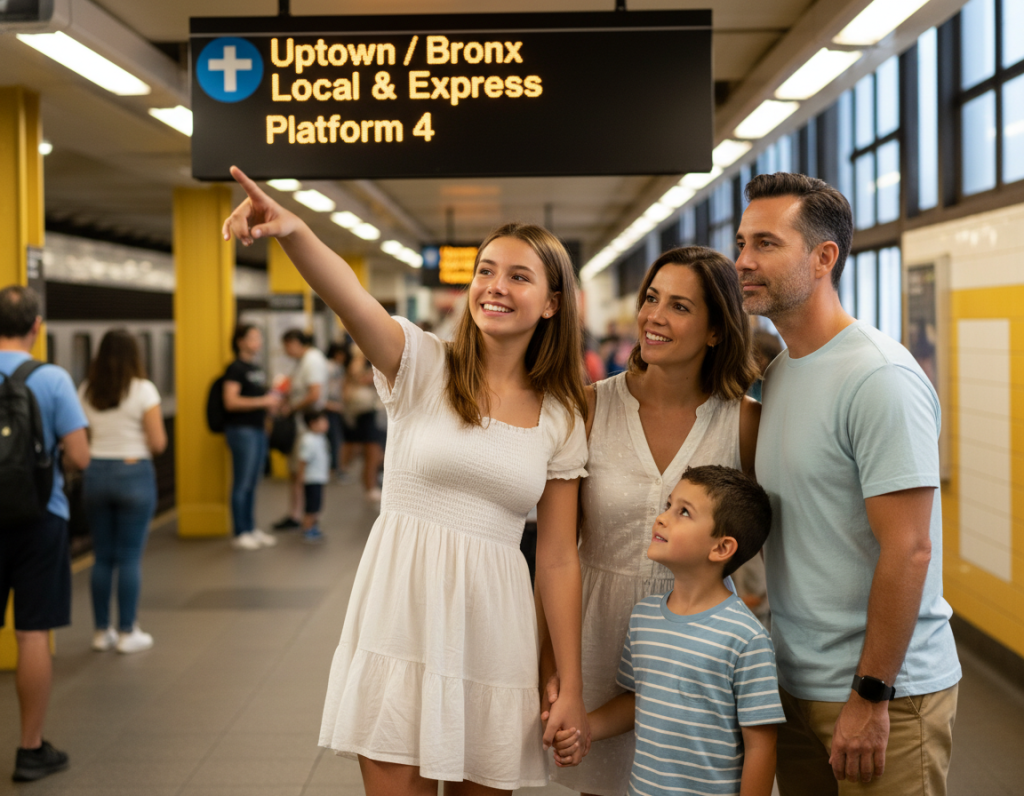
Learning to navigate New York’s subway system, read maps, plan routes, and get from one neighborhood to another requires problem-solving skills that translate to all areas of life. Teens who master NYC navigation gain confidence in their ability to figure out unfamiliar situations.
Unlike driving in a suburb where you’re isolated in a car, public transportation requires social awareness and interaction. Teens learn to read social cues, respect personal space, and navigate shared public spaces with people from every background imaginable.
Cultural Exposure Expands Perspectives
New York’s diversity isn’t just demographic—it’s actively visible and participatory. Summer festivals celebrate cultures from around the world. Restaurants serve authentic cuisines from every continent. Museums showcase art and artifacts from countless civilizations.
Teens exposed to this cultural wealth develop broader perspectives on the world. They encounter ideas, foods, music, and art that challenge assumptions and expand their understanding of human experience. This exposure creates more empathetic, culturally aware adults.
The casual mixing of people from different backgrounds in parks, on subways, and at events normalizes diversity in ways that can’t be taught in classrooms. Teens learn that differences are normal, interesting, and valuable rather than threatening or strange.
Urban Independence Within Safe Boundaries
Supervised Freedom
NYC allows teens to experience independence while remaining in a densely populated environment where adults are always nearby. Unlike rural areas where being alone means truly isolated, being alone in NYC means surrounded by thousands of people.
Public Accountability
The constant presence of others creates natural accountability. Teens make better choices knowing their actions are visible. This mirrors adult life more accurately than the private spaces where many teen poor choices happen.
Social Connections Happen Organically
Summer activities in New York naturally create opportunities for teens to meet peers outside their usual school bubble. Whether at concerts, parks, markets, or on ferry boats, the shared experiences of exploring the city create natural conversation starters.

These organic social interactions teach teens how to start conversations with strangers, read social situations, and develop friendships beyond their existing circles. These are crucial life skills that many young people struggle with in our increasingly digital world.
Dealing with Challenges Builds Resilience
Things don’t always go smoothly in NYC. Trains get delayed. Weather changes plans. Places are more crowded than expected. Lines are longer than hoped. These minor challenges teach teens to adapt, adjust expectations, and handle disappointment—essential resilience skills.
When teens successfully navigate these challenges, they gain evidence of their own competence. Each small victory (finding the right subway transfer, locating a specific address, ordering at a busy food stall) builds self-efficacy that generalizes beyond the immediate situation.
Exposure to Work and Purpose
Summer in New York means seeing people working in countless different ways. Street performers, food vendors, museum guides, ferry operators, park maintenance workers—the diversity of labor becomes visible.
Teens observe adults engaged in meaningful work of all types. This exposure helps them imagine future possibilities for themselves. Not everyone needs to work in an office or choose between limited career paths visible in smaller communities.

Physical Activity Happens Naturally
Unlike suburban environments designed around car travel, New York requires walking. Lots of walking. Teens exploring the city easily log 15,000-20,000 steps daily without thinking about exercise.
This incidental physical activity supports health without the pressure of formal sports or gym routines. Teens who don’t enjoy organized athletics still benefit from the movement required to experience the city.
The Right Balance: Independence with Structure
While these benefits are real, they’re maximized when teens have the right balance of independence and structure. Complete freedom can overwhelm, while too much restriction prevents growth.
Programs that provide frameworks for exploration while allowing choice and autonomy create optimal learning environments. Teens benefit from guidance in planning, safety protocols, and social support while still experiencing the independence that builds confidence.
How Camp New York Creates the Perfect Structured City Summer Experience

Camp New York transforms the incredible summer opportunities across New York City into a structured, safe, and social experience designed specifically for teenagers. We’ve spent years developing programming that gives young people the perfect balance of independence and support.
Supervised Exploration, Not Restriction
Our approach differs fundamentally from typical supervision. We don’t restrict teens from experiencing the city—we create frameworks that let them explore safely and meaningfully.
Professional counselors accompany groups but empower teens to navigate, make decisions, and lead. We teach subway navigation rather than just herding everyone together. We discuss choosing from multiple food options rather than deciding for the group.
Daily City Adventures
Every day brings new neighborhoods to explore, attractions to visit, and experiences to share. Our programming ensures teens see diverse parts of the city rather than just tourist highlights. We balance famous landmarks with local gems that reveal authentic New York life.
Peer Groups by Age
Groups are organized by age and interests, ensuring social compatibility. Teens connect with peers navigating similar life stages. These friendships often extend beyond summer, creating networks across schools and neighborhoods.
The Activities You’ve Read About—Together
Many activities described in this guide become part of Camp New York programming. Our groups kayak the Hudson together. We catch Shakespeare performances and outdoor concerts. We explore Roosevelt Island, walk the High Line, and spend beach days at Coney Island.

The difference is the social component and expert guidance. Activities that might feel awkward alone become adventures with friends. Counselors provide context about what we’re seeing, answer questions, and help teens extract meaning from experiences.
Building Real-World Skills
Camp New York intentionally develops practical skills teens need for independence. We teach:
- Public transportation navigation and safety awareness
- Budget management with daily spending decisions
- Social skills for interacting in diverse public spaces
- Problem-solving when plans change or challenges arise
- Time management and planning for complex urban days
- Cultural appreciation and respectful tourism
- Basic urban safety and street smarts
These skills develop through experience rather than lectures. Teens practice them daily in real-world contexts with support available when needed.
Safe Space for Growth

Our counselors are trained in youth development, not just supervision. They recognize when teens need encouragement versus independence. They create environments where it’s safe to try new things, make mistakes, and ask questions.
The group dynamic provides social support that individual exploration lacks. Teens encourage each other to try unfamiliar foods, initiate conversations, and step outside comfort zones. Peer support often proves more powerful than adult encouragement.
Flexible Programming for Different Interests
Camp New York offers multiple program tracks that emphasize different aspects of NYC summer:
Arts & Culture Track
Focus on museums, galleries, theater, music venues, and creative workshops. Perfect for teens interested in artistic pursuits and cultural experiences.
Adventure & Active Track
Emphasis on outdoor activities, sports, water activities, and physical exploration. Great for energetic teens who learn through movement.
General Exploration Track
Balanced mix of everything NYC offers. Ideal for first-time participants or those who want variety across all experience types.
Family Peace of Mind
Parents trust Camp New York because we maintain rigorous safety protocols while giving teens appropriate freedom. Daily communication keeps families informed. Emergency procedures are clear and practiced. Staff training exceeds industry standards.
We understand that giving teens independence creates parental anxiety. Our structure allows families to give teens meaningful experiences while maintaining reasonable oversight and safety nets.
Schedule That Works for Working Families
Camp New York operates during typical work hours, Monday through Friday. Drop-off and pick-up times accommodate commuter schedules. Extended day options provide additional flexibility for families who need it.
Our program gives teens purposeful activity during summer while parents work, eliminating the “home alone” dilemma many families face. Teens aren’t wasting summer on screens—they’re building memories and skills.
Affordable Access to NYC Summer
Camp New York pricing includes all activities, transportation, admission fees, and most meals. This bundled approach often costs less than families would spend organizing similar experiences independently.
Financial assistance and sliding scale options ensure that economic barriers don’t prevent participation. We believe all teens deserve access to meaningful summer experiences regardless of family resources.
How to Plan the Perfect New York Summer Day or Trip

Whether you’re visiting for a day, a weekend, or spending the whole summer exploring, smart planning helps you make the most of your time in New York without feeling overwhelmed or exhausted.
Start with Geography, Not Just Attractions
New York’s geography matters more than most visitors realize. Planning your day around neighborhoods rather than individual attractions saves significant travel time and creates a more cohesive experience.
Group activities by location. If you’re visiting the 9/11 Memorial in Lower Manhattan, combine it with the Staten Island Ferry, Battery Park, and potentially the Brooklyn Bridge—all within walking distance or a short subway ride.
Sample Neighborhood Clusters
Think of your day in terms of geographic zones rather than scattered attractions. Here are efficient combinations:
- Lower Manhattan: 9/11 Memorial, Staten Island Ferry, Battery Park, Brooklyn Bridge, South Street Seaport
- Midtown: Central Park (south), Bryant Park, Times Square, Museum of Modern Art, Top of the Rock
- Upper East Side: Metropolitan Museum, Central Park (north), Museum Mile, Guggenheim
- Brooklyn Waterfront: Brooklyn Bridge Park, DUMBO, Jane’s Carousel, Brooklyn Bridge, Brooklyn Heights
Balance High-Energy and Low-Energy Activities

New York City can be exhausting if you try to power through without breaks. The most successful days alternate between active exploration and relaxing recovery.
After walking the High Line, sit in Chelsea Market’s air conditioning. Follow a museum visit with time lying on a park lawn. Pair a food market’s crowds with a quieter waterfront walk. This rhythm prevents burnout and helps everyone enjoy the full day.
Use Morning Hours Strategically
Popular attractions are significantly less crowded before 10am. Early risers can walk the Brooklyn Bridge, visit the 9/11 Memorial, or explore Central Park with far fewer people around.
Museums open between 9-10am and see their lowest crowds in the first two hours. If you have morning people in your group, capitalize on this timing for must-see indoor attractions.
Build in “Discovery Time”
Over-scheduling kills spontaneity. Leave gaps in your itinerary for stumbling upon unexpected finds—a street festival, an interesting shop, a perfect cafe, or a park where you want to linger longer than planned.
Some of New York’s best experiences can’t be pre-planned. Walking through a neighborhood and following your curiosity often creates more memorable moments than rushing between scheduled activities.
Embrace the Mix of Free and Paid
Big Ticket Items
Choose 1-2 paid attractions that matter most to your group. These might be specific museums, attractions, or experiences worth the admission cost.
Free Experiences
NYC offers countless free activities. Parks, bridges, waterfront areas, outdoor concerts, and many of the activities described in this guide cost nothing.
Food Experiences
Budget for memorable meals or unique food experiences. NYC’s diversity means amazing food at all price points from food trucks to fine dining.
Master the Subway System
Learning the subway basics transforms your NYC experience. Download the MYmta app for real-time train information and service changes. Buy an unlimited MetroCard if you’re staying multiple days and plan to take many trips.

Trains run frequently enough that you don’t need to memorize schedules—just show up at the station. Express versus local trains make a difference on longer rides, so pay attention to announcements and digital signs.
Plan for Weather Flexibility
Summer weather in New York varies from perfect sunshine to sudden thunderstorms to oppressive heat and humidity. Have backup plans for different conditions.
Know which of your planned activities are outdoors versus indoors. On extremely hot days, alternate between air-conditioned spaces and outdoor activities. Save fully outdoor days like beach visits for weather that’s warm but not extreme.
Timing Meals Around Crowds
Eating at off-peak times saves both time and money. Lunch before 11:30am or after 2pm avoids the rush at popular spots. Dinner before 6pm or after 9pm means shorter waits and sometimes better service.
Food markets like Smorgasburg or Chelsea Market work better for groups with different preferences than trying to agree on one restaurant. Everyone can choose what appeals to them and meet to eat together.
Know Your Group’s Limits
Different people have different stamina levels. Teens might want to walk everywhere while parents need subway breaks. Acknowledge these differences in planning rather than pushing everyone to extremes.
It’s better to fully enjoy fewer activities than rush through a long list feeling stressed. Quality over quantity applies to travel as much as anything else.
Build in a Home Base Moment
If staying overnight in the city, return to your accommodation mid-afternoon for a rest break. This pause lets everyone recharge, change clothes if needed, and start the evening portion fresh.
For day trippers, claim a park bench or quiet spot around 3-4pm for a proper sit-down break before the evening portion of your day begins.
Sample Perfect Summer Day: Start early with a walk across the Brooklyn Bridge (7:30am, beat the crowds). Explore DUMBO and grab breakfast at a local cafe (9am). Relax in Brooklyn Bridge Park (10:30am). Take the ferry to Governors Island (noon). Picnic lunch on the island (1pm). Rent bikes and explore (2pm). Return ferry to Manhattan (4pm). Rest break in your hotel or a park (5pm). Early dinner in a new neighborhood (6pm). Evening concert or outdoor activity (8pm). Gelato and a walk home (9:30pm).
Frequently Asked Questions About Summer in New York
What are the best things to do in New York this summer?
The best summer activities in New York City include exploring Central Park, walking the Brooklyn Bridge at sunrise, catching free outdoor concerts, riding the Staten Island Ferry for Statue of Liberty views, and discovering The High Line’s elevated park.
Other top experiences include spending a day at Coney Island, kayaking the Hudson River for free, visiting Governors Island, seeing Shakespeare in the Park, and exploring food markets like Smorgasburg. The city offers hundreds of festivals, outdoor movie nights, and waterfront activities throughout summer.
For teens specifically, summer in New York City provides opportunities for independence, cultural exposure, and social connections that suburban environments can’t match. Programs like Camp New York structure these experiences with supervision while maintaining the freedom that helps young people grow.
Are there free or low-cost activities in NYC in summer?
New York offers countless free summer activities. All parks are free including Central Park, Prospect Park, Brooklyn Bridge Park, and Bryant Park. The Staten Island Ferry provides spectacular views without any admission cost.
Free programming includes Shakespeare in the Park, outdoor concerts in multiple parks, movie nights under the stars, and festivals celebrating different cultures nearly every weekend. Many museums offer free or pay-what-you-wish hours, particularly on specific weekdays or weekend evenings.
Walking across the Brooklyn Bridge, exploring the High Line, visiting the 9/11 Memorial Plaza, and free kayaking on the Hudson River all cost nothing. Street performers, outdoor art installations, and people-watching provide entertainment without spending money.
How can teens safely enjoy New York in the summer?
Teens can safely experience NYC by following basic urban safety practices: stay aware of surroundings, travel in groups when possible, keep phones charged, know your route before starting, and trust your instincts about situations that feel uncomfortable.
The subway system is safe for teens who understand how to navigate it properly. Stick to well-populated areas and trains, especially in evening hours. Public spaces like parks and major attractions maintain strong security and police presence during summer.
Many families find that structured programs provide the optimal balance of independence and safety. Camp New York offers supervised experiences where teens explore the city with professional guidance while building navigation skills and confidence. Our counselors teach urban safety alongside cultural appreciation, creating environments where young people can be independent within appropriate boundaries.
Parents interested in giving teens meaningful summer experiences with professional oversight can learn more about Camp New York programs designed specifically for this purpose.
What is Camp New York and how does it work?
Camp New York provides structured summer day programs where teens (ages 12-17) explore New York City together under professional supervision. Unlike traditional camps, we use the entire city as our campus, visiting different neighborhoods, attractions, and experiences daily.
Our programming balances independence with guidance. Teens learn to navigate public transportation, make spending decisions, and explore new environments while counselors provide safety oversight and educational context. Groups are organized by age and interests to ensure social compatibility.
Daily schedules include the types of activities described in this article—museum visits, park explorations, water activities, cultural events, food experiences, and neighborhood discovery. We also build essential skills like budget management, public transportation navigation, and urban safety.
Camp operates Monday through Friday during typical work hours, providing working families with meaningful teen programming. All activities, transportation, admission fees, and most meals are included in program fees. Financial assistance ensures economic barriers don’t prevent participation.
To learn more about 2026 summer programs, download our detailed program guide, call us at (212) 555-1234, or start the registration process online.
When is the best time to visit NYC in summer?
June offers ideal weather with warm temperatures but less humidity than July and August. Early summer also means fewer tourists than peak season. Late August brings great weather as humidity often breaks, though this coincides with back-to-school timing for many families.
Weekdays are less crowded than weekends at most attractions. If you have flexibility, Tuesday through Thursday typically offer the best combination of good weather and manageable crowds.
July 4th weekend brings incredible celebrations including the Macy’s Fireworks, but also peak crowds and higher prices. Memorial Day and Labor Day weekends bookend summer with festivals and events but similarly large crowds.
How much does a family trip to NYC cost in summer?
NYC trip costs vary dramatically based on choices. Budget-conscious families can visit affordably by staying in outer borough accommodations, using public transportation, eating at food trucks and markets, and focusing on free activities.
Mid-range family trips might budget 0-400 per day including hotel, food, transportation, and one paid attraction. This allows mix of free and paid activities plus decent meals without luxury prices.
Significant costs include accommodations (0-300+ per night for family-appropriate hotels), dining (-30 per person per meal at sit-down restaurants, less at casual spots), and major attractions (-50 per person for museums, tours, and entertainment).
Many free activities described in this guide—parks, bridges, ferries, outdoor concerts, and festivals—let families create meaningful experiences without major expenses. Strategic planning that balances free and paid activities controls costs while maximizing experiences.
Is New York City too hot in summer?
New York summers can be hot and humid, with temperatures regularly reaching the 80s and 90s Fahrenheit. July and August bring the highest temperatures and most humidity.
However, the city adapts well to summer heat. Most buildings, subway cars, buses, museums, and shops have air conditioning. Planning your day to alternate between outdoor and indoor activities makes the heat manageable.
Early mornings and evenings provide the most comfortable outdoor time. Many outdoor evening events take advantage of cooler temperatures as the sun sets. Water activities like kayaking, ferry rides, and waterfront parks provide natural cooling.
Stay hydrated, use sunscreen, wear light clothing, and adjust expectations for the pace of activities on the hottest days. The trade-off for summer heat is access to all the outdoor programming, events, and experiences that make NYC summers special.
Can you swim in NYC during summer?
Yes, NYC maintains public beaches at Coney Island, Brighton Beach, Rockaway Beach, and Orchard Beach. These beaches have lifeguards during summer season and offer ocean swimming completely free to the public.
Public pools operate throughout all five boroughs with minimal admission fees. Many neighborhoods have outdoor pools that provide relief from summer heat.
Governors Island added an urban beach in recent years, though swimming isn’t allowed there—it’s more for sand play and beach atmosphere. Brooklyn Bridge Park beaches similarly don’t permit swimming but offer sand and beach activities with skyline views.
The water quality at NYC beaches varies but generally meets safety standards during summer season. Lifeguards patrol during operating hours. Water temperatures are refreshing but cold early in summer, warming as the season progresses.
Your Unforgettable New York Summer Awaits

Summer in New York City offers something that no other place can quite replicate: the perfect blend of world-class culture, outdoor adventure, diverse communities, and urban energy all accessible within a few subway stops.
Whether you’re spending a weekend exploring with family or your teen is joining a structured program like Camp New York for the entire summer, the experiences described in this guide provide starting points for discovery. Each person will create their own version of a perfect New York summer based on interests, energy levels, and what catches their attention.
The city rewards both planning and spontaneity. Know the landmarks you don’t want to miss, but leave room for unexpected finds. Trust that you can’t see everything, so focus on truly experiencing what you do choose rather than rushing through a checklist.
For parents of teenagers, summer in New York represents an opportunity to give your young person experiences that build confidence, independence, and cultural awareness in ways that will serve them throughout life. The skills and memories created during a summer exploring this incredible city become part of who they are.
For Families Planning a Visit
Use this guide to create an itinerary that balances your must-see attractions with relaxed exploration time. Remember that quality experiences trump quantity. Your family’s perfect New York summer might look completely different from another family’s, and that’s exactly how it should be.
For Families Seeking Structure
If you want your teen to experience everything this guide describes in a supervised, social, skill-building environment, Camp New York creates exactly that opportunity. Our experienced counselors transform individual activities into meaningful group experiences with lasting impact.
New York City summers are special precisely because they’re accessible to everyone. The best things to do in New York this summer include experiences at every price point, interest level, and energy requirement. From quiet morning walks across bridges to energetic afternoon beach days to evening concerts under the stars, the city welcomes you.
This summer, whether you visit for a day or stay for months, New York will show you why millions of people choose to call this remarkable place home. The energy, diversity, culture, and possibility that define the city become even more apparent when the weather warms and everyone spills outdoors together.
The things to do in New York this summer are limitless. The memories you’ll create last forever. Whether you’re planning a family trip or considering a structured program for your teenager, the time to start is now. New York City is waiting to show you its summer magic.
Camp New York is waiting for you… Apply now!