
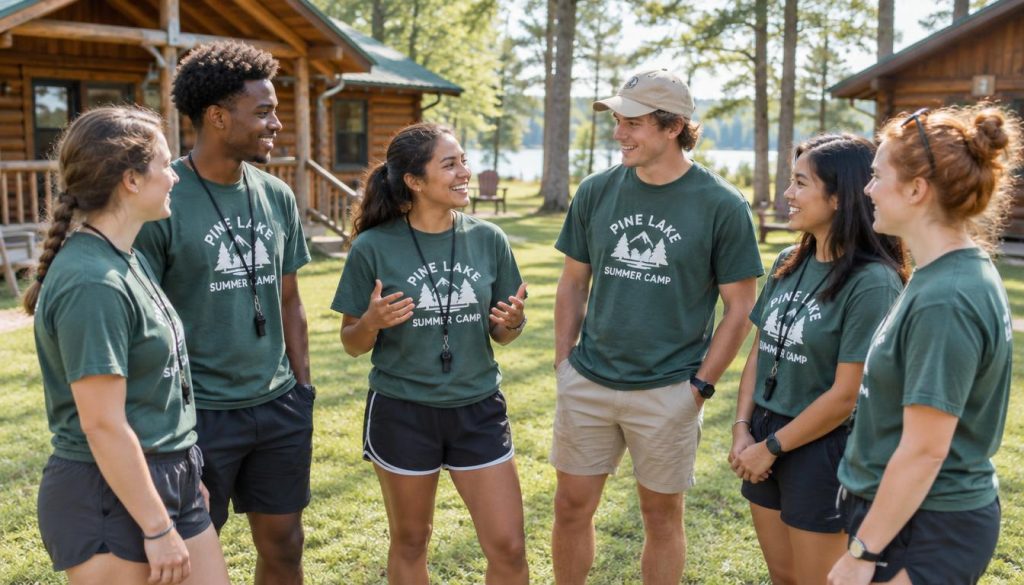
Every individual arrives at summer camp with distinct instincts, instincts that influence how they communicate, resolve cabin dilemmas, and lead morning cheers. Exploring what your camp counsellor personality says about you highlights the strengths you naturally bring to communal living, youth mentorship, and collaborative leadership.
While every counsellor possesses an individual identity, five enduring archetypes appear during staff orientation each season. Recognising your dominant style clarifies your strongest contributions to the team and indicates where your innate talents create positive camp memories.
How to Use This Personality Guide
This personality framework operates as an intuitive guide rather than a clinical assessment. Summer camp thrives on spontaneity, emotional intelligence, and shared resilience, so view these categories as dynamic profiles reflecting personal strengths.
Review each archetype and consider how your natural habits surface during group tasks or unfamiliar challenges. Most people embody traits across multiple categories, shifting from spirited leader to empathetic listener depending on cabin needs.
Authentic camp leadership relies on self-awareness rather than rigid categorisation. Spotting your primary instincts helps you lean into your strengths while learning from counsellors whose temperaments balance yours.
The 5 Camp Counsellor Personality Types
Summer camps function as vibrant micro-communities where diverse working styles complement one another. Here are the five core profiles that keep camp spirit, organisation, and cabin morale flourishing.
1. The Energiser
The Energiser provides contagious enthusiasm, arriving at dawn ready for high-tempo cheers and spontaneous games. This counsellor thrives in open spaces, rallies tired groups during afternoon lulls, and views every quiet moment as a chance to initiate fun.
- Key strengths: Motivating others, leading whole-camp games, maintaining cabin spirit, and injecting optimism into damp weather days.
- Camp contribution: Unstoppable momentum, infectious positivity, and an atmosphere where children feel encouraged to participate without hesitation.
- You might be this type if: You are the first person on the dining hall benches for camp songs and the last to lose your voice at evening campfire.
2. The Nurturer
The Nurturer serves as the steady emotional foundation of the cabin, offering warmth, patience, and attentive listening. This counsellor notices when a camper feels homesick, settles bedtime anxieties with calm reassurance, and builds an environment where everyone feels valued.
- Key strengths: Providing one-to-one emotional support, active listening, creating cabin belonging, and defusing social conflicts with gentle empathy.
- Camp contribution: Emotional safety, quiet dependability, and heartfelt guidance that turns anxious first-time campers into confident community members.
- You might be this type if: Friends instinctively come to you when they need thoughtful advice, honest compassion, or a calming presence.
3. The Organiser
The Organiser values precision, clear routines, and reliable coordination amidst the bustle of camp daily life. When gear needs packing for an overnight hike or activity schedules require swift adjustment, this counsellor remains unflappable and thorough.
- Key strengths: Resource management, practical scheduling, logistical planning, and maintaining tidy living spaces during hectic weeks.
- Camp contribution: Predictability, calm under pressure, and reliable structure that supports smooth transitions between complex programme blocks.
- You might be this type if: Your bags are always systematically packed, your planner is neat, and you instinctively formulate backup plans for travel days.
4. The Creative
The Creative perceives the camp environment as an expansive canvas for imaginative storytelling, visual flair, and spontaneous theatre. Whether inventing an elaborate skit, transforming scrap materials into stage props, or composing cabin chants, their originality inspires campers to express themselves freely.
- Key strengths: Developing themed events, directing cabin performances, teaching visual arts, and designing memorable camp ceremonies.
- Camp contribution: Originality, visual excitement, and an open platform for campers to discover untapped artistic passions.
- You might be this type if: You can turn a cardboard box, leftover string, and marker pens into an imaginative costume before the lunch bell rings.
5. The Adventurer
The Adventurer is rooted in the natural world, possessing a keen interest in outdoor exploration, bushcraft skills, and backcountry discovery. Their practical resilience and respect for wildlife inspire young people to challenge themselves safely along woodland trails and lakeshores.
- Key strengths: Trail navigation, fire building, outdoor resilience, environmental teaching, and encouraging sensible outdoor risk-taking.
- Camp contribution: Curiosity about nature, outdoor safety habits, and inspiring young campers to unplug from digital screens.
- You might be this type if: You would readily choose a muddy hiking trail, a kayak paddle, or a starry bivouac over an afternoon indoors.
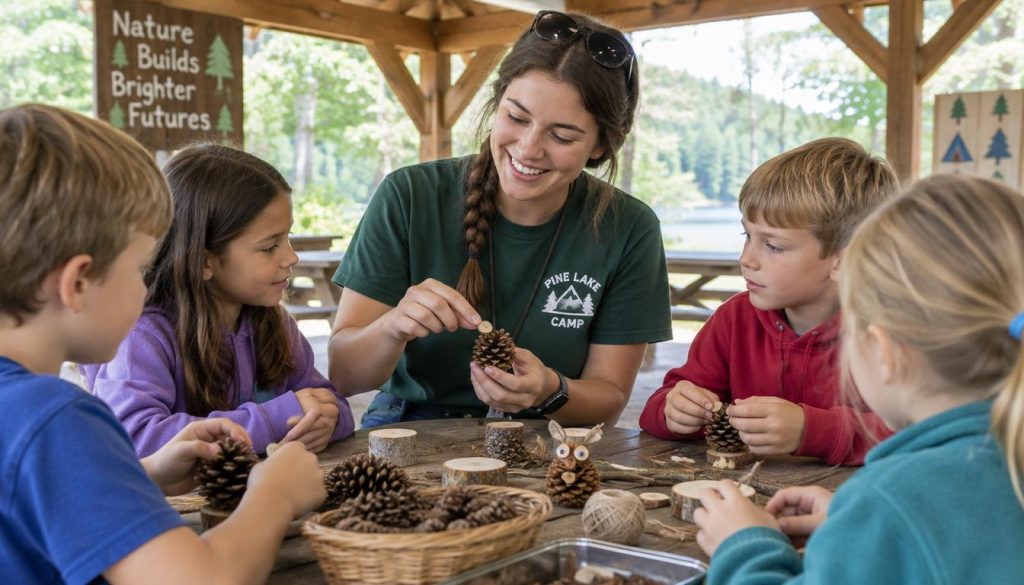
What Your Personality Says About Your Camp Role
Camps feature an extensive array of specialist and general counselling roles designed to match distinct personal skills. Understanding your personality tendencies helps identify which activities and cabin age groups align most naturally with your strengths.
High-energy leaders naturally excel at field sports, all-camp events, and water games. In contrast, patient and nurturing counsellors often build exceptional rapport with younger bunks or within camper care support roles requiring sensitive pastoral attention.
| Personality Type | Key Strengths | Best Suited To |
| The Energiser | Motivating others | Field sports, waterfront games, and all-camp entertainment |
| The Nurturer | Pastoral care | Junior camper bunks, pastoral support, and quiet cabin leadership |
| The Organiser | Time management | Activity scheduling, trip logistics, and camp equipment coordination |
| The Creative | Artistic design | Ceramics, performing arts, musical theatre, and themed camp events |
| The Adventurer | Outdoor skills | Trail hiking, wilderness survival, climbing, and canoeing expeditions |
Most counsellors successfully blend multiple archetypes throughout a single day. A well-rounded camp staff pairs analytical thinkers with spontaneous creators, producing a balanced environment where every camper finds a relatable mentor.
What Your Camp Counsellor Personality Says About You—and What It Teaches Us About Great Counsellors
Examining these five profiles demonstrates that there is no singular mould for exceptional youth mentorship. What matters most is applying your authentic strengths towards supporting children, building community trust, and embracing team collaboration.
Strong counsellors combine energy with active empathy, stepping forward to lead when enthusiasm flags and stepping back when a camper needs quiet reassurance. Stepping outside your comfort zone accelerates professional confidence, as explored in the guide to camp counselor personal growth.
Camp directors value varied personality traits across their teams. The most impactful staffs feature thoughtful problem solvers alongside spirited song leaders, creating a secure environment for every child.
How Camp New York Helps You Become a Great Counsellor
Embarking on a summer placement abroad involves thorough administrative and personal preparation. Exploring your specific day-to-day duties through summer camp counselor responsibilities establishes clear operational expectations before departing for the season.
Camp New York guides prospective staff through recruitment support, matching individual skill sets and personality strengths to welcoming American camps. Prospective candidates can explore Camp New York camps and locations across New York State and the broader Tri-State area, offering proximity to iconic cultural landmarks alongside scenic outdoor settings.
Candidates can meet recruiting directors face to face at regional events or online. You can find out about the Manchester summer camp recruitment fair or learn about virtual summer camp job fairs with Camp New York to discuss placements directly.
Beyond interviews, team members receive guidance regarding the J-1 cultural exchange visa and DS-2019 paperwork. Many applicants also explore why people want to work in the USA to consider broader cultural horizons, review long-term opportunities via summer camp careers, or simply read interesting summer camp counsellor facts while finalising their plans.
Frequently Asked Questions
What are the different camp counsellor personality types?
The five primary types include the Energiser, the Nurturer, the Organiser, the Creative, and the Adventurer. Each archetype reflects distinct personal strengths, from lively public motivation to quiet empathy and practical organisation.
Which camp counsellor personality am I?
Your type corresponds to your natural instincts during group activities and unexpected challenges. Reviewing the strengths and daily habits of each profile highlights where your character traits naturally align.
Can I be more than one type?
Most counsellors exhibit a healthy blend of multiple personality archetypes. You might display the high energy of an Energiser during camp games while adopting the quiet patience of a Nurturer during bedtime cabin chats.
What qualities make a great camp counsellor?
Great counsellors share core qualities including emotional empathy, adaptability, clear communication, and a genuine passion for youth development. Reliability and an open mindset remain far more important than fitting one narrow personality profile.
How does my personality affect my camp role?
Your personality helps directors match you with compatible age groups, activity areas, and cabin assignments. High-tempo personalities often lead field sports, while reflective planners excel at trip logistics or specialised studio instruction.
How does Camp New York match counsellors to camps?
Camp New York assesses your personal interests, certified skills, and overall temperament during the application and interview stages. Directors then connect you with summer camps whose environment and camper demographics fit your profile.
What’s the best part of being a camp counsellor?
Counsellors frequently value the lifelong friendships formed among staff and the satisfaction of building camper confidence. Working within a close-knit camp community offers deep personal growth alongside unforgettable international memories.
How do I apply to be a camp counsellor with Camp New York?
You can begin by completing the online registration on the official Camp New York website. From there, team members assist you through the interview stages, background checks, and placement process.
Ready to Find Your Camp Counsellor Personality?
Summer camp thrives because diverse personalities unite around a shared commitment to young people, outdoor adventure, and positive community spirit. Embracing your unique mix of energy, empathy, and creativity allows you to deliver meaningful support to campers while gaining lifelong skills.
Discover Your Summer Camp Potential
Whether you bring boundless enthusiasm, steady organisation, creative flair, or wilderness skills, camp teams welcome your personal strengths. Start your placement journey today to discover which camp counsellor personality you develop across the summer.