

World Wildlife Day is a global United Nations observance held annually on 3 March to celebrate wild animals and wild plants. Camp New York provides summer camp placements across the United States, offering animal care as one of its distinct camp counsellor role areas. While caring for animals at camp centres on domestic routines rather than wildlife conservation, both paths share a commitment to respect, welfare, and thoughtful education.
Finding the right summer role depends on your practical background, your comfort with daily outdoor responsibilities, and your desire to support young people. Understanding how seasonal camps approach nature and animal welfare helps you decide whether these placements match your personal strengths.
What is World Wildlife Day?
World Wildlife Day takes place on 3 March every year as an official United Nations observance. It honours the diverse species of wild fauna and flora that sustain global ecosystems. Unlike an informal social celebration or a public holiday, this day serves to raise awareness of international biodiversity and the urgent need to protect threatened habitats.
The term wildlife encompasses wild plants alongside wild animals, recognising that healthy vegetation forms the foundation of all natural communities. Celebrating this date offers individuals and educational groups an occasion to reflect on sustainable living, habitat preservation, and ecological balance around the globe.
The United Nations established World Wildlife Day to highlight international conservation priorities, reminding communities everywhere that conserving native plants is just as vital as protecting wild creatures.
What does World Wildlife Day have to do with summer camp?
Because 3 March falls outside the standard American summer camp season, camps do not host official World Wildlife Day celebrations during their operating calendar. However, the core values behind the observance translate naturally into summer camp life. Camp environments encourage young people to notice their surroundings, ask questions about local ecosystems, and build healthy respect for all living things.
Counsellors guide campers to observe natural habitats from a considerate distance, turning outdoor curiosity into positive learning experiences. Not every camp maintains dedicated nature centres or animal facilities, but many incorporate environmental awareness into daily outdoor programming.
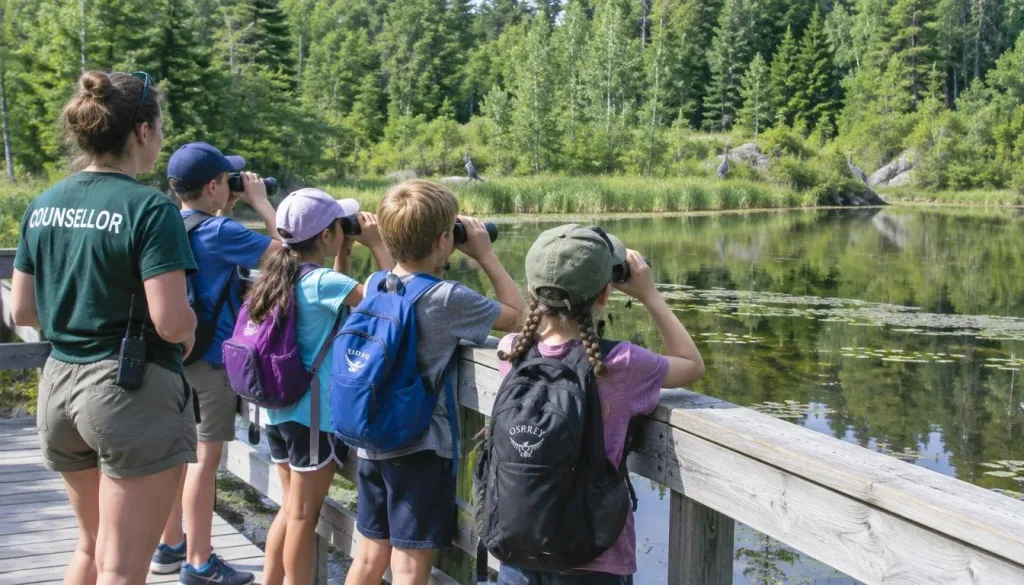
Guided observation walks encourage young people to appreciate local wildlife and plant life from a respectful distance.
Animal care is one of Camp New York’s counsellor role areas
If you enjoy caring for animals and helping young people learn, animal care could be a camp role worth exploring. Camp New York offers animal care as one of its camp counsellor role areas, with individual opportunities depending on the needs of each camp. These specialist placements allow counsellors with relevant handling experience to manage specific animal spaces whilst contributing to the wider camp community.
Placements vary significantly depending on camp facilities, camp traditions, and seasonal staffing requirements. Prospective applicants should enquire directly about current role availability rather than expecting every facility to host the same animals or programme styles.
Animal care roles at summer camp are arranged based on individual camp requirements, seasonal availability, and demonstrated applicant suitability.
What could an animal care camp counsellor do?
Counsellor responsibilities depend heavily on the specific facility, but every placement centres on structure, safety, and consistent daily welfare. An animal care camp counsellor generally assists with the practical upkeep of designated spaces rather than clinical or veterinary procedures. Training and direct supervision are provided by the individual camp to align with their standard operating guidelines.
Typical daily duties may include several core tasks:
- Following established feeding schedules, fresh water routines, and dietary plans under guidance.
- Helping maintain clean living enclosures, pens, grooming equipment, and secure storage areas.
- Observing animal behaviour carefully and reporting any physical or behavioural concerns promptly to the designated supervisor.
- Preparing approved resources and equipment for scheduled camper education sessions.
- Helping campers follow safety rules, wash hands thoroughly, and maintain calm boundaries around animals.
- Contributing to general cabin supervision, pastoral support, and whole-camp activities alongside specialist duties.
Animal care and wildlife conservation: understand the difference
It is important to distinguish domestic animal care in a summer camp setting from professional wildlife conservation or zoological work. Camp placements focus on the daily welfare of domestic or farm animals kept in managed enclosures, combined with introductory youth education. In contrast, professional conservation focuses on wild species protection, habitat restoration, and biological research in natural ecosystems.
Understanding these distinct areas helps applicants set realistic expectations before applying for summer camp jobs with animals.
| Area | Main focus | What not to assume |
| Animal care | Domestic welfare | It does not involve veterinary medicine, surgery, or clinical wildlife rehabilitation. |
| Nature education | Camper learning | It does not involve capturing, handling, or domesticating wild creatures found on camp grounds. |
| Conservation | Ecosystem health | Summer camps do not operate as formal conservation research stations or zoological reserves. |
What experience could help your application?
Applying for an animal care role requires tangible evidence of practical capability, dependability, and youth engagement. Enthusiasm alone cannot replace demonstrated experience with regular animal handling or outdoor leadership. When preparing your application, focus on concrete responsibilities you have held, the care routines you followed, and how you communicated with others.
Relevant backgrounds often combine practical handling with general teamwork:
Practical Animal Experience
Volunteering with animal charities, assisting on family farms, or completing coursework in animal care demonstrates that you understand routine sanitation and physical handling demands.
Youth and Leadership Experience
Guiding youth groups, coaching, or volunteering at youth organisations proves your ability to supervise young people and enforce safety rules around living creatures.
World Wildlife Day-inspired activities for camp
Counsellors who want to share an appreciation for biodiversity can introduce engaging, non-contact nature activities for campers. These sessions promote environmental curiosity without disturbing local fauna or native flora. All proposed camp sessions require prior approval from camp leadership and must adhere strictly to local safety policies.
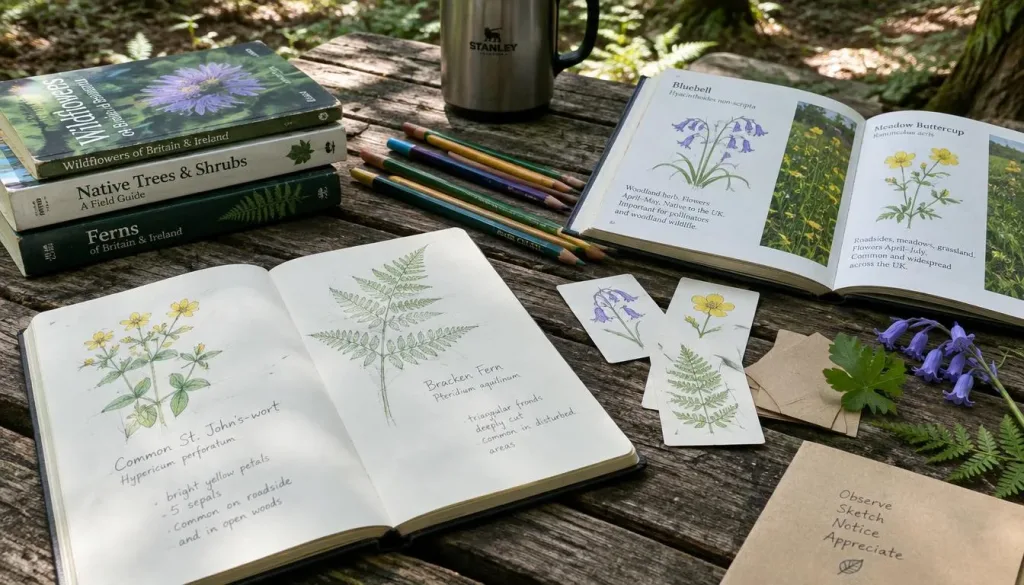
Hands-on educational projects allow campers to explore habitat structures without interacting directly with wild animals.
1. A wildlife observation walk
Take campers along an approved trail to spot native birds, insects, and plant species from an established distance. You need binoculars, field guides, and notebooks. Keep the focus entirely on quiet observation without disturbing nests, overturning rocks, or feeding wild creatures. For mobility adaptations, select paved or level camp paths so all participants can join comfortably. Check local trail conditions and weather forecasts before setting out.
2. A habitat drawing challenge
Divide campers into small teams to sketch local woodland or wetland habitats, labelling the essential food, shelter, and water resources required by resident species. You need drawing paper, coloured pencils, and reference books. Campers consult approved field guides to confirm real dietary needs rather than fictional depictions. Provide visual reference cards or pair campers together to accommodate different drawing proficiencies. Run the session in a sheltered outdoor pavilion to prevent papers blowing away in windy conditions.
3. A wildlife quiz
Design a friendly, team-based quiz focusing on regional wildlife habits, plant identification, and local ecosystem functions. You need prepared question cards and scoreboards. Emphasise collaborative learning by reading brief explanatory facts after each answer rather than focusing solely on competitive scoring. Use verbal questions alongside picture cards to support diverse learning styles. Keep questions age-appropriate so that junior and senior campers remain equally engaged.
4. A nature journal session
Encourage campers to spend dedicated quiet time recording observations about weather patterns, leaf shapes, tree bark textures, or bird songs. You need blank journals and writing implements. Remind campers to leave natural items where they rest rather than collecting living leaves, wild flowers, or insects. Offer options to write descriptive poetry, sketch foliage, or dictate thoughts to a partner to support varying literacy levels. Choose a secure, shaded seating space free from tripping hazards or stinging insects.
5. A “design a habitat” team challenge
Challenge groups to construct a scale model of a balanced ecosystem using clean, recyclable materials such as cardboard boxes, paper tubes, and twine. You need non-toxic craft supplies, safety scissors, and clean cardboard. Clearly explain that these creations are purely educational models, never temporary enclosures for real living animals. Assign distinct roles such as material organiser, designer, and presenter so that every group member contributes according to their comfort level. Clear away all construction scraps afterwards to keep the camp site tidy.
Caring for animals means more than enjoying their company
Working around animals at camp involves rigorous physical labour, strict hygiene protocols, and early morning routines. Counsellors spend considerable time shovelling bedding, scrubbing water troughs, hauling feed bags, and monitoring hygiene stations. Animals are living beings with specific biological needs, never novelty entertainment or informal photo backdrops for social media.
Staff members must follow standard operating procedures diligently and seek advice from their supervisor whenever an animal displays unusual behaviour. Attentiveness and emotional maturity help protect animal wellbeing and camper safety throughout the season.
Camp staff must never attempt to administer medication, alter prescribed diets, or manage injuries independently; all medical concerns must be directed immediately to the designated animal supervisor.
How to explore an animal care role with Camp New York
Securing an animal care placement involves working through the standard Camp New York application while clearly presenting your practical animal background. Because individual summer camp jobs with animals depend on specific camp contracts, flexibility regarding overall duties remains essential. Counsellors should prepare to explain how their previous experience translates into daily camp responsibilities.
Follow these practical preparation steps:
- Review general camp counsellor eligibility requirements and verify your travel paperwork readiness.
- Confirm your full availability across the typical summer camp season before submitting dates.
- Compile concrete details of any voluntary or practical animal experience, noting routines followed.
- Summarise previous roles involving youth leadership, teaching, or teamwork in community clubs.
- Ask about current animal care roles at summer camp during your scheduled interview conversations.
- Clarify on-site supervision structures, daily maintenance routines, and the species present at potential placements.
- Submit your profile through the official Camp New York application process accurately and honestly.
Frequently asked questions
When is World Wildlife Day?
World Wildlife Day is an official United Nations observance held annually on 3 March. It highlights the conservation of wild animals and plants across international ecosystems.
Does Camp New York offer animal care camp counsellor roles?
Camp New York offers animal care as one of its camp counsellor role areas for seasonal placements. Specific opportunities depend on current camp demand, facility requirements, and applicant experience.
What does an animal care camp counsellor do?
An animal care counsellor assists with daily feeding, enclosure cleaning, resource preparation, and supervising campers around domestic animals. Counsellors work under established camp guidelines rather than conducting veterinary procedures.
Do I need previous animal care experience?
Relevant hands-on handling or volunteering experience is necessary for animal care placements. Camps look for demonstrable competence in routine care, dependable hygiene practices, and youth supervision.
Will I work with wild animals?
No, camp animal care positions involve domestic or farm animals rather than wild creatures. Summer camps do not offer hands-on contact with native wildlife or operate as wildlife rehabilitation centres.
Can I suggest nature-themed activities at camp?
Counsellors can often propose educational nature sessions that encourage observation and environmental respect. Any proposed activity requires prior approval from camp directors to verify that safety and supervision standards are met.
Turn your interest in animals into a camp application
World Wildlife Day is a chance to appreciate the natural world and think about how we care for living things. If you enjoy working with animals, supporting young people and being part of a team, explore animal care camp counsellor opportunities with Camp New York. Check the current requirements and tell us honestly about the experience you could bring.