

Taking a gap year jobs abroad represents one of the most transformative decisions you’ll make after finishing school. Thousands of UK students each year choose to step away from immediate university enrollment to explore the world, gain work experience, and discover themselves through international employment opportunities.
The gap year jobs overseas market has expanded dramatically over the past decade. What once meant backpacking through Europe on a shoestring budget now encompasses structured work programs across six continents. From teaching English in Costa Rica to leading adventure activities at summer camps in the United States, the options have never been more diverse or accessible.
This comprehensive guide will walk you through everything you need to know about securing gap year work experience abroad. We’ll explore the types of positions available, the benefits they offer, and how to choose the right opportunity for your personal and professional goals. You’ll also discover why working at an American summer camp like Camp New York stands out as an exceptional gap year option that combines adventure, skill-building, and cultural exchange.
Whether you’re drawn to the idea of exploring New Zealand farms, volunteering in South Africa, or spending your summer months in the mountains of upstate New York, this guide will help you make an informed decision about your gap year journey.
What Are Gap Year Jobs Abroad and Why Do They Matter?
Gap year jobs abroad are temporary employment positions specifically designed for young adults taking time between secondary education and university or between university and career. These roles typically last from one month to twelve months and provide both income and meaningful work experience in an international setting.
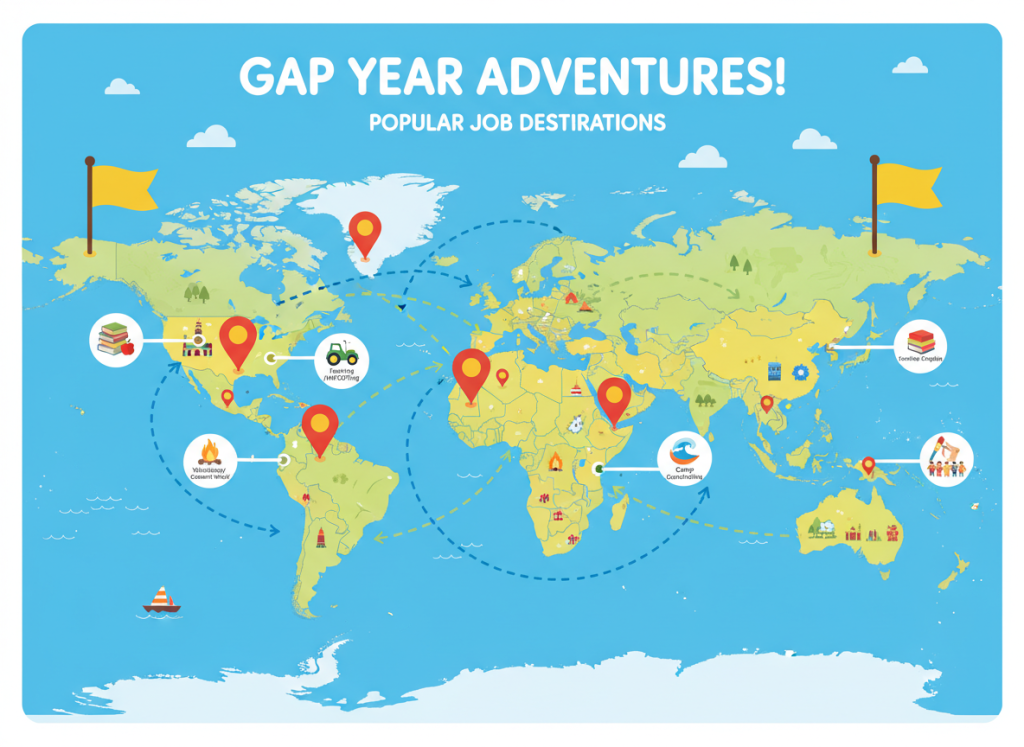
Unlike traditional tourism, gap year work programs immerse you in local communities. You’ll develop practical skills, build international networks, and gain perspectives that classroom learning simply cannot provide. The experience transforms your CV from a list of academic achievements into evidence of real-world capability.
The Core Value Proposition
Gap year employment abroad offers three distinct advantages that make it worthwhile. First, you earn money while traveling instead of depleting savings. Many programs provide room and board alongside wages, significantly reducing your living costs during the gap year period.
Second, you gain verifiable work experience that employers and universities value. Leadership roles, cross-cultural communication, problem-solving under pressure – these competencies develop naturally when you’re working thousands of miles from home. Your future job applications will stand out when you can discuss managing diverse teams or adapting to unexpected challenges in foreign environments.
Third, you experience personal growth that accelerates maturity and self-awareness. Independence develops quickly when you must navigate unfamiliar transportation systems, communicate across language barriers, and make decisions without parental guidance. Students who take gap years consistently report increased confidence and clearer career direction upon returning home.
How Gap Year Work Differs from Volunteering
Many people confuse gap year jobs with volunteer programs, but key differences exist. Paid positions provide wages and often include benefits like accommodation, meals, and travel allowances. Volunteer programs typically require you to pay fees for the privilege of working, though they may offer other valuable experiences.
Paid work also tends to involve greater responsibility and skill development. Employers invest in training because they expect professional performance. This creates accountability that strengthens your learning and provides more substantive experience for your CV.
Start Your Gap Year Adventure at Camp New York
Camp New York offers UK students a structured, paid gap year program in the beautiful Adirondack Mountains. You’ll earn competitive wages while developing leadership skills, making lifelong friends, and experiencing authentic American culture. Applications for summer 2025 are now open.
Types of Gap Year Jobs Abroad: Finding Your Perfect Match
The global work travel landscape offers remarkable diversity in job categories, destinations, and experience levels. Understanding the main types helps you identify opportunities aligned with your interests, skills, and gap year goals.
Teaching and Education Roles
Teaching English abroad remains one of the most popular gap year programs for native English speakers. Countries across Asia, Latin America, and Eastern Europe actively recruit young teachers to work in language schools, public schools, and private tutoring centers.

These positions typically require minimal qualifications beyond native-level English and a bachelor’s degree (or enrollment proof). Some programs require TEFL certification, which you can obtain online in four to six weeks. Teaching roles usually last one semester or one academic year, providing stable income and deep cultural immersion.
Language teaching develops valuable skills including public speaking, curriculum planning, and cross-cultural communication. The work can be challenging – managing classrooms of enthusiastic children tests patience and creativity – but offers immense satisfaction when students progress.
Camp Counselor and Activity Leader Positions
Summer camp jobs represent an ideal gap year option, particularly for students who enjoy working with children and outdoor activities. The United States hosts thousands of residential camps that hire international staff each summer through programs like Camp New York!
Camp roles range from general counselors who supervise cabin groups to specialist instructors teaching activities like swimming, arts and crafts, drama, sports, or adventure programs. The work is intensive – expect long days and constant engagement – but incredibly rewarding and fun.
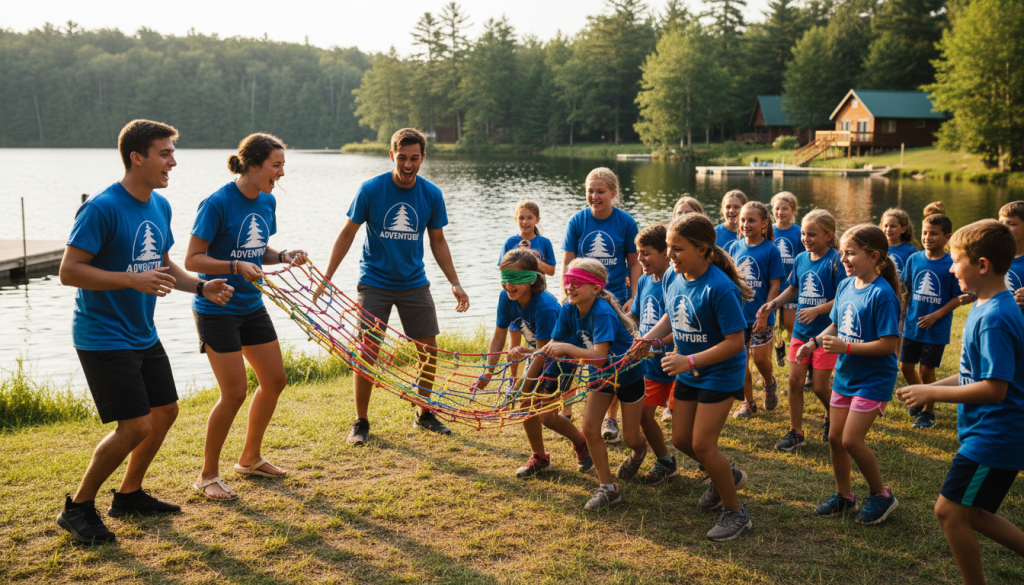
Most camp positions last eight to ten weeks during the American summer months (June through August). Staff receive accommodation, all meals, and a wage that varies by experience and role. Many camps also provide travel time after the program ends, allowing you to explore the United States before returning home.
Working at summer camp develops leadership, responsibility, and creativity. You’ll gain experience managing groups, resolving conflicts, ensuring safety, and creating engaging programs – all transferable skills that universities and employers highly value.
Hospitality and Tourism Work
Hotels, resorts, restaurants, and tour companies in popular destinations regularly hire gap year workers for seasonal positions. Ski resorts in the Alps, beach hotels in Thailand, and adventure tourism companies in New Zealand all seek enthusiastic young staff.
Hospitality roles include positions like hotel reception, restaurant service, kitchen work, housekeeping, and guest relations. Tourism positions might involve leading tours, managing bookings, or coordinating activities. These jobs offer flexible schedules, opportunities to meet travelers from around the world, and often access to adventure activities during time off.

The working holiday visa programs available to UK citizens make Australia, New Zealand, and Canada particularly accessible for hospitality work. These countries allow you to work for any employer for up to twelve months, giving you freedom to move between locations and roles.
Farm Work and WWOOFing
Agricultural work provides a unique gap year experience focused on sustainable living, physical labor, and rural life. Programs like WWOOF (Worldwide Opportunities on Organic Farms) connect volunteers with organic farms across sixty countries.
Farm work typically involves planting, harvesting, animal care, and property maintenance. You work several hours each day in exchange for accommodation and meals. While most farm positions don’t pay wages, they minimize living costs and provide authentic experiences in nature.

Farm stays suit students seeking slower-paced experiences focused on sustainability, simple living, and connection with the land. The work is physically demanding but offers unique learning about agriculture, ecology, and self-sufficiency. Many participants find farm experiences deeply grounding and restorative.
Internships and Professional Experience
Professional internships abroad provide career-focused gap year experiences in fields like business, marketing, journalism, conservation, and healthcare. These positions offer industry exposure, professional networking, and substantive CV entries relevant to future careers.
Organizations like Global Work & Travel and InterExchange facilitate international internship placements. Roles vary from unpaid positions with accommodation provided to paid professional positions with competitive salaries. Duration typically ranges from three to twelve months.

Internships suit students who have identified career interests and want to explore specific industries before committing to university courses. The experience provides clarity about career paths and often leads to valuable mentor relationships and professional references.
Charity and Development Work
International development organizations, conservation projects, and charitable initiatives offer gap year positions focused on social impact. Projects might involve teaching in underserved communities, wildlife conservation, construction work, or healthcare support.
Many charity positions require program fees that fund accommodation, meals, and project costs. However, reputable organizations like VSO and Raleigh International offer some funded positions for young volunteers. These experiences suit idealistic students motivated by social contribution rather than wages.

Charity work develops empathy, cultural awareness, and understanding of global challenges. The experience often proves transformative, shifting perspectives and inspiring future career choices in social sectors. However, approach these opportunities carefully to ensure they genuinely benefit local communities rather than serving primarily as tourist experiences.
Teaching & Education
Perfect for natural communicators who enjoy sharing knowledge and working with diverse age groups in classroom environments.
- TEFL positions across Asia and Latin America
- Private tutoring in European cities
- Language exchange programs
- Educational summer camps worldwide
Camp & Youth Work
Ideal for energetic individuals who love outdoor activities and want to make a positive impact on young people’s lives.
- Residential summer camps in the USA
- Adventure activity instruction
- Sports coaching and leadership
- Arts and creative program delivery
Hospitality & Tourism
Great for social personalities who enjoy fast-paced environments and want to explore popular travel destinations while earning.
- Resort and hotel positions in ski destinations
- Restaurant and bar work in tourist areas
- Tour guide and activity coordination
- Hostel management and guest services
Professional Internships
Suited to career-focused students seeking relevant experience in specific industries before committing to academic specializations.
- Business and marketing placements
- Conservation and environmental roles
- Media and journalism positions
- Healthcare and medical observation
Why Gap Year Jobs Abroad Transform Your Future
The benefits of working abroad during your gap year extend far beyond the immediate adventure. These experiences create lasting advantages that influence your academic performance, career trajectory, and personal development for years to come.
CV and Career Enhancement
Employers consistently rank international work experience among the most valuable credentials for young job applicants. A gap year job abroad demonstrates initiative, adaptability, and cultural competence – qualities that distinguish you from peers who followed traditional paths straight from school to university.

Specific skills you’ll develop include problem-solving under uncertainty, working with diverse teams, managing responsibilities independently, and communicating across cultural boundaries. These competencies appear on nearly every job description across industries, giving you concrete examples to discuss in future interviews.
University admissions tutors also value gap year experiences. When you apply for competitive courses, your application essays can draw on real-world experiences rather than only academic achievements. This depth makes your application memorable and demonstrates maturity beyond your years.
Language Skills and Cultural Fluency
Working in a foreign environment accelerates language learning far more effectively than classroom study. Daily necessity forces you to practice – whether ordering supplies, understanding instructions, or building relationships with colleagues. Immersion creates natural fluency that years of textbook learning cannot match.
Even in English-speaking countries like the United States, you’ll develop new communication skills. Regional accents, cultural references, and social norms vary significantly between the UK and other English-speaking nations. Navigating these differences builds flexibility and awareness.

Cultural fluency – the ability to understand and adapt to different social contexts – becomes second nature when you live and work internationally. You’ll learn to recognize communication styles, respect different values, and find common ground across differences. These skills prove invaluable in our increasingly globalized world.
Confidence and Independence Building
Few experiences build self-reliance as effectively as working abroad. When you’re thousands of miles from family support systems, you must learn to solve problems, make decisions, and trust your judgment. This independence accelerates personal maturity remarkably.
Common challenges like navigating transportation systems, managing finances, solving workplace conflicts, and handling homesickness all contribute to resilience. Each obstacle you overcome reinforces your capability and confidence. By the end of your gap year, you’ll feel equipped to handle whatever challenges university or career present.

This confidence manifests in tangible ways. Gap year participants report feeling more comfortable speaking in public, approaching strangers, trying new activities, and taking calculated risks. These qualities enhance university experiences and career performance throughout life.
Travel and Adventure Opportunities
Most gap year jobs provide built-in travel opportunities either during the position or in dedicated travel periods afterward. Working at an American summer camp, for example, typically includes several weeks of travel time post-program when you can explore cities across the United States.
The money you earn subsidizes this travel, making extensive exploration financially feasible. Instead of watching your savings disappear during backpacking trips, you’ll have income to fund adventures. Many gap year workers report traveling to places they never imagined they could afford.

Beyond geographic travel, these jobs facilitate internal journeys of self-discovery. Time away from familiar environments encourages reflection about values, goals, and identity. Many students return home with clearer direction and renewed motivation for their studies.
Network Building and Lifelong Friendships
The relationships you build during gap year work often prove surprisingly enduring. Shared adventures, challenges overcome together, and the intensity of living in close quarters create deep bonds quickly. These friendships frequently last for decades.
International networks also provide practical benefits. Future career opportunities sometimes emerge from gap year connections. At minimum, you’ll have friends in countries around the world – valuable contacts for future travel, cultural exchange, and global perspective.

Professional networks matter too. The supervisors who observe your work ethic, problem-solving, and reliability often become valuable references. These endorsements from international employers strengthen future job applications and demonstrate your capability to independent assessors.
Academic Performance Enhancement
Research consistently shows that students who take gap years perform better academically than peers who proceed directly to university. The combination of increased maturity, clearer motivation, and enhanced time management skills translates into better grades and higher graduation rates.
Gap year experiences also provide context that enriches academic learning. When you study international relations after working in South Africa, or psychology after managing children at summer camp, the coursework connects to lived experience. This integration deepens understanding and enhances engagement.
Build Your Future at Camp New York
A summer working at Camp New York provides all these benefits in one structured program. You’ll develop leadership skills, earn competitive wages, travel across America, and build international friendships – all while experiencing the adventure of a lifetime. Our comprehensive training and support system ensures you’re never facing challenges alone.
Requirements and Preparation for Gap Year Jobs Abroad
Successfully securing and thriving in gap year work abroad requires careful preparation across several key areas. Understanding requirements and planning thoroughly will maximize your chances of acceptance and ensure smooth experiences once you arrive.
Age Requirements and Eligibility
Most gap year job programs require participants to be at least eighteen years old, though some positions accept seventeen-year-olds with parental consent. Upper age limits vary by program – working holiday visas typically restrict participants to those under thirty years old, while summer camp programs usually prefer staff under twenty-five.

Your nationality affects eligibility for different programs. UK citizens enjoy access to working holiday visa schemes with Australia, New Zealand, Canada, and Japan. American summer camp programs welcome UK applicants through cultural exchange visas specifically designed for this purpose.
Some positions require specific qualifications or experience. Teaching roles may need TEFL certification or a relevant degree. Specialist camp positions like lifeguards or climbing instructors require valid certifications. General counselor positions typically need only enthusiasm and basic childcare experience, which babysitting or volunteer work provides.
Language Proficiency Standards
English-speaking gap year jobs obviously require strong English proficiency. For UK students, this presents no barrier. However, if you’re considering positions in non-English speaking countries, language requirements vary significantly.
Teaching English abroad usually requires native or near-native English proficiency regardless of your proficiency in the local language. Many programs provide initial language training to help you navigate daily life, but classroom instruction typically occurs in English.

For hospitality or professional internships in non-English countries, basic conversational ability in the local language significantly improves your employment prospects. Even rudimentary skills demonstrate respect and commitment, making you a more attractive candidate than applicants who show no language effort.
Visa and Legal Requirements
Visa requirements represent perhaps the most complex aspect of working abroad. Each country maintains different rules, and staying legally compliant is essential. Violations can result in deportation, bans from future entry, and damage to your permanent records.
The United States requires summer camp workers to obtain J-1 cultural exchange visas. Camp New York will help facilitate this process, but you must provide required documents including passport, photographs, proof of enrollment or recent graduation, and program fees. The process typically takes six to eight weeks.

Working holiday visas for Australia, New Zealand, and Canada allow UK citizens aged eighteen to thirty to live and work for up to twelve or twenty-four months depending on the country. Application processes occur entirely online and usually process within several weeks. These visas offer maximum flexibility for exploring different jobs and locations.
Some programs arrange work permits on your behalf, particularly structured placements like internships or teaching positions. Always clarify who handles visa applications before committing to any program, and never arrive in a country intending to work without proper authorization.
Insurance and Safety Considerations
Comprehensive travel insurance is non-negotiable for gap year work abroad. Standard travel policies designed for short holidays don’t provide adequate coverage for extended stays or employment situations. You need specialized gap year or working holiday insurance.
Essential coverage includes medical expenses, emergency evacuation, personal liability, and lost belongings. Many policies also cover trip cancellation, which protects your investment if unexpected circumstances prevent you from completing your program. Expect to pay between three hundred and eight hundred pounds for annual coverage depending on destinations and coverage limits.

Research safety conditions in your destination country thoroughly. The UK Foreign Office provides detailed travel advice including security warnings, health risks, and local laws. Register with the Foreign Office’s online service so they can contact you if emergencies arise in your destination.
Reputable gap year programs prioritize participant safety through comprehensive orientations, emergency protocols, and ongoing support. Organizations like Camp New York maintain full-time staff dedicated to international employee welfare, providing support for everything from homesickness to medical issues.
Essential Skills and Personal Qualities
Beyond formal qualifications, certain personal qualities dramatically increase your success in gap year jobs abroad. Flexibility tops the list – plans change, expectations differ from reality, and adaptability determines whether challenges feel overwhelming or exciting.
Communication skills matter enormously. You’ll need to express yourself clearly across cultural and possibly linguistic barriers, listen actively to understand different perspectives, and resolve conflicts diplomatically. Strong communicators thrive in international environments; poor communicators struggle.

Responsibility and reliability prove critical when working far from home. Employers need to trust that you’ll show up on time, complete tasks thoroughly, and maintain professional standards without constant supervision. Building this trust early creates opportunities for increased responsibility and better references.
Emotional resilience helps you navigate the inevitable difficult moments. Homesickness, cultural adjustment stress, workplace conflicts, and personal setbacks all occur during extended international stays. The ability to process emotions, seek support when needed, and maintain perspective through challenges separates successful gap year participants from those who return home early.
Financial Planning and Budgeting
While many gap year jobs provide income, you’ll still need startup funds to cover initial costs before your first paycheck arrives. Budget for visa fees, flights, travel insurance, equipment needed for your role, and living expenses for your first month.
Realistic estimates for program costs vary widely by destination and job type. Summer camp programs typically cost between four hundred and eight hundred pounds for processing, visa, and flights. Working holiday visas to Australia or New Zealand may cost similar amounts but with higher flight expenses.

Track your spending carefully during your gap year to ensure your savings last and you return home solvent. Many workers find that after covering initial setup costs, their wages sufficiently cover living expenses with surplus for travel. Accommodation and meals provided by employers significantly reduce your financial burden.
Set clear savings goals before departure. How much do you want to save during your gap year? What will you spend on post-work travel? Having specific targets helps you make smart financial decisions throughout your experience.
Health Preparations and Vaccinations
Schedule a pre-travel health appointment at least eight weeks before departure. Your GP or travel clinic will review required and recommended vaccinations for your destination. Some countries mandate specific immunizations for visa approval; others simply recommend protection against local diseases.
Common vaccinations for gap year travelers include Hepatitis A and B, Typhoid, Yellow Fever (for certain African and South American destinations), and routine boosters for Tetanus, Diphtheria, and Polio. Some vaccines require multiple doses over several weeks, making early planning essential.

If you take regular medications, arrange adequate supplies or research availability in your destination country. Carry copies of prescriptions and a letter from your doctor explaining your medical needs. Some countries restrict certain medications that are common in the UK, so verify regulations before packing.
Mental health preparation matters too. The stress of cultural adjustment, homesickness, and new responsibilities can affect psychological wellbeing. Identify coping strategies, maintain connections with home, and know how to access mental health support if needed. Most reputable programs provide employee assistance resources for emotional and psychological challenges.
- Research multiple gap year programs thoroughly
- Verify visa requirements for your chosen destination
- Obtain necessary certifications (TEFL, lifeguard, etc.)
- Save funds for startup costs and emergencies
- Discuss plans with family and seek their support
- Check passport validity (minimum 6 months beyond stay)
Before You Apply
- Complete all application forms accurately and honestly
- Gather required documents and references promptly
- Attend interviews professionally and enthusiastically
- Ask questions about program details and expectations
- Review contract terms carefully before signing
- Maintain communication with program coordinators
During Application Process
- Arrange comprehensive travel insurance coverage
- Complete all required vaccinations and health checks
- Book flights and arrange airport transfers
- Pack appropriate clothing and equipment for your role
- Set up international banking and phone service
- Register with UK Foreign Office travel service
- Make copies of important documents (passport, visa, insurance)
- Say proper goodbyes to family and friends
- Prepare mentally for cultural adjustment period
Before Departure
Why Camp New York Is the Perfect Gap Year Job Abroad
Among the hundreds of gap year opportunities available to UK students, working at an American summer camp stands out as exceptionally valuable. Camp New York specifically offers a combination of structure, support, compensation, and experience that makes it an outstanding choice for your gap year adventure.

The American Summer Camp Experience
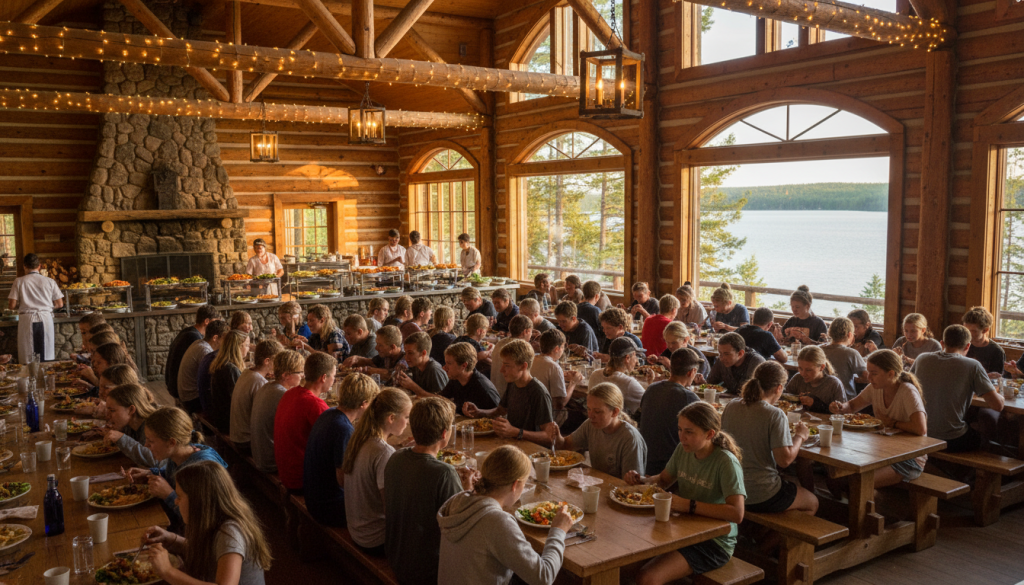
American residential summer camps represent a unique cultural institution with no direct equivalent in the UK. For eight to ten weeks each summer, children aged seven to fifteen live at camp, participating in structured programs that combine outdoor activities, creative pursuits, sports, and social development.
As an international staff member, you’ll live alongside campers and fellow counselors, creating an immersive community experience. Days are busy and structured – you might lead morning swim lessons, supervise afternoon sports, facilitate evening campfire programs, and ensure cabin groups settle safely for the night.
This intensity creates incredibly strong bonds both with campers and fellow staff. You’ll share experiences that range from hilarious mishaps to deeply moving moments. Camp friendships develop quickly and tend to last far beyond the summer months.

Structured Support and Training
Camp New York distinguishes itself through comprehensive training and support systems designed specifically for international staff. Unlike gap year jobs where you arrive and figure things out independently, camps provide thorough orientation covering everything from activity safety to American cultural norms.
Pre-camp training typically lasts four to five days. You’ll learn child development principles, behavior management strategies, safety protocols, activity instruction methods, and emergency procedures. This preparation ensures you feel confident and capable before campers arrive.
Throughout the summer, experienced directors and supervisors provide ongoing support. Weekly staff meetings address challenges, celebrate successes, and ensure everyone maintains high standards. This structure means you’re never struggling alone – help is always available.

The J-1 visa program that facilitates camp employment includes built-in protections and standards. The US Department of State regulates these programs, requiring camps to maintain specific housing standards, provide adequate compensation, and ensure proper working conditions. These regulations protect international workers and guarantee baseline quality.
Competitive Compensation and Benefits
Camp positions offer competitive packages that combine wages with valuable benefits. While exact compensation varies by experience and role, typical packages include salary ranging from one thousand to two thousand dollars for an eight-week season, plus room and board throughout your entire stay.
The value of provided accommodation and meals significantly exceeds what wages alone suggest. If you were traveling independently in the United States, you’d spend thirty to fifty dollars daily on food and accommodation. Over ten weeks, this totals three thousand to five thousand dollars in saved expenses.
Many camps also cover your visa processing fees and may contribute toward flights. Camp New York provides all necessary equipment for your role – whether that’s arts supplies, sports gear, or specialized activity equipment. You won’t face unexpected costs that diminish your earnings.
Post-camp travel time allows you to explore America before returning home. Your visa typically permits thirty days of travel, during which you can visit cities like New York, Boston, Washington DC, or venture further to places like California or Florida. Your camp earnings fund these adventures without touching savings from home.
Leadership Development and Skill Building
Few gap year experiences develop leadership skills as effectively as camp counseling. You’ll have direct responsibility for children’s safety, wellbeing, and experience – accountability that demands maturity and capability.
Specific skills you’ll develop include group management, conflict resolution, public speaking, curriculum planning, risk assessment, emergency response, and mentorship. You’ll make dozens of decisions daily, learning to balance competing priorities and maintain composure under pressure.

These experiences translate directly to university success and career advantage. When you return to academic studies, you’ll excel at group projects, presentations, and time management. When you enter the job market, you’ll interview with concrete examples of leadership, responsibility, and problem-solving that most peers cannot match.
Camp New York particularly emphasizes staff development through specialized training tracks. You might pursue certifications in areas like wilderness first aid, challenge course facilitation, or specialized activity instruction. These credentials add value to your CV while enhancing your camp role.
Cultural Exchange and American Immersion
Working at an American camp provides authentic cultural immersion that tourism cannot replicate. You’ll experience American culture from the inside, building genuine relationships with American colleagues and campers’ families. This depth creates understanding that transcends stereotypes and superficial observations.
The J-1 visa program explicitly aims to foster cultural exchange. The US government created these visas to build international understanding and expose American communities to global perspectives. Your presence enriches the camp community just as the experience enriches you.

You’ll gain insights into American values, communication styles, humor, and social norms through daily interactions. These cultural lessons prove valuable throughout life, whether you pursue international careers, host American friends visiting the UK, or simply consume American media with deeper understanding.
Conversely, you’ll share British perspectives with Americans who may never have met someone from the UK. You become a cultural ambassador, representing your country and broadening horizons for everyone you encounter. This exchange creates meaningful connections across national boundaries.
Safety and Wellbeing Priorities
Parent choosing to send their children to residential camp demand exceptional safety standards. American camps operate under strict regulations covering everything from waterfront safety to food service hygiene to staff background checks. These standards protect both campers and staff.
Camp New York maintains comprehensive safety protocols including certified lifeguards at all water activities, health center staffed with medical professionals, regular safety drills, and clearly defined emergency procedures. All staff receive thorough safety training, and experienced supervisors monitor all activities.

For international staff, camps provide additional support addressing homesickness, cultural adjustment, and personal challenges. Camp New York assigns each international staff member a mentor who checks in regularly and provides guidance. Directors maintain open-door policies for anyone needing support or advice.
The camp environment also offers physical safety that solo travel cannot match. You’ll live in a controlled, supervised community rather than navigating unfamiliar cities alone. This security gives families peace of mind while still providing you adventure and independence.
Building Lifelong Connections
Camp friendships form quickly and last remarkably long. The intensity of living together, working toward shared goals, and navigating challenges as a team creates bonds that endure decades. Many camp staff report that their closest adult friendships originated at camp.
These connections span the globe. You’ll work alongside fellow international staff from countries across Europe, South America, Asia, and beyond. You’ll befriend American staff from diverse regions and backgrounds. This network provides future travel opportunities, career connections, and lifelong friendship.

Camper relationships matter too. You’ll influence young people during formative summers, creating impacts that ripple through their lives. Years later, you may receive messages from former campers describing how you inspired them or helped them through difficult times. These connections provide profound satisfaction.
Camp New York facilitates ongoing community through alumni networks, social media groups, and reunion events. The camp experience doesn’t end when summer concludes – you join a permanent community of people who share unique bonds and understanding.

Authentic American Experience
Immerse yourself in genuine American culture at a traditional sleepaway camp in the stunning Adirondack Mountains. You’ll experience American traditions, build lasting friendships with US staff and campers, and gain insights that tourism cannot provide.

Comprehensive Support System
Camp New York provides thorough pre-camp training, ongoing mentorship, and dedicated support for international staff. You’ll receive safety certification, activity instruction training, and cultural orientation ensuring you feel confident and prepared throughout your summer.

Leadership Development
Develop real leadership skills through direct responsibility for camper groups, activity instruction, and program delivery. You’ll gain experience in team management, conflict resolution, public speaking, and decision-making that transforms your CV and confidence.
Ready to Start Your Camp New York Adventure?
Join hundreds of UK students who have chosen Camp New York for their gap year experience. Our application process is straightforward, and our team is ready to answer all your questions about visas, roles, and what to expect during your American summer camp adventure.
How to Get a Gap Year Job Abroad: Your Step-by-Step Guide
Securing the right gap year position requires strategic planning and methodical execution. Follow these steps to maximize your chances of acceptance into competitive programs and ensure smooth preparation.

Step One: Research and Identify Your Priorities
Begin by clarifying your gap year goals and preferences. What do you want from this experience? Consider factors like preferred destinations, work types that interest you, duration you can commit, budget constraints, and specific skills you want to develop.
Create a comparison list of programs that match your criteria. Evaluate each option based on cost, reputation, support provided, visa requirements, and alignment with your goals. Read reviews from past participants – their experiences reveal program strengths and weaknesses that marketing materials omit.
Narrow your list to three to five top choices. Having backup options proves wise since some programs fill quickly or may not accept all applicants. Apply to multiple programs simultaneously to maximize your options.
- Define your priorities: Write down what matters most – specific countries, job types, duration, budget limits, desired skills development, and deal-breakers.
- Research extensively: Spend time exploring program websites, reading reviews on platforms like Go Overseas, joining gap year forums, and speaking with past participants if possible.
- Compare programs systematically: Create a spreadsheet comparing costs, inclusions, durations, support services, visa assistance, and reputation across your shortlisted options.
- Read the fine print: Review program terms carefully, noting cancellation policies, what’s included versus additional costs, insurance requirements, and participant obligations.
- Contact program representatives: Ask questions about anything unclear – responsiveness and helpfulness during the inquiry stage often indicates support quality during the program.
Step Two: Choose the Right Organization
Selecting a reputable organization makes enormous difference to your gap year experience. Established organizations provide superior support, maintain safety standards, navigate visa complexities effectively, and intervene when problems arise.
Warning signs of questionable programs include vague information about costs, lack of clear safety protocols, poor communication responsiveness, absence of emergency procedures, and overly aggressive sales tactics. Trust your instincts – if something feels wrong during the application process, it likely won’t improve once you’ve paid.

For summer camp work.. it’s Camp New York! W handle visa logistics, match you with appropriate camps, provide pre-departure orientations, and offer support throughout your stay.
Working holiday programs to Australia, New Zealand, or Canada allow you to work independently rather than through placement organizations. However, consulting with gap year specialists can still prove valuable for advice on job hunting, accommodation, and planning.
Step Three: Complete Your Application Thoroughly
Application quality directly impacts acceptance chances, particularly for competitive programs. Invest time crafting thoughtful, honest, detailed applications that showcase your personality, capabilities, and genuine enthusiasm.
Most applications require personal statements explaining why you want this opportunity and what you’ll contribute. Avoid generic responses that could apply to any program. Instead, demonstrate specific knowledge about the organization and articulate clearly how this experience aligns with your personal goals.

References matter significantly. Choose referees who know you well and can speak to relevant qualities like responsibility, reliability, enthusiasm, and ability to work with others. Teachers, coaches, employers, or volunteer coordinators make strong references. Give referees adequate notice and provide them context about the position so their letters can address relevant competencies.
Be completely honest in applications. Misrepresenting qualifications, experience, or background creates problems later and may result in dismissal if discovered. Programs want genuine people, not perfect people – honesty about your authentic self serves you better than fabricated credentials.
Step Four: Prepare for Interviews
Many gap year programs include interviews as part of selection. These may occur via video call, phone, or in-person at recruitment events. Preparation significantly improves your interview performance and confidence.
Research common interview questions for your specific program type. Summer camp interviews typically explore your experience with children, how you handle challenges, your activity skills, and why you want to work at camp. Teaching program interviews focus on classroom management philosophy, adaptability, and cultural sensitivity.

Prepare specific examples from your experiences that demonstrate relevant qualities. Use the STAR method (Situation, Task, Action, Result) to structure responses clearly. For instance, if asked about handling conflict, describe a specific situation, your responsibility, actions you took, and the positive outcome.
Dress professionally even for video interviews. Choose quiet, tidy locations with good lighting. Test technology beforehand to avoid connection problems. Arrive (or log in) several minutes early. These details demonstrate professionalism and respect.
Prepare thoughtful questions to ask interviewers. Genuine curiosity about daily responsibilities, training provided, support systems, or past participant experiences shows engagement and helps you gather information needed for informed decisions.
Step Five: Secure Your Visa and Travel Documents
Once accepted, visa processing becomes your next priority. Start immediately – visa applications take time and delays can jeopardize your entire plan. Most programs provide detailed guidance and support for visa applications specific to their requirements.
For US summer camp J-1 visas, your sponsoring organization guides you through each step. You’ll complete online applications, pay fees, attend embassy interviews, and provide required documents. The process typically requires six to eight weeks, though processing times vary.

Working holiday visas for countries like Australia and New Zealand process entirely online. You’ll submit applications through official government immigration websites, pay fees electronically, and receive decisions via email. These visas typically process faster than J-1 visas, often within one to four weeks.
Check your passport validity immediately upon program acceptance. Most countries require passports valid for at least six months beyond your intended stay. If your passport expires soon, renew it before applying for visas to avoid complications.
Gather all required documents systematically. Common requirements include passport photos meeting specific dimensions, proof of travel insurance, financial statements showing adequate funds, confirmed accommodation details, and return flight bookings or proof of sufficient funds to purchase them.
Step Six: Arrange Practical Logistics
Successful gap year experiences require thorough practical preparation beyond visas. Create comprehensive checklists covering accommodation, flights, insurance, banking, phone service, packing, and goodbyes.
Book flights strategically. Look for student discounts and gap year fares that allow flexible date changes. Consider arriving a day early to recover from jet lag before orientation. For camp programs, coordinate arrival dates with program requirements – many specify exact arrival days and times.

Arrange international phone service before departure. Options include adding international plans to your UK service, purchasing local SIM cards upon arrival, or using services like Google Fi. Reliable communication matters for staying connected with program coordinators, family, and new friends.
Set up banking that minimizes international transaction fees. Cards like Monzo or Revolut offer favorable exchange rates and low fees for foreign transactions. Notify your banks of travel dates to prevent fraud holds. Carry some local currency for immediate needs upon arrival.
Purchase comprehensive gap year insurance covering your entire trip duration plus any post-work travel. Review policy details carefully, ensuring coverage includes all planned activities. Some adventure activities like bungee jumping or scuba diving require additional coverage.
Step Seven: Complete Pre-Departure Preparations
Final weeks before departure require focused attention to remaining details. Attend all pre-departure orientations offered by your program – these provide essential information and opportunities to connect with other participants.
Complete any required online training modules or certifications. Some programs require participants to complete child protection training, first aid courses, or activity-specific certifications before arrival. Stay on top of deadlines to avoid last-minute stress.

Pack strategically based on your destination climate, job requirements, and personal needs. Most programs provide detailed packing lists. Remember essential documents, medications, comfort items from home, and appropriate clothing for work and leisure. Avoid overpacking – you can purchase many items after arrival.
Say proper goodbyes to family and friends. These farewells provide closure and ensure important people know your plans. Share emergency contacts, itinerary details, and ways to stay connected. Emotional goodbyes are normal and healthy – acknowledging feelings helps everyone process your departure.
Prepare yourself mentally for cultural adjustment. Expect to feel overwhelmed initially – this is completely normal. Cultural adaptation follows predictable phases including excitement, frustration, adjustment, and finally comfort. Understanding this pattern helps you recognize that difficult moments are temporary.
Essential Documents Checklist
- Passport (valid 6+ months beyond stay)
- Visa approval or authorization documents
- Travel insurance policy and emergency numbers
- Flight confirmations and itineraries
- Program acceptance letters and contracts
- Accommodation confirmation details
- Emergency contact information (family, program, embassy)
- Copies of all important documents (physical and digital)
- Vaccination records and health information
- Prescription medications with doctor’s letters
- International driver’s license (if planning to drive)
- Credit cards and some local currency

Frequently Asked Questions About Gap Year Jobs Abroad
What are gap year jobs abroad?
Gap year jobs abroad are temporary employment positions designed for young adults taking time between school and university or between university and career. These roles typically last from one month to twelve months and provide both income and meaningful work experience in international settings. Common options include teaching English, working at summer camps, hospitality positions, farm work, professional internships, and charity work across destinations worldwide.
Are gap year jobs abroad paid?
Yes, many gap year jobs abroad provide paid wages. Summer camp positions typically pay between one thousand and two thousand dollars for eight to ten weeks plus room and board. Teaching positions vary widely by country but often provide sufficient income to cover living expenses. Working holiday visas allow you to take any paying job in host countries. Some volunteer and charity positions don’t pay wages but provide accommodation and meals, reducing your costs. Always clarify compensation details before committing to any program.
Can first-year university students do gap year jobs abroad?
Yes, many gap year opportunities welcome university students taking time during or after their first year. Summer camp programs particularly suit university students since they operate during summer holidays without conflicting with academic calendars. Working holiday visas remain available to anyone aged eighteen to thirty regardless of university enrollment status. Some positions like professional internships may actually prefer students who have completed some university coursework in relevant fields. Check specific program requirements to confirm eligibility.
Do I need work experience before applying for gap year jobs abroad?
Requirements vary by position type. General summer camp counselor roles typically require only enthusiasm, maturity, and basic childcare experience that babysitting or volunteer work provides. Teaching positions may require TEFL certification but rarely demand previous professional teaching experience. Specialist roles like lifeguards, climbing instructors, or professional internships do require relevant certifications or experience. Many programs specifically target gap year students without extensive work histories, focusing instead on personal qualities like reliability, flexibility, and positive attitudes.
How long do gap year jobs abroad typically last?
Duration varies significantly by program type. Summer camp positions last eight to ten weeks during June through August. Teaching contracts typically span one semester (four to five months) or one full academic year (ten to twelve months). Working holiday visas allow stays up to twelve or twenty-four months depending on the destination country. Short-term positions like seasonal hospitality work may last just one to three months. Choose duration based on your gap year timeline, budget, and how much time you want for post-work travel.
What is the best country for gap year jobs abroad?
The “best” country depends on your personal priorities and interests. The United States offers excellent summer camp opportunities with structured programs, good pay, and amazing travel opportunities. Australia and New Zealand provide working holiday visas with incredible natural beauty and adventure activities. Costa Rica suits students interested in Spanish language learning and eco-tourism. Thailand and Vietnam offer low living costs and teaching opportunities. South Africa combines wildlife experiences with charity work. Consider factors like language, climate, activities available, cost of living, and cultural interests when choosing your destination.
How much money do I need to save before taking a gap year job abroad?
Initial costs vary by destination and program but typically range from one thousand to three thousand pounds. This covers visa fees (one hundred to five hundred pounds), flights (three hundred to one thousand pounds), travel insurance (three hundred to eight hundred pounds), and initial living expenses before your first paycheck. Programs that provide accommodation and meals from day one require less startup funding than positions where you arrange your own housing. Build an emergency fund of at least five hundred to one thousand pounds for unexpected expenses. Many gap year workers find that after covering initial setup costs, their wages sufficiently cover living expenses with surplus for travel.
Will gap year jobs abroad help my university applications or CV?
Absolutely. University admissions tutors value gap year experiences as evidence of maturity, initiative, and real-world learning. Your personal statements become more compelling when you can reference international work experience rather than only academic achievements. Employers consistently rank international experience among the most valuable credentials for young job applicants because it demonstrates adaptability, cultural competence, independence, and practical skills like leadership and problem-solving. Gap year jobs provide concrete examples you can discuss in interviews that distinguish you from peers who followed traditional paths. The combination of personal growth, skill development, and global perspective significantly enhances both university applications and future employment prospects.
Is it safe to work abroad during a gap year?
Reputable gap year programs prioritize participant safety through comprehensive protocols, emergency procedures, and ongoing support. Summer camps operate under strict regulations covering everything from waterfront safety to food service to staff background checks. Teaching programs provide orientations on local safety, emergency contacts, and cultural norms. Working holiday programs offer less structure, requiring more personal responsibility for safety decisions. Research safety conditions in destination countries through UK Foreign Office travel advisories. Purchase comprehensive travel insurance including emergency evacuation coverage. Choose established organizations with proven track records. Register with the UK Foreign Office travel service so they can contact you in emergencies. With proper preparation and sensible precautions, gap year work abroad is very safe, and millions of young people complete programs annually without incident.
Can I travel after my gap year job ends?
Yes, most gap year programs include travel time either during or after your work period. Summer camp J-1 visas typically permit thirty days of travel throughout the United States after your camp contract ends. Your camp earnings fund these adventures without depleting savings from home. Working holiday visas allow you to work and travel throughout the visa validity period – you might work several months, travel several months, work again in a different location, and continue this pattern. Teaching contracts often include holiday breaks when you can explore surrounding regions. Many gap year participants structure their year to include dedicated work periods followed by extended travel, creating balanced experiences of earning, learning, and exploring.

Popular Gap Year Job Destinations Around the World
Certain destinations have emerged as particularly popular for gap year work due to their combination of job availability, cultural experiences, natural beauty, and practical considerations like visas and language.
United States: Summer Camp Opportunities
The United States dominates gap year camp work, with thousands of residential camps hiring international staff annually. The J-1 cultural exchange visa facilitates this employment, providing legal authorization for three to four months of work followed by one month of travel time.

Camps operate primarily in states like New York, Pennsylvania, Maine, Massachusetts, California, and Wisconsin. Each region offers distinct experiences – northeastern camps feature traditional settings in mountains and forests, while western camps showcase desert or mountain environments. Locations significantly influence your post-camp travel opportunities based on proximity to cities and attractions.
American camp jobs develop leadership, creativity, and interpersonal skills while immersing you in American culture. You’ll experience traditions like Fourth of July celebrations, baseball games, and regional cuisine. The structured nature provides safety and support while still offering adventure and independence.
Australia: Working Holiday Paradise
Australia’s working holiday visa program allows UK citizens aged eighteen to thirty to live and work for up to twelve months. The visa permits employment with any employer for up to six months, giving you flexibility to explore different regions and job types.
Popular work includes hospitality in cities like Sydney and Melbourne, agricultural work on farms across rural areas, tourism positions in destinations like Cairns and Byron Bay, and ski resort work in the Australian Alps during winter months. Wages tend to be high relative to living costs, allowing you to save money while experiencing Australia.

Australia’s natural beauty offers extraordinary experiences during time off – from the Great Barrier Reef to the Outback to pristine beaches along the east coast. The country’s gap year infrastructure includes backpacker hostels, work placement services, and established travel routes making navigation straightforward for first-time independent travelers.
New Zealand: Adventure and Nature
New Zealand provides similar working holiday opportunities to Australia but with distinctly different character. The country’s compact size allows you to experience diverse landscapes – beaches, mountains, glaciers, and geothermal areas – within relatively short distances.
Common gap year jobs include fruit picking during harvest seasons, ski resort work during winter months (June through September in the Southern Hemisphere), tourism and hospitality in places like Queenstown and Auckland, and farm work across rural regions. The work can be physically demanding but wages are fair and opportunities abundant.

New Zealand particularly suits adventure enthusiasts. Activities like bungee jumping, sky diving, glacier hiking, and white-water rafting originated or flourished here. Your gap year can combine work periods with adrenaline activities that create unforgettable memories and push personal boundaries.
Costa Rica: Eco-Adventure and Spanish Learning
Costa Rica attracts gap year workers interested in environmental conservation, sustainable living, and Spanish language immersion. The country’s stable democracy, relatively low crime rates, and stunning natural diversity make it an attractive Central American option.
Popular positions include teaching English in schools or language centers, volunteering with conservation projects protecting rainforests or sea turtles, working at eco-lodges that blend tourism with sustainability, and interning with social development organizations. Many positions provide room and board rather than high wages, but living costs are modest.
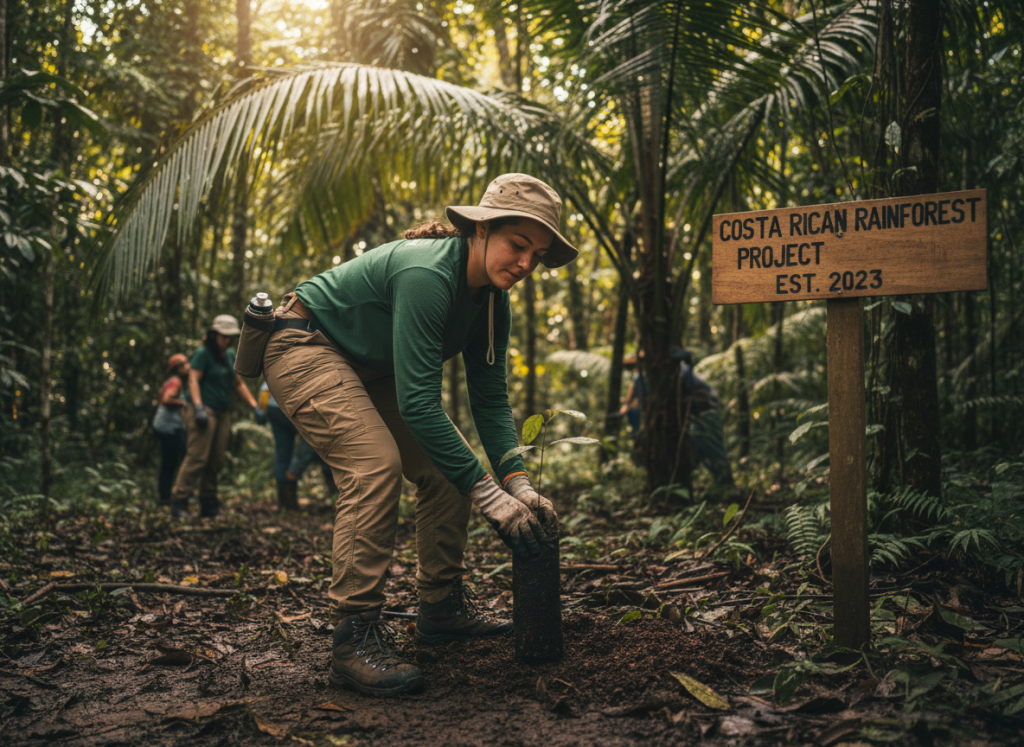
Costa Rica’s compact geography allows you to experience cloud forests, active volcanoes, Caribbean and Pacific coastlines, and rich wildlife within a small area. Spanish language learning happens naturally through daily immersion, providing valuable linguistic skills alongside work experience.
South Africa: Wildlife and Social Impact
South Africa offers unique gap year opportunities combining wildlife experiences with social impact work and incredible cultural diversity. The country’s complex history and ongoing development challenges provide context for meaningful volunteer work.
Positions range from wildlife conservation internships at game reserves to teaching in township schools to healthcare support roles to tourism jobs across popular destinations. Many programs operate as fee-based volunteering rather than paid employment, requiring you to cover costs in exchange for accommodation and experiences.

Wildlife experiences distinguish South African gap years. You might conduct research tracking endangered species, participate in anti-poaching patrols, or assist with animal rehabilitation. Safari opportunities during time off provide once-in-a-lifetime wildlife viewing that few other destinations match.
Thailand and Southeast Asia: Budget-Friendly Teaching
Southeast Asian countries, particularly Thailand and Vietnam, offer affordable gap year teaching opportunities with low living costs and rich cultural experiences. Teaching English provides steady income while language schools across the region actively recruit native speakers.
Positions often require TEFL certification but rarely demand previous teaching experience. Wages may seem modest by UK standards but provide comfortable living in countries where costs are low. You’ll afford decent accommodation, plenty of street food, and regional travel on teaching salaries.

Southeast Asia’s affordability extends beyond daily living to travel opportunities. Weekend trips to beaches, temples, national parks, and neighboring countries cost remarkably little. Many teachers explore extensively during school holidays, visiting multiple countries across the region during their gap year.
Best for Structured Programs
United States summer camps offer comprehensive support, training, and community while developing leadership skills in safe, supervised environments perfect for first-time gap year participants.
- Camp New York (Adirondacks)
- Various camps across Pennsylvania
- Maine wilderness camps
- California activity camps
Best for Independent Exploration
Australia and New Zealand working holiday visas provide maximum flexibility to move between jobs and destinations while experiencing stunning nature and adventure activities.
- East coast Australia (Sydney to Cairns)
- New Zealand South Island
- Australian outback stations
- New Zealand ski resorts
Best for Language Learning
Spanish-speaking destinations combine language immersion with meaningful work experiences and lower costs than English-speaking countries.
- Costa Rica eco-projects
- Spanish teaching in Latin America
- South American community work
- Mexican conservation programs
Comparing Gap Year Destinations: Making Your Choice
Selecting the right destination for your gap year job abroad requires weighing multiple factors against your personal priorities, budget, and goals. This comparison helps you evaluate key considerations across popular options.
| Destination | Visa Difficulty | Average Monthly Cost | Language Barrier | Job Availability | Post-Work Travel |
| United States (Camps) | Moderate (J-1 via sponsors) | Low (room & board included) | None | High (summer season) | Excellent (30-day travel period) |
| Australia | Easy (working holiday) | High ($1,500-2,000) | None | Very High | Excellent (visa allows 12 months) |
| New Zealand | Easy (working holiday) | Moderate-High ($1,200-1,800) | None | High (seasonal variation) | Excellent (compact geography) |
| Costa Rica | Moderate (work permits vary) | Low-Moderate ($600-1,000) | Moderate (Spanish helpful) | Moderate | Good (Central America accessible) |
| South Africa | Moderate (volunteer visas) | Low-Moderate ($500-900) | None | Moderate (mainly volunteer) | Good (safari opportunities) |
| Thailand | Easy (teaching permits) | Very Low ($400-700) | High (but manageable in cities) | High (teaching positions) | Excellent (affordable regional travel) |

Climate and Seasonal Considerations
Timing your gap year around seasons significantly impacts your experience. Southern Hemisphere countries like Australia and New Zealand have reversed seasons – their summer runs December through February, winter June through August. This affects both weather and job availability.
Summer camp jobs in the United States operate during Northern Hemisphere summer (June through August), making them ideal if you’re taking a gap year immediately after finishing school in May or June. The timing aligns perfectly with traditional gap year schedules.
Ski resort jobs require you to work during winter months in each hemisphere. If you want to experience a ski season, plan for December through March in the northern hemisphere or June through September in the southern hemisphere.
Cultural Compatibility and Adjustment
Cultural differences affect how easily you adapt to new environments. English-speaking countries like the United States, Australia, and New Zealand minimize language barriers and share cultural similarities with the UK, easing adjustment.
However, even these countries have distinct cultural norms. American directness and enthusiasm may feel unfamiliar. Australian casual attitudes toward formality differ from British reserve. Understanding that cultural adjustment takes time helps you remain patient during difficult moments.

Non-English speaking destinations require greater adaptability and openness. Language barriers create daily challenges but also accelerate personal growth and cultural learning. Many gap year participants report that their most transformative experiences occurred in countries where they didn’t speak the language fluently.
Budget and Financial Factors
Your available budget significantly influences suitable destinations. High-cost countries like Australia require substantial savings to cover initial months before you secure employment and receive paychecks. Budget destinations like Thailand or Costa Rica allow you to stretch funds further.
However, consider earning potential alongside costs. Australian wages are significantly higher than Thai wages, so while daily costs are greater, you’ll save more absolute money. Summer camp jobs that include room and board eliminate major expense categories, maximizing your ability to save earnings for travel.
Calculate total costs including visa fees, flights, insurance, initial accommodation, and estimated monthly living expenses. Compare this against expected earnings to determine whether you’ll return home with savings or depleted finances.
Real Experiences: Gap Year Success Stories
Hearing from students who have completed gap year jobs abroad provides valuable insights and inspiration. These testimonials from past participants illustrate the transformative potential of international work experiences.
Emma’s Summer at Camp New York

“I spent eight weeks at Camp New York after finishing my A-levels, and it completely transformed my confidence. I arrived nervous about working with American kids and leading activities. By the end, I was running entire programs and felt like a natural leader. The friendships I made with other international staff are still going strong two years later. We’ve visited each other in the UK, Australia, and South Africa. The experience convinced me to pursue teaching at university, and I start my PGCE next month. Camp New York gave me direction I desperately needed and showed me what I’m truly passionate about.”
– Emma Thompson, Manchester, Camp New York Summer Staff 2023
James’ Australian Working Holiday

“My gap year in Australia was the best decision I ever made. I worked three months picking fruit in Queensland, two months at a ski resort in Victoria, and three months in hospitality in Sydney. The variety showed me different aspects of Australian life and work. I saved over five thousand pounds despite traveling extensively during my time off. The independence I gained was incredible – navigating transportation, managing my finances, finding accommodation, and solving problems without parental help. When I started university, I felt years ahead of my peers in maturity. Employers love hearing about my Australian experiences during interviews. It’s genuinely made me more employable.”
– James Wilson, Bristol, Australian Working Holiday 2022-2023
Sophie’s Teaching Experience in Thailand

“Teaching English in Bangkok for six months challenged me in ways I never expected. The language barrier was real – my students spoke minimal English, and I spoke no Thai initially. But we found ways to communicate, and I learned more about creative teaching and non-verbal communication than any course could provide. Living in Thailand on a teacher’s salary was comfortable – I had a decent apartment, ate amazing street food daily, and traveled to islands and temples every weekend. The experience completely shifted my perspective on what matters in life. I returned to the UK less materialistic and more focused on experiences over possessions. I’m now studying international development at university, directly inspired by my time in Thailand.”
– Sophie Chen, London, Thailand Teaching Program 2023

“My gap year at Camp New York wasn’t just a break from academics – it was an investment in my future. The leadership skills I developed, the international network I built, and the confidence I gained have paid dividends throughout university and into my career. When I interview for competitive positions now, my camp experience always creates interesting conversations and distinguishes me from other candidates. I genuinely believe taking that gap year made me more successful academically and professionally than I would have been without it.”
Final Tips for Gap Year Job Success
As you prepare to embark on your gap year journey, keep these practical tips in mind to maximize your experience and ensure everything runs smoothly.
Maintaining Connections Home
Staying connected with family and friends provides emotional support during challenging moments while allowing you to share exciting experiences as they happen. Establish regular communication schedules that work across time zones – perhaps a weekly video call with parents and daily message check-ins with close friends.

Social media helps you share photos and updates easily, but avoid letting it dominate your time abroad. Balance staying connected with being present in your new environment. Some of your most meaningful moments will happen when you’re fully engaged rather than documenting everything for Instagram.
Managing Homesickness and Cultural Adjustment
Homesickness affects almost everyone during gap years abroad, especially during the first weeks. Recognize this as completely normal rather than a sign you’ve made a mistake. Cultural adjustment follows predictable phases – initial excitement, frustration with differences, gradual adaptation, and finally comfort.
Combat homesickness through staying busy, building new friendships, maintaining routines that ground you, and allowing yourself to feel emotions rather than suppressing them. If homesickness becomes overwhelming, talk to program coordinators or supervisors – they have experience helping people through these feelings.
Being Flexible and Open-Minded
Your gap year will never match your exact expectations – plans change, unexpected opportunities arise, and challenges emerge. Embrace flexibility as a core mindset. Some of the best experiences happen when you adapt to circumstances rather than rigidly pursuing predetermined plans.

Approach differences with curiosity rather than judgment. When you encounter unfamiliar customs, foods, or behaviors, ask questions and try to understand rather than immediately comparing to UK norms. This openness accelerates cultural learning and enriches your experience enormously.
Documenting Your Experience
You’ll want to remember specific details years later, but memory fades quickly. Keep a journal documenting experiences, feelings, challenges, and growth. You don’t need to write novels – even brief daily notes preserve valuable memories.
Take photos thoughtfully rather than obsessively. Capture moments that represent your experience authentically. Years later, candid shots of daily life often prove more meaningful than perfectly composed tourist photos.
Making the Most of Every Opportunity
Say yes to invitations and new experiences even when they feel uncomfortable. The activities that scare you slightly often become your most memorable moments. Push yourself beyond comfort zones – this is precisely when growth happens.

Build genuine relationships with locals and fellow international workers rather than only socializing with other UK students. These diverse connections provide richer cultural insights and more interesting perspectives.
Planning Your Return
Reverse culture shock affects many gap year participants upon returning home. Your familiar environment feels strange after months away, and you may feel disconnected from friends whose lives continued on different paths. Recognize this as normal adjustment requiring time and patience.
Reflect on your experiences and what you’ve learned about yourself. How has the gap year changed your perspectives, priorities, or plans? This reflection helps you integrate growth into your identity rather than viewing the gap year as a separate interlude.
Stay connected with gap year friends and communities. These relationships provide ongoing support from people who understand your experiences in ways that home friends may not.
Remember: Your Gap Year is an Investment
Taking a gap year job abroad represents an investment in yourself that yields returns for decades. The skills you develop, perspectives you gain, confidence you build, and networks you create enhance every subsequent academic and professional experience. Approach your gap year with intentionality, openness, and commitment to growth. The challenges you’ll face are temporary, but the benefits last a lifetime. Your future self will thank you for taking this brave step toward independence and international experience.
Take the First Step Toward Your Gap Year Adventure
Gap year jobs abroad offer unparalleled opportunities for personal growth, skill development, cultural immersion, and adventure. Whether you choose to work at an American summer camp, teach English in Southeast Asia, explore Australia on a working holiday visa, or pursue conservation work in South Africa, you’ll gain experiences that transform your perspective and enhance your future prospects.

The key to successful gap year experiences lies in thorough preparation, choosing reputable organizations, maintaining flexibility, and approaching challenges with resilience and positivity. The investment you make in planning, saving, and preparing pays dividends throughout your gap year and beyond.
Among the many excellent gap year options available, working at Camp New York stands out as an exceptional choice for UK students. The structured program provides comprehensive support while still offering adventure and independence. You’ll develop tangible leadership skills, earn competitive wages, experience authentic American culture, and build international friendships that last for years.
The combination of meaningful work with children, beautiful natural settings in the Adirondack Mountains, supportive community, and post-camp travel opportunities creates a balanced gap year experience. You’ll return home with enhanced confidence, clearer direction, and valuable credentials that strengthen university applications and future employment prospects.
Your gap year represents a unique window in life when you can prioritize exploration, growth, and experience before academic and career commitments intensify. Making the most of this opportunity requires courage to step outside familiar environments and embrace uncertainty. But the rewards – personal transformation, global perspective, practical skills, and unforgettable memories – far exceed the challenges.
Don’t let fear or indecision prevent you from seizing this opportunity. Thousands of UK students successfully complete gap year jobs abroad every year, returning home enriched and empowered. With proper planning, realistic expectations, and commitment to growth, you’ll join their ranks and create your own transformative story.
The world of gap year jobs abroad awaits your exploration. Whether you’re drawn to camp counseling in American mountain settings, adventure in New Zealand landscapes, cultural immersion in Costa Rica rainforests, or teaching experiences in Southeast Asian cities, opportunities exist that match your interests and goals.
Start your journey today by researching programs, talking to past participants, and clarifying your personal priorities. Take practical steps toward making your gap year dreams reality – request information, attend virtual sessions, ask questions, and ultimately submit applications. Your future self will celebrate the courage you demonstrate in pursuing this extraordinary opportunity.
Begin Your Camp New York Journey Today
Camp New York is now accepting applications for Summer 2025. Join our community of international staff who discover leadership, friendship, and adventure in the Adirondack Mountains. Our team is ready to guide you through the application process, answer your questions, and help you prepare for an unforgettable gap year experience.
Positions fill quickly, so don’t delay. Start your application today and take the first step toward a transformative summer that will enhance your CV, expand your horizons, and create memories that last a lifetime. We can’t wait to welcome you to Camp New York!
Questions? Call us: UK 020 1234 5678 | US +1 518 555 0199
Application deadline for priority consideration: March 15, 2025
