
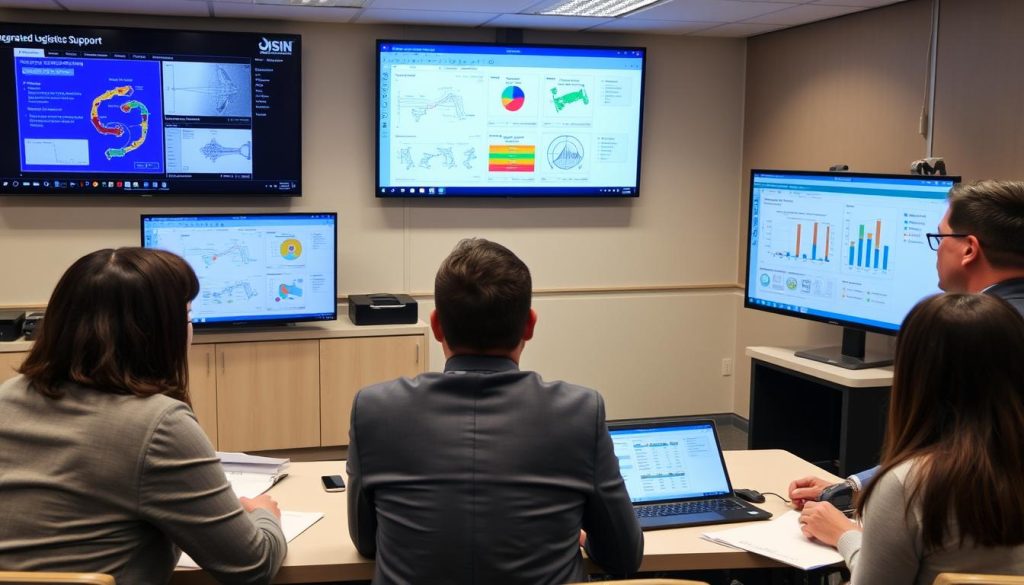
In today’s complex technical environments, effective Integrated Logistic Support (ILS) training has become essential for organizations managing sophisticated systems throughout their lifecycle. Whether in defense, aerospace, or industrial sectors, proper ILS implementation can dramatically reduce operational costs while extending system lifespan and reliability.
This comprehensive guide explores how structured ILS training programs deliver measurable benefits through optimized maintenance planning, streamlined supply chains, and data-driven decision making. We’ll examine core components, implementation strategies, and real-world success stories that demonstrate why investing in integrated logistics support training provides substantial returns.
Understanding Integrated Logistic Support Training
Integrated Logistic Support training provides the knowledge and skills needed to develop, implement, and manage comprehensive support systems throughout a product’s lifecycle. Unlike traditional logistics training that focuses on movement and storage, ILS takes a holistic approach to ensuring operational availability while minimizing lifecycle costs.
At its core, ILS training teaches professionals how to integrate support considerations into system design from the earliest stages. This proactive approach prevents costly retrofitting and ensures all support elements work together seamlessly. The discipline encompasses everything from maintenance planning and technical documentation to supply chain management and sustainability practices.
5 Core Components of Effective ILS Training Programs
Successful integrated logistic support training programs share several essential elements that ensure participants develop comprehensive capabilities. These components work together to create a holistic understanding of how support systems integrate with technical systems throughout their lifecycle.
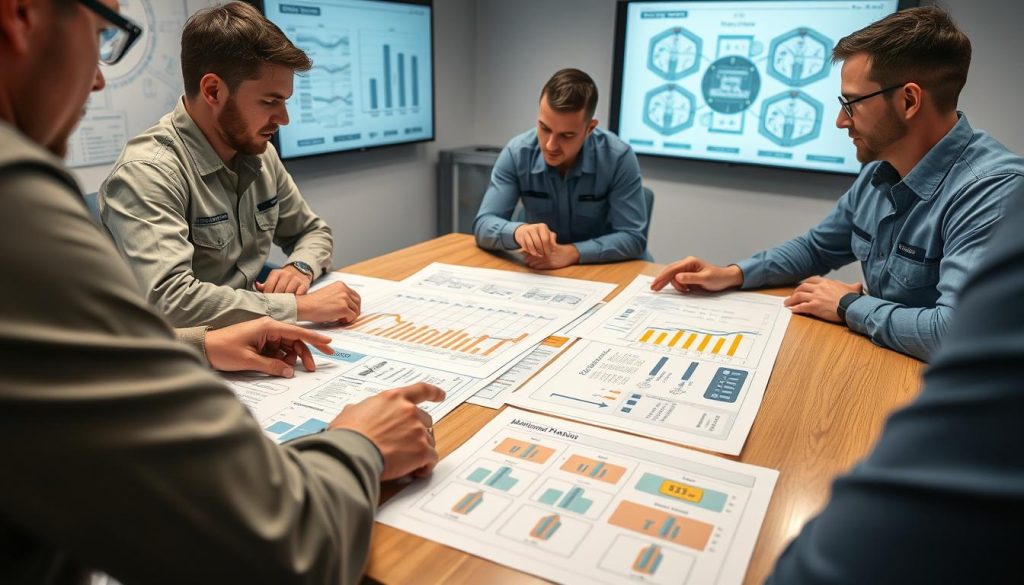
1. Maintenance Planning & Resource Allocation
Effective maintenance planning forms the foundation of any ILS program. Training in this area focuses on developing optimal maintenance strategies that balance system availability with resource constraints.
- Reliability-centered maintenance (RCM) methodologies
- Preventive vs. corrective maintenance decision frameworks
- Level of repair analysis (LORA) techniques
- Maintenance task optimization and scheduling
- Resource requirement forecasting and allocation
2. Supply Chain Interoperability
Modern systems rely on complex supply networks that must function efficiently to maintain operational readiness. ILS training addresses how to design and manage these networks for maximum effectiveness.
- Inventory optimization strategies
- Supplier integration and management
- Obsolescence prediction and mitigation
- Standardization and commonality analysis
- Supply chain risk assessment and contingency planning
3. Technical Documentation Standards
Comprehensive and accessible technical documentation ensures consistent support delivery across organizations. Training in this area covers both content development and management systems.
- S1000D and other international documentation standards
- Interactive electronic technical manuals (IETMs)
- Configuration management principles
- Documentation verification and validation processes
- Knowledge management systems integration
4. Failure Prediction Methodologies
Anticipating when and how systems will fail allows for proactive intervention, reducing downtime and maintenance costs. Modern ILS training emphasizes data-driven approaches to failure prediction.
- Failure mode, effects, and criticality analysis (FMECA)
- Predictive maintenance technologies
- Condition-based monitoring implementation
- Reliability growth modeling
- Data analytics for failure pattern recognition
5. Sustainability Integration
Environmental considerations have become increasingly important in system lifecycle management. Modern ILS training includes sustainability practices that reduce environmental impact while often lowering costs.
- Lifecycle environmental impact assessment
- Energy efficiency optimization
- Material selection and recycling strategies
- Regulatory compliance frameworks
- Sustainable disposal and decommissioning planning
Key Audiences for ILS Training
Integrated logistic support training delivers different benefits depending on the professional role and responsibilities of participants. Understanding these distinct perspectives helps organizations develop targeted training programs that address specific needs.
Systems Engineers

Learning Objectives:
- Integrating supportability requirements into system design
- Conducting trade-off analyses between performance and support
- Developing testable supportability metrics
- Implementing design for supportability methodologies
Project Managers

Learning Objectives:
- Developing comprehensive ILS plans and schedules
- Integrating support activities with overall project timelines
- Managing ILS resources and budgets effectively
- Measuring and reporting on supportability metrics
Procurement Specialists

Learning Objectives:
- Developing performance-based logistics contracts
- Evaluating supplier supportability capabilities
- Implementing total cost of ownership methodologies
- Managing support data deliverables from suppliers
Quick ILS Training Checklist
- Align training content with organizational maturity level
- Include both theoretical concepts and practical applications
- Incorporate relevant industry standards and best practices
- Provide role-specific modules for different job functions
- Include hands-on exercises with real-world scenarios
- Measure learning outcomes through practical assessments
Implementing Effective ILS Training Programs
Successful implementation of integrated logistic support training requires a structured approach that addresses organizational needs while delivering measurable results. The following framework provides a roadmap for developing and deploying effective ILS training initiatives.
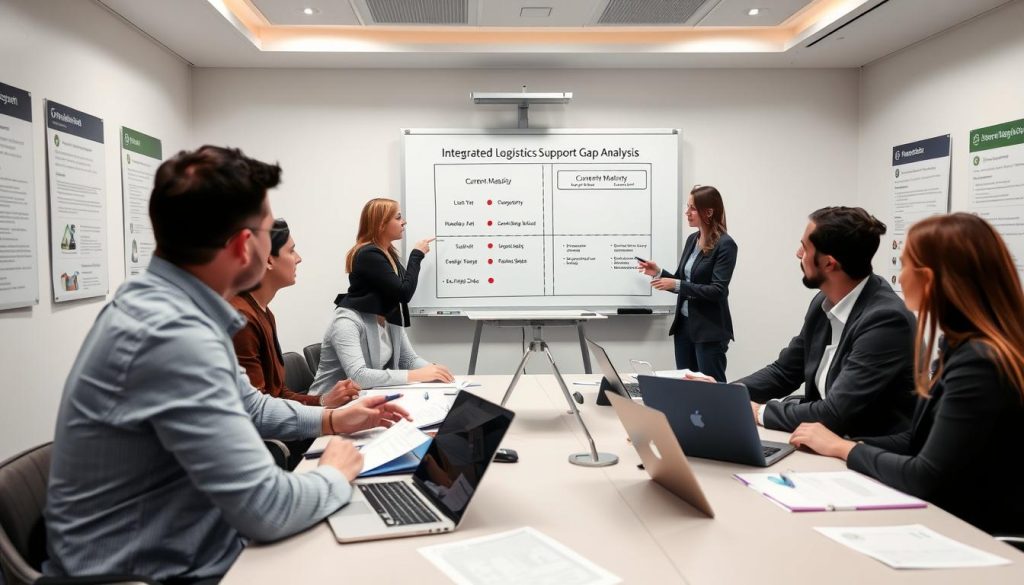
Step 1: Conduct a Comprehensive Gap Analysis
Before implementing any training program, organizations must understand their current capabilities and identify specific areas for improvement. A structured gap analysis provides this foundation.
| Assessment Area | Key Questions | Measurement Approach |
| Current Knowledge Base | What ILS concepts do staff currently understand? Where are the knowledge gaps? | Skills assessments, interviews, performance reviews |
| Process Maturity | How formalized are current ILS processes? Are they documented and followed? | Process audits, documentation review, compliance analysis |
| Tool Utilization | What ILS tools are currently used? How effectively are they employed? | Tool usage metrics, output quality assessment, user feedback |
| Performance Metrics | How is ILS performance currently measured? What targets exist? | KPI review, benchmark comparison, trend analysis |
Step 2: Apply Adult Learning Principles for Technical Teams
Technical professionals have specific learning preferences that must be addressed for effective knowledge transfer. ILS training should incorporate these principles to maximize engagement and retention.
- Problem-Centered Approach: Focus on real-world challenges rather than abstract concepts
- Experience Integration: Build upon existing technical knowledge and experience
- Immediate Application: Provide opportunities to apply new knowledge to current projects
- Self-Direction: Allow for some autonomy in learning paths and pace
- Relevance Emphasis: Clearly connect training content to job performance improvement
Step 3: Measure Training ROI with Meaningful Metrics
Demonstrating the value of ILS training requires establishing clear metrics that connect learning outcomes to operational improvements. These measurements should align with organizational priorities.
Leading Indicators (Short-Term)
- Knowledge assessment scores
- Process compliance rates
- Tool utilization metrics
- Documentation quality improvements
Lagging Indicators (Long-Term)
- System availability increases
- Maintenance cost reductions
- Supply chain response time improvements
- Lifecycle cost decreases
Real-World Success: ILS Training Impact Case Studies
The true value of integrated logistic support training becomes evident when examining real-world implementations. These case studies demonstrate how organizations have leveraged ILS training to achieve significant operational improvements and cost reductions.
Case Study 1: Aerospace Manufacturer
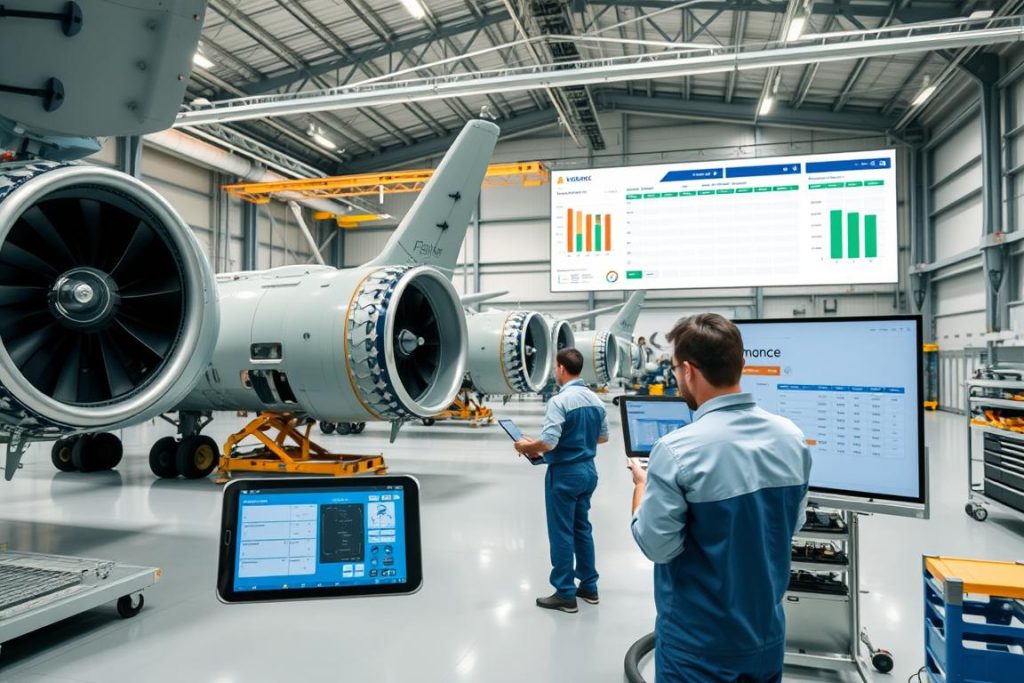
A leading aerospace manufacturer implemented comprehensive ILS training across its maintenance and engineering teams, focusing on predictive maintenance methodologies and supply chain optimization.
Key Results:
- 32% reduction in unscheduled maintenance events
- $4.2M annual savings in spare parts inventory
- 18% improvement in aircraft availability rates
- ROI of 387% over three years
Case Study 2: Defense Contractor

A defense contractor specializing in communications systems developed a customized ILS training program for its field service technicians and logistics planners.
Key Results:
- 24% reduction in mean time to repair
- 29% decrease in logistics footprint
- $3.8M savings in annual operating costs
- Customer satisfaction improvement from 76% to 94%
“The ILS training program transformed how our teams approach system support. By integrating supportability considerations into our design process, we’ve reduced lifecycle costs by over 22% while improving system availability.”
Addressing Common ILS Training Challenges
While the benefits of integrated logistic support training are substantial, organizations often encounter challenges during implementation. Understanding these obstacles and developing strategies to overcome them is essential for success.
Challenge: Cross-Departmental Collaboration
ILS requires coordination across engineering, maintenance, supply chain, and other departments that may traditionally operate in silos.
Solution:
- Implement cross-functional training sessions with mixed teams
- Develop shared metrics that encourage collaboration
- Create integrated case studies that demonstrate interdependencies
- Establish communities of practice across departmental boundaries
Challenge: Legacy System Integration
Many organizations must apply ILS principles to existing systems that weren’t designed with supportability in mind.
Solution:
- Develop specialized modules for retrofitting ILS principles
- Create migration frameworks for transitioning to ILS approaches
- Provide tools for assessing legacy system supportability
- Teach cost-benefit analysis for support system modifications

Emerging Trends in ILS Training
The field of integrated logistics support continues to evolve as new technologies and methodologies emerge. Forward-thinking organizations are incorporating these innovations into their training programs to stay ahead of industry developments.
AI-Driven Simulations
Artificial intelligence is transforming ILS training through advanced simulations that model complex support scenarios with unprecedented fidelity. These tools allow trainees to experience the consequences of their decisions in a risk-free environment.
Key applications include:
- Predictive maintenance optimization scenarios
- Supply chain disruption simulations
- Resource allocation under constraint exercises
- System degradation modeling and response
AR-Assisted Maintenance Training
Augmented reality technologies are revolutionizing how maintenance procedures are taught and executed. AR systems overlay digital information onto physical systems, providing just-in-time guidance and validation.
Benefits include:
- Reduced training time for complex procedures
- Lower error rates during maintenance execution
- Improved knowledge retention through experiential learning
- Remote expert guidance capabilities

Conclusion: The Strategic Value of ILS Training
Integrated logistic support training represents a strategic investment that delivers returns across multiple dimensions of organizational performance. By developing comprehensive support capabilities, organizations can simultaneously reduce costs, improve system availability, and enhance customer satisfaction.
The most successful ILS training programs share common characteristics: they align with organizational goals, address the needs of diverse stakeholders, incorporate practical applications, and evolve with emerging technologies and methodologies. By following the frameworks and strategies outlined in this guide, organizations can develop training initiatives that deliver measurable value throughout the system lifecycle.
As systems continue to grow in complexity and operational demands increase, the importance of effective integrated logistics support will only expand. Organizations that invest in developing these capabilities today will be well-positioned to meet the challenges of tomorrow.