

The search for jobs for counsellors opens doors to diverse and meaningful career paths. Whether you hold a degree in counseling, social work, or youth services, your skills are in high demand across multiple sectors.
From schools and mental health facilities to summer camps and residential programs, counseling jobs offer the chance to support individuals across the lifespan. Each role brings unique working conditions and rewards.
This guide explores the landscape of counselling-related roles. We will examine different types of positions, essential skills, and how camp environments like Camp New York provide hands-on experience that builds your professional foundation.
Understanding What Jobs for Counsellors Really Mean
The term “jobs for counsellors” encompasses a broad spectrum of positions. These roles share a common thread of supporting others through challenges and growth.
At their core, counselor jobs involve active listening and empathy. Professionals in these positions help clients navigate emotional, behavioral, or developmental issues.

A licensed professional counselor might work in private practice or clinical settings. Meanwhile, youth counsellors often find positions in schools, camps, or community programs.
Mental health counselor positions typically require specific education and certification. However, many counselling-related roles value experience and interpersonal skills just as highly.
The Common Thread Across All Counselling Positions
Every counselor role demands strong communication skills. Whether you work in behavioral health or a camp setting, the ability to connect matters most.
Professional counselors across all settings share these responsibilities:
- Building trust with clients or participants
- Creating safe spaces for expression and growth
- Identifying needs and appropriate support strategies
- Maintaining professional boundaries and ethics
- Documenting progress and maintaining records
- Collaborating with teams and families
The working conditions vary by role type. Some counselors work standard business hours in office environments. Others thrive in residential settings or outdoor programs with more flexible schedules.
How Counseling Experience Transfers Across Settings
Skills developed in one counseling position often apply to others. A school counselor’s crisis intervention training proves valuable in substance abuse treatment settings.
Camp counsellor jobs teach group management skills that translate well to classroom or clinical environments. The ability to read group dynamics benefits every type of counseling work.
Many professionals build careers by moving between different counseling contexts. This variety keeps the work fresh while expanding your skill set and professional network.
Different Types of Jobs for Counsellors You Can Pursue
The counseling field offers remarkable diversity in career paths. Each type of position serves specific populations and addresses unique needs.

School-Based Counselling Positions
School counselors play a vital role in educational settings. They support students academically, socially, and emotionally throughout the school year.
These positions typically require a master’s degree in school counseling or a related field. State certification is usually mandatory for public school positions.
Job description responsibilities include:
- Individual and group counseling sessions with students
- Academic planning and college preparation support
- Crisis intervention and conflict resolution
- Collaboration with teachers and parents
- Development of social-emotional learning programs
Work location is typically on school campuses. The position follows the academic calendar, offering summers off or the option for summer programming.
Licensed Mental Health Counselor Roles
Licensed mental health counselors provide therapy and support services. They work with clients experiencing anxiety, depression, trauma, and other mental health challenges.
This path requires a master’s degree in counseling or psychology. Most states demand supervised clinical hours and passing a licensure exam.
Mental health counselor positions appear in various settings. Hospitals, private practices, community health centers, and telehealth platforms all employ licensed professionals.

The pay for licensed mental health positions typically ranges higher than entry-level counseling jobs. Experience and specialization increase earning potential over time.
Substance Abuse and Behavioral Health Counselors
Substance abuse counselors help individuals overcome addiction and develop healthy coping strategies. These positions exist in residential treatment centers, outpatient clinics, and community programs.
Behavioral health counselors address a broader range of concerns. They support clients managing mental health conditions, life transitions, and behavioral challenges.
Certification requirements vary by state and setting. Many positions accept candidates with bachelor’s degrees and relevant training or experience.
Working conditions in these roles can be emotionally demanding. However, the opportunity to witness client transformation provides deep professional satisfaction.
Youth Counsellors and Camp-Based Positions
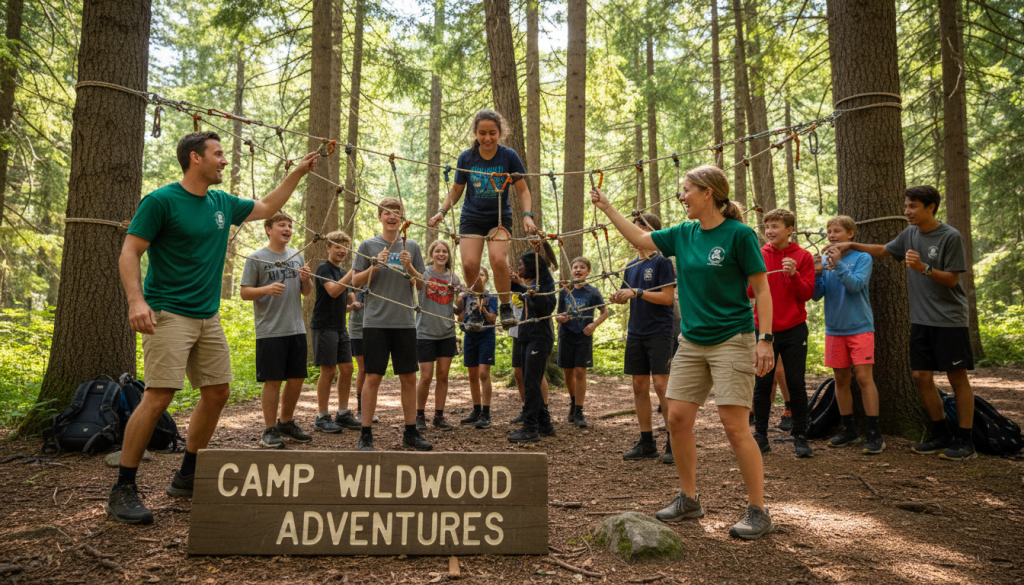
Jobs for youth counsellors focus on supporting young people through recreational, educational, and developmental programs. Summer camps offer some of the most rewarding opportunities in this category.
Camp counsellor jobs rarely require advanced degrees. Instead, they value enthusiasm, creativity, and genuine care for children and teens.
These positions provide hands-on experience that strengthens your counseling skills. You learn to manage group dynamics, handle conflicts, and create inclusive environments.
Work location for camp counselors is typically residential or day-camp settings. The environment combines outdoor activities with intentional relationship-building and support.
Residential and Community-Based Counseling Jobs
Residential counselors work in group homes, therapeutic boarding schools, and treatment facilities. They provide 24-hour support to individuals needing intensive services.
These positions often involve shift work including evenings and weekends. The role demands flexibility and strong crisis management skills.
Community-based counselors deliver services in clients’ natural environments. This might include home visits, school consultations, or neighborhood program facilitation.
Both position types offer valuable experience in case management and collaborative care. They teach you to work within systems and advocate for client needs.
Core Skills and Qualities That Define Successful Counselors
Certain skills and personal qualities appear consistently across all counselor jobs. These competencies determine your effectiveness regardless of your specific role or setting.
Communication and Active Listening
The foundation of counseling work lies in communication skills. You must hear not just words but underlying emotions and unspoken needs.
Active listening involves full attention and genuine curiosity. It means setting aside your own assumptions to truly understand another person’s experience.

Effective counselors also communicate clearly and compassionately. They translate complex concepts into accessible language. They ask thoughtful questions that open rather than close conversations.
Empathy and Emotional Intelligence
Empathy allows you to connect with clients on a human level. It means recognizing and validating feelings without judgment.
Emotional intelligence includes self-awareness. You must understand your own triggers and biases to avoid projecting them onto others.
Professional counselors develop the ability to hold space for difficult emotions. They remain present during client distress without becoming overwhelmed themselves.
Boundary-Setting and Professional Ethics
Healthy boundaries protect both counselor and client. They define the limits of the professional relationship and maintain therapeutic effectiveness.
Setting boundaries looks different across various counseling contexts. A licensed mental health counselor in private practice maintains strict session times and contact protocols.
Camp counsellors balance warmth and accessibility with appropriate limits. They build meaningful relationships while maintaining their role as supportive adults rather than peers.
All counseling positions require adherence to ethical standards. Confidentiality, informed consent, and cultural competence form the ethical foundation of this work.
Crisis Intervention and Problem-Solving
Counselors regularly encounter unexpected challenges. The ability to remain calm and think clearly during crises is essential.
Crisis intervention training provides frameworks for assessment and response. However, real-world experience builds the confidence to apply these skills under pressure.
- Quickly assessing safety and immediate needs
- De-escalating tense situations through tone and presence
- Connecting individuals with appropriate resources
- Following established protocols while adapting to unique circumstances
- Documenting incidents thoroughly and accurately
Problem-solving extends beyond crisis moments. Counselors help clients identify options, weigh consequences, and develop action plans for ongoing challenges.
Cultural Competence and Adaptability
Effective counselors recognize that culture shapes every aspect of human experience. They approach each individual with cultural humility and openness to learning.
This means examining your own cultural lens. It requires acknowledging how your background influences your perceptions and assumptions.

Adaptability allows you to adjust your approach based on client needs. Different individuals respond to different communication styles and intervention strategies.
Counselors who work across diverse settings develop remarkable flexibility. They learn to shift between formal and informal modes, structured and spontaneous approaches.
Why Camp Environments Are Perfect for Counselling Professionals
Summer camps and year-round outdoor programs offer unique benefits for counseling professionals. These settings combine relationship-building with skill development in ways that traditional offices cannot match.
Hands-On Application of Counseling Skills
Camp counsellor jobs provide constant opportunities to practice core counseling competencies. You engage in active listening dozens of times each day.
The residential camp environment creates natural openings for meaningful conversations. Evening talks around the campfire or during quiet cabin time often lead to deeper sharing.
Unlike clinical settings with scheduled appointments, camp counseling happens organically. You learn to recognize teachable moments and provide support within everyday activities.

Group Dynamics and Leadership Development
Managing cabin groups or activity clusters teaches invaluable lessons about group dynamics. You observe how individuals interact within peer contexts.
Camp counselors develop conflict resolution skills through daily practice. Disagreements about room arrangements or activity choices become opportunities for mediation and problem-solving.
Leadership skills emerge naturally in camp settings. You guide groups through challenges, facilitate decision-making, and model healthy communication.
These group work competencies strengthen your resume for future counseling positions. Schools, mental health programs, and community organizations all value experience with group facilitation.
Building Resilience and Adaptability
Camp work demands flexibility. Weather changes plans, homesickness strikes unexpectedly, and equipment breaks at inconvenient times.
This constant adaptation builds resilience. You learn to remain positive and solution-focused despite changing circumstances.
The variety of daily experiences prevents burnout. One hour you lead an art project, the next you comfort a homesick child, then you facilitate a team-building challenge.
This diversity of tasks and emotional demands prepares you for the varied nature of professional counseling work.
Relationship-Based Support in Natural Settings
Camp environments remove many barriers that exist in formal counseling settings. The outdoor context and shared experiences create natural rapport.
Young people often open up more readily when walking a trail together than sitting in an office. The side-by-side positioning and activity focus reduce the intensity of direct conversation.

Nature itself provides therapeutic benefits. Research shows that outdoor time reduces stress and improves emotional regulation.
As a camp counselor, you harness these natural benefits. You create opportunities for youth to challenge themselves, experience success, and build confidence.
Professional Development Without Graduate School
Many counseling jobs require advanced degrees and licensure. Camp positions offer an accessible entry point for those exploring the field.
You gain practical experience that informs decisions about future education and training. Many camp alumni discover their passion for youth work through summer positions.
The skills you develop translate directly to graduate programs in counseling, social work, education, and psychology. Admissions committees value hands-on experience with diverse populations.
Additionally, camp networks often connect staff with mentors and career opportunities. The relationships you build can open doors throughout your professional journey.
Working as a Counsellor at Camp New York
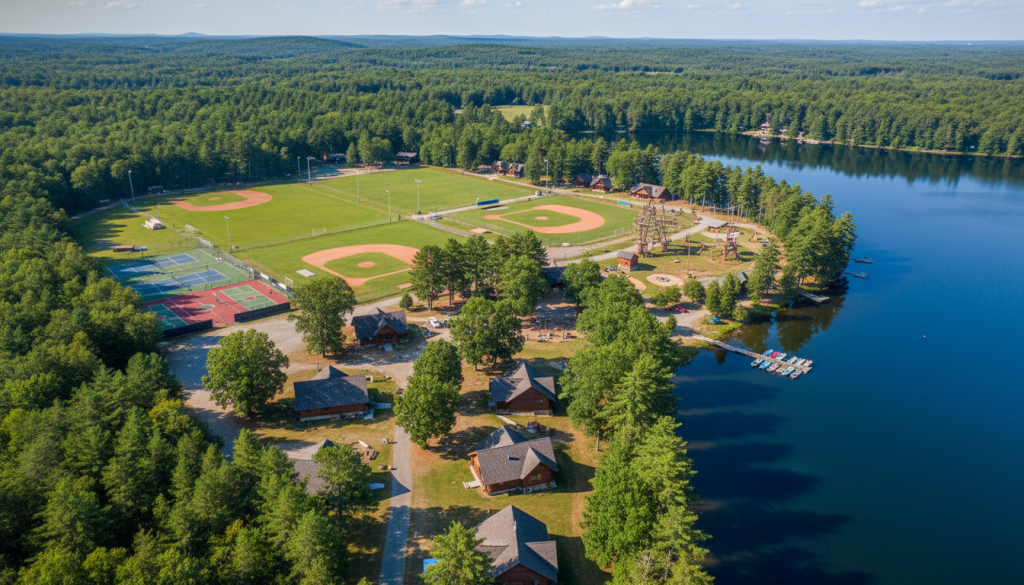
Camp New York’s summer camps offer a distinctive opportunity for individuals with counseling skills and a passion for youth development. Located in a beautiful natural setting, the camp serves young people seeking adventure, growth, and community.
Staff members at Camp New York don’t just supervise activities. They create an environment where campers feel seen, heard, and supported.
The Camp New York Approach to Youth Support
Camp New York’s philosophy centers on relationship-based care. Staff members build genuine connections with campers through shared experiences and consistent presence.
The camp recognizes that every young person arrives with unique strengths and challenges. Counselors receive training in trauma-informed practices and inclusive programming.
This approach aligns perfectly with counseling principles. You use your empathy, active listening, and problem-solving skills daily.
Camp New York provides ongoing support and supervision. Experienced team leaders offer guidance when you encounter difficult situations.
What Makes Camp New York’s Summer Camps Different
Comprehensive Training and Development
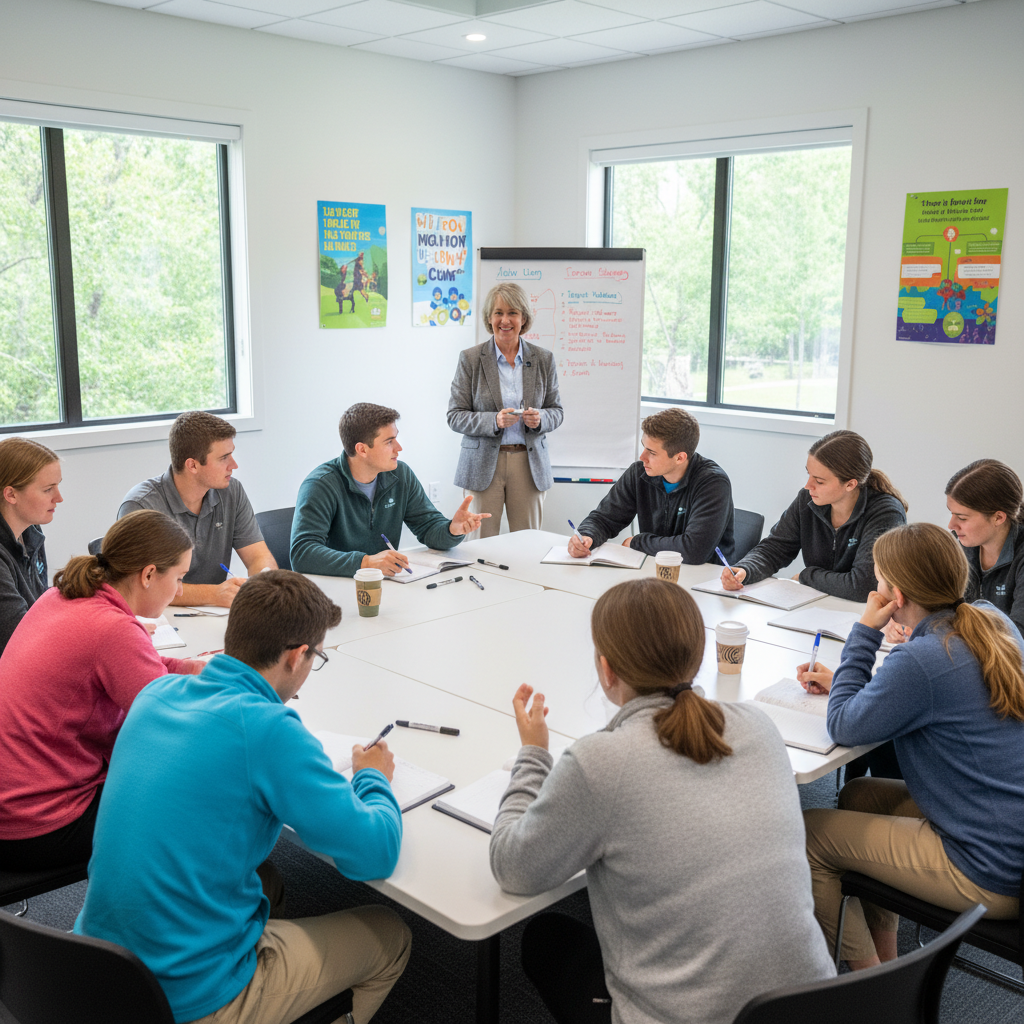
Before campers arrive, staff participate in extensive training. You learn behavior management strategies, activity facilitation, and emergency protocols.
Throughout the summer, professional development continues. Weekly meetings provide space to process challenges and celebrate successes.
This investment in staff development sets Camp New York apart. The camp values your growth as much as camper development.
Supportive Staff Community
Working at camp can be demanding. Long days and constant responsibility require stamina and dedication.
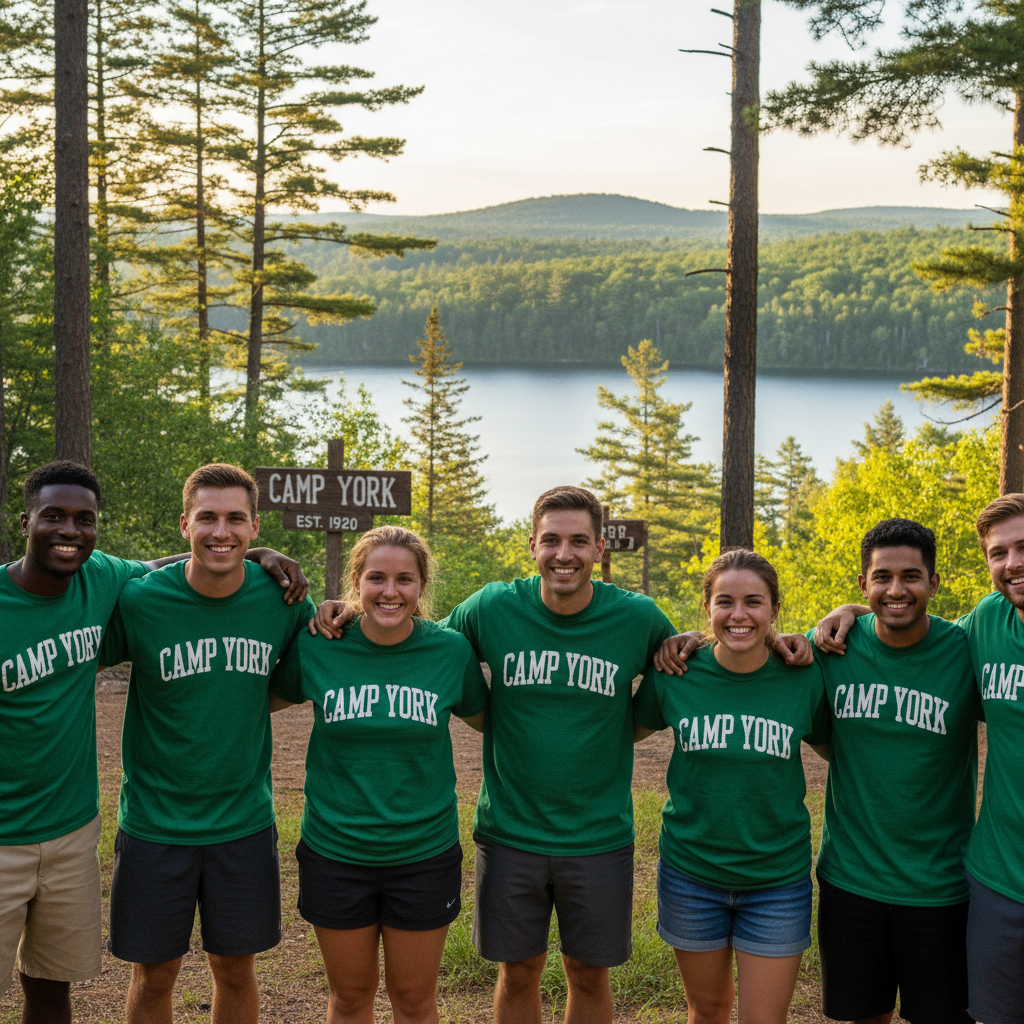
Camp New York builds a strong staff community to sustain you through challenges. Fellow counselors become close friends who understand the unique joys and struggles of camp work.
Evening staff time provides opportunities to decompress and connect. The camp prioritizes staff wellbeing alongside camper care.
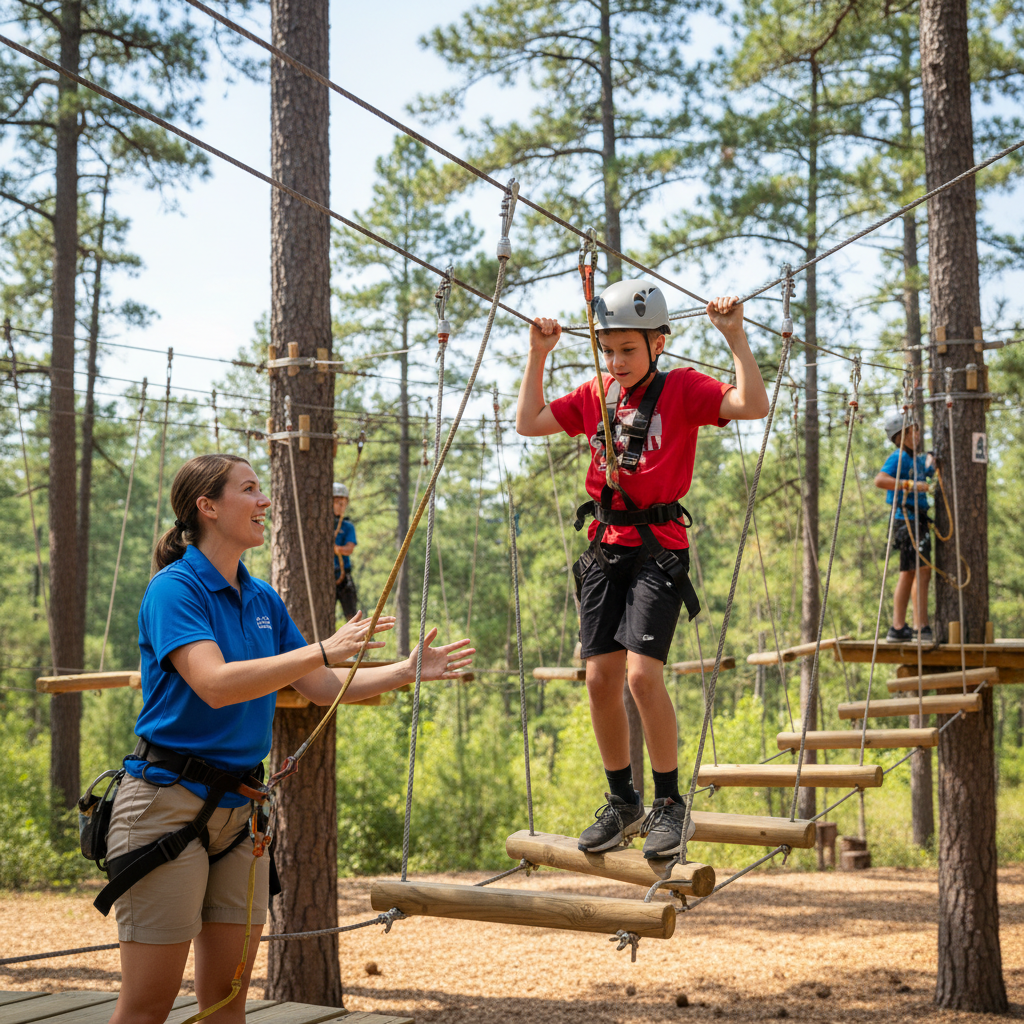
Meaningful Impact on Young Lives
The relationships you build at camp create lasting impact. Campers remember counselors who believed in them during difficult moments.
You witness transformation throughout the summer. A shy child discovers confidence through a new skill. A struggling teen finds belonging in their cabin group.
These moments of growth and connection provide deep professional satisfaction. They remind you why counseling work matters.
Types of Counselor Positions at Camp New York
Camp New York offers several types of counseling positions. Each role provides unique opportunities to apply your skills.
Cabin Counselors serve as primary support for a small group of campers. You live in the cabin with your group and accompany them throughout the day.
This position offers the deepest relationships with campers. You become a trusted adult who helps navigate homesickness, conflicts, and personal challenges.
Activity Specialists lead specific program areas like arts, sports, or outdoor skills. You combine your counseling abilities with specialized knowledge or talents.
These roles allow you to help campers discover new passions. You create a supportive learning environment where it’s safe to try and fail and try again.
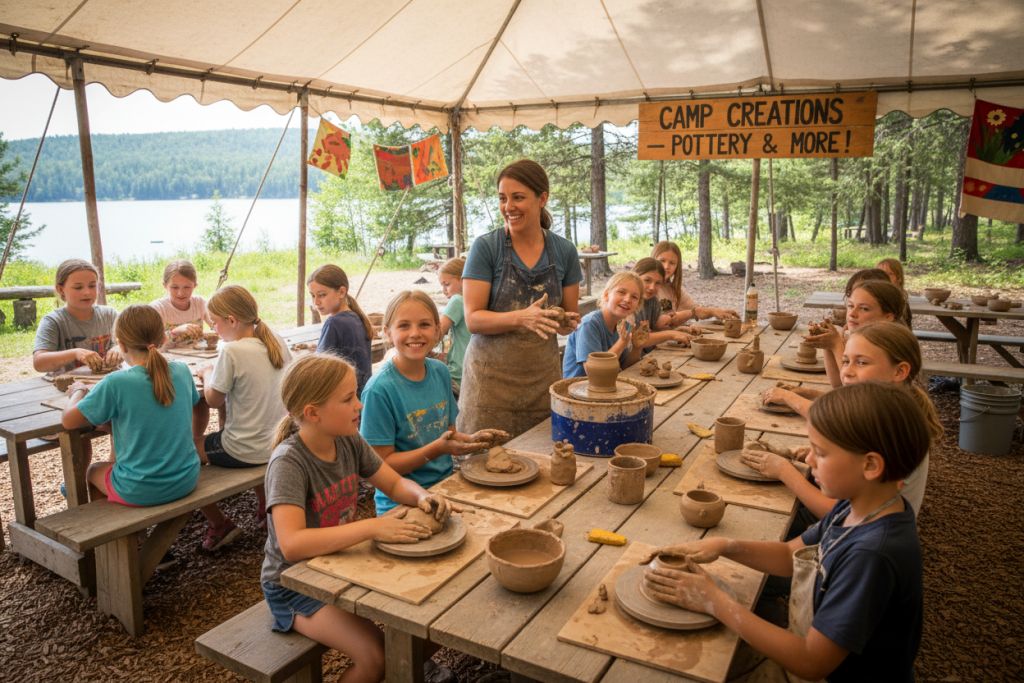
Leadership Development Counselors work with older campers on advanced programs. You facilitate service projects, wilderness trips, and leadership skill-building.
This position appeals to those interested in adolescent development. You guide teens through complex decision-making and group dynamics.
How Camp Experience Strengthens Your Counseling Career
A summer at Camp New York adds valuable experience to your professional profile. The skills you develop apply across counseling contexts.
Graduate programs in counseling, social work, and education value camp experience. It demonstrates your ability to build relationships and manage complex group dynamics.
Employers in schools, mental health facilities, and youth programs recognize camp counselors as resourceful professionals. They know you can handle diverse challenges with limited resources.
Many Camp New York alumni credit their camp experience as pivotal to their career paths. The summer confirmed their passion for working with young people or revealed strengths they didn’t know they had.
Ready to Make a Difference at Camp New York?
Join our team of dedicated counselors who support young people in discovering their potential. Our summer positions offer hands-on experience, professional development, and the chance to build skills that will serve you throughout your counseling career.
How to Choose the Right Job for Counsellors
With so many counseling jobs available, finding the right fit requires thoughtful consideration. Your first position shapes your future career trajectory.
Assess Your Values and Motivations
Begin by clarifying what matters most to you. Do you prefer working with specific age groups or populations?
Consider your comfort with different working conditions. Some counselors thrive in structured clinical environments. Others prefer the spontaneity of camp or community settings.

Think about your long-term career goals. If you plan to become a licensed mental health counselor, prioritize positions that offer relevant supervised experience.
If you’re exploring whether counseling is right for you, consider roles that provide broad exposure to different aspects of the work.
Consider Required Qualifications and Training
Some counselor jobs require specific education credentials or licensure. Research these requirements early in your planning process.
Licensed professional counselor positions demand master’s degrees and supervised clinical hours. State-specific exams determine whether you can practice independently.
Many entry-level counseling jobs value experience over formal credentials. Camp counsellor positions, youth work roles, and residential assistant jobs often accept candidates with bachelor’s degrees or even high school diplomas.
Consider whether you’re ready to invest time and money in graduate education. Or whether you want to gain experience first before committing to advanced training.
Evaluate Growth Opportunities and Career Progression
Look beyond the immediate position to future possibilities. Does the organization offer advancement paths?
Camp New York, for example, promotes experienced staff to leadership roles. Returning counselors can become team leaders, program directors, or training coordinators.
Mental health organizations often provide supervision for licensure candidates. Community programs may support ongoing education and certification.
Ask about professional development opportunities during the interview process. Organizations that invest in staff growth demonstrate their commitment to quality services.
Balance Practical Considerations
While passion drives counseling work, practical factors also matter. Consider pay rates, benefits, and work schedules.
Full-time counselor positions typically offer health insurance and retirement benefits. Part-time or seasonal roles may provide stipends without additional benefits.
Summer jobs for counsellors at camps often include room and board. This arrangement reduces living expenses while you gain experience.
Questions to Ask Potential Employers
- What training and supervision do you provide?
- How do you support staff during challenging situations?
- What opportunities exist for skill development and advancement?
- How does the organization approach diversity and inclusion?
- What does success look like in this role?
- Can you describe the team culture and collaboration?

Trust Your Instincts About Fit
Sometimes the best counseling job is the one that feels right. Pay attention to your gut reactions during interviews and site visits.
Do you feel welcomed and valued? Can you envision yourself thriving in this environment?
The relationship between you and your employer matters tremendously in counseling work. You need organizational support to provide effective services.
Don’t ignore red flags like high staff turnover or vague answers about supervision. These warning signs often indicate deeper problems.
Frequently Asked Questions About Jobs for Counsellors
What exactly are jobs for counsellors?
Jobs for counsellors include any position where you support individuals or groups through challenges, growth, or transitions. This encompasses licensed mental health counselors providing therapy, school counselors supporting students, substance abuse counselors helping with recovery, youth counsellors working in community programs, and camp counsellors facilitating personal development through outdoor experiences.
The common thread is using interpersonal skills to build relationships, provide guidance, and create supportive environments. Some positions require specific licensure while others value experience and personal qualities over formal credentials.
Do I need a counselling qualification for camp counselor roles?
Most camp counsellor jobs do not require counseling degrees or licensure. Camps typically seek candidates who demonstrate strong interpersonal skills, genuine care for young people, and enthusiasm for outdoor activities.
However, camps do value relevant experience. Background in education, psychology, social work, youth sports, or volunteer work with children strengthens your application. Some camps prefer candidates who are pursuing or have completed degrees in related fields.
The key qualifications are maturity, responsibility, adaptability, and the ability to connect with diverse young people. Training provided by the camp prepares you for the specific responsibilities of the role.
Are there summer jobs for counsellors abroad?
Yes, summer camps worldwide hire international counselors. Many camps in the United States specifically recruit staff from other countries to create diverse communities.
Programs like Camp America, BUNAC, and Camp Leaders facilitate international placements. These organizations help with visa applications, travel arrangements, and job matching.
International counselor positions offer cultural exchange alongside professional experience. You develop cross-cultural communication skills while gaining counseling and youth work experience that enhances your resume globally.
Requirements vary by program but typically include being at least 18 years old, proficient in English, and able to commit to the full summer season.
Can international applicants apply to Camp New York?
Yes, Camp New York welcomes applications from international candidates who are passionate about youth development and outdoor programming. The camp values the diverse perspectives and experiences that international staff bring to the community.
International applicants need to secure appropriate work authorization, typically through a J-1 visa sponsored by an exchange visitor program. Camp New York can provide documentation to support your visa application.
The application process is the same for all candidates. You’ll complete an online application, participate in interviews, and provide references. Early application is recommended as visa processing takes time.
For specific questions about international hiring, contact the Camp New York recruitment team at +1 (555) 123-4567 or visit the international staff page.
How much do counselor jobs typically pay?
Pay for counselor jobs varies significantly based on position type, location, education, and experience. Licensed mental health counselors with master’s degrees typically earn between $45,000 and $70,000 annually, with variation by state and setting.
School counselors earn similar ranges, often aligned with teacher salary scales. Substance abuse counselors and behavioral health counselors typically earn $35,000 to $55,000 depending on certification and setting.
Camp counsellor positions are usually seasonal. Summer staff receive stipends ranging from $2,000 to $5,000 for an eight to ten week season, plus room and board. This translates to savings on living expenses while gaining valuable experience.
Entry-level year-round youth counselor positions in community programs typically offer $28,000 to $40,000 annually. Pay increases with experience, specialized certifications, and advancement to supervisory roles.
What’s the difference between a counselor and a licensed professional counselor?
The term “counselor” is broad and can apply to many roles. A licensed professional counselor (LPC) is a specific credential requiring a master’s degree in counseling, thousands of supervised clinical hours, and passing a state licensure exam.
Licensed professional counselors can diagnose mental health conditions and provide psychotherapy independently. They often work in private practice, hospitals, or mental health clinics.
Other counselor roles may not require licensure but still involve supporting people through challenges. School counselors, camp counsellors, career counselors, and peer counselors all use counseling skills without necessarily holding LPC credentials.
The level of formal education and clinical training differentiates these roles, but all counseling positions value empathy, communication skills, and genuine care for others.
How does camp counseling experience help my career in mental health or social work?
Camp counseling develops skills directly applicable to mental health and social work careers. You gain experience building therapeutic relationships, managing group dynamics, and supporting individuals through emotional challenges.
Graduate programs in counseling and social work value camp experience because it demonstrates your ability to work with diverse populations under varied conditions. You learn to think on your feet, remain calm during crises, and collaborate with team members.
Many camp counselors cite their experience as confirmation that they want to pursue helping professions. The intensive nature of camp work reveals whether you truly enjoy supporting others through daily challenges.
Additionally, camp supervisors and directors can provide strong recommendation letters for graduate school applications. They observe your interpersonal skills, work ethic, and growth over an entire summer.
What are the most challenging aspects of counselor jobs?
Counseling work is emotionally demanding. You regularly encounter people experiencing pain, trauma, or difficult life circumstances. Maintaining appropriate boundaries while staying compassionate requires constant self-awareness.
Burnout is a real risk in all counseling positions. The emotional labor of supporting others, combined with often-heavy caseloads, can drain your energy and enthusiasm.
Many counselor jobs involve documentation and administrative tasks that take time away from direct client work. Balancing paperwork with relationship-building is an ongoing challenge.
Working conditions vary. Some positions require evening or weekend hours. Residential and camp counselors work long days with limited time off.
Despite these challenges, most counselors find the work deeply rewarding. The opportunity to witness growth and make meaningful differences in lives provides purpose that sustains through difficult moments.
Tips for Applying to Counseling Positions
Your application materials create the first impression with potential employers. Crafting thoughtful resumes and cover letters increases your chances of landing interviews.
Highlight Transferable Skills
Even without direct counseling experience, you likely possess relevant skills. Volunteer work, part-time jobs, and academic projects all build competencies valued in counseling roles.

Customer service experience demonstrates communication and problem-solving abilities. Team sports build collaboration and conflict resolution skills. Tutoring or mentoring shows your capacity to support others’ growth.
Frame your experiences in terms of counseling competencies. Instead of “worked retail,” write “developed active listening and de-escalation skills while resolving customer concerns.”
Craft a Compelling Cover Letter
Your cover letter should express genuine interest in the specific position and organization. Generic letters fail to capture attention.
Research the organization’s mission and values. Explain why their approach resonates with you and how your background aligns with their needs.
Share a brief story that illustrates your passion for counseling work. Perhaps a moment when you helped someone through a challenge or witnessed the power of supportive relationships.
Keep the tone professional yet warm. Let your personality come through while demonstrating maturity and communication skills.
Prepare for Interviews
Counseling job interviews often include behavioral questions. Prepare examples that demonstrate your interpersonal skills, problem-solving abilities, and self-awareness.
Practice answering questions like:
- Tell me about a time you helped someone through a difficult situation
- How do you handle conflicts within groups?
- Describe a moment when you made a mistake and how you addressed it
- What strategies do you use to manage stress and prevent burnout?
- How do you approach working with people from different backgrounds than your own?
Prepare thoughtful questions to ask the interviewer. This demonstrates your genuine interest and helps you assess whether the position is a good fit.
Follow Up Professionally
Send a thank-you email within 24 hours of your interview. Express appreciation for the interviewer’s time and reaffirm your interest in the position.
Reference specific moments from the conversation that reinforced your enthusiasm. This shows you were engaged and helps you stand out from other candidates.
If you don’t hear back within the stated timeframe, send a polite follow-up inquiry. Persistence demonstrates your genuine interest without being pushy.
Building a Long-Term Career in Counseling
Your first counseling job is just the beginning. Thoughtful career development ensures continued growth and satisfaction.
Invest in Ongoing Education
The counseling field constantly evolves as new research emerges. Staying current requires commitment to lifelong learning.

Many counselor jobs require continuing education for certification renewal. Beyond meeting minimum requirements, seek training in areas that genuinely interest you.
Workshops on trauma-informed care, cultural competence, specific therapeutic modalities, and emerging populations add depth to your practice. Online courses, conferences, and certificate programs offer flexible learning options.
Seek Supervision and Mentorship
Even experienced counselors benefit from supervision and consultation. Regular conversations with trusted colleagues provide fresh perspectives on challenging cases.
If you’re working toward licensure, choose supervisors who not only meet state requirements but also inspire your professional growth.
Mentorship relationships offer guidance beyond clinical skills. Experienced counselors can advise on career decisions, work-life balance, and navigating organizational dynamics.
Diversify Your Experience
Working across different counseling settings strengthens your overall competence. School counselors who spend summers at camp gain group facilitation skills.
Licensed mental health counselors who volunteer with community programs understand social determinants of health more deeply.
This variety prevents burnout by keeping your work fresh and challenging. It also makes you a more versatile candidate for future positions.
Maintain Your Well-Being
You cannot pour from an empty cup. Sustainable counseling careers require attention to your own mental and physical health.
Develop self-care practices that genuinely restore your energy. This might include exercise, creative hobbies, time in nature, or connection with loved ones.
Set boundaries around work time. While counseling is a calling for many, it shouldn’t consume your entire life.
Consider your own therapy or counseling. Processing your experiences with a professional helps prevent vicarious trauma and provides modeling for the therapeutic process.
Signs You’re on the Right Career Path
Even challenging days feel meaningful when you’re in the right role. These indicators suggest you’ve found work that aligns with your values and strengths.
- You feel energized by client growth and progress
- Challenges feel manageable rather than overwhelming
- You’re learning and developing new skills
- Your work environment supports your wellbeing
- You can imagine continuing this work long-term
- You receive positive feedback from clients and colleagues
When to Consider a Career Change
Sometimes counseling work isn’t the right fit, and that’s okay. Recognizing this early prevents prolonged dissatisfaction and potential harm to clients.
- You dread going to work most days
- Compassion fatigue affects your personal relationships
- You no longer feel present with clients
- Your values conflict with organizational practices
- Self-care efforts don’t restore your energy
- You fantasize about completely different careers
Your Path Forward in Counseling Careers
Jobs for counsellors offer diverse opportunities to make meaningful differences in people’s lives. Whether you pursue licensed mental health positions, school-based roles, or hands-on youth work, your skills create positive change.

The counseling field needs dedicated professionals who combine empathy with skills, passion with boundaries, and vision with practical action. Your unique background and perspective contribute to this important work.
Camp environments like Camp New York provide excellent starting points for counseling careers. The hands-on experience, supportive community, and opportunity to witness transformation prepare you for any counseling context.
As you explore jobs for counsellors, remember that the “right” position aligns with your values, challenges your growth, and allows you to use your gifts in service of others.
Don’t wait for perfect credentials before starting your journey. Many successful counselors began in entry-level positions that revealed their passion and direction.
Your counseling career starts with a single step. That step might be submitting an application, enrolling in a training program, or simply learning more about opportunities available to you.
Begin Your Counseling Journey at Camp New York
Camp New York is currently hiring passionate individuals for summer counselor positions. Join a supportive team dedicated to youth development, gain hands-on counseling experience, and discover whether this career path is right for you. Our comprehensive training, beautiful natural setting, and commitment to staff growth create the ideal environment for beginning or advancing your counseling career.