
What Does a Camp Counsellor Do?
Lead activities. Build confidence. Be someone campers can rely on.
A camp counsellor supervises and supports children, helps with activities and keeps daily routines running as part of the camp team. The work combines practical organisation with encouragement, listening and attention to camper wellbeing. Your assigned duties depend on the camp, age group and position.
A day might involve helping a cabin group get ready, accompanying campers between activities, supporting an instructor and joining an evening programme. It also includes preparation, clear handovers and noticing when someone needs extra help. This guide explains those responsibilities and shows how different counsellor roles fit together.
If you are exploring summer camp jobs in the USA , use this overview to think about your interests and experience. Then prepare examples for your camp counsellor CV that show how you have supported others, contributed to a team or helped deliver an activity.
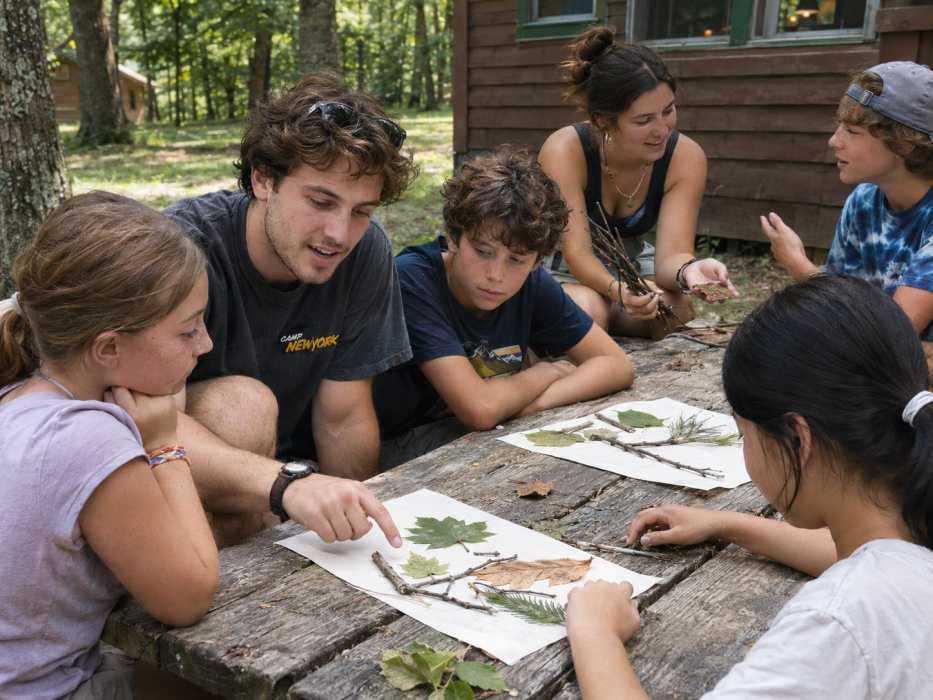
Main Duties of a Camp Counsellor
Camp counsellor duties combine supervision, practical organisation and support for children. The exact mix depends on your placement, but the role extends beyond running games. It includes helping campers move through their day, encouraging participation and communicating clearly with the staff responsible for their care.
Supervise Your Assigned Group
Know which campers you are responsible for, where they should be and how supervision is handed over. Follow the camp’s checking and movement procedures during activities, meals and transitions. Clarify responsibilities rather than assuming another staff member has taken over.
Before leaving an activity area, complete the required group check and confirm the next destination with your team.
Help With Daily Routines
Support campers with the routines assigned to your role, such as getting ready, arriving at meals and preparing for the next session. Give clear, age-appropriate reminders and encourage independence while respecting privacy and the camp’s boundaries.
Remind your group what to bring to the next activity and allow time for everyone to get ready.
Support Activities and Games
Help prepare materials, explain instructions and encourage campers to take part. Depending on your position, you may assist a specialist or lead approved sessions yourself. Stay within your training, qualifications and assigned responsibilities.
Set out craft supplies and help beginners follow the steps demonstrated by the activity leader.
Encourage Inclusion and Confidence
Help campers feel welcome and notice who may be struggling to join in. Listen respectfully, use encouragement and work with your team on suitable ways to support participation. Address exclusion or unkind behaviour through the camp’s procedures.
Explain a game to a new camper and ask the activity leader about an appropriate first step if they feel unsure.
Notice and Share Concerns
Pay attention when a camper seems upset, unwell or withdrawn, and follow the appropriate reporting route. Explain observations clearly and involve the designated staff when help is needed. Your role is to respond within your training, not diagnose or investigate.
Tell your supervisor about a change you have observed and follow instructions for getting the camper appropriate support.
Contribute to the Staff Team
Attend required briefings, prepare for your duties and pass on relevant information through approved channels. Help with equipment and shared tasks assigned to you. Ask questions early when a schedule, instruction or responsibility is unclear.
Check a changed activity plan with your supervisor and confirm who will supervise the group during the transition.
Understand the Role Before You Accept
Ask which of these duties apply to your position, how training is provided and who you report to. Use the camp counsellor interview guide to prepare questions about responsibilities and support, then check the details against your written job description.
Activities, Cabin Life and Different Counsellor Roles
A counsellor’s job can focus on a camper group, a particular activity or a combination of both. Job titles vary between camps, so read the responsibilities behind the title. Ask how your day is divided between activities, group supervision and any residential duties.
General and Cabin Counsellors
These positions may involve supporting an assigned group through meals, activities and daily routines. At a residential camp, cabin responsibilities can also include helping campers prepare for the day and settle into evening routines. Confirm your accommodation and overnight arrangements separately.
For example: accompany your group to an activity, help them understand instructions and coordinate the next transition with the activity staff.
Activity Counsellors and Specialists
These roles focus on an area such as sports, arts, music or outdoor activities. Duties may include preparing equipment, planning approved sessions and adapting explanations for different experience levels. Required qualifications, assessments and supervision depend on the activity and camp.
For example: an arts activity assistant might prepare materials and support beginners while the designated instructor leads the session.
Roles That Include Both
An activity assignment does not necessarily remove cabin or general supervision duties. Your position may combine sessions in your specialist area with meals, evening programmes or other responsibilities. Clarify the full schedule and who supervises campers when you change tasks.
For example: you could assist with sports during scheduled activity periods and support a cabin group during meals and evening activities.
Day Camp and Residential Camp Life
Day-camp duties may include arrival, daytime activities and departure handovers. Residential roles may extend into cabin and evening routines. Where staff live, when they are on duty and how breaks are arranged must be confirmed for the individual placement.
For example: a residential counsellor might help with bedtime routines, while a day-camp counsellor supports the camp’s end-of-day departure process.
Questions to Clarify Your Particular Position
- Will I support a regular camper group or rotate between groups?
- Which activities would I assist with or lead?
- Does the position include cabin or overnight responsibilities?
- What qualifications and training are required for my duties?
- Who takes over supervision during my breaks?
- How are changes to my role or schedule communicated?
Match Your Experience to the Actual Duties
Describe your skills accurately and ask where they fit within the camp’s staffing arrangements. Playing a sport or enjoying an activity does not by itself establish that you can instruct it independently. Use our camp counsellor interview guide to prepare examples and questions about the position you are discussing.
A Typical Day at Summer Camp
A counsellor’s day combines scheduled activities with preparation, meals, transitions and camper support. The example below follows a residential cabin-based role. It illustrates how responsibilities can fit together; it is not a fixed timetable, a continuous shift or a promise about your placement’s working hours.
Illustrative residential camp day — actual duties, times and breaks depend on your assigned schedule.
-
Morning
Help Your Group Get Ready
Support the morning routine assigned to your role, remind campers what they need for the day and help them reach breakfast on time. Check schedule updates and pass on relevant information through the camp’s approved channels.
-
First activity periods
Support Participation and Transitions
Accompany your group or prepare your activity area, depending on your position. Help campers understand instructions and join in appropriately. Complete required group checks and confirm supervision arrangements when moving between sessions or handing over to another staff member.
-
Lunch and quieter periods
Keep Routines Calm and Organised
Follow your assigned responsibilities during meals and any quieter group period. Help campers understand what happens next and raise concerns with the appropriate staff. A camper rest period is not automatically a staff break; use your own duty schedule to check when you are off duty.
-
Afternoon
Continue Activities and Team Tasks
Assist with scheduled sessions, help organise equipment and adapt to authorised changes in the programme. Encourage campers who need support and check instructions with your supervisor if weather or another issue changes the plan.
-
Evening programme
Join Group Activities and Events
Your duties may include supporting a talent show, themed game or another shared event. Help your group participate, understand boundaries and move safely between locations. Confirm who is supervising whenever staff are assigned different tasks.
-
End-of-day routines
Help Campers Settle and Complete Handovers
Where assigned, support cabin routines and prepare for the following day. Share relevant observations with designated staff and confirm any overnight responsibilities. Follow your roster and handover arrangements rather than assuming duties end when an activity finishes.
Breaks Need a Clear Handover
Ask how breaks and time off are scheduled, who takes responsibility for your group and how to confirm that handover. Living at camp does not by itself explain when you are working. Clarify your duty periods, overnight arrangements and expectations before accepting the position.
Different Roles Follow Different Patterns
An activity specialist may spend more time preparing and delivering sessions, while a general counsellor may follow a regular camper group. Day-camp routines centre on arrival, daytime activities and departure. Use this example to prepare questions, not to assume every placement works the same way.
Your First Days May Look Different
Staff arrival, orientation and preparation can follow a separate schedule before normal camper routines begin. Read our first day at summer camp guide to prepare for settling in, then follow the confirmed training and duty schedule supplied by your camp.
Safety, Safeguarding and Working With Your Team
Looking after campers means following agreed procedures, maintaining appropriate boundaries and communicating concerns promptly. Before beginning your duties, make sure you understand your training, reporting contacts and emergency arrangements. This overview explains the responsibilities to clarify; it does not replace your camp’s staff training.
Keep Supervision Clear
Know which group or activity you are responsible for and how staff confirm handovers. Follow the camp’s procedures for group checks, transitions and breaks. If responsibility is unclear, ask before moving to another task rather than assuming someone else is supervising.
In practice: confirm that the designated colleague has taken over your group before beginning an authorised break.
Maintain Professional Boundaries
Follow the camp’s rules for staff–camper interactions, privacy, physical contact, photographs and digital communication. Keep support within approved, observable arrangements. Being approachable does not mean sharing private contact details or creating secret relationships with campers.
In practice: use approved communication channels and ask your supervisor how to respond if a camper requests contact through your personal social media.
Raise Concerns Through the Correct Route
Learn who receives wellbeing and safeguarding concerns, how to reach them and which alternative contact to use if they are unavailable or involved. Report observations factually and follow the applicable reporting requirements. Do not assume a concern must be proven before it can be raised.
In practice: explain what you saw or heard, when it happened and any immediate action taken, without adding guesses about someone’s motives.
Work Within Your Training
Only carry out duties you are trained, authorised and appropriately qualified to perform. Learn how to summon specialist or emergency assistance. If instructions are unclear or a task exceeds your competence, tell your supervisor and request guidance before proceeding.
In practice: clarify whether your role at a swimming session is supporting your group or performing separately assigned, qualified water-safety duties.
Questions to Resolve During Staff Training
- Who is my immediate supervisor, and how do I contact them?
- How are camper counts and supervision handovers recorded?
- Who receives safeguarding concerns, including out of hours?
- What alternative reporting route should I use if needed?
- How do I summon help during an emergency?
- Which duties require additional training or authorisation?
Asking for Help Is Part of the Job
Let your supervisor know early if you are unsure, struggling with a duty or need further instruction. Clear communication helps the team arrange support and maintain supervision. Our camp counsellor interview guide includes practice scenarios to help you discuss judgement, boundaries and seeking assistance before your placement begins.
Skills You Need and Whether the Role Suits You
Camp work calls for enthusiasm backed by reliable everyday habits. Think about how you listen, explain instructions, respond to change and work with others. Match your experience to the specific vacancy, and discuss any training or support you need rather than assuming every counsellor position has the same requirements.
Clear Communication and Listening
Give instructions in manageable steps, check understanding and make time to hear what campers are telling you. Communicate relevant information to colleagues clearly, including when you need clarification yourself.
Evidence you could discuss: helping a beginner understand a task or changing an explanation after noticing confusion.
Patience and Encouragement
Children may need repeated explanations, reassurance or time to try something unfamiliar. Respond respectfully, recognise different confidence levels and involve the appropriate staff when a camper needs more support than you can provide.
Evidence you could discuss: supporting someone through a difficult task without rushing, embarrassing or pressuring them.
Organisation and Dependability
Be ready for assigned duties, keep track of instructions and complete agreed tasks. Small actions such as checking the next meeting time, preparing equipment and confirming a handover help the wider team work effectively.
Evidence you could discuss: organising materials for an event or consistently completing responsibilities in a part-time job.
Teamwork and Adaptability
Plans can change, and colleagues may approach tasks differently. Listen to feedback, clarify priorities and respond constructively to revised instructions. Being adaptable also means recognising when a change needs approval or further guidance.
Evidence you could discuss: helping a group adjust to a changed plan while keeping responsibilities and communication clear.
Ask Yourself These Questions Before Applying
Use these prompts to identify what interests you and what you need to clarify. They are a starting point for discussion, not an eligibility test.
- Do I enjoy supporting children as well as taking part in activities?
- Am I prepared for routine tasks and repeated instructions?
- Can I describe genuine examples of responsibility and teamwork?
- How would I adjust to the placement’s living arrangements?
- What duties, schedule or support arrangements do I need explained?
- Which skills need further training before I could use them at camp?
Turn Your Experience Into Clear Examples
Choose examples from volunteering, employment, studies or activities that show your own contribution. Our camp counsellor CV guide helps you present that evidence, while the interview preparation guide helps you discuss it. Confirm the role’s requirements and practical arrangements with the hiring team.
Camp Counsellor FAQs
These answers explain the role in practical terms. Your written job description, placement arrangements and staff training should confirm the responsibilities that apply to you.
What does a camp counsellor do?
A camp counsellor supervises and supports campers, helps with activities and daily routines, and works with colleagues to keep the programme organised. Duties can include group transitions, meals, activity preparation and camper wellbeing. The exact responsibilities depend on the camp, age group and position.
What is the difference between a general counsellor and an activity specialist?
A general counsellor may follow an assigned camper group through different parts of the day. An activity specialist focuses on a particular programme area, such as sports, music or arts. Some positions combine both. Check the full job description, including any cabin responsibilities and required qualifications.
Do camp counsellors live with campers?
Accommodation varies by placement. A residential role may involve living in a camper cabin, a staff cabin or another shared arrangement. Ask where you would stay, whether accommodation is linked to supervision duties and how overnight responsibilities are scheduled. Do not assume every position has the same setup.
Are counsellors responsible for campers all day and night?
Your responsibilities follow your assigned duty periods and supervision arrangements. Residential roles can include evening or overnight duties, but living on site does not explain your full work schedule. Confirm breaks, time off, overnight cover and handovers with the camp before accepting the position.
Do I need to be qualified to lead activities?
Requirements depend on the activity and the duties assigned to you. Assisting an instructor is different from leading independently, and some activities require specific qualifications or assessments. Describe your experience honestly and ask the camp what training, authorisation and qualifications are needed for your proposed role.
Can I apply if I have never worked at camp before?
Discuss your background with the programme or hiring team and check the vacancy’s requirements. Relevant experience may come from volunteering, coaching, youth activities or other responsibilities, but suitability depends on the role. Our camp counsellor CV guide helps you present your actual experience clearly.
What happens if a camper is upset or needs extra support?
Listen respectfully and respond within your training while maintaining supervision arrangements. Involve the designated staff when additional support is needed and follow the appropriate reporting procedure. You should know who to contact, including when your usual supervisor is unavailable.
How much do camp counsellors earn?
Use your written placement offer to confirm the salary, contract dates, payment schedule and deductions. Check accommodation, meals and your own expenses separately. The camp counsellor salary USA guide explains how to assess the complete offer.
How can I prepare for a camp counsellor interview?
Research the camp, review the responsibilities and prepare honest examples of communication, teamwork and supporting others. Ask about training, supervision and the daily schedule. Use our camp counsellor interview questions and answers to practise explaining your experience.
Interested in taking the next step? Explore summer camp jobs in the USA or contact Camp New York to discuss the application process.

Benefits of
Camp New York
Location Control
You can choose your camp placement within New York State or nearby areas, ensuring you are close enough to the excitement of New York City.
Variety of Activities
Camp New York participants have the chance to teach or coach various activities they are passionate about, such as soccer, basketball, swimming, dance, photography and so much more. Take a look at our roles at a Summer Camp page for a more dedicated breakdown. You don’t have to be an expert, but a keen attitude to learn and make a difference is a must.
Cultural Experience
Being in proximity to NYC allows for a rich cultural experience during your time off, visit museums, attend Broadway shows, or enjoy New York city’s renowned food scene… especially pizza!
Hear from our happy campers
Camp New York reviews from our counsellors who raved about the experience. Staff love the support, friends and memories made.
Massive thank you to Camp New York. Appreciate all you’ve done for me! If you want to choose a camp in America go with Camp New York.
Lee, Lyndon and all the team got me the best place and it truly changed my life.
Sounds corny, but trust me it’s boss.
Jack Critchlow
I’m going through Camp New York as a returner and they have been amazing so far! They talk you through every step and support you with any questions you may have. I know how helpful this would be to first years as camp is such an amazing but nerve wracking experience.
Highly recommend Camp New York!
Aleisha Smith
Great provider, highly recommend going through these guys for US summer camp placements.
Incredibly attentive and really helpful at every stage, from interview through to the placement fair.
Definitely recommend attending one of the in-person fairs. Overall top service

Ellis Nevitt